Healthcare Policy Shifts: Impact on Your Job Search

Recent healthcare policy shifts in the United States are fundamentally altering the job market, creating both new challenges and opportunities for job seekers across various healthcare professions.
Understanding recent healthcare policy shifts is crucial for anyone navigating the job market today. These changes aren’t just abstract legislative adjustments; they directly influence demand for certain roles, required skill sets, and the very landscape of healthcare employment.
The evolving landscape of healthcare legislation
The healthcare sector in the United States is in a constant state of flux, largely driven by legislative changes. These policy shifts, often enacted at federal and state levels, aim to address issues such as access, affordability, quality of care, and public health. For job seekers, understanding the direction of these changes is paramount, as they directly influence the demand for various roles, the required skill sets, and even the geographic distribution of opportunities. From the Affordable Care Act (ACA) to more recent state-level initiatives, each policy adjustment sends ripples through the industry, creating new challenges and opening up fresh avenues for career growth. Staying informed allows professionals to anticipate market needs and strategically position themselves for success.
Historically, major policy reforms have always reshaped the healthcare workforce. The introduction of Medicare and Medicaid in the 1960s, for instance, dramatically expanded access to care, leading to a surge in demand for nurses, doctors, and administrative staff. Similarly, the ACA brought about significant changes, emphasizing preventative care, expanding insurance coverage, and promoting value-based care models. These shifts didn’t just create new jobs; they also redefined existing roles and highlighted the need for new competencies. Today’s policy discussions continue this trend, focusing on areas like telehealth expansion, mental health parity, and addressing healthcare disparities, all of which will have a profound impact on future employment.
Key legislative drivers impacting jobs
- Affordable Care Act (ACA) Amendments: Ongoing debates and potential modifications to the ACA continue to influence insurance coverage rates and, consequently, the demand for healthcare services and personnel.
- State-level Healthcare Reforms: Many states are implementing their own policies regarding Medicaid expansion, licensing, and public health initiatives, leading to localized job market variations.
- Telehealth Expansion Legislation: The permanent adoption of telehealth services, accelerated by recent public health events, is creating new roles and shifting care delivery models, impacting IT, remote care, and virtual consultation specialties.
- Mental Health Parity Laws: Increased emphasis on mental health and substance use disorder treatment parity mandates greater integration of behavioral health services, boosting demand for related professionals.
The implications of these legislative drivers are far-reaching. For example, the push towards value-based care, where providers are reimbursed based on patient outcomes rather than the volume of services, necessitates a workforce skilled in data analysis, care coordination, and population health management. This shift favors professionals who can demonstrate efficiency and effectiveness in patient care, moving away from purely fee-for-service models. Furthermore, the increasing complexity of healthcare regulations often creates a demand for compliance officers, legal experts, and risk management specialists within healthcare organizations. Being aware of these specific areas of growth can help job seekers tailor their resumes and skill sets to meet emerging industry needs.
The rise of value-based care and its workforce demands
Value-based care represents a fundamental shift in how healthcare services are delivered and paid for, moving away from the traditional fee-for-service model. Under value-based care, providers are incentivized to deliver high-quality, cost-effective care that improves patient outcomes. This paradigm shift has profound implications for the healthcare workforce, creating new roles, altering existing job descriptions, and demanding a different set of skills from professionals across the spectrum. For job seekers, understanding this transition is crucial for identifying where future opportunities lie and how to best prepare for them. It’s no longer just about treating illness, but about preventing it and managing overall patient well-being efficiently.

The emphasis on outcomes means that healthcare organizations are increasingly looking for professionals who can contribute to improving patient health while also managing costs. This includes roles in care coordination, data analytics, population health management, and patient engagement. Clinicians, too, are expected to adopt a more holistic approach, focusing on preventative measures and long-term patient health rather than just episodic treatment. The ability to work in interdisciplinary teams, communicate effectively with patients and their families, and leverage technology for better care delivery are becoming indispensable skills in this new environment. Those who can demonstrate these competencies will find themselves highly sought after.
New roles emerging from value-based care
- Care Coordinators: Professionals who manage patient care across different providers and settings to ensure seamless transitions and optimal outcomes.
- Population Health Managers: Specialists who analyze health data for specific patient populations to identify trends, implement preventative strategies, and improve overall community health.
- Clinical Data Analysts: Experts who interpret vast amounts of healthcare data to identify areas for improvement in care delivery, cost efficiency, and patient safety.
- Patient Navigators: Individuals who guide patients through the complex healthcare system, helping them access services, understand their conditions, and adhere to treatment plans.
The transition to value-based care also places a premium on efficiency and innovation. Healthcare systems are investing in technology to track patient outcomes, manage chronic diseases more effectively, and reduce administrative burdens. This creates a demand for IT professionals with specialized knowledge in healthcare informatics, electronic health records (EHR) systems, and cybersecurity. Furthermore, the focus on preventative care means an increased need for health educators, community outreach workers, and nutritionists who can empower individuals to make healthier choices. Job seekers should highlight any experience or training in these areas to demonstrate their readiness for the evolving demands of the healthcare industry. The ability to adapt and acquire new skills will be a significant advantage.
Telehealth expansion and its impact on remote work
The rapid expansion of telehealth, significantly accelerated by recent global health events, has fundamentally reshaped how healthcare services are delivered and accessed. What was once a niche service is now a mainstream component of care, driven by both patient demand and supportive policy changes. This shift has massive implications for the healthcare job market, particularly in the realm of remote work. For job seekers, understanding the nuances of telehealth expansion is vital, as it opens up new employment models and requires specific technological and communication skills. The convenience and accessibility offered by telehealth are transforming traditional roles and creating entirely new ones, making remote positions more prevalent than ever before.
Policy adjustments, both temporary and permanent, have played a critical role in enabling this growth. Relaxed licensing requirements across state lines, increased reimbursement for virtual services, and expanded definitions of eligible telehealth providers have removed significant barriers. As a result, healthcare organizations are actively seeking professionals who can effectively deliver care remotely. This includes clinicians such as physicians, nurses, and therapists, but also extends to administrative support, IT specialists for virtual platforms, and patient support roles. The ability to utilize digital tools, maintain patient privacy in a virtual setting, and communicate empathetically through screens are becoming essential competencies. Remote work in healthcare is no longer just a possibility; it’s a growing reality.
Opportunities in virtual care delivery
- Remote Physicians and Specialists: Doctors conducting virtual consultations, diagnoses, and follow-ups from remote locations.
- Tele-nurses and Virtual Care Managers: Nurses providing remote patient monitoring, medication management, and health coaching.
- Online Mental Health Therapists: Psychologists, counselors, and social workers delivering therapy and support sessions via video conferencing.
- Telehealth IT Support: Specialists responsible for maintaining, troubleshooting, and securing telehealth platforms and systems.
The growth of telehealth also presents unique challenges and opportunities for professional development. While it offers flexibility, it also demands strong self-management skills, a dedicated home office setup, and proficiency with various digital communication tools. For job seekers, demonstrating experience with telehealth platforms or certifications in virtual care can be a significant advantage. Furthermore, as telehealth becomes more integrated, there will be a continued need for innovation in remote diagnostic tools, secure data transmission, and patient engagement strategies for virtual environments. This creates roles for developers, engineers, and user experience designers specializing in healthcare technology. The future of healthcare employment is increasingly intertwined with digital literacy and adaptability to remote service delivery models.
Workforce shortages and recruitment strategies
Despite ongoing policy shifts and technological advancements, the United States healthcare sector continues to grapple with significant workforce shortages across numerous specialties. These shortages, exacerbated by an aging population, increasing chronic disease rates, and professional burnout, pose substantial challenges for healthcare organizations and present both difficulties and opportunities for job seekers. Understanding the specific areas of demand and the strategies employers are adopting to attract talent is crucial for anyone looking to enter or advance within the industry. The dynamics of supply and demand are heavily influencing recruitment practices, making it a competitive yet opportunity-rich environment.
Policy responses to these shortages often involve initiatives aimed at increasing the pipeline of healthcare professionals, such as funding for medical and nursing schools, loan forgiveness programs, and efforts to streamline licensing processes. However, these solutions take time to yield results, leaving immediate gaps that employers must address. Consequently, recruitment strategies are becoming more aggressive and innovative. Organizations are focusing on competitive compensation packages, improved work-life balance, and professional development opportunities to attract and retain staff. For job seekers, this means a potentially stronger negotiating position in high-demand fields and access to more comprehensive benefits and training programs.
In-demand healthcare professions
- Registered Nurses (RNs): Particularly in specialties like critical care, emergency, and psychiatric nursing.
- Primary Care Physicians: Family medicine, internal medicine, and pediatric doctors are consistently in high demand, especially in rural and underserved areas.
- Mental Health Professionals: Psychologists, psychiatrists, social workers, and counselors are needed to address growing mental health challenges.
- Allied Health Professionals: Physical therapists, occupational therapists, medical technologists, and radiologic technologists are experiencing steady demand.
To combat shortages, many healthcare systems are also exploring international recruitment, offering sponsorship for visas, and investing in advanced training for existing staff to upskill them into shortage areas. For job seekers, being flexible with location, open to specialized training, and highlighting any bilingual capabilities can make a significant difference. Furthermore, the emphasis on team-based care means that interdisciplinary skills are highly valued. Employers are seeking individuals who can collaborate effectively with diverse teams, contributing to a holistic approach to patient care. Understanding these employer needs and tailoring job applications to reflect these qualities will enhance a candidate’s appeal in a competitive hiring environment. The strategic pursuit of education and adaptable skill sets will be key to success.
Addressing health disparities and diversity in hiring
Recent healthcare policy shifts are increasingly emphasizing the critical need to address health disparities and promote health equity. This focus acknowledges that social, economic, and environmental factors significantly impact health outcomes, particularly for underserved and marginalized communities. For the healthcare job market, this translates into a growing demand for professionals who are not only clinically competent but also culturally sensitive, proficient in community health, and representative of the diverse populations they serve. Job seekers who can demonstrate a commitment to health equity and possess skills in culturally competent care will find themselves well-positioned in this evolving landscape. It’s about building a workforce that mirrors the diversity of the nation.
Policy initiatives aimed at reducing disparities often include funding for community health programs, incentives for providers to work in underserved areas, and requirements for healthcare organizations to implement diversity, equity, and inclusion (DEI) strategies. These policies are driving changes in hiring practices, with organizations actively seeking candidates from diverse backgrounds and those with experience working with various cultural groups. Furthermore, there’s a growing need for roles focused on social determinants of health, such as social workers, community health workers, and public health specialists, who can address the non-medical factors influencing health. This broader approach to health is creating new career pathways and valuing a wider range of experiences and expertise.
Skills for a diverse and equitable healthcare landscape
- Cultural Competency: The ability to understand, appreciate, and interact effectively with people from cultures and belief systems different from one’s own.
- Bilingualism/Multilingualism: Proficiency in multiple languages to better communicate with diverse patient populations and reduce communication barriers.
- Community Health Engagement: Experience in outreach, education, and advocacy within specific communities to improve health outcomes.
- Health Equity Advocacy: A demonstrated commitment to identifying and addressing systemic barriers to health access and quality.
For job seekers, actively highlighting experiences that demonstrate cultural competence, language skills, or involvement in community health initiatives can significantly enhance their applications. Many healthcare organizations are also implementing unconscious bias training for hiring managers and developing more inclusive recruitment processes to attract a broader talent pool. Furthermore, roles in public health and health policy analysis are gaining prominence as policymakers seek data-driven solutions to address systemic inequities. Professionals with strong analytical skills and an understanding of policy development can contribute significantly to shaping a more equitable healthcare system. The emphasis on diversity and inclusion is not just a moral imperative; it’s a strategic necessity for effective patient care and public trust.
Navigating licensing and credentialing complexities
The landscape of healthcare licensing and credentialing in the United States is notoriously complex, with regulations varying significantly across states and often within different professional categories. These complexities can pose substantial hurdles for job seekers, particularly those looking to relocate or practice in multiple jurisdictions. However, recent healthcare policy shifts, partly driven by the expansion of telehealth and the need to address workforce shortages, are beginning to introduce measures aimed at streamlining these processes. Understanding these ongoing changes is essential for any healthcare professional planning their career path, as it can directly impact their mobility and employment opportunities. Navigating this maze requires careful planning and up-to-date information.
Historically, strict state-by-state licensing requirements have limited the ability of healthcare professionals to practice across borders, hindering workforce flexibility. However, the surge in telehealth services during recent public health crises highlighted the inefficiencies of this system. In response, many states have enacted temporary waivers or joined interstate compacts, such as the Nurse Licensure Compact (NLC) and the Interstate Medical Licensure Compact (IMLC), which allow licensed professionals to practice in multiple participating states with a single license. While not universally adopted, these compacts represent a significant policy shift towards greater licensure portability, which is a game-changer for many job seekers. These initiatives aim to reduce administrative burdens and facilitate a more agile healthcare workforce.
Strategies for managing credentials
- Research State-Specific Requirements: Before applying for jobs, thoroughly investigate the licensing and credentialing requirements of the specific state and facility.
- Utilize Interstate Compacts: If eligible, obtain a multi-state license through compacts like the NLC or IMLC to expand job search geographic reach.
- Maintain Up-to-Date Certifications: Ensure all professional certifications and continuing education units (CEUs) are current and easily verifiable.
- Leverage Professional Organizations: Join relevant professional associations, which often provide resources, guidance, and support for licensing and credentialing processes.
Beyond initial licensing, ongoing credentialing and privileging processes within healthcare organizations also require meticulous attention. Hospitals and clinics must verify a practitioner’s qualifications, training, and experience to ensure patient safety and compliance with regulatory standards. For job seekers, this means having all academic transcripts, professional references, and practice history readily available and organized. Some organizations are adopting centralized credentialing services to streamline the process, reducing the time it takes for new hires to begin practicing. Professionals who are proactive in managing their credentials and aware of the evolving policy landscape will find themselves better prepared to seize new opportunities and navigate the complexities of the healthcare job market with greater ease and efficiency.
Adapting your job search strategy
Given the dynamic nature of recent healthcare policy shifts, an adaptable job search strategy is no longer a luxury but a necessity for healthcare professionals. The traditional approach of simply applying to advertised positions may not be sufficient in a market that is constantly evolving. Job seekers must become proactive, informed, and strategic in their efforts to identify and secure positions that align with new industry demands. This involves not only understanding policy changes but also translating that understanding into tangible actions that enhance one’s marketability and career trajectory. A flexible mindset and a willingness to continuously learn are paramount for success.
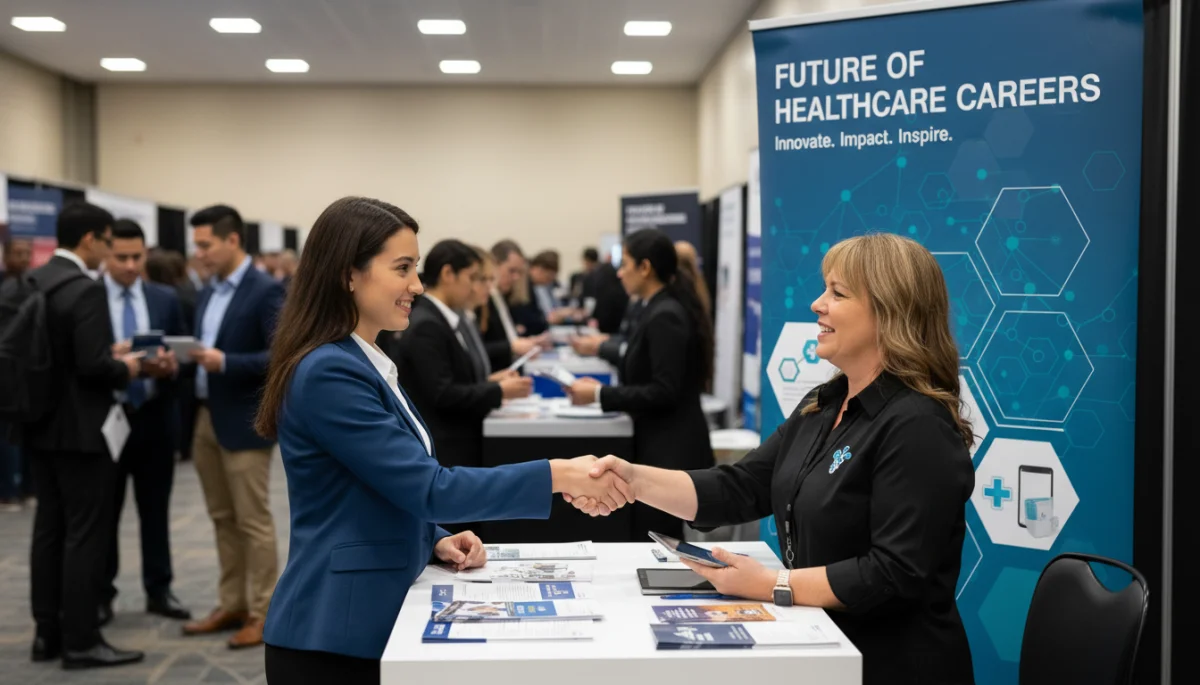
One of the most effective ways to adapt is by focusing on skill development that directly addresses emerging needs. As value-based care and telehealth expand, skills in data analytics, digital literacy, care coordination, and population health management become increasingly valuable. Investing in certifications or continuing education in these areas can significantly boost a candidate’s profile. Furthermore, networking plays an even more critical role in this environment. Attending industry conferences, joining professional associations, and leveraging online platforms like LinkedIn can provide insights into unadvertised opportunities and connect job seekers with key decision-makers. Building a robust professional network allows for real-time market intelligence and potential referrals.
Key adjustments to your job search
- Upskill in Emerging Areas: Pursue certifications or courses in healthcare informatics, telehealth best practices, or population health management.
- Tailor Your Resume and Cover Letter: Highlight experiences and skills that align with value-based care, health equity, and remote work capabilities.
- Network Actively: Engage with professionals in your target specialties, attend virtual and in-person industry events, and use online platforms to expand your connections.
- Be Flexible with Location and Role: Consider opportunities in underserved areas or roles that leverage new care delivery models, such as remote positions.
Finally, a critical aspect of adapting your job search is to stay informed about policy changes at both federal and state levels. Subscribing to industry newsletters, following reputable healthcare news sources, and engaging with professional organizations can provide timely updates on legislative developments that could open new doors or redefine existing roles. Understanding the ‘why’ behind policy shifts allows job seekers to anticipate future trends and position themselves as forward-thinking professionals. By proactively adjusting their skills, networking effectively, and staying informed, healthcare job seekers can successfully navigate the complexities of the current market and seize the abundant opportunities created by these transformative changes.
| Key Policy Area | Impact on Job Market |
|---|---|
| Value-Based Care | Increased demand for care coordinators, data analysts, population health managers. |
| Telehealth Expansion | Growth in remote clinical roles, telehealth IT support, and virtual patient engagement. |
| Workforce Shortages | High demand for RNs, primary care physicians, mental health professionals, allied health. |
| Health Equity Focus | Need for culturally competent professionals, community health workers, and DEI specialists. |
Frequently asked questions about healthcare job market changes
Policy shifts directly influence demand by prioritizing certain care models or services. For instance, a policy promoting preventative care might increase demand for health educators and primary care providers, while telehealth expansion boosts needs for remote clinicians and IT support specialists. Understanding these priorities helps job seekers target in-demand areas.
Key skills include cultural competency, digital literacy for telehealth, data analytics for value-based care, and strong communication for interdisciplinary teams. Adaptability, problem-solving, and a focus on patient outcomes are also highly valued in the evolving healthcare landscape. Continuous learning is essential for staying competitive.
Yes, policy changes supporting telehealth reimbursement and cross-state licensing have significantly accelerated the growth of remote healthcare jobs. This trend is likely to continue, opening up opportunities for various clinical and administrative roles that can be performed virtually, offering greater flexibility for professionals.
To stay informed, subscribe to industry newsletters from reputable organizations like the American Hospital Association or Kaiser Family Foundation. Follow healthcare news outlets, participate in professional association webinars, and engage with policy discussions on platforms like LinkedIn. Local and state health department websites also offer crucial updates.
Policy changes can indirectly affect salaries and benefits by influencing demand for certain roles. High-demand specialties due to policy shifts may see increased compensation and better benefits as organizations compete for talent. Conversely, roles that become less central might experience stagnation. It’s a dynamic relationship driven by market forces and legislative priorities.
Conclusion
The journey through the healthcare job market in the wake of recent healthcare policy shifts is undeniably complex, yet it is also rich with opportunity. From the pervasive influence of value-based care to the transformative expansion of telehealth, and from persistent workforce shortages to a renewed focus on health equity, each policy adjustment reshapes the professional landscape. Job seekers who proactively engage with these changes, investing in relevant skill development, strategically refining their job search methods, and staying abreast of legislative developments, will be best positioned to thrive. The future of healthcare employment belongs to those who are adaptable, informed, and committed to evolving with the industry’s demands, ensuring they can contribute meaningfully to a healthier future for all.
