Navigating the U.S. Corporate Tax Landscape: Small Business Guide

Understanding recent U.S. corporate tax changes is crucial for small businesses to maintain compliance and optimize financial strategies amidst evolving regulations, ensuring sustainable growth and minimizing liabilities.
Are you ready to tackle the ever-evolving world of U.S. corporate taxes? For small businesses, staying informed about the latest reforms is not just good practice, it’s essential for survival and growth. This guide will help you in Navigating the U.S. Corporate Tax Landscape: Key Changes for Small Businesses, offering clarity and actionable insights.
Understanding the Current U.S. Corporate Tax Environment
The U.S. corporate tax landscape is a dynamic arena, constantly shaped by legislative actions and economic shifts. For small businesses, understanding the foundational elements and recent adjustments is paramount to effective financial planning and compliance. Ignoring these changes can lead to costly errors and missed opportunities.
The Tax Cuts and Jobs Act (TCJA) Legacy
The Tax Cuts and Jobs Act of 2017 (TCJA) fundamentally reshaped the U.S. corporate tax system, primarily by reducing the corporate tax rate from a progressive structure with a top rate of 35% to a flat 21%. While this was a significant change for large corporations, small businesses, many of which operate as pass-through entities, also experienced indirect effects and direct benefits from other provisions.
- Flat Corporate Rate: The permanent reduction to a 21% flat rate simplified calculations for C corporations.
- Pass-Through Deduction (Section 199A): Eligible pass-through entities (S corporations, partnerships, LLCs, and sole proprietorships) could deduct up to 20% of qualified business income (QBI), subject to certain limitations. This was a critical provision designed to provide comparable tax relief to pass-through businesses.
- Expensing Provisions: Enhanced Section 179 expensing and 100% bonus depreciation allowed businesses to immediately deduct the cost of certain depreciable assets, rather than capitalizing and depreciating them over several years.
These provisions significantly altered tax strategies for many small businesses, encouraging investment and offering substantial tax savings. However, the complexity of rules surrounding the QBI deduction, in particular, required careful interpretation and professional guidance.
Recent Legislative Developments and Proposals
Beyond the TCJA, various legislative proposals and minor adjustments have continued to influence the tax environment. While no sweeping reforms comparable to the TCJA have passed recently, ongoing discussions around tax policy often include provisions that could impact small businesses, such as changes to capital gains taxes, adjustments to the corporate minimum tax, or new tax credits aimed at specific industries or activities.
The current administration has also expressed interest in modifying certain aspects of the tax code, including potentially increasing the corporate tax rate and adjusting deductions, though significant legislative progress remains uncertain. Small businesses should remain vigilant, consulting with tax professionals to understand how proposed changes might affect their future tax obligations and strategic planning.
In summary, the U.S. corporate tax environment is characterized by the enduring impact of the TCJA, particularly the flat 21% corporate rate and the Section 199A deduction for pass-through entities. Businesses must also monitor ongoing legislative discussions and proposals, which could introduce new complexities or opportunities, necessitating a proactive approach to tax management.
Key Tax Changes Directly Affecting Small Businesses
Small businesses, regardless of their structure, face a unique set of tax considerations. Recent changes have brought both opportunities for savings and new compliance challenges. Understanding these specific shifts is vital for financial health and avoiding penalties.
The Qualified Business Income (QBI) Deduction Refinements
The Section 199A QBI deduction, a cornerstone of the TCJA for pass-through entities, has seen continued clarification and some practical refinements since its inception. This deduction allows eligible self-employed individuals and owners of pass-through businesses to deduct up to 20% of their qualified business income. However, its application is not always straightforward, involving complex rules related to taxable income thresholds, types of businesses, and W-2 wages paid.
- Income Thresholds: The deduction is fully available to taxpayers whose taxable income falls below certain thresholds. Above these thresholds, limitations based on W-2 wages paid by the business and the unadjusted basis immediately after acquisition (UBIA) of qualified property begin to apply, particularly for specified service trades or businesses (SSTBs).
- Specified Service Trades or Businesses (SSTBs): Businesses involved in fields like health, law, accounting, actuarial science, performing arts, consulting, athletics, financial services, and brokerage services face stricter limitations on the QBI deduction once their taxable income exceeds the phase-out range.
- Aggregation Rules: Businesses can sometimes aggregate multiple trades or businesses for QBI deduction purposes, which can be beneficial in meeting the W-2 wage and UBIA limitations.
Navigating these nuances requires careful planning and often professional advice to ensure maximum benefit while remaining compliant. Misinterpreting the rules can lead to incorrect deductions and potential IRS scrutiny.
Changes to Depreciation and Expensing Rules
The TCJA significantly enhanced depreciation benefits, particularly through expanded Section 179 expensing and 100% bonus depreciation. While these provisions were designed to stimulate business investment, some aspects are subject to phase-outs or have specific application rules.
Section 179 allows businesses to deduct the full purchase price of qualifying equipment and/or software purchased or financed during the tax year. The maximum deduction amount has increased, along with the phase-out threshold. Bonus depreciation, which allows businesses to deduct a large percentage of the cost of eligible property in the year it’s placed in service, was set at 100% for property placed in service after September 27, 2017, and before January 1, 2023. However, this 100% rate has begun to phase down, decreasing to 80% for property placed in service in 2023, 60% in 2024, and so on, eventually reaching 0% by 2027.
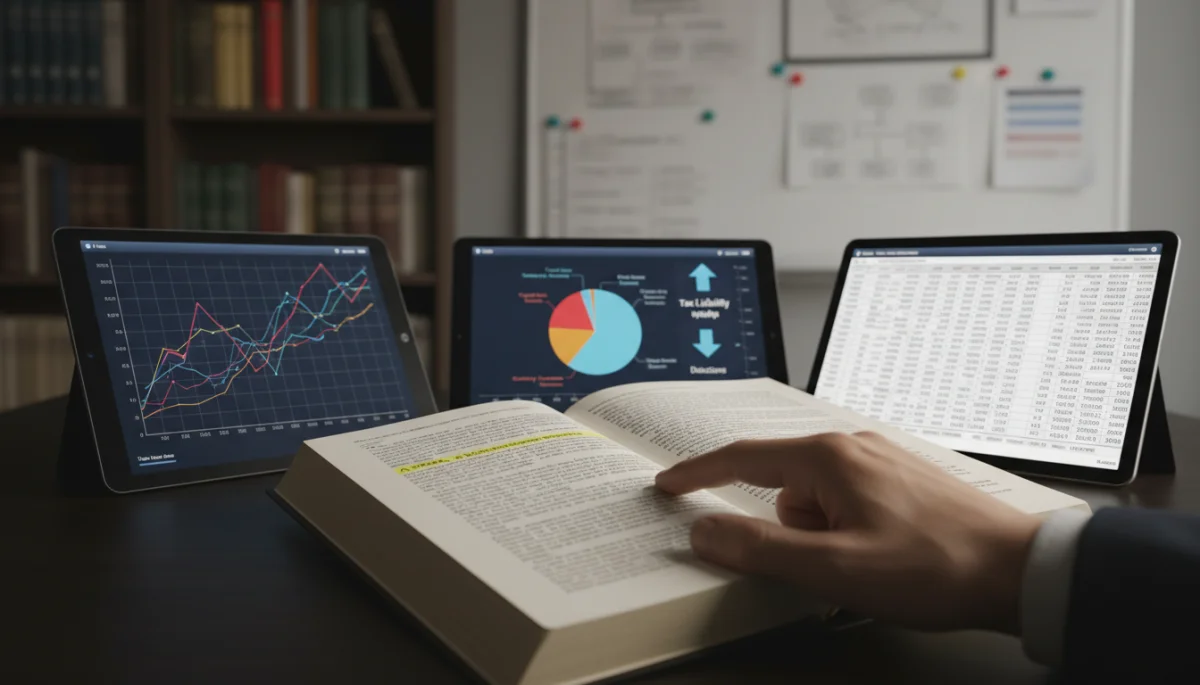
For small businesses planning capital expenditures, understanding the current bonus depreciation rates and Section 179 limits is crucial for forecasting cash flow and optimizing tax liabilities. Strategic timing of asset purchases can significantly impact the amount of immediate deduction available.
In conclusion, small businesses must closely monitor the evolving rules surrounding the QBI deduction, paying particular attention to income thresholds and business type classifications. Furthermore, staying updated on the changing landscape of depreciation and expensing, especially the bonus depreciation phase-down, is essential for making informed capital investment decisions and maximizing tax savings.
Navigating State and Local Tax (SALT) Implications
While federal tax changes often grab headlines, state and local taxes (SALT) represent a significant and often complex burden for small businesses. The interplay between federal reforms and state responses creates a unique environment that demands careful attention.
The SALT Cap and its Impact on Business Owners
The TCJA introduced a $10,000 cap on the deduction for state and local taxes (SALT) for individual taxpayers. While this directly impacts individual income tax returns, it has significant indirect effects on small business owners, particularly those operating as pass-through entities whose business income flows through to their personal returns. This cap effectively increased the taxable income for many high-income individuals and business owners in high-tax states.
In response to the SALT cap, many states have introduced or are considering pass-through entity (PTE) taxes. These elective taxes allow pass-through entities to pay state income tax at the entity level, which is then deductible against federal taxable income without being subject to the $10,000 SALT cap. This strategy essentially bypasses the federal cap, providing significant tax relief for eligible business owners.
- State-Specific Rules: Each state’s PTE tax law has its own specific rules regarding eligibility, election procedures, and calculation methods. Businesses must carefully review their state’s provisions.
- Strategic Considerations: Electing into a PTE tax requires a thorough analysis of its financial implications, including potential impacts on individual tax liabilities and administrative burdens.
- Ongoing Developments: The landscape of state PTE taxes is still evolving, with more states considering or refining their laws. Businesses need to stay updated on developments in their operating states.
Sales Tax and Economic Nexus Thresholds
The 2018 Supreme Court decision in South Dakota v. Wayfair dramatically altered sales tax obligations for businesses, including small online retailers. This ruling eliminated the requirement for a physical presence to establish sales tax nexus, introducing the concept of “economic nexus.” Now, businesses can have a sales tax obligation in a state simply by exceeding certain sales volume or transaction count thresholds, regardless of physical location.
For small businesses selling across state lines, this means:
- Monitoring Multiple States: Businesses must track their sales into every state to determine if they meet the economic nexus thresholds.
- Registration Requirements: Once nexus is established, businesses are generally required to register with the state’s tax authority and collect and remit sales tax.
- Compliance Complexity: Managing sales tax compliance across numerous states, each with different rates, rules, and filing requirements, can be a significant administrative burden for small businesses.
Automated sales tax software solutions have become invaluable tools for small businesses grappling with these complexities, helping to streamline compliance and reduce the risk of errors.
In summary, small businesses must address the federal SALT cap by exploring state-level PTE tax elections where available. Simultaneously, the implications of the Wayfair decision necessitate diligent monitoring of economic nexus thresholds across all states where sales occur, ensuring proper sales tax collection and remittance.
Strategic Tax Planning for Small Business Success
Effective tax planning is not merely about compliance; it’s a strategic tool that can significantly impact a small business’s profitability and long-term viability. Proactive planning allows businesses to leverage available deductions, credits, and entity structures to minimize their tax burden.
Optimizing Business Structure for Tax Efficiency
The choice of business entity (sole proprietorship, partnership, S corporation, C corporation, LLC) has profound tax implications. What might be optimal for one business could be detrimental to another, depending on factors like income levels, growth projections, and owner compensation strategies.
- Pass-Through vs. C-Corp: While C corporations benefit from the flat 21% rate, they face double taxation on distributed profits. Pass-through entities avoid this but subject owners to individual income tax rates and the complexities of the QBI deduction.
- S-Corp Election: For many small businesses, electing S-corp status can provide significant payroll tax savings by allowing owner-employees to take a reasonable salary and distribute remaining profits as tax-free distributions (subject to certain rules).
- LLC Flexibility: An LLC offers flexibility, allowing it to be taxed as a sole proprietorship, partnership, S corporation, or C corporation, depending on elections made with the IRS. This adaptability can be leveraged as the business grows or tax laws change.
Regularly reviewing your business structure with a tax professional is crucial, especially as your business grows or legislative changes occur. An optimized structure can lead to substantial tax savings over time.
Leveraging Deductions and Credits
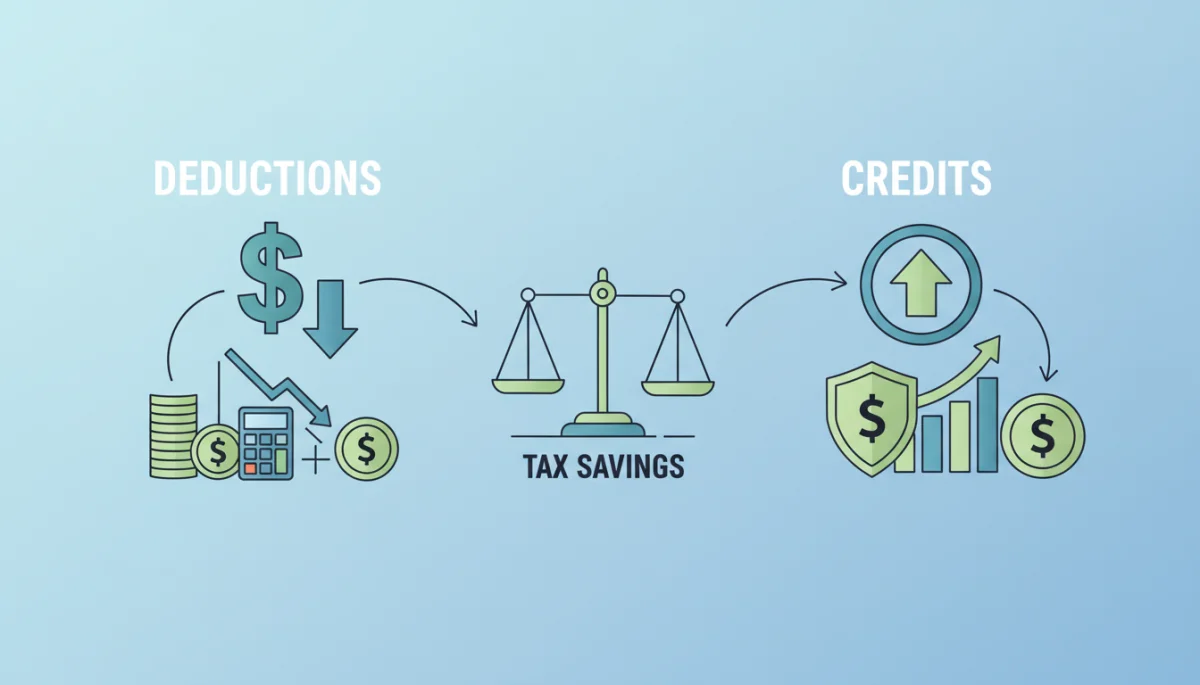
Beyond the major tax changes, small businesses have numerous opportunities to reduce their taxable income through various deductions and credits. Staying informed about these can significantly impact your bottom line.
Common Deductions
Many everyday business expenses are deductible, reducing your gross income. These include:
- Operating Expenses: Rent, utilities, office supplies, advertising, insurance premiums, and professional fees.
- Employee Compensation: Wages, salaries, and benefits paid to employees.
- Travel and Entertainment: Business travel expenses are generally 100% deductible, while business meals are typically 50% deductible.
- Home Office Deduction: For those who use a portion of their home exclusively and regularly for business, either the simplified method or the regular method can be used.
Accurate record-keeping is essential to substantiate these deductions in the event of an IRS audit. Digital tools and accounting software can greatly simplify this process.
Available Tax Credits
Tax credits directly reduce your tax liability dollar for dollar, making them particularly valuable. While some are broad, others target specific activities or industries.
- Research and Development (R&D) Tax Credit: Even small businesses can qualify for this credit if they engage in activities intended to develop new or improved products, processes, or software.
- Work Opportunity Tax Credit (WOTC): Encourages employers to hire individuals from certain target groups who face significant barriers to employment.
- Small Business Health Care Tax Credit: Helps eligible small employers pay for health care coverage for their employees.
Identifying and claiming all applicable credits requires proactive research and often, the guidance of a knowledgeable tax professional. Many credits go unclaimed simply because businesses are unaware of their eligibility.
In summary, strategic tax planning involves continuously evaluating your business structure for optimal tax efficiency and diligently identifying and leveraging all available deductions and credits. This proactive approach is fundamental to minimizing tax burdens and enhancing financial performance.
The Role of Technology in Tax Compliance
The increasing complexity of the U.S. corporate tax landscape, coupled with the need for accurate record-keeping and timely filing, makes technology an indispensable ally for small businesses. Leveraging the right tools can streamline processes, reduce errors, and ensure compliance.
Accounting Software and Digital Record-Keeping
Modern accounting software solutions are far more than just bookkeeping tools; they are comprehensive platforms that can significantly aid tax preparation. Solutions like QuickBooks, Xero, and FreshBooks automate many financial tasks, from tracking income and expenses to generating detailed financial reports.
- Automated Expense Tracking: Many platforms integrate with bank accounts and credit cards, automatically categorizing transactions and reducing manual data entry.
- Invoice and Payroll Management: Integrated payroll features simplify wage calculations, tax withholdings, and reporting, ensuring compliance with federal and state payroll tax requirements.
- Financial Reporting: Software can generate profit and loss statements, balance sheets, and other reports essential for tax preparation and financial analysis.
Digital record-keeping, facilitated by cloud-based storage and document management systems, ensures that all necessary financial documents are securely stored and easily accessible for tax audits or inquiries. This eliminates the need for cumbersome paper trails and improves efficiency.
Tax Preparation Software and Professional Platforms
While DIY tax software can be suitable for very simple business structures, many small businesses benefit from more robust tax preparation software or platforms designed for tax professionals. These tools often incorporate the latest tax laws, provide error-checking capabilities, and offer guidance on complex deductions.
For small businesses working with tax advisors, professional tax software allows for seamless collaboration, enabling advisors to efficiently access financial data, prepare returns, and offer strategic advice. This integration can significantly reduce the time and cost associated with tax season.
The judicious use of technology not only simplifies the compliance process but also empowers small business owners with better financial insights. By automating routine tasks, businesses can free up valuable time to focus on growth and strategic decision-making, rather than getting bogged down in manual tax administration.
In summary, technology plays a critical role in simplifying tax compliance for small businesses. Implementing robust accounting software for automated record-keeping and utilizing advanced tax preparation platforms can significantly enhance efficiency, accuracy, and strategic financial management.
Avoiding Common Tax Pitfalls and Ensuring Compliance
Even with the best intentions, small businesses can fall into common tax pitfalls that lead to penalties, audits, and unnecessary financial stress. Proactive measures and a deep understanding of compliance requirements are essential to avoid these issues.
Inadequate Record-Keeping
One of the most frequent reasons for IRS audits and disallowed deductions is poor record-keeping. The IRS requires businesses to keep accurate and complete records to support all income, expenses, and credits claimed on a tax return. Failing to do so can result in significant problems.
- Receipts and Invoices: Maintain detailed records for all business transactions, including receipts, invoices, bank statements, and canceled checks.
- Digital vs. Physical: While physical records are acceptable, digital copies are often more organized, easier to store, and simpler to retrieve. Cloud-based solutions offer secure backup.
- Retention Period: Generally, tax records should be kept for at least three years from the date you filed your original return or two years from the date you paid the tax, whichever is later. Some records, like those related to property, should be kept longer.
Establishing a robust system for record-keeping from day one can save immense headaches down the line. Consistency and attention to detail are key.
Misclassifying Workers
The distinction between an employee and an independent contractor is a critical one for tax purposes, and misclassification can lead to severe penalties from the IRS and state labor departments. Businesses must understand the IRS common law rules for determining worker status.
- Behavioral Control: Does the company control or have the right to control what the worker does and how the worker does his or her job?
- Financial Control: Does the company control the business aspects of the worker’s job (e.g., how the worker is paid, whether expenses are reimbursed, who provides tools/supplies)?
- Type of Relationship: Are there written contracts or employee-type benefits (e.g., pension plan, insurance, vacation pay)? Is the relationship expected to continue, and is the work performed a key aspect of the business?
If a worker is misclassified as an independent contractor, the business may be liable for unpaid employment taxes (Social Security, Medicare, federal income tax withholding), interest, and penalties. When in doubt, it is always best to consult with a legal or tax professional.
Ignoring State and Local Tax Obligations
While federal taxes are often the primary focus, overlooking state and local tax obligations can be equally detrimental. As discussed earlier, economic nexus for sales tax and various state-specific income or franchise taxes can catch unaware businesses off guard.
- Registration: Ensure your business is registered in all states where it has nexus for sales tax, income tax, or other applicable taxes.
- Filing Deadlines: Keep track of different filing deadlines for state and local taxes, which often vary from federal deadlines.
- Professional Guidance: The complexity of multi-state taxation often necessitates the expertise of a tax professional specializing in state and local taxes (SALT).
A comprehensive approach to tax compliance means considering all levels of government—federal, state, and local—to ensure no obligation is overlooked.
In summary, small businesses can avoid significant tax pitfalls by maintaining impeccable records, correctly classifying workers to prevent costly penalties, and diligently addressing all state and local tax obligations. Proactive management and expert consultation are invaluable for ensuring comprehensive compliance.
Looking Ahead: Future Tax Considerations for Small Businesses
The U.S. tax landscape is in a constant state of flux, influenced by economic conditions, political priorities, and global developments. Small businesses must adopt a forward-looking perspective to anticipate potential changes and adapt their strategies accordingly.
Potential Legislative Changes and Their Impact
Discussions around tax reform are a perennial feature of the U.S. political scene. While the permanence of the TCJA’s corporate rate cut is often debated, other aspects, such as the QBI deduction, are also subject to potential modification or expiration. For example, the Section 199A deduction is currently set to expire at the end of 2025.
- Corporate Rate Adjustment: Proposals to increase the corporate tax rate above 21% are frequently discussed, which would directly impact C corporations.
- QBI Deduction Expiration: If the Section 199A deduction is not extended or made permanent, pass-through entities will see a significant increase in their taxable income, requiring substantial adjustments to their tax planning.
- New Tax Credits or Incentives: Future legislation may introduce new tax credits aimed at promoting specific activities, such as environmental sustainability, job creation, or technological innovation.
Staying informed about legislative debates and proposals is crucial. Small businesses should engage with industry associations and tax policy groups to understand potential impacts and advocate for their interests. Preparing for various scenarios, such as the expiration of key deductions, can help mitigate future risks.
Global Tax Developments and U.S. Small Businesses
While often perceived as relevant only to multinational corporations, global tax developments can have indirect effects on U.S. small businesses, particularly those engaged in international trade or with foreign partners.
- OECD Global Minimum Tax: Initiatives like the OECD’s global minimum tax, while primarily targeting large corporations, could influence broader U.S. tax policy in the long term, potentially affecting how U.S. businesses are taxed on foreign income.
- Supply Chain Considerations: Changes in international tax agreements can affect the cost and feasibility of global supply chains, impacting small businesses that rely on imported goods or export their products.
For small businesses with international dealings, even if limited, understanding the broader global tax environment is becoming increasingly important. Consulting with tax professionals who have expertise in international taxation can provide valuable insights and ensure compliance with complex cross-border rules.
In summary, small businesses must maintain a vigilant watch on potential legislative changes, particularly regarding the corporate tax rate and the QBI deduction’s future. Additionally, understanding how global tax developments might indirectly influence U.S. policy and international business operations is essential for long-term strategic planning.
| Key Change | Brief Impact on Small Businesses |
|---|---|
| QBI Deduction (Section 199A) | Allows eligible pass-through entities to deduct up to 20% of qualified business income, subject to income and business type limitations. |
| Bonus Depreciation Phase-Out | 100% bonus depreciation is phasing down; impacts immediate expensing for new asset purchases. |
| SALT Cap & PTE Taxes | $10,000 federal deduction cap on state/local taxes led to state pass-through entity (PTE) taxes as workarounds. |
| Economic Nexus (Sales Tax) | Businesses may owe sales tax in states where they have no physical presence, based on sales volume or transactions. |
Frequently asked questions about U.S. corporate tax changes
The current federal corporate tax rate for C corporations, as established by the Tax Cuts and Jobs Act of 2017, is a flat 21%. This rate replaced a previous progressive tax structure with a top rate of 35%, significantly simplifying and reducing the tax burden for many corporations.
The Section 199A Qualified Business Income (QBI) deduction allows eligible owners of pass-through entities, such as sole proprietorships, partnerships, and S corporations, to deduct up to 20% of their qualified business income. This provision aims to provide tax parity with the lower corporate tax rate, reducing the overall tax liability for many small business owners.
The $10,000 cap on state and local tax (SALT) deductions primarily affects individual taxpayers, but it indirectly impacts small business owners whose business income flows to their personal returns. In response, many states have enacted pass-through entity (PTE) taxes, allowing businesses to pay state taxes at the entity level, which can be federally deductible without the cap.
Bonus depreciation, which allowed 100% immediate expensing of qualified property, began to phase down in 2023. It decreased to 80% for property placed in service in 2023 and will continue to decline by 20% each year until it reaches 0% by 2027. Businesses must consider these changes when planning capital expenditures.
Economic nexus means that small businesses selling online may be required to collect and remit sales tax in states where they have no physical presence, simply by exceeding certain sales thresholds. This change, stemming from the Wayfair decision, necessitates careful monitoring of sales in multiple states to ensure compliance and avoid penalties.
Conclusion
Navigating the U.S. Corporate Tax Landscape: Key Changes for Small Businesses is an ongoing challenge that demands vigilance and strategic foresight. From understanding the enduring impact of the TCJA to adapting to evolving state and local tax rules and leveraging technology for compliance, a proactive approach is indispensable. By staying informed, optimizing business structures, and seeking expert guidance, small businesses can transform tax compliance from a burden into a powerful tool for sustainable growth and financial stability in a dynamic economic environment.
