Sustainable Hospitality: Reducing Waste in US Hotels
Implementing sustainable practices in U.S. hospitality, particularly focusing on waste reduction, is crucial for environmental responsibility, operational efficiency, and meeting evolving guest expectations for eco-conscious travel experiences.
Sustainable practices in U.S. hospitality: reducing waste is not just an environmental imperative; it’s a strategic business advantage. As guests increasingly seek eco-conscious travel options, hotels and resorts across the United States are discovering that embracing sustainability, particularly through effective waste reduction, can significantly enhance their brand reputation, reduce operational costs, and contribute positively to local communities. This article delves into the various facets of waste reduction within the hospitality sector, exploring actionable strategies and their profound impact.
The imperative for waste reduction in hospitality
The hospitality industry, by its very nature, is a significant generator of waste. From daily consumables in guest rooms to vast quantities of food waste from kitchens and events, the cumulative impact is substantial. Recognizing this, many establishments are moving beyond basic recycling to embrace more comprehensive waste reduction strategies.
This shift is driven by a combination of factors, including increasing regulatory pressures, rising disposal costs, and a growing consumer demand for environmentally responsible businesses. Hotels that proactively address waste are not only safeguarding the planet but also positioning themselves as leaders in a competitive market.
Understanding the types of waste in hotels
Before effective reduction strategies can be implemented, it is essential to categorize and understand the primary waste streams within a typical hotel operation. This allows for targeted interventions and more efficient resource management.
- Food waste: This often constitutes the largest percentage of organic waste, stemming from kitchen preparation, buffet overproduction, and guest plate waste.
- Plastic waste: Single-use plastics, including miniature toiletries, water bottles, and packaging, are pervasive in guest rooms and dining areas.
- Paper and cardboard: Newspapers, magazines, office paper, and packaging materials contribute significantly to dry recyclable waste.
- Linen and textile waste: Old towels, sheets, uniforms, and discarded fabrics from renovation projects.
- Hazardous waste: Batteries, light bulbs, cleaning chemicals, and electronic waste require special disposal protocols.
By identifying these key areas, hotels can develop tailored programs that address each waste type systematically, leading to more impactful and measurable results. The journey towards zero waste begins with a thorough understanding of what is being discarded.
Strategic approaches to food waste management
Food waste is arguably the most challenging and impactful waste stream in hospitality, yet it also presents some of the most significant opportunities for reduction and cost savings. Effective food waste management requires a multi-faceted approach, integrating prevention, donation, and responsible disposal.
Many U.S. hotels are now adopting advanced technologies and rigorous protocols to minimize food waste at every stage, from procurement to plate. This not only benefits the environment but also improves profitability by optimizing inventory and reducing purchasing needs.
Implementing prevention at the source
The most effective way to manage food waste is to prevent it from occurring in the first place. This involves careful planning, precise portion control, and innovative culinary practices.
- Menu planning and forecasting: Utilizing data analytics to accurately predict guest demand and tailor menu offerings, reducing overproduction.
- Portion control: Standardizing portion sizes in kitchens and at buffets to minimize uneaten food on plates.
- Inventory management: Implementing ‘first-in, first-out’ (FIFO) systems and regular inventory checks to reduce spoilage.
- Creative repurposing: Training chefs to transform leftover ingredients into new dishes or components for other meals, such as using vegetable scraps for stocks.
These proactive measures can significantly cut down on the volume of food that ever becomes waste, leading to substantial savings on procurement and disposal costs. It’s about smart cooking and smart business.
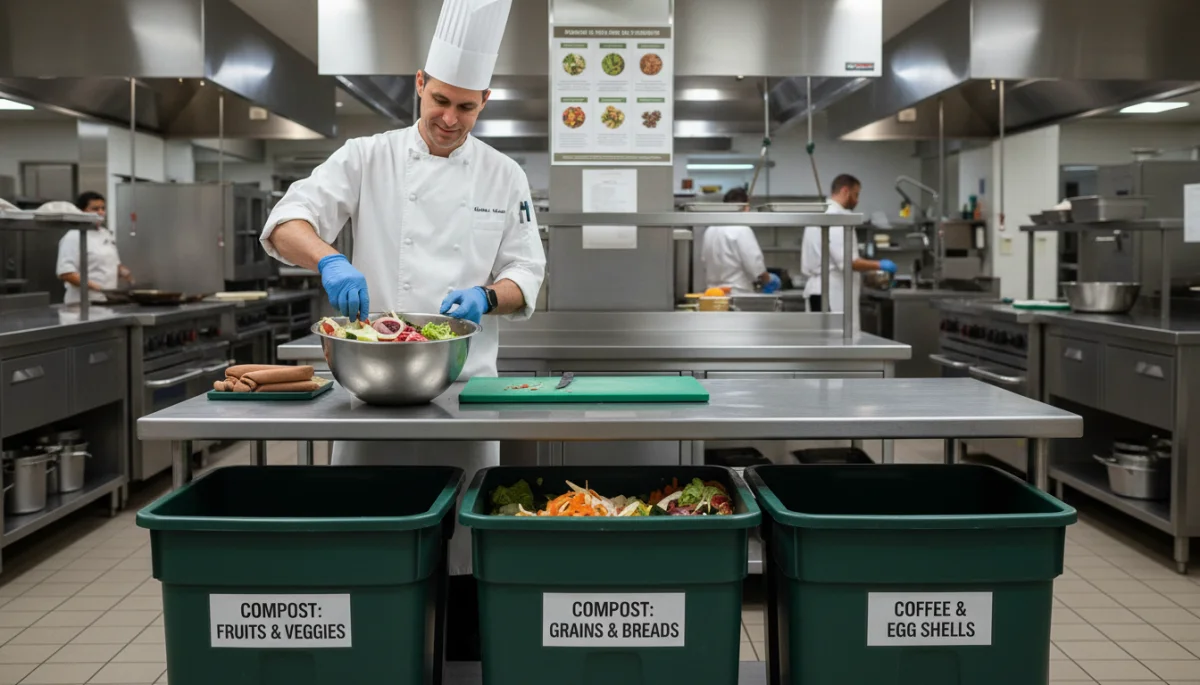
Donation and composting programs
For unavoidable food waste, responsible diversion is key. Many hotels are partnering with local organizations to ensure edible surplus food reaches those in need, while inedible waste is composted.
Food donation programs require careful adherence to food safety regulations and strong community partnerships. Composting, whether on-site or through commercial services, transforms organic waste into valuable soil amendments, closing the loop on nutrient cycles. These initiatives showcase a hotel’s commitment to social responsibility and environmental stewardship, resonating deeply with guests and staff alike.
Reducing single-use plastics and packaging
The pervasive use of single-use plastics has become a major environmental concern, and the hospitality industry is a significant contributor. Guests are increasingly vocal about their desire for plastic-free experiences, prompting hotels to rethink their amenities and operational supplies.
Moving away from single-use items requires a commitment to sourcing sustainable alternatives and educating both staff and guests about the benefits. This transition can often be phased, starting with the most visible and easily replaceable items.
Innovative alternatives for guest amenities
Replacing miniature plastic toiletry bottles is one of the most visible steps hotels can take. Larger, refillable dispensers are becoming the standard, offering both environmental and economic benefits.
- Bulk dispensers: Installing wall-mounted, refillable dispensers for shampoo, conditioner, and body wash in guest bathrooms.
- Solid toiletries: Exploring options like soap bars, shampoo bars, and conditioner bars, which eliminate plastic packaging entirely.
- Water refill stations: Providing filtered water stations in common areas and encouraging guests to use reusable bottles, thereby reducing the need for bottled water.
- Biodegradable packaging: Opting for compostable or recyclable packaging for in-room snacks, coffee, and other consumables.
These changes not only reduce plastic waste but also often lead to cost savings over time due to bulk purchasing and reduced waste disposal fees. They also enhance the guest experience by aligning with modern values.
Sustainable procurement and supply chain management
Beyond guest amenities, hotels can significantly reduce packaging waste by scrutinizing their supply chains. Working with suppliers who offer products in bulk or with minimal, recyclable packaging is crucial.
This includes everything from kitchen supplies to cleaning products. By demanding sustainable options, hotels can drive broader industry change and foster a more eco-conscious supply network. Regular audits of procurement practices help identify areas where packaging waste can be further minimized.
Efficient resource utilization and recycling programs
While prevention and reduction are paramount, effective recycling remains a cornerstone of any comprehensive waste management strategy. Beyond traditional recycling, hotels are exploring ways to extend the life cycle of materials and minimize landfill contributions.
Optimizing resource utilization also involves careful management of water and energy, as their consumption often generates indirect waste through resource depletion and emissions. A holistic approach considers all aspects of a hotel’s environmental footprint.
Optimizing laundry and linen practices
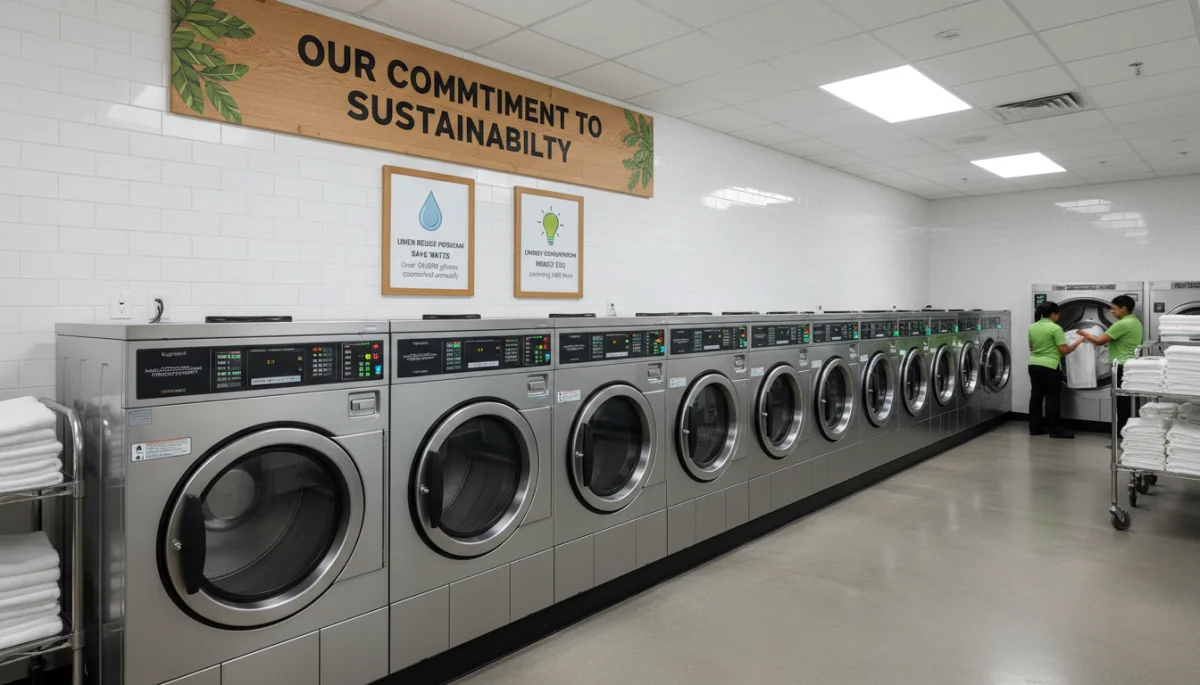
Hotel laundries are intensive users of water, energy, and chemicals, producing significant waste streams. Implementing efficient practices can lead to substantial environmental and economic benefits.
- Linen reuse programs: Encouraging guests to reuse towels and sheets through in-room signage, reducing the frequency of laundry cycles.
- High-efficiency equipment: Investing in modern washing machines and dryers that use less water and energy, and have advanced filtration systems.
- Eco-friendly detergents: Switching to biodegradable and non-toxic cleaning agents that are less harmful to aquatic ecosystems.
- Textile recycling: Partnering with organizations that can recycle or repurpose old linens, uniforms, and discarded fabrics, diverting them from landfills.
These practices not only conserve resources but also reduce operational costs associated with water, energy, and chemical purchases, demonstrating a clear return on investment for sustainable initiatives.
Comprehensive recycling infrastructure
A successful recycling program requires clear signage, accessible bins, and staff training. Guests and employees need to understand what can be recycled and where.
Many hotels are now implementing multi-stream recycling systems in guest rooms, common areas, and back-of-house operations. This includes separate bins for paper, plastic, glass, and aluminum, making it easier for everyone to participate. Regular waste audits help identify contamination issues and areas for improvement, ensuring the recycling efforts are genuinely effective.
Engaging staff and guests in sustainability efforts
No sustainability initiative can succeed without the active participation of both staff and guests. Creating a culture of environmental responsibility within a hotel requires clear communication, education, and incentives.
When employees are empowered and guests are informed, they become active partners in achieving waste reduction goals. This collective effort amplifies the impact of individual actions and reinforces the hotel’s commitment to sustainability.
Staff training and empowerment
Employees are on the front lines of waste generation and reduction. Comprehensive training programs are essential to ensure they understand their role in the hotel’s sustainability mission.
- Onboarding and ongoing training: Educating all new hires and current staff on waste sorting protocols, energy-saving practices, and the hotel’s overall sustainability goals.
- Green teams: Establishing internal committees dedicated to identifying new sustainability opportunities and implementing initiatives.
- Incentive programs: Recognizing and rewarding employees who actively contribute to waste reduction and other eco-friendly practices.
- Clear communication: Providing accessible guidelines and visual aids for waste segregation in all operational areas.
Empowered and knowledgeable staff can identify inefficiencies, suggest improvements, and ensure that sustainable practices are consistently applied throughout the hotel’s operations. Their engagement is invaluable.
Guest communication and incentives
Guests often want to be sustainable but may not know how to contribute within a hotel setting. Clear and engaging communication can guide their actions.
This includes in-room signage explaining linen reuse programs, information about recycling bins, and details about the hotel’s broader sustainability initiatives. Some hotels offer incentives, such as discounts or loyalty points, for guests who opt for eco-friendly choices, like foregoing daily linen changes. By making sustainability easy and rewarding, hotels can foster a positive guest experience while achieving their environmental objectives.
The long-term benefits of sustainable waste reduction
Embracing sustainable practices, particularly in waste reduction, offers far-reaching benefits that extend beyond immediate environmental impact. These benefits contribute to a hotel’s financial health, brand reputation, and long-term viability in a rapidly changing market.
The initial investment in sustainable infrastructure and training often yields significant returns through reduced operating costs, increased guest loyalty, and enhanced employee morale. It’s a holistic approach that positions hotels for future success.
Economic advantages and cost savings
While there may be upfront costs, waste reduction initiatives almost invariably lead to long-term financial savings. Reducing waste means less money spent on procuring new materials and less money paid for waste disposal services.
For example, effective food waste management reduces purchasing costs, while linen reuse programs cut down on water, energy, and detergent expenses. Investing in energy-efficient appliances and water-saving fixtures also lowers utility bills. These savings directly impact the bottom line, making sustainability a sound business decision.
Enhanced brand reputation and guest loyalty
In today’s market, consumers are increasingly choosing brands that align with their values. Hotels with strong sustainable practices can attract environmentally conscious travelers and foster greater guest loyalty.
A commitment to waste reduction enhances a hotel’s brand image, differentiating it from competitors and appealing to a growing segment of the travel market. Positive word-of-mouth and favorable online reviews often follow, further strengthening the hotel’s reputation. This reputational boost can also attract top talent, as employees seek to work for responsible organizations.
The journey towards comprehensive waste reduction in the U.S. hospitality sector is continuous, requiring dedication and innovation. However, the benefits—environmental, economic, and reputational—make it an essential endeavor for any forward-thinking hotel. By implementing strategic practices, engaging stakeholders, and continuously seeking improvements, hotels can significantly reduce their environmental footprint and contribute to a more sustainable future.
| Key Practice | Brief Description |
|---|---|
| Food Waste Management | Implement prevention, donation, and composting to minimize organic waste. |
| Plastic Reduction | Replace single-use plastics with bulk dispensers and eco-friendly alternatives. |
| Efficient Recycling | Establish clear, multi-stream recycling systems for all waste types. |
| Stakeholder Engagement | Train staff and inform guests to foster a culture of sustainability. |
Frequently asked questions about sustainable hospitality waste reduction
Waste reduction is crucial for U.S. hospitality as it lowers operational costs, enhances brand reputation among eco-conscious travelers, and contributes to environmental preservation. It also helps businesses comply with evolving environmental regulations and demonstrates corporate social responsibility, attracting both guests and talent.
Hotels typically generate significant amounts of food waste from kitchens and dining, single-use plastics from amenities and packaging, paper and cardboard from offices and deliveries, and textile waste from linens. Hazardous waste like batteries and chemicals also requires careful management.
Effective food waste reduction involves precise menu planning, accurate forecasting, portion control, and creative repurposing of ingredients. Additionally, partnering with food banks for donations and implementing composting programs for inedible waste are vital strategies to minimize landfill contributions.
Hotels can replace single-use plastics with bulk, refillable dispensers for toiletries, solid soap and shampoo bars, and in-room water filtration systems or refill stations. Opting for biodegradable or compostable packaging for snacks and beverages also significantly reduces plastic footprint.
Engaging staff through comprehensive training, green teams, and incentive programs is key. For guests, clear in-room signage about linen reuse, accessible recycling bins, and communication about the hotel’s eco-initiatives can encourage participation, fostering a shared commitment to sustainability.
Conclusion
The journey towards implementing robust sustainable practices in U.S. hospitality, particularly in waste reduction, is a testament to the industry’s evolving commitment to environmental stewardship and operational excellence. By strategically addressing food waste, minimizing single-use plastics, optimizing resource utilization, and fostering a culture of sustainability among staff and guests, hotels can significantly reduce their ecological footprint. These efforts not only align with growing consumer expectations for responsible travel but also yield substantial economic benefits through cost savings and enhanced brand reputation, securing a more resilient and responsible future for the hospitality sector.
