Future of Online Learning: Trends & Virtual University Choices
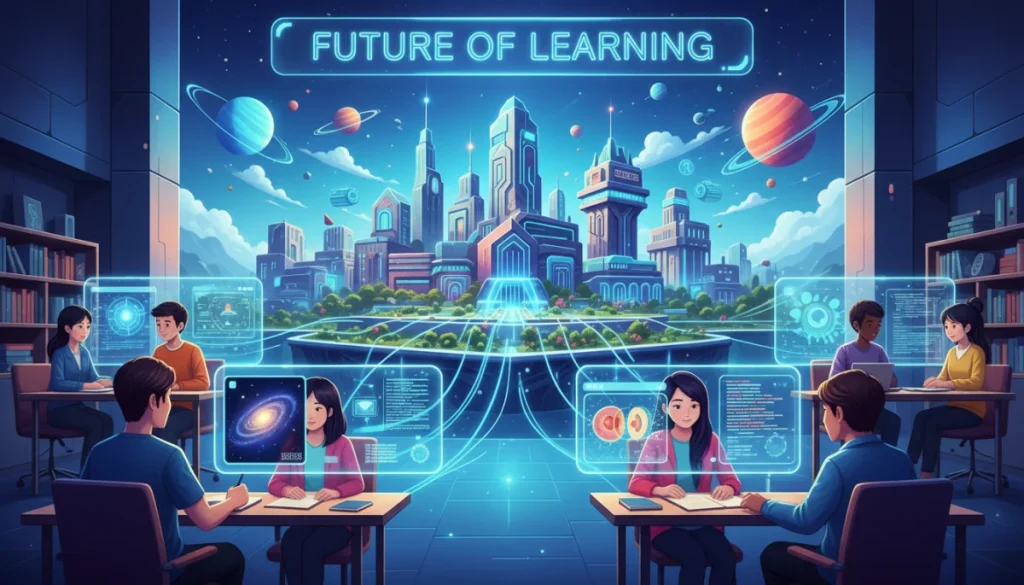
The future of online learning is rapidly evolving, driven by technological innovations and changing educational paradigms, offering flexible and accessible pathways to higher education for a global student body.
Embarking on an educational journey in today’s dynamic world often leads us to consider the evolving landscape of digital education. The question of what defines the future of online learning and how to choose a virtual university is more pertinent than ever, as technology reshapes traditional academic boundaries and opens new avenues for knowledge acquisition.
The evolving landscape of online education
Online education, once considered a niche alternative, has firmly established itself as a mainstream pillar of global learning. This transformation is not merely about convenience; it reflects a fundamental shift in how knowledge is disseminated, acquired, and applied. The initial skepticism surrounding virtual classrooms has given way to widespread acceptance, driven by continuous innovation and a growing understanding of its unique benefits.
The current trajectory suggests an even more integrated and sophisticated future. We are moving beyond simple video lectures and static readings into a realm of highly interactive, personalized, and immersive learning experiences. This evolution is powered by advancements in artificial intelligence, virtual reality, and data analytics, all converging to create an educational environment that is both engaging and effective.
Technological drivers of change
- Artificial Intelligence (AI): AI is revolutionizing personalized learning paths, adapting content and pace to individual student needs, and providing instant feedback.
- Virtual and Augmented Reality (VR/AR): These technologies create immersive learning environments, allowing students to conduct virtual lab experiments, explore historical sites, or even perform simulated surgeries.
- Big Data Analytics: Data helps educators understand student performance, identify areas for improvement, and tailor interventions to prevent academic struggles.
- Blockchain Technology: While still emerging, blockchain offers potential for secure credentialing and verifiable academic records, enhancing trust in online degrees.
The integration of these technologies ensures that online learning is not just a replication of traditional classroom settings but an entirely new pedagogical approach. It fosters critical thinking, problem-solving, and digital literacy – essential skills for the modern workforce. The focus is increasingly on experiential learning, where students actively participate in their education rather than passively receiving information.
As online learning continues to mature, its capacity to democratize education becomes even more pronounced. It breaks down geographical barriers, making quality education accessible to individuals in remote areas or those with limited mobility. Furthermore, it often provides a more flexible schedule, allowing students to balance their studies with work, family, or other commitments, which is a significant advantage for adult learners and working professionals.
The demand for lifelong learning also fuels the expansion of online platforms. In a rapidly changing job market, continuous skill development is crucial, and online courses offer an agile solution for upskilling and reskilling. This adaptability ensures that education remains relevant and responsive to the evolving needs of industries worldwide.
Key trends shaping virtual universities
The landscape of virtual universities is undergoing a profound transformation, driven by several key trends that are redefining the educational experience. These trends are not just incremental changes but fundamental shifts in pedagogy, technology, and institutional structure, all aimed at enhancing accessibility, engagement, and effectiveness.
One of the most significant trends is the move towards hyper-personalized learning. Leveraging AI and machine learning, virtual universities are increasingly able to tailor educational content, assignments, and feedback to each student’s unique learning style, pace, and prior knowledge. This individualized approach maximizes comprehension and retention, moving away from a one-size-fits-all model.
Immersive learning experiences
The integration of virtual reality (VR) and augmented reality (AR) is creating truly immersive learning environments. Imagine conducting complex scientific experiments in a virtual lab, exploring historical sites with AR overlays, or participating in simulated business negotiations. These technologies transform abstract concepts into tangible, interactive experiences, making learning more engaging and memorable.
This immersive approach extends beyond technical fields. Humanities students might virtually walk through ancient Rome, while art students could analyze masterpieces in a virtual gallery. The possibilities are vast, offering a depth of engagement previously unattainable in traditional online formats.
Micro-credentials and flexible pathways
The traditional degree structure is being complemented, and in some cases, challenged, by the rise of micro-credentials, badges, and stackable programs. These shorter, focused learning modules allow students to acquire specific skills quickly and efficiently. Virtual universities are at the forefront of this trend, offering flexible pathways that cater to the immediate needs of the workforce and individuals seeking targeted skill development.
- Stackable Credentials: Learners can earn smaller certifications that accumulate towards a larger degree, providing immediate value and career progression.
- Competency-Based Education: Focuses on mastering skills rather than seat time, allowing students to progress at their own pace based on demonstrated proficiency.
- Industry Partnerships: Virtual universities are increasingly collaborating with industries to design curricula that directly address current and future job market demands.
This flexibility is particularly appealing to working professionals who need to upskill or reskill without committing to a full four-year degree. It democratizes access to specialized knowledge and makes continuous learning a practical reality for a broader population.
Another emerging trend is the emphasis on collaborative learning in virtual environments. While often perceived as solitary, online learning is evolving to incorporate more group projects, discussion forums, and peer-to-peer feedback mechanisms. Advanced platforms facilitate seamless collaboration, mirroring the team-oriented nature of many modern workplaces.
Finally, the global reach of virtual universities is expanding. Institutions are increasingly enrolling students from diverse international backgrounds, fostering a rich, multicultural learning environment. This global perspective not only enriches discussions but also prepares students for an interconnected world, enhancing their cultural intelligence and global competence.
The benefits of choosing a virtual university
Opting for a virtual university presents a myriad of advantages that cater to the diverse needs of modern learners. Beyond the obvious flexibility, these institutions offer unique benefits that can significantly enhance the educational journey and long-term career prospects. The accessibility and adaptability inherent in online learning models are transforming how individuals pursue higher education, making it a viable and often superior choice for many.
One of the most compelling benefits is unparalleled flexibility. Virtual universities allow students to learn on their own schedule, from any location with an internet connection. This is particularly advantageous for individuals balancing work, family responsibilities, or other commitments. It removes geographical barriers, enabling students to access top-tier education from institutions worldwide, regardless of their physical location.
Cost-effectiveness and accessibility
Virtual education can often be more cost-effective than traditional on-campus programs. Students can save on expenses such as commuting, on-campus housing, and sometimes even tuition fees, as online programs may have lower operational costs. This financial accessibility opens doors for many who might otherwise find higher education prohibitive.
- Reduced Expenses: Lower costs for tuition, housing, and transportation make education more affordable.
- Global Access: Students can access programs from anywhere, expanding choices beyond local institutions.
- Diverse Learning Tools: Access to a wide array of digital resources, e-libraries, and interactive platforms.
Beyond the financial aspect, the inherent accessibility of virtual universities empowers individuals with disabilities or those in remote areas to pursue their academic goals without facing physical or logistical barriers. This inclusivity is a cornerstone of the future of online learning, ensuring that education is a right, not a privilege.
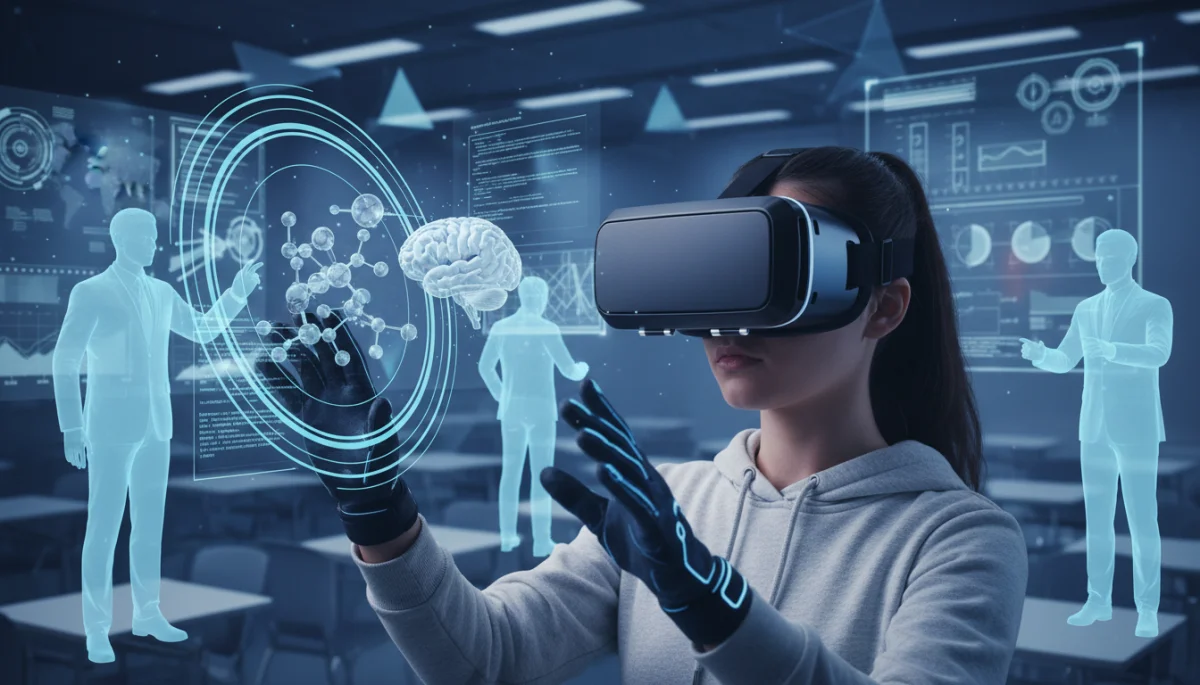
Furthermore, virtual universities often provide a highly personalized learning experience. Advanced learning management systems (LMS) track student progress, identify areas needing improvement, and offer tailored resources. This data-driven approach ensures that each student receives the support necessary to succeed, fostering a more effective and engaging learning environment.
The development of essential digital skills is another significant benefit. Navigating online platforms, collaborating virtually, and utilizing various digital tools are integral parts of virtual learning. These skills are highly transferable and increasingly sought after in today’s digital-first workforce, giving graduates of virtual universities a distinct advantage in the job market.
Finally, virtual universities foster a global perspective. Students often interact with peers and faculty from diverse cultural backgrounds, enriching discussions and broadening their understanding of global issues. This exposure to different viewpoints is invaluable in preparing students for a globally interconnected professional landscape.
How to choose the right virtual university
Selecting the right virtual university is a critical decision that requires careful consideration of several factors. With the proliferation of online programs, distinguishing between reputable institutions and those that may not meet your academic or career goals is essential. A thoughtful approach ensures that your investment in education yields the desired returns.
First and foremost, accreditation is paramount. Ensure that the virtual university and its programs are accredited by recognized agencies. Accreditation signifies that the institution meets specific quality standards and that your degree will be respected by employers and other educational institutions. Always verify accreditation status through official channels.
Program relevance and curriculum
Evaluate the program’s curriculum to ensure it aligns with your academic interests and career aspirations. Look for courses that are current, comprehensive, and taught by experienced faculty members. Consider whether the program offers specializations or elective options that allow you to tailor your learning to your specific goals.
Research the faculty’s credentials and experience. Are they experts in their field? Do they have practical experience in the industry? Engaged and knowledgeable instructors can significantly enhance your learning experience.
- Accreditation: Verify institutional and programmatic accreditation with recognized bodies.
- Curriculum Alignment: Ensure courses meet your academic and career objectives.
- Faculty Expertise: Research instructors’ qualifications and industry experience.
- Student Support Services: Look for robust academic advising, technical support, and career services.
Consider the learning format and technological requirements. Does the university offer synchronous (live) or asynchronous (self-paced) courses, or a blend of both? Ensure you have the necessary technology and internet access to participate effectively. A user-friendly learning management system (LMS) is also crucial for a smooth online experience.
Student support services are another vital aspect. A reputable virtual university should offer comprehensive support, including academic advising, technical assistance, career services, and mental health resources. These services are crucial for online students who might feel isolated without a physical campus presence.
Finally, delve into student reviews and testimonials. While not the sole determinant, feedback from current and former students can provide valuable insights into the university’s culture, the quality of its programs, and the effectiveness of its support systems. Look for patterns in reviews that highlight strengths and weaknesses.
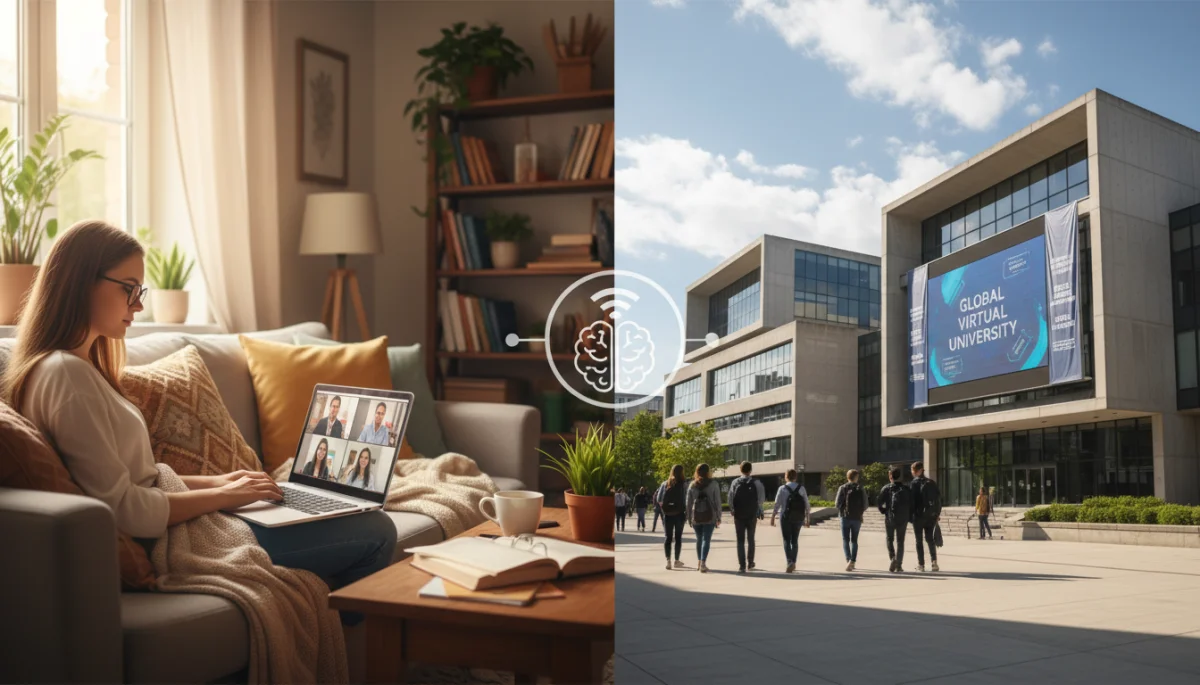
Choosing the right virtual university is an investment in your future. By meticulously researching accreditation, curriculum, faculty, support services, and student experiences, you can make an informed decision that sets you on a path to academic and professional success.
Overcoming challenges in virtual learning
While the benefits of virtual learning are extensive, it’s equally important to acknowledge and address the challenges that students may encounter. Understanding these hurdles and developing strategies to overcome them is crucial for a successful online educational journey. Proactive planning and the utilization of available resources can transform potential obstacles into opportunities for growth.
One common challenge is maintaining motivation and self-discipline. The flexibility of online learning, while a major advantage, can also be a double-edged sword. Without the fixed schedule and physical presence of a traditional classroom, students must take greater responsibility for managing their time and staying on track. Developing a consistent study routine and setting clear goals can significantly help.
Technical difficulties and digital literacy
Technical issues, such as unreliable internet connections or unfamiliarity with learning platforms, can disrupt the learning process. It is essential to have a stable internet connection and a reliable computer. Furthermore, students should familiarize themselves with the university’s learning management system and other required digital tools before courses begin.
Many virtual universities offer technical support and resources to help students navigate these challenges. Proactively engaging with these services can resolve issues quickly and minimize interruptions to studies.
- Time Management: Develop a structured study schedule and stick to it to maintain consistency.
- Self-Motivation: Set clear academic goals and reward milestones to stay motivated.
- Technical Proficiency: Familiarize yourself with all required software and platforms.
- Communication Skills: Actively participate in online discussions and communicate openly with instructors.
Another significant challenge can be the feeling of isolation. Online learning can sometimes lack the spontaneous social interactions found in a physical campus. To counter this, students should actively engage in online discussion forums, virtual study groups, and any optional synchronous sessions offered by their programs. Many universities also foster virtual communities and student organizations.
Effective communication is also vital. In an online environment, clarity and conciseness in written communication are paramount. Students should not hesitate to reach out to instructors or teaching assistants with questions or concerns, utilizing email, virtual office hours, or messaging features within the LMS.
Finally, managing distractions in a home learning environment can be difficult. Creating a dedicated study space, minimizing interruptions from family or roommates, and setting boundaries with personal devices can significantly improve focus and productivity. Overcoming these challenges requires a blend of personal discipline, effective use of technology, and active engagement with the university’s support systems.
The impact of online learning on career advancement
The rise of online learning has profoundly impacted career advancement, offering unprecedented opportunities for professionals to upskill, reskill, and pivot their careers without interrupting their current employment. This flexibility and accessibility have made continuous learning a practical reality, directly influencing employability and professional growth in a rapidly evolving job market.
One of the most immediate impacts is the ability to acquire new, in-demand skills quickly. Online courses and micro-credentials allow individuals to gain specialized knowledge and certifications that are highly valued by employers. This agility in skill development ensures that professionals can stay relevant and competitive in industries undergoing rapid technological change.
Enhanced employability and promotion opportunities
Earning an online degree or certification demonstrates initiative, self-discipline, and adaptability – qualities highly sought after by employers. It signals a commitment to personal and professional development, which can lead to increased employability and greater opportunities for promotions within an existing organization.
Furthermore, online learning often exposes students to a diverse network of peers and instructors from various industries and geographical locations. This expanded professional network can open doors to new collaborations, mentorship opportunities, and even future job prospects, extending beyond the traditional confines of a local campus.
- Skill Enhancement: Acquire new, relevant skills to stay competitive in the job market.
- Career Pivoting: Gain qualifications for transitioning into new industries or roles.
- Networking Opportunities: Connect with a global network of professionals and academics.
- Demonstrated Initiative: Show employers commitment to continuous learning and self-improvement.
The practical application of knowledge is another key advantage. Many online programs are designed with a strong focus on real-world case studies and projects, allowing students to immediately apply what they learn to their current jobs. This practical experience enhances their value to employers and can lead to immediate improvements in performance and productivity.
For those looking to transition into a new career path, online learning provides a flexible and often more affordable way to gain the necessary qualifications. It allows individuals to explore new fields or acquire foundational knowledge without the significant time and financial commitment of a traditional degree, making career changes more accessible and less risky.
Ultimately, online learning empowers individuals to take control of their career trajectories. By providing continuous access to education and skill development, it enables professionals to adapt to market demands, pursue their passions, and achieve their career aspirations, making it an indispensable tool for long-term professional success.
The future outlook for virtual education
The trajectory of virtual education points towards an increasingly integrated, intelligent, and influential role in the global learning ecosystem. Far from being a temporary solution, online learning is evolving into a sophisticated and preferred mode of education for millions, driven by continuous technological innovation and a growing recognition of its inherent advantages. The outlook is one of expansion, specialization, and deeper integration into the fabric of society.
One of the most significant aspects of the future outlook is the blending of modalities. The distinction between purely online and purely traditional education will continue to blur, giving rise to more hybrid models. These blended approaches will combine the best elements of both, offering flexible online components with targeted in-person experiences, such as labs, workshops, or networking events.
Advanced technologies and global collaboration
Technological advancements will continue to be a primary driver. Expect to see more widespread adoption of AI-powered tutors, highly interactive simulations, and sophisticated analytics that predict student success and personalize interventions. The integration of haptic feedback in VR/AR will create even more realistic and engaging learning experiences, particularly in vocational and technical fields.
Global collaboration among institutions will also intensify. Virtual universities will increasingly partner across borders, offering joint degrees, shared resources, and expanded access to diverse faculty and student populations. This internationalization will enrich the learning experience and prepare students for a globally interconnected workforce.
- Hybrid Learning Models: Blending online flexibility with targeted in-person engagement.
- AI-Powered Tutoring: Personalized support and adaptive learning paths for every student.
- Global Partnerships: Increased collaboration between international institutions for joint programs.
- Credential Innovation: Continued evolution of micro-credentials and skill-based certifications.
The focus on skills-based learning and micro-credentials will deepen. As the job market continues to demand specific, verifiable skills, virtual education will be ideally positioned to deliver agile, responsive training. This will include tighter integration with industry needs, ensuring that educational outcomes directly translate into employability and career readiness.
Accessibility will remain a core tenet. Future virtual education will leverage assistive technologies to ensure that learning is inclusive for individuals with diverse needs. This commitment to equitable access will solidify online learning’s role as a democratizing force in education.
Ultimately, the future of virtual education is bright and dynamic. It promises a more personalized, accessible, and effective learning experience that continually adapts to the evolving needs of students, industries, and society at large, positioning itself as a cornerstone of lifelong learning in the 21st century.
| Key Aspect | Brief Description |
|---|---|
| Personalized Learning | AI-driven content and pace tailored to individual student needs. |
| Immersive Experiences | VR/AR integration for interactive and engaging virtual labs and field trips. |
| Micro-credentials | Flexible, stackable programs for targeted skill acquisition and career advancement. |
| Global Accessibility | Breaking down geographical barriers, offering education to a diverse student body. |
Frequently asked questions about online learning
Yes, increasingly so. With reputable institutions offering online programs, employers widely recognize accredited online degrees. The key is to choose an accredited virtual university, ensuring the quality and rigor of the education received are comparable to on-campus programs. Many employers value the self-discipline and digital literacy demonstrated by online graduates.
Several technologies are at the forefront. Artificial intelligence (AI) is personalizing learning paths, virtual and augmented reality (VR/AR) are creating immersive experiences, and big data analytics are providing insights into student performance. Blockchain technology is also emerging for secure credentialing, enhancing trust and verification in online education.
Start by verifying accreditation to ensure quality and recognition. Then, assess the program’s curriculum for alignment with your career goals and research faculty expertise. Consider student support services, learning formats, and technological requirements. Finally, review student testimonials to gain insights into the overall experience before making your decision.
Virtual education offers unparalleled flexibility, allowing students to learn on their own schedule from anywhere. It’s often more cost-effective, reducing expenses like commuting and housing. Additionally, it fosters the development of essential digital skills and provides access to a diverse, global learning community, enhancing both personal and professional growth.
Online learning significantly boosts career advancement by enabling professionals to quickly acquire new, in-demand skills and certifications. It demonstrates initiative and adaptability to employers, expands professional networks, and allows for career transitions without interrupting current employment. This continuous skill development is crucial for staying competitive in today’s dynamic job market.
Conclusion
The future of online learning is not just about adapting to new technologies; it’s about fundamentally reshaping how we approach education. From personalized learning paths driven by AI to immersive experiences powered by VR/AR, the landscape is evolving to offer unprecedented flexibility, accessibility, and effectiveness. Choosing a virtual university today means embracing an educational model that is dynamic, responsive, and increasingly vital for lifelong learning and career advancement in a globalized world. By understanding these trends and making informed choices, individuals can confidently navigate their academic journeys and unlock new opportunities for personal and professional growth.
