Hospitality Staff Training: Boost U.S. Service Scores
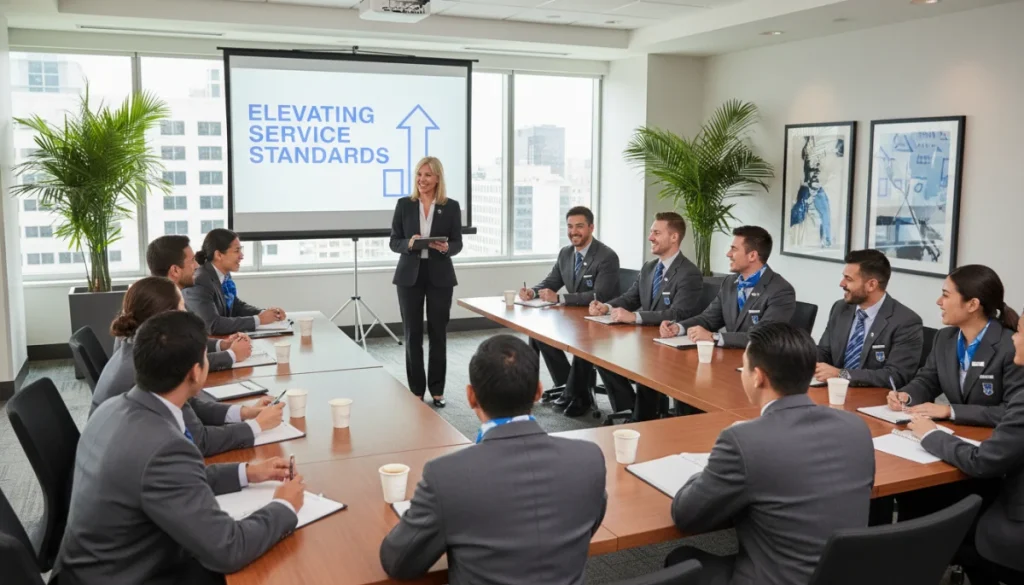
Effective hospitality staff training in the U.S. is crucial for elevating service scores, ensuring consistent guest satisfaction, and strengthening a brand’s reputation in a competitive market.
In the highly competitive U.S. hospitality sector, exceptional guest experiences are not just a luxury, but a fundamental requirement for success. Central to achieving this is robust staff training in U.S. hospitality, a strategic investment that directly impacts service scores and guest loyalty. Developing a comprehensive program is paramount for any establishment aiming to stand out.
Understanding the Importance of Service Scores in Hospitality
Service scores are the lifeblood of any hospitality business in the United States. They represent the collective voice of your guests, offering invaluable insights into their experiences and perceptions. These scores, often derived from surveys, online reviews, and direct feedback, serve as a critical benchmark for operational excellence and customer satisfaction.
High service scores translate directly into tangible business benefits, including increased repeat business, positive word-of-mouth marketing, and a stronger brand reputation. Conversely, low scores can quickly lead to declining occupancy rates and revenue, making the continuous pursuit of service excellence a non-negotiable aspect of modern hospitality management. Understanding what drives these scores is the first step toward improvement.
The direct link between training and guest satisfaction
The connection between well-trained staff and elevated guest satisfaction is undeniable. When employees are equipped with the right skills, knowledge, and attitude, they are better prepared to anticipate guest needs, resolve issues efficiently, and deliver memorable interactions. This proactive approach significantly enhances the overall guest experience, leading to higher satisfaction levels.
- Consistency in service: Training ensures all staff members adhere to established service standards, providing a predictable and high-quality experience for every guest.
- Problem-solving skills: Empowered employees can address guest concerns effectively, turning potential negative experiences into opportunities for service recovery.
- Personalized interactions: Training fosters an understanding of guest preferences, allowing staff to offer tailored recommendations and create a more personal connection.
Ultimately, investing in comprehensive training programs is an investment in your guests’ happiness. It empowers your team to deliver service that not only meets but consistently exceeds expectations, directly influencing those all-important service scores. This proactive stance on staff development sets the foundation for sustained success.
Measuring service scores involves various metrics, from cleanliness and speed of service to staff attentiveness and problem resolution. Each touchpoint contributes to the overall perception of quality. By meticulously tracking these metrics, hospitality businesses can identify areas of strength and, more importantly, pinpoint specific weaknesses that require targeted training interventions. This data-driven approach ensures that training efforts are always aligned with strategic business goals.
Designing an Effective Training Program: Core Principles
Developing a successful training program for U.S. hospitality staff requires more than just a series of workshops; it demands a strategic, holistic approach grounded in clear objectives and measurable outcomes. The program should be dynamic, adaptable, and continuously refined to meet evolving industry standards and guest expectations. It begins with a thorough needs assessment to identify specific skill gaps and areas for improvement within the team.
An effective program integrates various learning methodologies, acknowledging that different individuals absorb information in different ways. It should also emphasize practical application, ensuring that theoretical knowledge translates into improved on-the-job performance. The ultimate goal is to cultivate a culture of continuous learning and excellence.
Identifying training needs through performance analysis
Before any training can begin, it is crucial to understand precisely what skills and knowledge gaps exist among your staff. This diagnostic phase involves a detailed performance analysis, drawing on various data points to create an accurate picture of current capabilities and areas needing development.
- Guest feedback analysis: Scrutinize customer surveys, online reviews, and direct comments to identify recurring service issues or areas of dissatisfaction.
- Internal audits and observations: Conduct regular operational audits and observe staff interactions with guests to pinpoint procedural inconsistencies or missed opportunities for service enhancement.
- Employee feedback: Engage staff directly through surveys or one-on-one discussions to understand their perceived training needs and challenges they face in their roles.
- Performance metrics: Analyze key performance indicators (KPIs) relevant to service, such as check-in times, complaint resolution rates, and upsell successes, to highlight areas requiring skill development.
This comprehensive needs assessment provides the foundation for designing targeted training modules that address specific deficiencies, ensuring that resources are allocated efficiently and effectively. Without this initial step, training efforts risk being unfocused and less impactful. Once needs are identified, the next step involves setting clear, measurable learning objectives for each training module.

Key Components of a Comprehensive Training Curriculum
A truly effective hospitality staff training curriculum in the U.S. goes beyond basic job functions, encompassing a wide range of skills essential for delivering outstanding guest experiences. It should be structured to build foundational knowledge while also fostering soft skills crucial for genuine human connection. From the moment a guest interacts with your team until their departure, every touchpoint is an opportunity to impress, and training ensures staff are prepared for each of these moments.
The curriculum should be modular, allowing for flexibility and customization based on department and individual roles. This ensures that training is always relevant and directly applicable to the daily responsibilities of each employee, maximizing engagement and retention of learned material. A well-rounded curriculum is an ongoing project, not a one-time event.
Essential modules for front-line staff
Front-line staff, such as receptionists, concierges, and servers, are the face of your establishment. Their training must be comprehensive, covering both technical skills and the nuanced art of guest interaction. These modules form the core of any service excellence program.
- Guest relations and communication: Focus on active listening, empathy, handling difficult situations, and effective verbal and non-verbal communication techniques.
- Service standards and procedures: Detailed training on check-in/check-out processes, reservation systems, order taking, table service etiquette, and property-specific protocols.
- Local knowledge and concierge skills: Equipping staff with information about local attractions, dining, transportation, and events to provide valuable recommendations.
- Complaint resolution and service recovery: Training on how to de-escalate situations, apologize effectively, offer solutions, and turn negative experiences into positive ones.
- Upselling and cross-selling: Gentle techniques to enhance the guest experience through offering additional services or upgrades, done in a non-intrusive manner.
Beyond these core modules, cross-training staff in various departments can significantly enhance operational flexibility and foster a deeper understanding of the entire guest journey. This holistic perspective allows employees to better anticipate needs and collaborate more effectively, further elevating service quality. Regularly updating these modules based on guest feedback and industry trends is also vital.
Leveraging Technology for Modern Training Delivery
In today’s fast-paced U.S. hospitality environment, traditional classroom-only training methods are often insufficient. Modern training programs must embrace technology to deliver engaging, flexible, and scalable learning experiences. Technology not only enhances the delivery of content but also allows for better tracking of progress and personalization of learning paths. It enables organizations to reach a diverse workforce with varying schedules and learning preferences.
Implementing digital tools can significantly reduce training costs, improve consistency, and make learning more accessible for all employees, from new hires to seasoned professionals. The goal is to create a blended learning environment that combines the best of digital and in-person instruction.
Integrating e-learning platforms and virtual reality
E-learning platforms have become indispensable for delivering consistent training content across multiple locations and departments. These platforms offer a wealth of benefits, from self-paced learning to interactive modules.
- Online modules and quizzes: Provide flexible access to essential information, policies, and procedures, allowing staff to learn at their own pace and convenience.
- Video tutorials: Demonstrate complex tasks, such as operating specific equipment or performing intricate service rituals, in a visually engaging manner.
- Gamification: Incorporate game-like elements, such as points, badges, and leaderboards, to increase engagement and motivation during training.
- Virtual reality (VR) simulations: Offer immersive, risk-free environments for practicing challenging scenarios, like handling emergencies or difficult guest interactions, enhancing practical readiness.
The strategic use of technology in training not only makes the learning process more efficient but also more appealing to a diverse workforce, including younger generations who are accustomed to digital interfaces. By making training more accessible and engaging, organizations can ensure higher completion rates and better retention of critical skills. Technology also facilitates continuous learning, allowing for quick updates to content and immediate feedback mechanisms. This adaptability is crucial in an industry as dynamic as hospitality.
Fostering a Culture of Continuous Learning and Feedback
Developing a robust training program is only half the battle; sustaining its impact requires fostering a culture where continuous learning and constructive feedback are deeply embedded in the organizational DNA. In the U.S. hospitality sector, where service excellence is paramount, this means empowering employees to constantly seek improvement and providing them with the resources to do so. A culture of learning is not just about formal training sessions, but about daily interactions and opportunities for growth.
This involves creating an environment where mistakes are viewed as learning opportunities rather than failures, and where peer-to-peer coaching and mentorship are encouraged. When employees feel supported in their development, they are more engaged, more motivated, and ultimately, more effective in their roles, which directly impacts service quality.
Implementing regular refreshers and advanced courses
Initial training is crucial, but skills can degrade over time without reinforcement. Regular refresher courses ensure that knowledge remains current and that best practices are consistently applied. Advanced courses, meanwhile, provide opportunities for professional growth and specialization.
- Scheduled refreshers: Periodically revisit core service standards, safety protocols, and company policies to ensure ongoing compliance and skill retention.
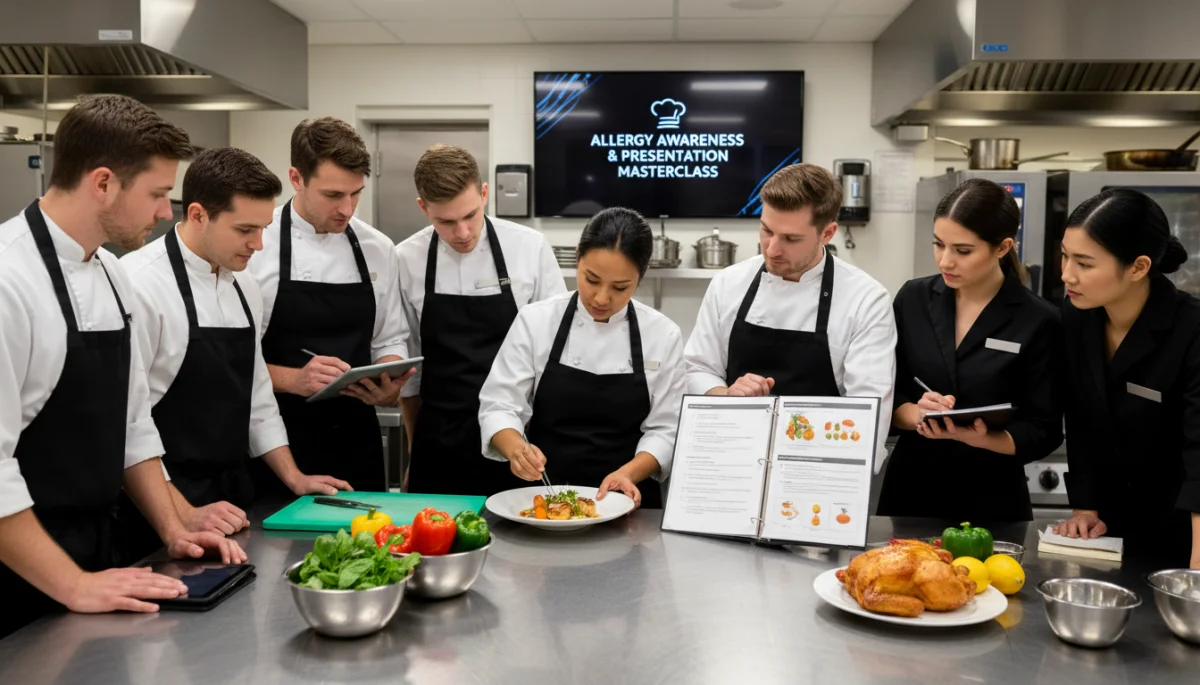
- Advanced skill workshops: Offer specialized training in areas like advanced culinary techniques, luxury service protocols, or complex reservation system management for career development.
- Leadership development programs: Identify high-potential employees and provide them with training in management, team leadership, and strategic thinking to build a strong talent pipeline.
- Cross-departmental training: Encourage staff to learn about roles in other departments, fostering a holistic understanding of the guest journey and improving inter-departmental collaboration.
Beyond formal training, establishing clear feedback channels is essential. This includes regular performance reviews, one-on-one coaching sessions, and anonymous feedback mechanisms. Encouraging open communication allows employees to voice concerns, suggest improvements, and receive guidance on their performance. When feedback is specific, timely, and constructive, it becomes a powerful tool for personal and organizational development, directly contributing to higher service scores. This continuous cycle of learning and feedback creates a resilient and high-performing team.
Measuring the Impact of Training on Service Scores
The true measure of any training program’s success lies in its tangible impact on business outcomes, particularly service scores. Without a robust system for evaluation, even the most well-designed program can fall short of its potential. In U.S. hospitality, this means going beyond simply tracking training completion rates and delving into how learned skills translate into improved guest experiences and operational efficiency. Effective measurement closes the loop, providing concrete evidence of ROI.
This evaluation phase is critical for identifying what works, what needs adjustment, and how training can be continuously optimized to meet evolving business needs. It transforms training from a cost center into a strategic investment that demonstrably contributes to the bottom line.
Analyzing guest feedback and operational metrics post-training
To accurately assess the impact of training, a systematic approach to data collection and analysis is essential. This involves comparing key performance indicators before and after the implementation of training initiatives.
- Guest satisfaction surveys: Monitor changes in overall satisfaction scores, specific service attributes (e.g., staff friendliness, efficiency), and likelihood to recommend, directly correlating them with training periods.
- Online review platforms: Track trends in comments and ratings on sites like TripAdvisor, Yelp, and Google Reviews, looking for improvements in mentions related to service quality.
- Complaint resolution rates: Analyze the number of guest complaints, resolution times, and the effectiveness of solutions offered, noting any positive shifts post-training.
- Employee retention and engagement: While indirect, improved training often leads to higher job satisfaction, reduced turnover, and increased employee engagement, which in turn positively impacts service.
- Mystery shopper programs: Utilize independent evaluators to assess service delivery from a guest’s perspective, providing objective feedback on adherence to training standards.
By meticulously tracking these metrics, hospitality businesses can gain clear insights into the effectiveness of their training investments. This data-driven evaluation not only justifies the resources allocated to training but also provides valuable intelligence for refining future programs. It ensures that training remains a dynamic and responsive tool for continuous improvement in service delivery. The ability to demonstrate a clear link between training and improved service scores strengthens the case for ongoing investment in staff development.
| Key Aspect | Brief Description |
|---|---|
| Needs Assessment | Identify specific skill gaps and areas for improvement through guest feedback and internal audits. |
| Curriculum Design | Develop comprehensive modules covering guest relations, service standards, and problem resolution. |
| Technology Integration | Utilize e-learning platforms and VR for flexible, engaging, and scalable training delivery. |
| Continuous Learning | Foster a culture of ongoing development through refreshers, advanced courses, and feedback. |
Frequently Asked Questions About Hospitality Staff Training
Staff training is crucial because it directly impacts guest satisfaction, service scores, and ultimately, profitability. Well-trained employees deliver consistent, high-quality service, resolve issues effectively, and enhance the overall guest experience, leading to repeat business and positive reviews in a competitive market.
An effective program includes a thorough needs assessment, comprehensive curriculum design covering guest relations and service standards, and practical application. It should also incorporate technology for flexible delivery and foster a culture of continuous learning and feedback for sustained improvement.
Technology enhances training through e-learning platforms, video tutorials, gamification, and virtual reality (VR) simulations. These tools offer flexible, engaging, and scalable learning experiences, allowing staff to learn at their own pace and practice scenarios in a risk-free environment, improving retention and accessibility.
Continuous learning ensures skills remain sharp and up-to-date, adapting to evolving guest expectations and industry trends. Regular refreshers, advanced courses, and a strong feedback culture empower employees to consistently improve, directly translating into higher service quality and better guest experiences over time.
Effectiveness is measured by analyzing changes in guest satisfaction surveys, online reviews, complaint resolution rates, and operational metrics post-training. Comparing these KPIs before and after implementation provides concrete evidence of impact, allowing for program refinement and justification of training investments.
Conclusion
Investing in comprehensive staff training in U.S. hospitality is not merely an expense, but a critical strategic imperative for any establishment seeking to thrive in a highly competitive market. By meticulously designing programs that address specific needs, leveraging modern technological tools, and fostering a culture of continuous learning, businesses can significantly elevate their service scores. This commitment to ongoing development ensures a consistently outstanding guest experience, builds a strong brand reputation, and ultimately drives sustainable success and profitability. The journey to exceptional service is an ongoing one, powered by a well-trained and empowered team.
