Comparing Remote Work Tools for US Teams: A Comprehensive Guide
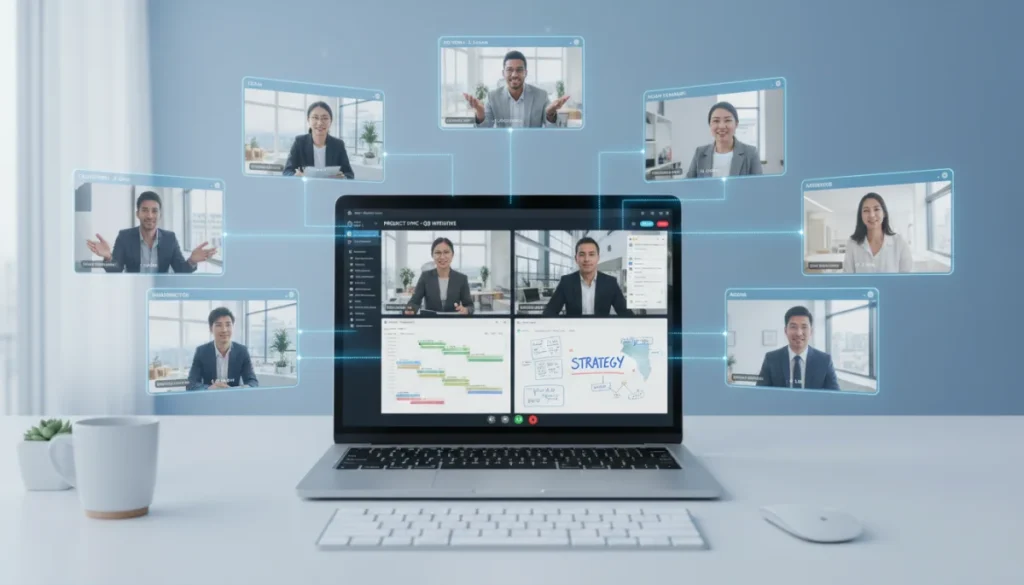
Effectively comparing remote work tools for US teams involves evaluating their impact on collaboration, communication, project management, and overall productivity to ensure seamless operations in a distributed workforce.
In today’s dynamic professional landscape, the ability to work remotely has become a cornerstone for many US businesses. To thrive in this environment, selecting the right digital infrastructure is paramount. This article delves into comparing remote work tools for US teams, examining how different platforms can enhance collaboration, streamline communication, and boost overall productivity for a distributed workforce.
Understanding the Remote Work Landscape in the US
The shift towards remote work has fundamentally reshaped how businesses operate across the United States. From bustling urban centers to rural communities, companies are increasingly embracing distributed models, driven by factors like talent accessibility, cost savings, and employee flexibility. This transformation necessitates a robust set of tools that can replicate or even enhance in-office interactions.
Navigating this new paradigm requires a strategic approach to technology adoption. US teams, often spread across multiple time zones, need solutions that bridge geographical gaps and foster a sense of unity and shared purpose. The challenge lies not just in finding tools that perform individual tasks, but in identifying integrated ecosystems that support the entire remote workflow, from initial brainstorming to final project delivery.
Key considerations for US teams when evaluating remote work tools include compliance with data privacy regulations, scalability for growing teams, and seamless integration with existing software. Understanding the unique demands of a distributed US workforce is the first step in making informed decisions about technology investments.
In conclusion, the US remote work landscape is complex and continually evolving. Businesses must prioritize adaptable and comprehensive toolsets that empower their teams to perform effectively, regardless of physical location. This foundational understanding sets the stage for a detailed comparison of available solutions.
Communication and Collaboration Platforms: Bridging the Distance
Effective communication is the bedrock of any successful remote team, especially for diverse US teams operating across different time zones. Without the spontaneous interactions of an office environment, dedicated platforms become crucial for maintaining connectivity and ensuring information flows smoothly. These tools enable everything from quick chats to structured meetings, keeping everyone aligned.
When comparing remote work tools for communication, it’s essential to look beyond basic messaging. The best platforms offer a suite of features designed to enhance team collaboration, making virtual interactions as productive as possible. This often includes video conferencing, screen sharing, file sharing, and integrated task management.
Video Conferencing Solutions
- Zoom: Widely adopted for its reliability, ease of use, and robust features like breakout rooms, virtual backgrounds, and webinar capabilities, making it ideal for large meetings and external communication.
- Microsoft Teams: A comprehensive platform that integrates chat, video meetings, file storage, and application integration within the Microsoft 365 ecosystem, particularly strong for organizations already using Microsoft products.
- Google Meet: Seamlessly integrated with Google Workspace, offering reliable video conferencing with features like live captions and easy scheduling, appealing to teams heavily invested in Google’s cloud services.
Instant Messaging and Chat
Beyond video, asynchronous communication tools are vital for daily coordination and quick questions that don’t require a meeting. These platforms reduce email clutter and provide a more immediate way to connect.
- Slack: Known for its intuitive interface, channel-based communication, and extensive integration capabilities with hundreds of other business tools, fostering a dynamic and searchable communication hub.
- Discord: Originally for gaming, it’s gaining traction in professional settings for its voice channels, text chat, and server organization, offering a more casual yet effective communication style for some teams.
Choosing the right communication and collaboration platform involves assessing team size, existing tech stack, and specific needs for real-time versus asynchronous interactions. A balanced approach often combines a powerful video conferencing solution with a flexible chat application to cover all communication bases for US teams. The goal is to create a digital space where ideas can be shared freely and decisions made efficiently, irrespective of physical location.
Project Management and Task Tracking: Keeping Work on Track
For US teams operating remotely, effective project management and task tracking tools are indispensable. They provide the structure needed to define goals, assign responsibilities, monitor progress, and ensure deadlines are met, all without the benefit of in-person oversight. These platforms create transparency and accountability, crucial for distributed teams.
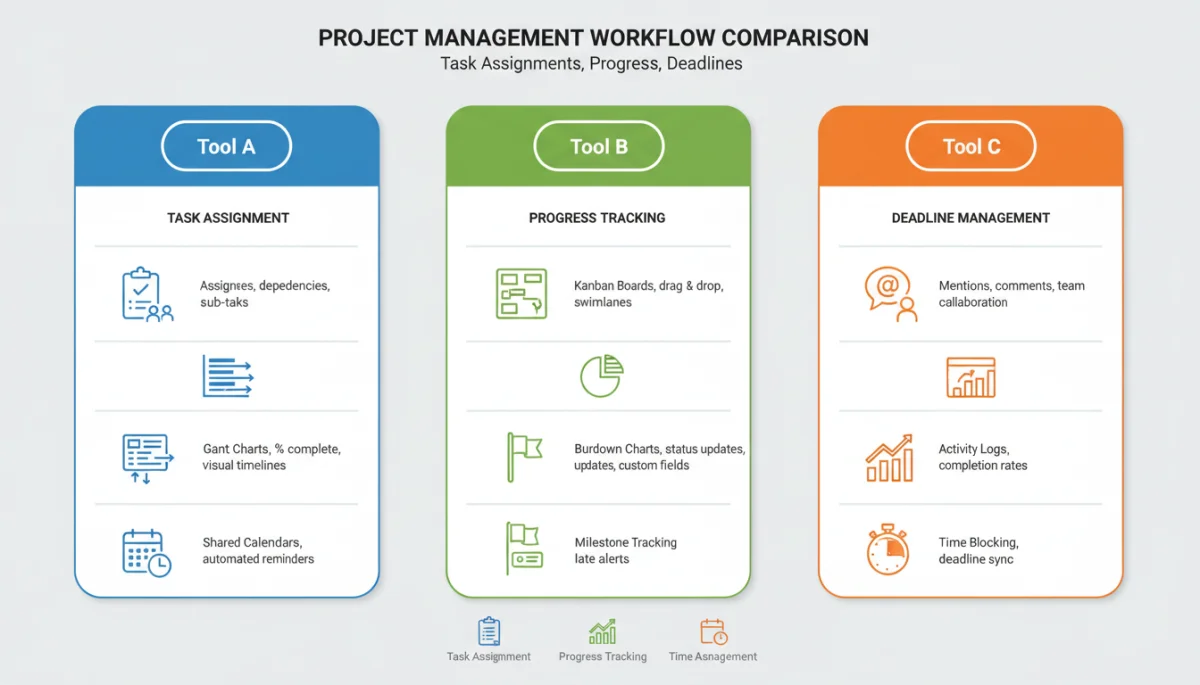
When comparing remote work tools for project management, teams should consider features like task prioritization, dependency mapping, reporting capabilities, and integration with communication platforms. The right tool can significantly reduce miscommunication and keep complex projects aligned.
Leading Project Management Solutions
Several robust options cater to different team sizes and project complexities:
- Asana: Offers a flexible interface for managing projects and tasks, supporting various views like lists, boards, and timelines. It’s excellent for detailed task management, setting clear deadlines, and tracking progress across multiple projects.
- Trello: Utilizes a Kanban-style board system, making it highly visual and intuitive for task organization and workflow management. Its simplicity makes it ideal for smaller teams or projects requiring agile oversight.
- Jira: Primarily used by software development teams, Jira provides powerful tools for agile project management, bug tracking, and issue management. It’s highly customizable and integrates well with development workflows.
- Monday.com: A highly visual work operating system that allows teams to manage everything from projects to daily tasks. Its customizable dashboards and automation features make it versatile for diverse teams.
Beyond task assignment, these tools often offer features like shared calendars, document attachment, and comment sections, fostering a collaborative environment around each piece of work. For US teams, the ability to see who is working on what, and when, across different time zones, is invaluable. This level of transparency helps prevent bottlenecks and ensures a smooth project flow.
Ultimately, the best project management tool for a remote US team will align with its specific methodologies and operational needs. Whether a team prefers agile sprints or a more traditional waterfall approach, there’s a tool designed to support their workflow, ensuring that projects stay on track and objectives are consistently achieved.
Document Collaboration and File Sharing: The Virtual Office Drive
In a remote setting, the ability to collaborate on documents and share files seamlessly is as critical as having a physical filing cabinet and meeting room. US teams need reliable solutions that ensure everyone has access to the most current versions of documents, can contribute in real-time, and can share information securely. This virtual infrastructure replaces traditional local servers and physical document hand-offs.
When comparing remote work tools for document collaboration and file sharing, key aspects to consider include real-time co-editing, version control, access permissions, storage capacity, and security. These features are vital for maintaining productivity and data integrity across distributed locations.
Integrated Cloud Suites
- Google Workspace (formerly G Suite): Offers a comprehensive suite including Docs, Sheets, Slides, and Drive, enabling real-time co-editing, robust version history, and vast storage. Its strength lies in its seamless integration and accessibility from any device, making it a go-to for many US teams.
- Microsoft 365: Provides online versions of Word, Excel, PowerPoint, and SharePoint, coupled with OneDrive for cloud storage. It’s a powerful option for organizations heavily invested in Microsoft’s ecosystem, offering advanced features and enterprise-grade security.
Dedicated File Sharing and Storage
While integrated suites offer convenience, dedicated file sharing services can provide additional flexibility and security features.
- Dropbox Business: Known for its user-friendly interface and reliable file syncing, Dropbox offers robust sharing controls, version history, and ample storage, making it a strong contender for teams needing a simple yet powerful solution.
- Box: Focuses heavily on enterprise-level security, compliance, and content management, offering advanced features for workflow automation and data governance, particularly appealing to industries with strict regulatory requirements.
The importance of robust version control cannot be overstated, as it prevents lost work and confusion when multiple team members are contributing to a single document. Secure access permissions are also crucial to protect sensitive information, ensuring only authorized individuals can view or edit specific files. For US teams, compliance with various data protection standards often informs the choice of these tools.
In summary, selecting the right document collaboration and file sharing tools means empowering US teams to work together on critical documents as if they were in the same room. These platforms are central to maintaining a cohesive and productive remote workflow, ensuring that information is always accessible, current, and secure.
Time Management and Productivity Monitoring: Optimizing Remote Output
Managing time and monitoring productivity in a remote environment presents unique challenges for US teams. Without the visual cues of an office, it can be difficult to gauge workload, identify bottlenecks, and ensure individual and collective efficiency. Tools designed for time management and productivity monitoring help teams stay focused, track progress, and optimize their output, fostering a culture of accountability and self-management.
When comparing remote work tools in this category, important features include time tracking, activity monitoring (with privacy considerations), scheduling, and reporting. The aim is not just to supervise, but to provide insights that help employees manage their time better and for managers to understand team capacity.
Time Tracking and Billing Software
- Toggl Track: A straightforward and intuitive time tracking tool that allows individuals and teams to log time spent on tasks and projects. It offers detailed reports, integrates with many project management tools, and is useful for client billing or internal project cost analysis.
- Harvest: Combines time tracking with expense tracking and invoicing capabilities, providing a comprehensive solution for project profitability. It helps US teams understand where their time goes and how it impacts budgets.
Productivity and Focus Tools
Beyond tracking, some tools focus on enhancing individual productivity and minimizing distractions.
- RescueTime: Automatically tracks time spent on applications and websites, providing detailed reports on productivity patterns. It helps users understand their digital habits and block distracting sites to improve focus.
- ClickUp: While primarily a project management tool, ClickUp includes robust features for personal task management, goal setting, and time tracking, allowing individuals to organize their day within a larger team context.
It’s crucial to approach productivity monitoring with transparency and trust, emphasizing that these tools are meant to support employees, not just scrutinize them. For US teams, clearly communicating the purpose of such tools and ensuring they align with company culture is vital for successful adoption. The data gathered can inform workload distribution, identify training needs, and help teams set more realistic goals.
Ultimately, the right time management and productivity tools empower remote US teams to work smarter, not just harder. They provide the data and structure needed to maintain high performance and ensure that remote work remains efficient and effective for all stakeholders.
Security and Privacy Considerations for Remote Work Tools
In an increasingly interconnected world, the security and privacy of data are paramount, especially for US teams utilizing remote work tools. The distributed nature of remote work introduces new vulnerabilities, making it crucial to select platforms that prioritize robust security measures. Protecting sensitive company information and ensuring compliance with various regulations, such as HIPAA or CCPA, is non-negotiable.
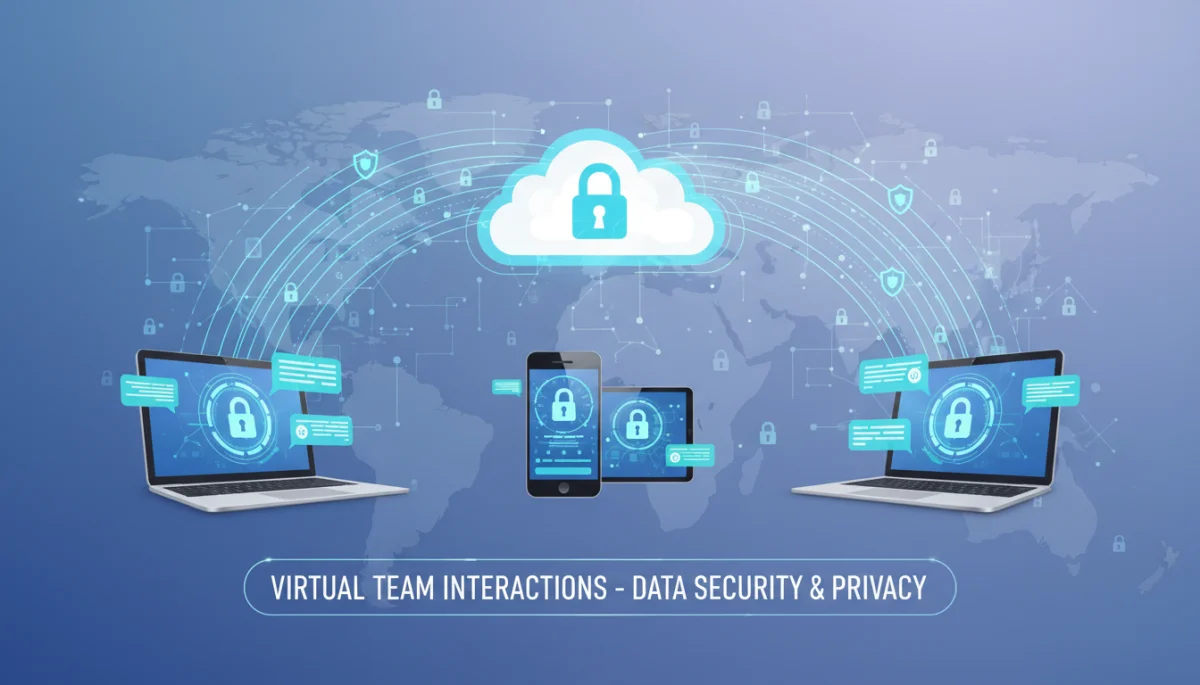
When comparing remote work tools, security features should be a top priority. This includes end-to-end encryption, multi-factor authentication (MFA), granular access controls, regular security audits, and clear privacy policies. A breach can have severe consequences, from financial penalties to reputational damage.
Key Security Features to Look For
- End-to-End Encryption: Ensures that only the sender and intended recipient can read messages or access files, protecting data from interception by third parties.
- Multi-Factor Authentication (MFA): Adds an extra layer of security by requiring users to verify their identity through multiple methods (e.g., password + phone code), significantly reducing unauthorized access.
- Granular Access Controls: Allows administrators to define precise permissions for who can view, edit, or share specific documents and resources, preventing accidental or malicious data exposure.
- Compliance Certifications: Tools that adhere to industry standards like ISO 27001, SOC 2, or specific US regulations demonstrate a commitment to data security and privacy.
Data Privacy and Compliance
For US teams, understanding the data residency and privacy policies of remote work tools is critical. Where is data stored? How is it handled? Does the tool comply with state-specific regulations like California’s CCPA, or industry-specific ones like HIPAA for healthcare data?
Companies should also implement strong internal policies for remote work, including guidelines on device security, Wi-Fi usage, and password management. Employee training on cybersecurity best practices is an essential complement to any technological solution, reinforcing a culture of security.
In conclusion, prioritizing security and privacy when selecting remote work tools is not just good practice; it’s a fundamental requirement for US teams. By carefully evaluating encryption standards, authentication methods, access controls, and compliance certifications, businesses can create a secure digital environment that protects their assets and maintains the trust of their employees and clients.
Integration and Scalability: Building a Cohesive Tech Stack
The effectiveness of remote work tools for US teams extends beyond individual features; it’s about how well these tools integrate with one another and how easily they can scale with the organization’s growth. A disjointed tech stack can lead to inefficiencies, data silos, and frustration, undermining the benefits of remote work. Therefore, planning for seamless integration and future scalability is crucial.
When comparing remote work tools, consider their API availability, pre-built integrations with popular business applications, and the flexibility to adapt to evolving team sizes and operational needs. A cohesive tech stack enhances workflow automation and ensures data consistency across platforms.
The Importance of Integrations
Integrations allow different software applications to communicate and share data, creating a more streamlined workflow. For example, integrating a project management tool with a communication platform can allow task updates to automatically post in a team chat, reducing manual effort and ensuring everyone is informed.
- API Access: Tools with open and well-documented APIs offer the greatest flexibility for custom integrations, allowing businesses to tailor their tech stack to unique requirements.
- Native Integrations: Many popular tools offer direct integrations with other widely used applications (e.g., Slack with Google Drive, Zoom with Outlook Calendar). Prioritizing tools with native integrations can simplify setup and maintenance.
- Third-Party Connectors: Platforms like Zapier or Integromat (Make) can bridge gaps between applications that don’t have native integrations, creating automated workflows across various tools.
Scalability for Growing US Teams
As US teams grow, their remote work tools must be able to accommodate increased users, data, and complexity without compromising performance or cost-effectiveness. This means looking at pricing tiers, enterprise-level features, and customer support for larger deployments.
- Tiered Pricing Models: Evaluate if a tool’s pricing structure scales efficiently from small teams to hundreds or thousands of users. Understand the cost implications of adding more licenses or features.
- Enterprise Features: Look for advanced administrative controls, single sign-on (SSO), dedicated support, and enhanced security features that become critical for larger organizations.
- Performance Under Load: Ensure the tool can handle a high volume of users and data without experiencing slowdowns or outages, which can significantly impact productivity.
A well-integrated and scalable tech stack for remote US teams acts as the backbone of their operations. It not only optimizes current workflows but also provides the agility needed to adapt to future challenges and opportunities. Investing in tools that prioritize both integration and scalability is a strategic decision that supports long-term remote work success.
| Key Tool Category | Primary Benefit for Remote US Teams |
|---|---|
| Communication Platforms | Facilitate real-time and asynchronous dialogue, bridging geographic distances and fostering team cohesion. |
| Project Management Software | Organize tasks, track progress, and ensure accountability across distributed teams for efficient project delivery. |
| Document Collaboration & File Sharing | Enable real-time co-editing and secure access to documents, maintaining version control and data integrity. |
| Security & Privacy Tools | Safeguard sensitive data with encryption and access controls, ensuring compliance and building trust in remote operations. |
Frequently Asked Questions About Remote Work Tools
The most crucial remote work tools for US teams typically include robust video conferencing (like Zoom or Google Meet), reliable team chat (such as Slack or Microsoft Teams), effective project management software (e.g., Asana or Trello), and secure document collaboration platforms (Google Workspace or Microsoft 365). These foundational tools support communication, task organization, and shared work.
To ensure data security, prioritize tools offering end-to-end encryption, multi-factor authentication (MFA), and granular access controls. Always check compliance certifications (e.g., SOC 2, ISO 27001) and understand data residency policies. Employee training on cybersecurity best practices, including strong passwords and secure Wi-Fi, also forms a critical layer of defense for US teams.
The best way to compare different remote work tools is to first identify your team’s specific needs and budget. Create a checklist of essential features for communication, project management, and collaboration. Then, conduct trials, read reviews, and assess integration capabilities with your existing tech stack. Prioritize tools that offer scalability and strong customer support for US teams.
Absolutely. Well-chosen remote work tools significantly enhance team productivity by streamlining communication, centralizing project information, automating repetitive tasks, and providing transparency in workflows. They reduce context switching and ensure all team members, regardless of location across the US, have the necessary resources and clarity to perform their roles efficiently and effectively.
Integration plays a critical role in remote work tool selection as it ensures seamless data flow and workflow automation between different applications. Tools that integrate well prevent data silos and reduce manual effort, creating a more cohesive and efficient tech ecosystem. For US teams, strong integrations mean a smoother, more productive remote work experience without constant app switching.
Conclusion
Comparing remote work tools for US teams is an ongoing strategic imperative, not a one-time decision. The landscape of remote work is constantly evolving, and the effectiveness of a team is increasingly tied to the digital infrastructure supporting it. By carefully evaluating communication platforms, project management software, document collaboration tools, security features, and integration capabilities, businesses can construct a tech stack that empowers their distributed workforce. The ultimate goal is to foster an environment where productivity, collaboration, and security are not just maintained, but enhanced, ensuring that US teams can thrive in any working arrangement. Investing wisely in these tools is an investment in the future resilience and success of the modern enterprise.
