Hospitality Workforce: Trends in Retention and Recruitment
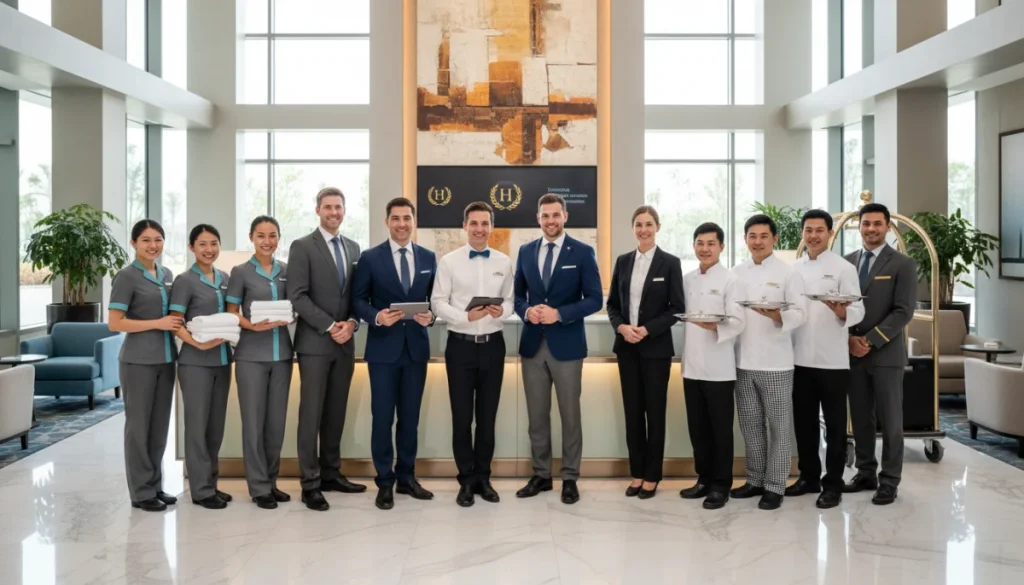
The U.S. hospitality sector faces significant challenges in attracting and retaining talent, requiring hotels to adopt innovative strategies for workforce management, employee engagement, and competitive compensation to ensure operational success.
The U.S. hotel industry is a dynamic landscape, constantly evolving with new demands and challenges. One of the most critical aspects currently shaping its future is navigating the hospitality workforce: trends in retention and recruitment for U.S. hotels. Understanding these shifts is paramount for any hotel seeking to thrive in a competitive market.
The Current State of the Hospitality Workforce
The U.S. hospitality industry, particularly the hotel sector, has experienced a rollercoaster of labor challenges in recent years. From the immediate impact of global events to evolving employee expectations, understanding the foundational issues is crucial for effective strategy development. Many hotels are grappling with a persistent labor shortage, making it difficult to fill essential roles across all departments.
This shortage isn’t merely about a lack of applicants; it’s also about a mismatch between available skills and required competencies. The industry demands a blend of technical prowess, customer service excellence, and adaptability, which can be challenging to find in the current talent pool. Furthermore, the perception of hospitality jobs as low-wage or lacking career progression often deters potential candidates, exacerbating recruitment difficulties.
Post-Pandemic Labor Market Dynamics
The aftermath of recent global events fundamentally reshaped the labor market. Many hospitality workers sought opportunities in other sectors, leading to a significant exodus of experienced talent. This shift highlighted the need for hotels to re-evaluate their value proposition to employees.
- Increased competition from other industries for similar skill sets.
- Higher employee expectations regarding work-life balance and flexibility.
- A greater demand for competitive wages and benefits packages.
- The rise of the ‘gig economy’ offering alternative employment models.
Addressing these dynamics requires a proactive approach from hotel management, moving beyond traditional recruitment methods to truly understand what today’s workforce values. It’s no longer enough to offer a job; hotels must offer a career path and a supportive environment.
In conclusion, the current state of the hospitality workforce is characterized by significant labor shortages and evolving employee expectations. Hotels must acknowledge these challenges and begin to craft strategies that address both recruitment and retention head-on, focusing on creating an attractive and sustainable work environment.
Innovative Recruitment Strategies for U.S. Hotels
Attracting top talent in a tight labor market requires more than just posting job ads. U.S. hotels are now deploying innovative recruitment strategies to stand out, appeal to a broader demographic, and effectively fill critical roles. These strategies often involve leveraging technology, rethinking traditional hiring processes, and emphasizing the unique benefits of working in hospitality.
One key area of innovation is the adoption of digital recruitment tools. Social media platforms, professional networking sites, and specialized hospitality job boards are becoming indispensable for reaching passive candidates and showcasing company culture. Hotels are also exploring virtual job fairs and AI-powered screening tools to streamline the application process and identify suitable candidates more efficiently.
Leveraging Technology in Hiring
Technology offers powerful avenues for hotels to enhance their recruitment efforts. From targeted advertising to automated applicant tracking, digital tools can significantly improve efficiency and reach.
- Utilizing programmatic advertising to target specific demographics.
- Implementing video interviews to assess soft skills early in the process.
- Developing engaging career pages on hotel websites to highlight employee testimonials.
- Using chatbots to answer candidate FAQs and improve responsiveness.
Beyond digital tools, hotels are also re-evaluating their interview processes, shifting towards more experiential assessments that simulate real-world scenarios. This helps to identify candidates who not only possess the right skills but also align with the hotel’s service philosophy and operational demands.

Furthermore, many hotels are finding success by partnering with local culinary and hospitality schools, offering internships and apprenticeships. These programs provide a pipeline of fresh talent and allow students to gain valuable real-world experience, often leading to full-time employment. Such partnerships also help to bridge the skills gap by ensuring new entrants are equipped with relevant industry knowledge.
In summary, innovative recruitment strategies for U.S. hotels involve a multi-faceted approach, combining advanced technology with revamped hiring processes and strategic partnerships. The goal is to not only attract candidates but to attract the right candidates who will contribute positively to the hotel’s success.
Enhancing Employee Retention in the Hotel Industry
Recruitment is only half the battle; retaining skilled and experienced employees is equally, if not more, important for the long-term success of U.S. hotels. High employee turnover can lead to increased operational costs, decreased service quality, and a negative impact on team morale. Therefore, hotels are investing heavily in strategies designed to foster loyalty and create a supportive work environment.
Effective retention strategies often begin with a robust onboarding process that integrates new hires into the company culture and provides them with the necessary tools and training. Beyond initial training, continuous professional development opportunities are crucial. Employees are more likely to stay with an organization that invests in their growth and career advancement.
Creating a Positive Work Culture
A positive and inclusive work culture is a powerful driver of employee retention. This goes beyond just fair treatment; it involves fostering a sense of belonging, respect, and appreciation among staff members. Hotels are increasingly focusing on initiatives that promote employee well-being and engagement.
- Implementing regular employee recognition programs.
- Encouraging open communication and feedback channels.
- Promoting diversity, equity, and inclusion within the workforce.
- Offering flexible scheduling options to improve work-life balance.
Moreover, competitive compensation and benefits packages remain a cornerstone of retention efforts. This includes not only wages but also health insurance, retirement plans, paid time off, and other perks that demonstrate the hotel’s commitment to its employees’ overall welfare. Regular reviews of compensation structures are essential to ensure they remain competitive within the market.
Mentorship programs and clear career progression paths also play a significant role. When employees see a future for themselves within the organization, they are more likely to commit for the long term. Providing opportunities for cross-training and internal promotions can empower staff and reduce the desire to seek opportunities elsewhere.
In conclusion, enhancing employee retention in the hotel industry demands a holistic approach that encompasses robust onboarding, continuous development, a positive work culture, and competitive compensation. By prioritizing these elements, hotels can build a stable and loyal workforce.
The Role of Technology in Workforce Management
Technology is transforming every aspect of hotel operations, and workforce management is no exception. From scheduling and payroll to performance tracking and communication, digital solutions are enabling U.S. hotels to manage their human resources more efficiently and effectively. These tools not only streamline administrative tasks but also enhance employee experience and operational agility.
Modern workforce management systems offer features such as automated scheduling that considers employee preferences, skills, and labor laws, reducing errors and improving fairness. They also provide real-time data on labor costs and productivity, allowing managers to make informed decisions and optimize staffing levels, which is crucial for profitability in a service-intensive industry.
Implementing Integrated HR Systems
Integrated Human Resources (HR) systems are becoming standard practice for many hotels. These platforms consolidate various HR functions into a single, cohesive system, improving data accuracy and accessibility.
- Automated time and attendance tracking for accurate payroll.
- Digital employee onboarding and document management.
- Performance management modules for goal setting and feedback.
- Learning management systems (LMS) for ongoing training.

Beyond the administrative benefits, technology also plays a vital role in enhancing employee engagement. Mobile apps for scheduling, shift swapping, and internal communication empower employees by giving them greater control over their work lives and fostering a sense of community. This accessibility can significantly improve satisfaction and reduce friction points.
Furthermore, data analytics derived from these systems can provide invaluable insights into workforce trends, identifying areas of high turnover, training needs, and productivity bottlenecks. This proactive approach allows hotels to address issues before they escalate, leading to a more stable and efficient workforce. Predictive analytics can even help forecast staffing needs based on occupancy rates and seasonal demands.
Ultimately, the strategic implementation of technology in workforce management is not just about efficiency; it’s about creating a smarter, more responsive, and more employee-centric operational model. Hotels that embrace these technological advancements will be better positioned to navigate the complexities of the modern labor market.
Training and Development: Investing in Human Capital
In the highly competitive U.S. hotel market, the quality of service is a key differentiator. This quality is directly linked to the skills and capabilities of the workforce. Consequently, training and development programs are no longer a luxury but a strategic imperative for hotels aiming to excel in both retention and guest satisfaction. Investing in human capital ensures employees are equipped to meet evolving guest expectations and industry standards.
Effective training extends beyond initial job orientation. It involves continuous learning opportunities that adapt to new technologies, service protocols, and guest preferences. Hotels are developing comprehensive training curricula that cover everything from advanced customer service techniques and cultural sensitivity to specialized software usage and leadership development, ensuring employees remain current and engaged.
Upskilling and Reskilling Initiatives
The rapid pace of change in the hospitality industry necessitates ongoing upskilling and reskilling of employees. This helps to future-proof the workforce and ensures that hotels can adapt to new demands without constantly seeking external talent.
- Cross-training employees across different departments to increase versatility.
- Providing certifications in specialized areas like culinary arts or revenue management.
- Offering language courses to cater to diverse international guests.
- Implementing digital literacy programs to enhance technological proficiency.
Beyond formal training, mentorship programs and peer-to-peer learning initiatives are gaining traction. These informal learning environments foster knowledge sharing and build stronger team bonds. Experienced employees can pass on institutional knowledge, while newer staff bring fresh perspectives and innovative ideas, creating a dynamic learning ecosystem.
Moreover, hotels are recognizing the importance of leadership development programs. Investing in potential managers and supervisors not only strengthens the leadership pipeline but also demonstrates a commitment to employee growth, which is a powerful retention tool. These programs often include modules on conflict resolution, team motivation, and strategic planning, preparing leaders for the multifaceted challenges of hotel management.
In conclusion, robust training and development programs are essential for U.S. hotels. By continuously investing in their human capital through upskilling, reskilling, and leadership development, hotels can enhance service quality, boost employee confidence, and foster a loyal, high-performing workforce.
Forecasting Future Trends in Hospitality Workforce
As the U.S. hospitality sector continues to evolve, understanding and anticipating future workforce trends is vital for proactive planning. Demographic shifts, technological advancements, and changing societal values will all play a significant role in shaping how hotels attract, manage, and retain their employees in the coming years. Preparing for these trends now can give hotels a competitive edge.
One major trend is the continued emphasis on flexibility and remote work options, even in roles traditionally considered on-site. While front-line hotel staff will always need to be present, administrative, sales, and marketing roles might increasingly embrace hybrid models. This shift requires hotels to rethink their organizational structures and communication strategies to ensure seamless operations.
The Rise of AI and Automation
Artificial intelligence and automation are set to profoundly impact the hospitality workforce. While some fear job displacement, the reality is often more nuanced, with AI augmenting human capabilities and creating new roles.
- AI-powered chatbots for guest services, freeing up staff for complex interactions.
- Automated cleaning robots assisting housekeeping teams.
- Predictive analytics for staffing optimization and personalized guest experiences.
- New roles in AI supervision and data analysis within hotels.
Another emerging trend is the growing importance of sustainability and ethical employment practices. Younger generations, in particular, are drawn to companies that demonstrate a strong commitment to environmental responsibility and social justice. Hotels that can articulate and embody these values will have a significant advantage in attracting socially conscious talent.
Furthermore, the focus on employee well-being, including mental health support, will become even more pronounced. Hotels that offer comprehensive wellness programs, stress management resources, and a culture that prioritizes employee health will be seen as employers of choice. This holistic approach to employee care is a long-term investment that yields significant returns in retention and productivity.
Ultimately, forecasting future trends in the hospitality workforce involves a dynamic interplay of technology, demographic shifts, and evolving values. Hotels that remain agile, embrace innovation, and prioritize their employees’ holistic well-being will be best equipped to navigate the challenges and opportunities of the future.
| Key Trend | Brief Description |
|---|---|
| Labor Shortages | Persistent challenge requiring innovative recruitment and retention efforts. |
| Technology Integration | Leveraging AI and HR systems for efficiency and employee experience. |
| Employee Development | Continuous training and upskilling are crucial for talent retention. |
| Work-Life Balance | Increasing demand for flexibility and well-being support from employees. |
Frequently asked questions about hospitality workforce trends
The biggest challenges include persistent labor shortages, increased competition from other sectors, evolving candidate expectations for wages and benefits, and the need to overcome negative perceptions of hospitality jobs. Hotels must innovate to attract and secure top talent in this dynamic market.
Improving retention involves creating a positive work culture, offering competitive compensation and benefits, providing continuous training and development, and establishing clear career progression paths. Employee recognition programs and flexible scheduling also play crucial roles in fostering loyalty.
Technology streamlines operations through automated scheduling, payroll, and performance tracking. Integrated HR systems enhance efficiency, while mobile apps improve communication and employee empowerment. AI and data analytics provide insights for optimized staffing and proactive issue resolution, benefiting both management and staff.
Yes, training and development are critical. They ensure employees have the skills to meet evolving guest expectations, adapt to new technologies, and grow professionally. Investing in human capital through upskilling and reskilling boosts service quality, employee confidence, and overall retention rates, creating a more capable workforce.
Future trends include a continued demand for work flexibility, increased integration of AI and automation, and a stronger focus on sustainability and ethical employment practices. Employee well-being, including mental health support, will also become a more significant factor in attracting and retaining talent.
Conclusion
Navigating the hospitality workforce in U.S. hotels presents a complex yet critical challenge that demands strategic foresight and adaptive solutions. The industry must move beyond traditional approaches, embracing innovative recruitment tactics, robust retention programs, and the transformative power of technology. By prioritizing employee well-being, fostering growth through continuous training, and anticipating future trends, hotels can build a resilient, engaged, and high-performing workforce. The success of the U.S. hotel sector hinges on its ability to attract and retain the best talent, ensuring exceptional guest experiences and sustainable growth in an ever-evolving market.
