Welding Technology Trends: Robotic Systems in the Industry
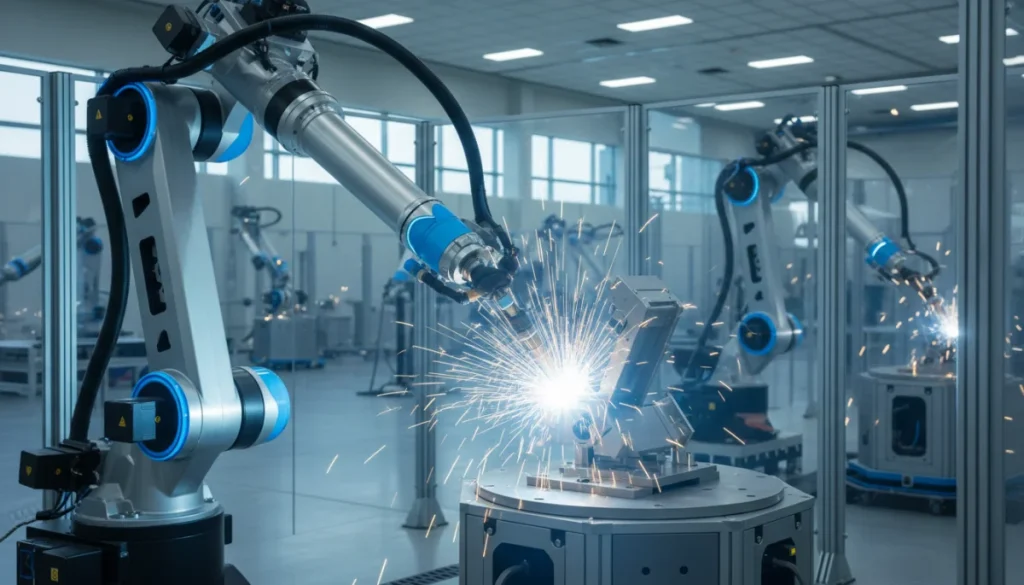
Robotic welding systems are revolutionizing the industry by enhancing precision, efficiency, and safety, marking a significant shift in manufacturing processes and creating new opportunities for skilled trades professionals.
Are you ready to explore how welding technology trends: robotic systems in the industry are reshaping the landscape of manufacturing and skilled trades? The integration of advanced robotics is no longer a futuristic concept but a present reality, driving unprecedented levels of precision, efficiency, and safety across various sectors. This deep dive will uncover the transformative power of automated welding, examining its evolution, current applications, and the promising future it holds for professionals in the field.
The evolution of welding automation
The journey of welding technology has been one of continuous innovation, moving from manual processes to sophisticated automated systems. This evolution reflects a persistent drive to improve quality, increase output, and enhance worker safety. Early forms of automation laid the groundwork, but the advent of robotics truly propelled the industry into a new era.
Initially, automation in welding involved simple mechanical fixtures and semi-automated machines that assisted operators. These systems, while beneficial, still required significant human intervention and lacked the adaptability needed for complex tasks. The real game-changer came with the introduction of industrial robots, which brought programmable precision and repeatability to the welding process, fundamentally altering how products are manufactured.
From manual to robotic precision
The transition from manual welding to robotic welding systems has been gradual but impactful. Manual welding, despite its artistry and flexibility, is highly dependent on operator skill, leading to variability in quality and speed. Robotic systems, on the other hand, offer unparalleled consistency.
- Increased Consistency: Robots perform welds with exact specifications every time, minimizing defects.
- Enhanced Speed: Automated systems can operate continuously and at higher speeds than human welders.
- Improved Safety: Removing human operators from hazardous welding environments significantly reduces workplace injuries.
- Cost Efficiency: While initial investment can be high, long-term savings in labor, materials, and rework are substantial.
This shift has not only boosted productivity but has also elevated the quality standards across industries, making robotic welding a cornerstone of modern manufacturing. The ability of robots to handle repetitive, dangerous, or ergonomically challenging tasks allows human operators to focus on more complex, supervisory, or creative roles.
In conclusion, the evolution of welding automation, particularly with the rise of robotic systems, marks a pivotal moment in industrial history. It underscores a commitment to innovation, safety, and efficiency, setting new benchmarks for productivity and quality in manufacturing.
Current applications of robotic welding
Robotic welding systems are no longer confined to niche applications; they are now ubiquitous across a multitude of industries, proving their versatility and indispensability. From automotive assembly lines to aerospace manufacturing and heavy machinery production, robots are performing critical welding tasks with remarkable precision and consistency. This widespread adoption highlights their capacity to handle diverse materials and complex geometries, adapting to the specific demands of each sector.
The automotive industry, for instance, has been a pioneer in integrating robotic welding, relying on these systems for everything from chassis assembly to intricate body panel fabrication. The demand for high-volume production and stringent quality control makes robots an ideal solution. Similarly, in the aerospace sector, where precision and material integrity are paramount, robotic welders ensure that components meet the rigorous safety and performance standards required for flight.
Robots in diverse industrial settings
The adaptability of robotic welding extends beyond high-volume production. Small to medium-sized enterprises (SMEs) are also increasingly leveraging these technologies to enhance their competitive edge. The modularity and programming flexibility of modern robotic systems allow them to be integrated into existing workflows without extensive overhauls.
- Automotive Manufacturing: Assembly of vehicle frames, exhaust systems, and structural components.
- Aerospace Industry: Welding of aircraft components, engine parts, and structural elements where high integrity is crucial.
- Heavy Equipment: Fabrication of large machinery, agricultural equipment, and construction vehicles.
- Medical Devices: Precision welding of delicate and intricate components for medical instruments and implants.
These applications demonstrate that robotic welding is not just about speed, but also about the ability to perform highly specialized tasks that would be challenging or impossible for human welders to replicate consistently. The ability to switch between different welding processes—such as MIG, TIG, or laser welding—with minimal downtime further enhances their utility.
In summary, the current applications of robotic welding systems are vast and continue to expand, showcasing their crucial role in modern manufacturing across various industries. Their ability to deliver precision, speed, and consistency makes them an invaluable asset for businesses aiming to optimize production and maintain high-quality standards.
Benefits and challenges of robotic integration
Integrating robotic welding systems into manufacturing processes offers a myriad of benefits, significantly impacting productivity, quality, and workplace safety. However, this transformative shift also comes with its own set of challenges that organizations must address to ensure successful implementation and maximize return on investment. Understanding both sides of the coin is crucial for any business considering automation.
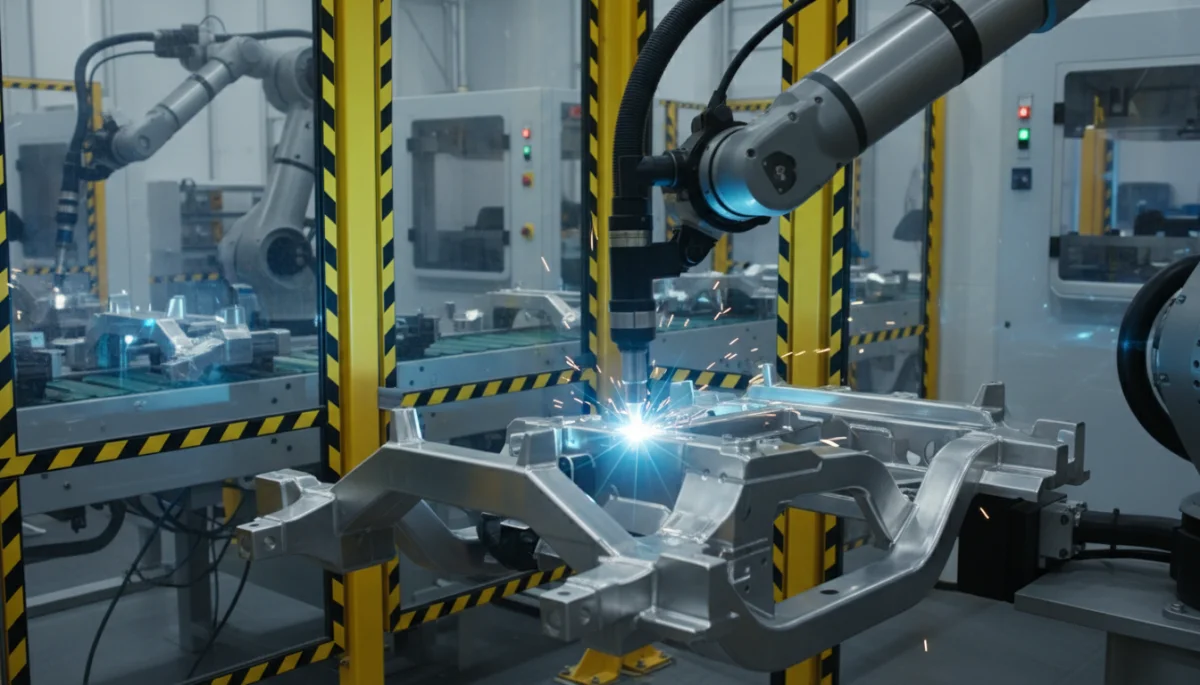
On the positive side, the gains in efficiency are often immediate and substantial. Robots can work tirelessly without breaks, maintaining a consistent pace and quality that is difficult for human operators to match over extended periods. This leads to higher throughput and reduced lead times. Furthermore, the precision of robotic welds minimizes defects, reducing rework and material waste, which translates into significant cost savings.
Overcoming implementation hurdles
Despite the clear advantages, the path to robotic integration is not without obstacles. The initial capital investment for purchasing and setting up robotic welding cells can be substantial, posing a barrier for smaller businesses. Additionally, the complexity of programming and maintaining these systems requires a skilled workforce, often necessitating new training programs or the hiring of specialized personnel.
- Initial Investment: High upfront costs for robots, tooling, and safety infrastructure.
- Skilled Labor Demand: Need for trained programmers, operators, and maintenance technicians.
- Integration Complexity: Challenges in seamlessly integrating robots with existing production lines and software systems.
- Maintenance and Downtime: Ensuring regular maintenance and minimizing unexpected downtime to maintain productivity.
Addressing these challenges requires careful planning, a clear understanding of long-term goals, and a commitment to investing in both technology and human capital. Many companies are finding that the long-term benefits of increased productivity, improved quality, and enhanced safety far outweigh the initial hurdles, making robotic welding a worthwhile endeavor.
In conclusion, while the integration of robotic welding systems presents both significant benefits and notable challenges, the strategic advantages in efficiency, quality, and safety make it an increasingly attractive and necessary investment for modern manufacturing. Careful planning and investment in human capital are key to successful implementation.
Advanced features in modern robotic welding
Modern robotic welding systems are far more sophisticated than their predecessors, incorporating advanced features that elevate their performance and adaptability. These innovations are driven by the need for greater precision, flexibility, and intelligence in manufacturing processes. From enhanced sensing capabilities to artificial intelligence integration, the latest advancements are pushing the boundaries of what automated welding can achieve, further solidifying the role of robotics in the industry.
One of the most significant advancements is the integration of vision systems. These systems allow robots to “see” the workpiece, detect variations, and adjust their welding paths in real-time. This capability is crucial for handling parts with slight inconsistencies or for performing welds on complex, non-uniform surfaces, significantly improving weld quality and reducing the need for perfect part presentation.
Key innovations driving performance
Beyond vision systems, other technological advancements are contributing to the superior performance of modern robotic welders. These features are designed to make robots more autonomous, versatile, and easier to integrate into diverse production environments.
- Adaptive Welding: Robots can dynamically adjust parameters like voltage, wire feed speed, and travel speed based on real-time feedback from sensors.
- Offline Programming: Enables engineers to program welding paths and parameters in a virtual environment, reducing downtime on the production floor.
- Collaborative Robots (Cobots): Designed to work safely alongside human operators, facilitating more flexible automation solutions.
- Artificial Intelligence and Machine Learning: Used for predictive maintenance, optimizing welding parameters, and identifying potential defects before they occur.
These advanced features not only improve the quality and efficiency of the welding process but also make robotic systems more accessible and adaptable to a wider range of manufacturing challenges. The ability of robots to learn and adapt autonomously is particularly transformative, paving the way for even more intelligent factories.
To summarize, modern robotic welding systems are equipped with advanced features such as vision systems, adaptive welding, and AI integration, which significantly enhance their precision, flexibility, and overall performance. These innovations are critical for meeting the evolving demands of contemporary manufacturing.
Impact on skilled trades and workforce development
The rise of robotic welding systems has inevitably sparked discussions about their impact on the skilled trades workforce. While some concerns about job displacement are valid, a more nuanced perspective reveals that automation is not merely replacing human labor but rather transforming the nature of work. It is creating new roles, demanding new skills, and emphasizing the importance of continuous learning and adaptation for professionals in the welding industry.
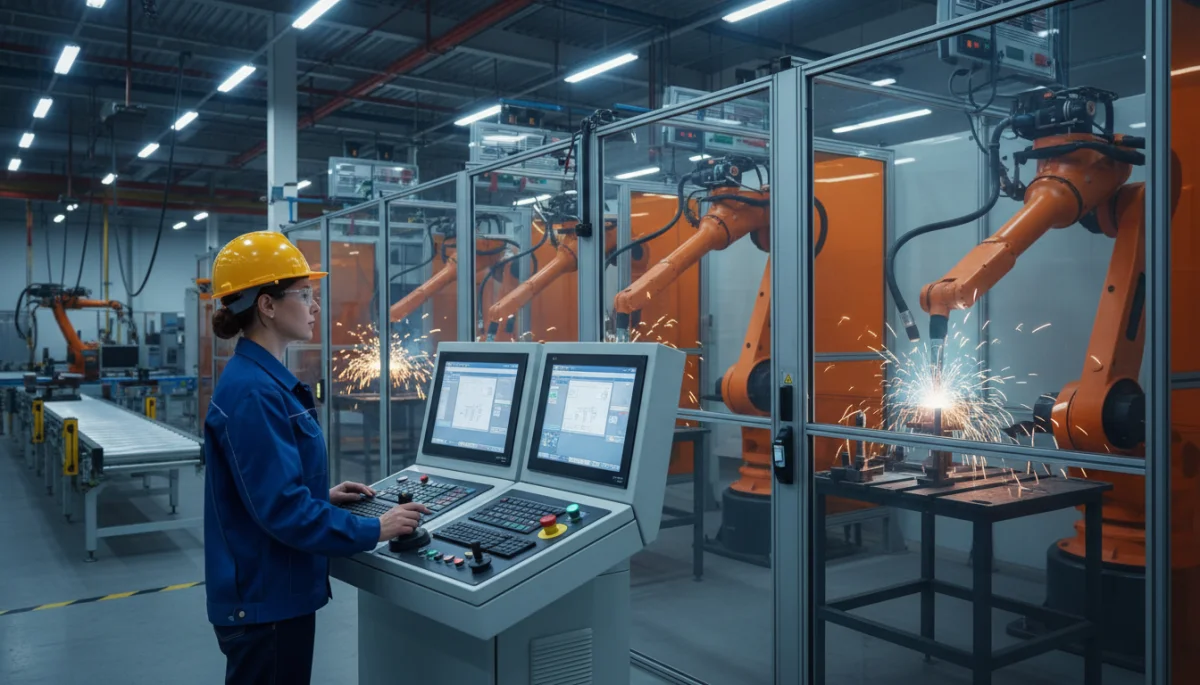
Instead of eliminating jobs, robotic welding is shifting the focus from manual welding tasks to roles that involve programming, operating, maintaining, and troubleshooting these advanced systems. This requires a different skill set, moving beyond traditional welding techniques to include knowledge of robotics, automation, software, and data analysis. The demand for “robot wranglers” and automation specialists is growing rapidly, opening up new career paths for skilled tradespeople.
New roles and training opportunities
For the workforce, this transformation means a need for upskilling and reskilling. Educational institutions and industry training programs are evolving to meet these new demands, offering courses in robotic programming, advanced manufacturing techniques, and automation maintenance. These programs are crucial for preparing the next generation of skilled trades professionals to thrive in an automated environment.
- Robotics Technicians: Responsible for installation, calibration, and maintenance of robotic systems.
- Automation Engineers: Design, implement, and optimize automated welding processes.
- Robotic Weld Programmers: Develop and refine welding programs for various applications.
- Quality Control Specialists: Utilize data from robotic systems to monitor and ensure weld quality.
The emphasis is now on human-robot collaboration, where human intelligence and problem-solving abilities complement the speed and precision of machines. This synergy leads to more efficient, safer, and higher-quality production outcomes. The future workforce in welding will be characterized by adaptability, technological literacy, and a strong understanding of integrated systems.
In conclusion, robotic welding systems are transforming skilled trades by creating new roles and demanding advanced technical skills, rather than simply replacing human workers. This necessitates focused workforce development and continuous learning to leverage human-robot collaboration effectively.
The future outlook for robotic welding
The trajectory for robotic welding systems points towards continued growth and increasingly sophisticated capabilities. As technology advances, we can expect to see even more intelligent, versatile, and autonomous welding robots that will further revolutionize manufacturing processes. The future outlook is characterized by greater integration with broader digital ecosystems, enhanced collaborative features, and the widespread adoption of AI and machine learning to optimize every aspect of the welding operation.
One of the key trends anticipated is the proliferation of collaborative robots (cobots) in welding. These robots are designed to work safely alongside human operators without the need for extensive safety guarding, offering greater flexibility for tasks that require human oversight or intervention. This will enable smaller businesses to adopt automation more easily and allow for more dynamic production environments where human and machine work in seamless harmony.
Emerging technologies and market expansion
Several emerging technologies are poised to shape the next generation of robotic welding. These innovations promise to make systems more efficient, adaptive, and capable of handling even more complex and variable tasks.
- AI-Driven Optimization: Machine learning algorithms will continuously refine welding parameters for optimal quality and speed, even predicting and preventing defects.
- Advanced Sensor Fusion: Integration of multiple sensor types (vision, thermal, force) for a more comprehensive understanding of the welding environment and workpiece.
- Cloud Robotics: Robots connected to cloud platforms will share data and learn from each other, enabling faster deployment of new processes and improvements.
- Additive Manufacturing Integration: Robotic welding will play a crucial role in hybrid manufacturing processes that combine additive and subtractive techniques.
The market for robotic welding is expected to expand significantly, driven by increasing automation demands in developing economies and the ongoing pursuit of efficiency and quality in established industrial nations. As these technologies become more accessible and cost-effective, their adoption will accelerate across an even broader range of applications and industries.
In summary, the future of robotic welding is bright, with continuous advancements in AI, collaborative robotics, and sensor technologies promising even greater efficiency, versatility, and autonomy. These innovations will drive market expansion and further integrate robotic systems into the digital manufacturing landscape.
| Key Point | Brief Description |
|---|---|
| Evolution of Automation | Shift from manual/semi-automated to precise, programmable robotic systems. |
| Current Applications | Widespread use in automotive, aerospace, heavy equipment, and medical devices. |
| Benefits & Challenges | Offers efficiency and quality, but requires high investment and skilled labor. |
| Impact on Workforce | Creates new roles for programmers and technicians, necessitating upskilling. |
Frequently asked questions about robotic welding
Robotic welding offers significant advantages such as superior consistency, higher production speeds, and enhanced safety by removing human operators from hazardous environments. It also leads to reduced material waste and lower long-term operational costs due to minimized defects and continuous operation.
Robotic systems improve product quality through precise control over welding parameters, ensuring uniform bead geometry and penetration every time. Advanced features like vision systems allow real-time adjustments, compensating for minor variations in parts and consistently delivering high-quality, defect-free welds.
Essential skills include robotic programming, understanding automation software, basic electrical and mechanical maintenance, and data analysis for process optimization. Traditional welding knowledge combined with a strong grasp of digital tools and problem-solving abilities are increasingly valuable for technicians and engineers.
Absolutely. Modern robotic welding systems, especially collaborative robots (cobots), are becoming more affordable and easier to integrate. SMBs can leverage these systems to increase production efficiency, improve product quality, and stay competitive, even with smaller production volumes or more varied tasks.
Future trends include greater integration of AI and machine learning for predictive maintenance and self-optimization, enhanced human-robot collaboration, and advanced sensor fusion for improved adaptability. Cloud robotics and hybrid manufacturing processes are also expected to expand, making systems more intelligent and interconnected.
Conclusion
The journey through welding technology trends, particularly the ascent of robotic systems in the industry, reveals a landscape rapidly evolving towards greater efficiency, precision, and safety. From the foundational shift away from manual processes to the sophisticated integration of AI and collaborative robotics, automation is not just a passing trend but a fundamental transformation of manufacturing. While challenges related to initial investment and workforce reskilling persist, the long-term benefits in terms of productivity, quality, and competitive advantage are undeniable. The future of welding is undeniably intertwined with robotic innovation, creating new opportunities and demanding a skilled, adaptive workforce ready to embrace these technological advancements. As industries continue to seek optimized production methods, robotic welding will remain at the forefront, driving progress and redefining the boundaries of what’s possible in fabrication.
