Forecasting U.S. Convention Center Demand: Event Trends & Bookings
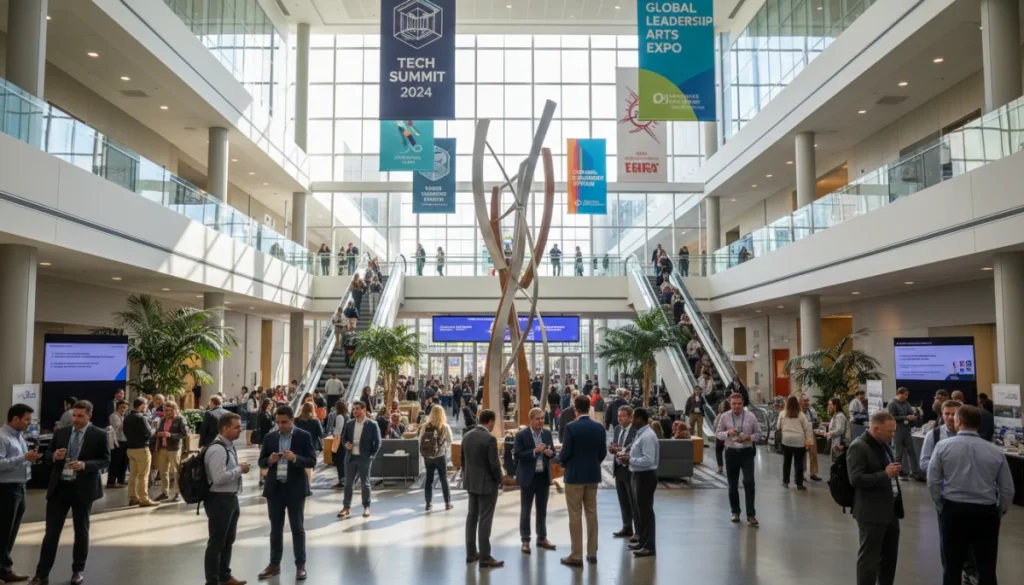
Forecasting demand for U.S. convention centers involves analyzing event trends and booking patterns to predict future activity and ensure strategic planning within the dynamic hospitality sector.
Understanding the future of the hospitality sector, particularly for large-scale venues, hinges on effective convention center demand forecasting. This article delves into the intricate analysis of event trends and booking patterns crucial for U.S. convention centers, offering insights into strategic planning and operational adjustments in a constantly evolving market.
The Evolving Landscape of U.S. Convention Centers
The U.S. convention center landscape is a dynamic ecosystem, constantly adapting to economic shifts, technological advancements, and changing attendee preferences. From large international conferences to specialized trade shows, these venues are critical economic drivers for their host cities, generating significant revenue through tourism, accommodation, and local services. Predicting their future demand requires a multifaceted approach, considering both historical data and forward-looking indicators.
Key Drivers of Convention Center Demand
Several factors influence the demand for convention center space. Economic health, industry-specific trends, and the competitive environment all play significant roles. Understanding these drivers is the first step in building robust forecasting models.
- Economic Indicators: GDP growth, employment rates, and consumer confidence directly impact corporate spending on events and travel budgets.
- Industry Growth: The health and expansion of key industries (e.g., technology, healthcare, manufacturing) often correlate with increased demand for professional gatherings.
- Technological Advancements: Virtual and hybrid event capabilities have reshaped how and where events occur, influencing in-person attendance.
- Infrastructure and Accessibility: The availability of hotels, transportation networks, and local attractions enhances a city’s appeal as an event destination.
The interplay of these elements creates a complex web of influences that convention center operators and city planners must continuously monitor. A deep dive into each driver reveals nuanced insights crucial for accurate predictions.
Ultimately, the health of the convention center industry is a barometer for broader economic and social trends. By carefully dissecting these influences, stakeholders can develop more informed strategies for growth and resilience. This foundational understanding sets the stage for more granular analysis of event trends.
Analyzing Current Event Trends and Their Impact
Current event trends provide immediate feedback on the state of the convention industry and offer clues about future trajectories. Observing shifts in event types, sizes, and formats is essential for any demand forecasting effort. The post-pandemic era, in particular, has seen significant transformations in how events are conceived and executed.
Shifts in Event Formats and Attendee Expectations
The rise of hybrid events, combining in-person and virtual components, has become a prominent trend. This format allows for broader reach and accessibility but also presents challenges for traditional attendance metrics and revenue models. Attendees now expect seamless integration of technology, personalized experiences, and a strong return on their time investment.
- Hybrid Event Dominance: Many organizers now offer both physical and virtual attendance, impacting physical space requirements.
- Focus on Experience: Events prioritize immersive and interactive experiences over passive information consumption.
- Sustainability Initiatives: Green practices and environmentally conscious event planning are increasingly important to attendees and organizers.
- Health and Safety Protocols: Enhanced health measures remain a consideration, influencing venue design and operational logistics.
These evolving expectations necessitate flexibility from convention centers, requiring investments in technology, adaptable spaces, and staff training. Venues that can quickly pivot and offer customized solutions are better positioned to attract and retain events.
Beyond format, the content and purpose of events are also evolving. There’s a growing emphasis on networking, collaborative learning, and fostering community, which influences the types of spaces and services needed. Adapting to these shifts is not just about survival, but about thriving in a competitive environment.
Understanding Booking Patterns and Lead Times
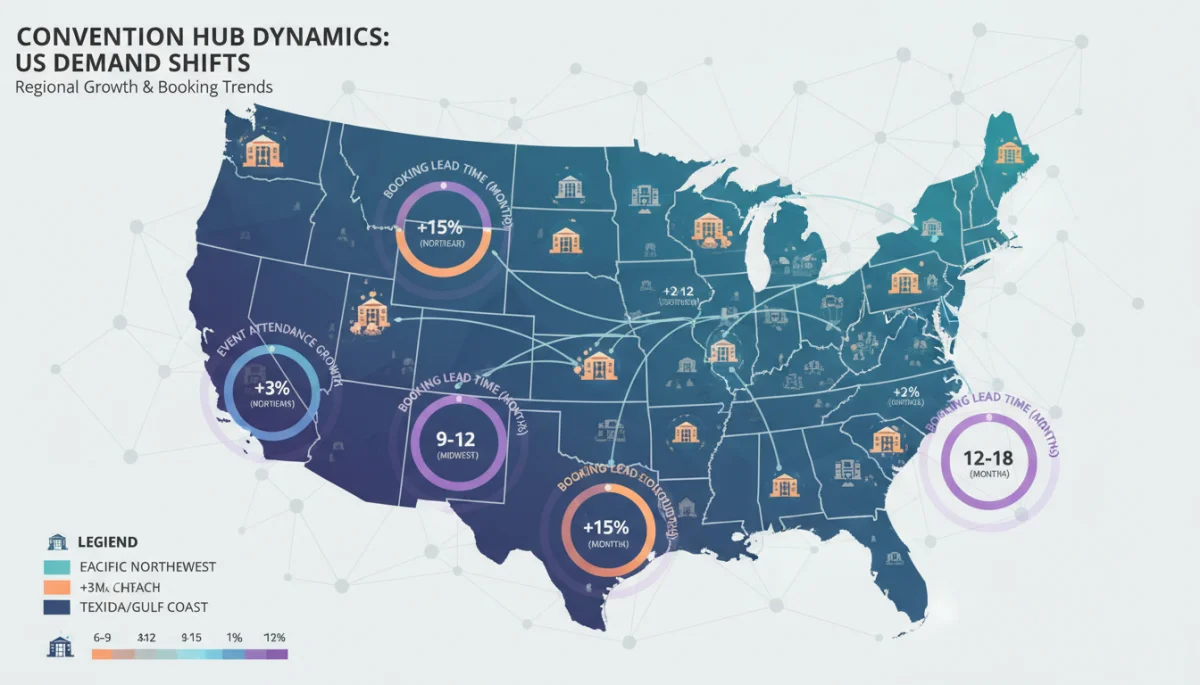
Booking patterns and lead times are fundamental data points for forecasting future demand. The duration between an event booking and its actual occurrence, along with the volume and type of bookings, offers direct insights into future occupancy and revenue. These patterns can vary significantly by event size, industry, and economic climate.
Factors Influencing Booking Lead Times
Lead times for convention center bookings can range from a few months for smaller meetings to several years for major international conferences. Several factors contribute to these variations:
- Event Size and Complexity: Larger, more complex events naturally require longer planning horizons.
- Industry Sector: Certain industries have annual cycles for their major conventions, leading to predictable booking patterns.
- Economic Stability: During periods of economic uncertainty, organizations may delay bookings or opt for shorter lead times.
- Venue Availability: Highly sought-after venues often command longer lead times due to high demand.
Analyzing historical booking data, including cancellations and rebookings, is crucial. This provides a baseline for understanding typical lead times and identifying any emerging trends that might indicate future shifts. For instance, a consistent shortening of lead times across multiple event types could signal increased market volatility or a strategic shift by organizers.
Furthermore, understanding the competitive landscape is vital. How do lead times at your convention center compare to those of competitors? Are there specific types of events where you consistently have longer or shorter lead times? These questions help refine forecasting models and identify opportunities for market positioning. The insights gleaned from these patterns directly inform capacity planning and resource allocation.
Leveraging Data Analytics for Accurate Predictions
In today’s data-rich environment, leveraging advanced analytics is paramount for accurate convention center demand forecasting. Moving beyond simple historical averages, sophisticated models can incorporate a multitude of variables to generate more precise and actionable predictions. This involves collecting, processing, and interpreting vast amounts of data from various sources.
Key Data Sources and Analytical Techniques
Effective data analytics for demand forecasting relies on a blend of internal and external data. Internal data includes past booking records, revenue figures, attendee numbers, and operational costs. External data encompasses economic forecasts, industry reports, competitor activity, and even social media sentiment related to events and travel.
- Historical Booking Data: Analyzing past occupancy rates, event types, and revenue generated to identify seasonal and cyclical patterns.
- Economic Forecasts: Integrating macroeconomic predictions (e.g., GDP, employment) to anticipate broader market conditions.
- Market Research: Understanding industry-specific growth, technological shifts, and emerging event formats.
- Predictive Modeling: Employing statistical methods like regression analysis, time series forecasting, and machine learning algorithms to identify future trends.
The application of these techniques allows forecasters to move beyond simple extrapolation, accounting for complex interdependencies and non-linear relationships in the data. For example, machine learning models can identify subtle patterns in booking behavior that might be missed by traditional methods, leading to more robust predictions.
However, the quality of the output is only as good as the input. Ensuring data accuracy, consistency, and completeness is a continuous challenge. Investing in robust data collection systems and skilled analytical talent is critical for convention centers aiming to optimize their forecasting capabilities. The goal is not just to predict, but to understand the underlying drivers of those predictions.
Strategic Planning Based on Forecasted Demand
Accurate demand forecasts are not an end in themselves; they are a vital input for strategic planning across all facets of convention center operations. From staffing and marketing to capital investments and facility upgrades, every major decision should be informed by a clear understanding of future demand. This proactive approach ensures resources are allocated efficiently and opportunities are maximized.
Operational and Investment Strategies
When forecasts indicate growth, convention centers can strategically invest in expanding capacity, upgrading technology, or enhancing amenities. Conversely, if forecasts suggest a downturn, strategies might focus on optimizing existing resources, diversifying revenue streams, or targeting niche markets. Key areas of strategic planning include:
- Capacity Management: Adjusting staffing levels, optimizing space utilization, and planning for future expansions or renovations.
- Marketing and Sales: Tailoring marketing campaigns to target segments identified by demand forecasts and adjusting pricing strategies.
- Technology Adoption: Investing in virtual event platforms, advanced AV equipment, and attendee engagement tools to meet evolving demands.
- Partnership Development: Forging stronger relationships with hotels, local businesses, and destination marketing organizations to offer comprehensive packages.
A well-defined strategic plan, informed by robust demand forecasting, allows convention centers to remain agile and competitive. It provides a roadmap for navigating market fluctuations and seizing new opportunities. This also includes contingency planning for unexpected events, ensuring resilience in the face of uncertainty.
Ultimately, strategic planning based on forecasted demand transforms convention centers from reactive entities into proactive market leaders. It enables them to anticipate needs, innovate services, and consistently deliver value to organizers and attendees alike, solidifying their role as economic anchors in their communities.
Challenges and Future Outlook for U.S. Convention Centers
Despite advancements in forecasting and strategic planning, U.S. convention centers face ongoing challenges. The rapid pace of technological change, evolving attendee expectations, and global economic volatility all present hurdles. However, these challenges also open doors for innovation and new growth opportunities.
Navigating the Road Ahead
One of the primary challenges is the continued integration of technology. While hybrid events offer flexibility, they also demand significant investment in infrastructure and expertise. Ensuring a seamless experience for both in-person and virtual attendees is crucial for maintaining relevance. Another challenge lies in sustainability, with increasing pressure from clients and communities to adopt eco-friendly practices.
- Technological Integration: Keeping pace with rapid advancements in event technology and digital engagement tools.
- Sustainability Demands: Implementing green initiatives and reducing environmental impact to meet stakeholder expectations.
- Workforce Development: Attracting and retaining skilled talent capable of managing complex, tech-driven events.
- Global Competition: Competing with international venues that may offer unique experiences or cost advantages.
The future outlook for U.S. convention centers remains cautiously optimistic. While challenges persist, the inherent human desire for in-person connection and collaboration ensures a continued need for physical gathering spaces. The centers that will thrive are those that embrace innovation, prioritize sustainability, and adapt their offerings to meet the evolving needs of the event industry.
Furthermore, collaboration with local tourism boards, government entities, and private sector partners will be key to fostering a supportive ecosystem for events. By working together, stakeholders can enhance a city’s appeal as a destination and ensure the long-term vitality of its convention center. The road ahead requires resilience, foresight, and a commitment to continuous improvement.
| Key Point | Brief Description |
|---|---|
| Demand Drivers | Economic health, industry growth, technology, and infrastructure significantly influence convention center demand. |
| Event Trends | Hybrid formats, experiential focus, and sustainability are reshaping modern event expectations and execution. |
| Booking Patterns | Lead times vary by event size and industry, crucial for predicting future occupancy and revenue. |
| Data Analytics | Advanced models using internal and external data are essential for precise and actionable demand predictions. |
Frequently Asked Questions About Convention Center Demand
Primary factors include the overall economic health, specific industry growth, technological advancements in event formats like hybrid models, and the quality of local infrastructure such as hotels and transportation. These elements collectively shape the attractiveness and viability of a city as an event destination for organizers and attendees.
Event trends have significantly shifted towards hybrid formats, combining in-person and virtual components. There’s a greater emphasis on creating immersive, experiential content, prioritizing sustainability, and ensuring robust health and safety protocols. Attendees also expect personalized experiences and seamless technological integration, driving innovation in venue offerings.
Booking patterns and lead times are crucial because they directly indicate future occupancy and revenue. Analyzing the duration between an event’s booking and its execution helps centers understand market confidence, planning cycles, and anticipate capacity needs. Variations in lead times can signal economic shifts or changes in event planning strategies by organizations.
Data analytics plays a critical role by enabling more precise and actionable predictions. It involves collecting and interpreting vast amounts of internal data (bookings, revenue) and external data (economic forecasts, market research) using advanced statistical and machine learning models. This helps identify complex patterns and dependencies that traditional methods might miss.
Major challenges include the continuous need for technological integration to support hybrid events, increasing demands for sustainability, and attracting and retaining a skilled workforce. Additionally, global competition and adapting to rapidly changing attendee expectations pose ongoing hurdles. Centers must innovate and collaborate to overcome these obstacles effectively.
Conclusion
The intricate process of forecasting demand for U.S. convention centers is more critical than ever in a rapidly evolving hospitality landscape. By meticulously analyzing event trends, understanding booking patterns, and leveraging sophisticated data analytics, convention centers can develop robust strategic plans. These plans enable them to adapt to challenges, embrace innovation, and ensure long-term vitality, ultimately reinforcing their role as essential economic engines for their communities and the broader U.S. economy.
