Cybersecurity Protocols for Your Remote US Workspace
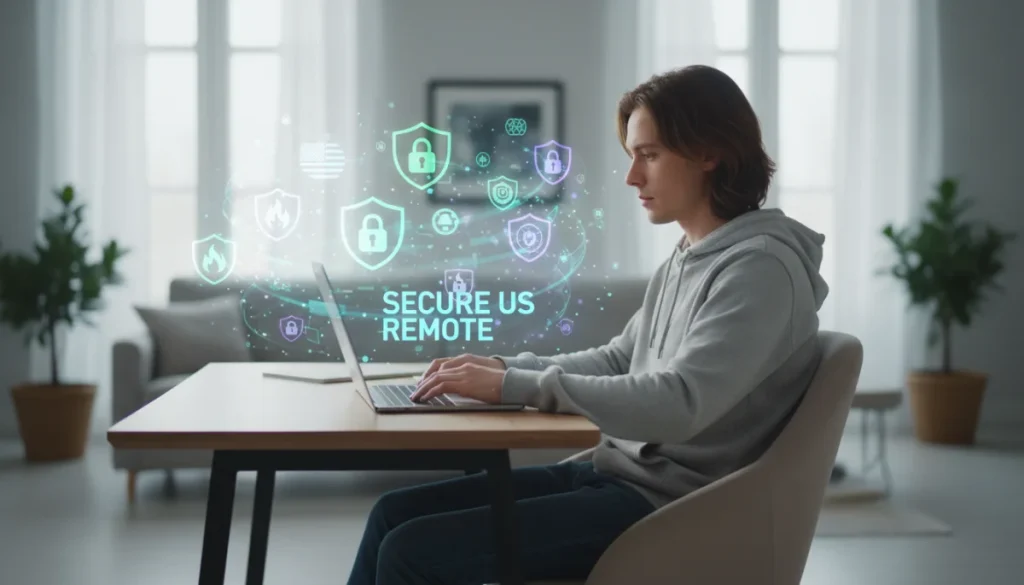
Implementing robust remote cybersecurity protocols is crucial for protecting sensitive information and maintaining operational integrity in any US-based remote workspace, ensuring secure data handling and network access.
In today’s interconnected world, remote work has become a cornerstone of the US economy, offering flexibility and efficiency. However, this shift brings unique challenges, particularly regarding digital safety. Establishing strong cybersecurity protocols for your remote US workspace is not just a best practice; it’s a fundamental necessity to safeguard sensitive information and maintain operational continuity.
Understanding the Remote Work Security Landscape
The rapid expansion of remote work has transformed traditional office environments, extending the digital perimeter far beyond the physical confines of a company building. This distributed model, while offering immense benefits, also introduces a complex array of cybersecurity vulnerabilities that demand careful attention. Understanding this evolving landscape is the first step toward building a resilient defense.
Remote workers often operate outside the protective layers of corporate firewalls and managed networks. This means personal home networks, public Wi-Fi, and individual devices become potential entry points for cyber threats. The distinction between personal and professional digital lives can blur, creating opportunities for attackers to exploit weaker personal security habits.
Common Threats to Remote Work Environments
Several prevalent threats specifically target remote setups, making it crucial for individuals and organizations alike to be aware and prepared. These threats range from sophisticated attacks to simple human error, each capable of compromising data and systems.
- Phishing and Social Engineering: Remote workers are often targeted with convincing phishing emails or social engineering tactics, as they might lack the immediate peer validation available in an office.
- Unsecured Networks: Using insecure home Wi-Fi or public networks without proper protection can expose sensitive data to interception.
- Malware and Ransomware: Malicious software can easily spread through unpatched systems or downloaded from untrustworthy sources, encrypting data or granting unauthorized access.
- Device Theft or Loss: Laptops, smartphones, and other devices containing company data are more susceptible to theft when used outside a secure office environment.
The remote work security landscape is dynamic, constantly evolving with new threats and technologies. A proactive and adaptive approach is essential to mitigate risks effectively. This involves not only implementing technical safeguards but also fostering a strong culture of security awareness among all remote employees.
Establishing Secure Network Connections
A secure network connection is the bedrock of any robust remote cybersecurity strategy. Without it, all other security measures can be undermined. Remote workers must be able to access company resources and transmit data safely, regardless of their physical location. This requires a multi-faceted approach to network security.
The primary goal is to create a private, encrypted tunnel between the remote worker’s device and the company’s network. This prevents unauthorized interception of data and ensures that all communications remain confidential and integral. VPNs are the cornerstone of achieving this secure connectivity, but their implementation must be carefully managed.
The Indispensable Role of VPNs
Virtual Private Networks (VPNs) are critical for remote access, encrypting internet traffic and masking IP addresses. They establish a secure connection over a less secure network, such as the internet. For remote US workspaces, a reliable VPN is non-negotiable.
- Mandatory VPN Use: All remote employees should be required to use a company-provided VPN for accessing corporate resources.
- Strong Encryption Protocols: Ensure the VPN uses modern, strong encryption standards (e.g., AES-256) and secure tunneling protocols (e.g., OpenVPN, IKEv2/IPsec).
- Split Tunneling Considerations: Decide whether to implement split tunneling (allowing some traffic to bypass the VPN) carefully, weighing convenience against potential security risks.
Beyond VPNs, securing the local network at the remote worker’s home is equally important. This often involves simple yet effective measures that can significantly reduce vulnerability. Educating employees on these practices is key to maintaining a strong security posture.
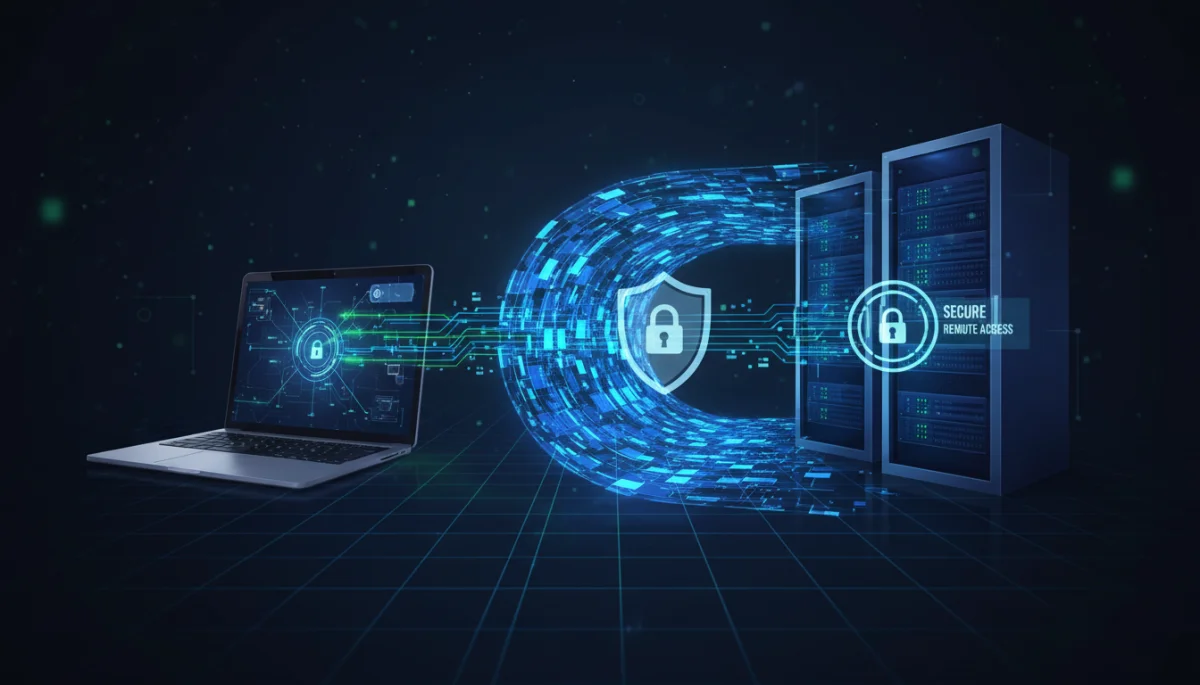
Home Wi-Fi networks, by default, may not be configured with optimal security settings. Employees should be guided on how to strengthen their router security, which acts as the first line of defense for their home network. This includes changing default credentials and updating firmware regularly.
Ensuring secure network connections is an ongoing process that requires both technological solutions and user education. By prioritizing VPN usage, strong encryption, and local network hygiene, organizations can significantly reduce the risk of data breaches and unauthorized access in their remote US workspaces.
Device and Data Protection Strategies
Protecting devices and the data they contain is paramount in a remote work environment. With employees using various devices from diverse locations, the potential attack surface expands significantly. Comprehensive strategies are needed to ensure that endpoints are secure and sensitive information remains confidential and intact.
Device protection goes beyond just installing antivirus software; it encompasses a holistic approach to managing and securing all endpoints that connect to the company network. This includes laptops, desktops, tablets, and even smartphones, each presenting its own set of vulnerabilities that must be addressed.
Endpoint Security and Management
Effective endpoint security is crucial for remote workers. This involves a combination of software, policies, and regular maintenance to guard against malware, unauthorized access, and data loss. Devices must be configured to meet corporate security standards before being used for remote work.
- Antivirus and Anti-malware: Install and maintain robust, centrally managed antivirus and anti-malware solutions on all corporate-issued devices.
- Firewall Configuration: Ensure personal firewalls are enabled and properly configured on all remote devices to restrict unauthorized network access.
- Regular Updates and Patching: Implement a strict policy for operating system, application, and firmware updates to address known vulnerabilities promptly.
- Device Encryption: Mandate full disk encryption (e.g., BitLocker, FileVault) for all laptops and portable devices to protect data in case of loss or theft.
Beyond device-level security, data protection extends to how information is stored, accessed, and shared. Cloud services, while convenient, introduce new considerations for data sovereignty and compliance, especially for US-based operations.
Data loss prevention (DLP) solutions can help monitor and control data movement, preventing sensitive information from leaving the corporate network or being stored in unapproved locations. This is particularly important when employees are working from personal devices or using consumer-grade cloud storage solutions.
Ultimately, a strong device and data protection strategy for remote US workspaces integrates technology with clear policies and ongoing employee training. By securing endpoints and managing data flow, organizations can minimize the risk of breaches and maintain trust.
Implementing Strong Authentication and Access Controls
Controlling who can access what, and how, is fundamental to cybersecurity. In a remote setup, traditional physical access controls are absent, making digital authentication and authorization even more critical. Strong authentication mechanisms prevent unauthorized individuals from gaining access to systems and data.
Identity and access management (IAM) solutions form the backbone of these controls, ensuring that only verified users can access specific resources based on their roles and permissions. This is particularly important for remote US workspaces where access might be attempted from various, potentially unsecured, locations.
Multi-Factor Authentication (MFA) as a Standard
Multi-Factor Authentication (MFA) adds a crucial layer of security beyond just a password. It requires users to provide two or more verification factors to gain access to an application, online account, or VPN. This significantly reduces the risk of credential compromise.
- Mandatory for All Systems: Implement MFA for all critical systems, including VPNs, cloud applications, email, and internal corporate networks.
- Diverse Factor Options: Offer various MFA methods like authenticator apps, hardware tokens, or biometric verification, avoiding less secure SMS-based options where possible.
- Regular Review: Periodically review MFA configurations and user enrollments to ensure all employees are protected and to remove access for departed personnel.
Beyond MFA, granular access controls ensure that even if an attacker gains access to one account, their lateral movement within the network is severely restricted. This principle of least privilege is vital in minimizing the impact of a breach.
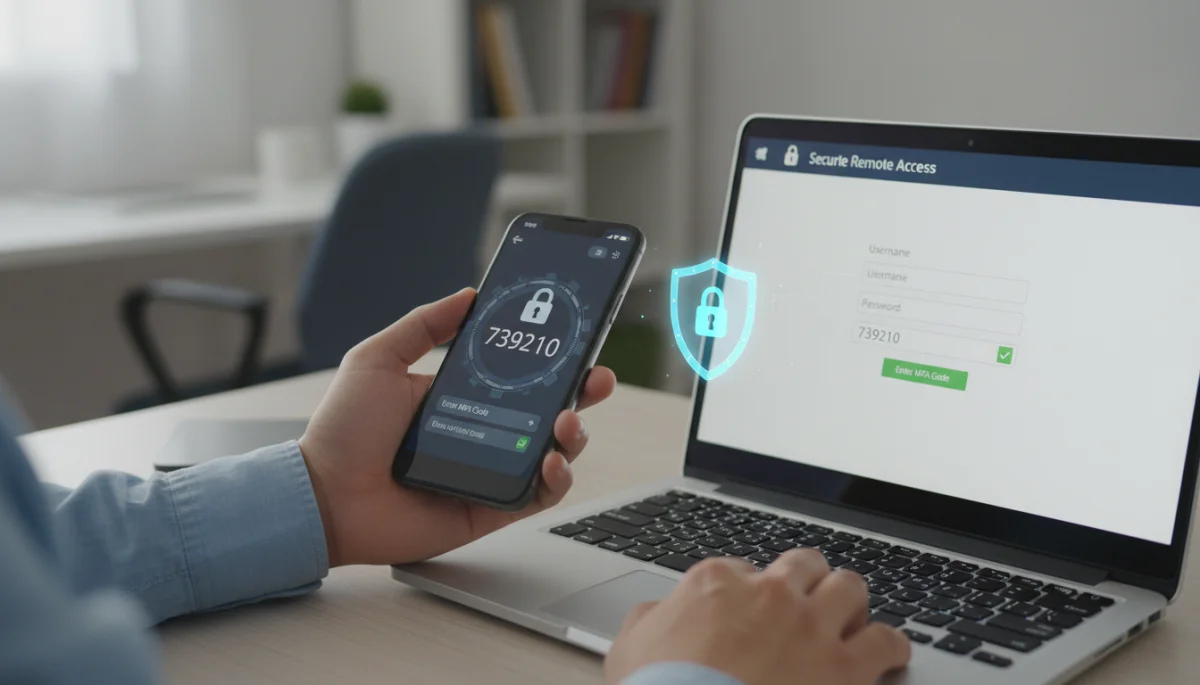
Regular audits of user permissions and access logs are also essential to identify any anomalous activity or over-privileged accounts. Automated tools can assist in this, flagging suspicious behavior that might indicate a compromise. This proactive monitoring is a key component of a robust access control strategy.
By making MFA a mandatory standard and carefully managing access controls, organizations can significantly strengthen their cybersecurity posture for remote US workspaces, protecting against unauthorized access and safeguarding sensitive information.
Employee Training and Security Awareness
Technology alone cannot guarantee complete security; the human element remains a critical factor. Employees are often the first line of defense, and their awareness and adherence to security best practices are paramount. A well-trained workforce is less likely to fall victim to cyberattacks and more likely to report suspicious activities.
Security awareness training should not be a one-time event but rather an ongoing program that adapts to new threats and technologies. It needs to be engaging, relevant, and easily digestible for all remote employees, regardless of their technical proficiency. The goal is to cultivate a security-first mindset.
Cultivating a Security-First Culture
Regular and comprehensive training sessions are essential to keep remote employees informed about the latest cyber threats and how to mitigate them. This proactive approach empowers individuals to make secure decisions in their daily work, reinforcing the importance of cybersecurity protocols for your remote US workspace.
- Phishing Simulation: Conduct regular phishing simulations to test employee vigilance and provide immediate feedback on identifying malicious emails.
- Password Management Best Practices: Train employees on creating strong, unique passwords and the importance of using password managers.
- Secure Device Handling: Educate on the secure use and storage of company devices, especially when working in public spaces or traveling.
- Incident Reporting Procedures: Ensure all employees know how and when to report potential security incidents, no matter how small they seem.
Beyond formal training, fostering an open communication channel where employees feel comfortable asking questions and reporting concerns without fear of reprisal is crucial. This encourages a collective responsibility for security.
Simple reminders, security tips in internal newsletters, and accessible resources can reinforce training messages. The aim is to embed security practices into the daily routine of every remote worker, making it a natural part of their workflow.
By investing in continuous employee training and fostering a strong security awareness culture, organizations can significantly reduce human error, which is often a primary cause of security breaches, thereby strengthening their overall cybersecurity posture.
Compliance and Regulatory Considerations for Remote US Workspaces
Operating a remote US workspace involves navigating a complex web of compliance requirements and industry regulations. Organizations must ensure their cybersecurity protocols not only protect data but also meet legal and ethical obligations. Failure to comply can result in severe penalties, reputational damage, and loss of customer trust.
The specific regulations that apply can vary depending on the industry, the type of data handled, and the states in which employees or customers reside. For instance, healthcare providers face HIPAA, financial institutions adhere to GLBA, and companies handling personal data must consider various state privacy laws.
Navigating US Data Privacy Laws
The US lacks a single, overarching federal data privacy law comparable to Europe’s GDPR. Instead, a patchwork of federal and state-specific regulations governs data protection. Remote US workspaces must be particularly diligent in understanding and complying with these varied requirements.
- HIPAA (Health Insurance Portability and Accountability Act): For healthcare data, ensuring secure handling of Protected Health Information (PHI) is critical, including robust encryption and access controls.
- CCPA/CPRA (California Consumer Privacy Act/California Privacy Rights Act): Companies processing personal data of California residents must comply with stringent consumer rights regarding data access, deletion, and opt-out.
- NY SHIELD Act: New York’s Stop Hacks and Improve Electronic Data Security Act requires businesses to implement reasonable safeguards to protect private information of New York residents.
- Sector-Specific Regulations: Financial services (GLBA), government contractors (CMMC), and other industries have unique compliance mandates that extend to remote operations.
Establishing clear policies for data handling, storage, and transmission that align with all applicable regulations is essential. This includes outlining acceptable use of devices, cloud services, and communication platforms to ensure compliance.
Regular audits and assessments of cybersecurity protocols are necessary to verify ongoing compliance. This proactive approach helps identify gaps and areas for improvement before they lead to regulatory violations or data breaches. Documentation of compliance efforts is also crucial for demonstrating due diligence.
By prioritizing compliance and staying informed about the evolving regulatory landscape, remote US workspaces can build trust with their customers and avoid significant legal and financial repercussions.
Incident Response and Business Continuity Planning
Even with the most robust cybersecurity protocols, incidents can still occur. A well-defined incident response plan (IRP) and a comprehensive business continuity plan (BCP) are vital for minimizing damage, ensuring rapid recovery, and maintaining operational resilience in remote US workspaces. Preparation is key to mitigating the impact of any security event.
An IRP outlines the steps an organization will take from detection to post-incident review, ensuring a coordinated and effective response. The BCP, on the other hand, focuses on maintaining critical business functions during and after a disruption, whether it’s a cyberattack, natural disaster, or other unforeseen event.
Developing an Effective Incident Response Plan
An effective incident response plan for remote environments must account for the distributed nature of the workforce and the potential reliance on personal infrastructure. It needs to be clear, actionable, and regularly tested to ensure its efficacy.
- Detection and Analysis: Establish clear procedures for employees to report suspicious activities and for IT teams to detect and analyze potential incidents, including remote monitoring tools.
- Containment and Eradication: Define steps to isolate affected systems, prevent further spread, and eliminate the threat, considering the complexities of remote devices.
- Recovery and Post-Incident Review: Outline procedures for restoring systems and data, and conduct thorough post-incident reviews to learn from events and improve future responses.
- Communication Strategy: Develop a communication plan for internal stakeholders, employees, customers, and regulatory bodies, ensuring transparency and compliance.
Beyond incident response, business continuity planning ensures that critical operations can continue even if a significant portion of the remote workforce or infrastructure is affected. This includes having backup systems, alternative communication channels, and clear roles and responsibilities defined.
Regularly testing both the IRP and BCP through simulated scenarios is crucial. These exercises help identify weaknesses, refine procedures, and ensure that all team members, especially remote ones, understand their roles and responsibilities during a crisis. Tabletop exercises can be particularly effective for remote teams.
By proactively planning for security incidents and business disruptions, remote US workspaces can enhance their resilience, minimize downtime, and protect their reputation, ensuring a swift and effective response to any challenge.
| Key Protocol | Brief Description |
|---|---|
| Secure Network Access | Utilize VPNs and secure home Wi-Fi to encrypt traffic and protect data in transit. |
| Device & Data Protection | Implement endpoint security, encryption, and regular updates for all remote devices. |
| Strong Authentication | Mandate Multi-Factor Authentication (MFA) and least privilege access controls for all systems. |
| Employee Training | Regularly train staff on phishing, secure practices, and incident reporting to foster a security-first culture. |
Frequently Asked Questions About Remote Cybersecurity
Remote US workspaces extend the attack surface beyond traditional office perimeters. Employees often use less secure home networks or personal devices, increasing vulnerabilities to phishing, malware, and data breaches. Robust protocols are essential to protect sensitive company data and comply with diverse US regulations.
A Virtual Private Network (VPN) is arguably the most important tool. It encrypts internet traffic, creating a secure tunnel between the remote worker’s device and the company network. This protects data from interception, especially when using public or less secure home Wi-Fi networks.
Remote workers should change default router passwords, use WPA3 or WPA2 encryption, disable WPS, and keep router firmware updated. Creating a separate guest network for personal devices can also segment traffic, reducing the risk of company data exposure.
MFA adds a critical layer of security by requiring more than one method of verification to access accounts. Even if a password is compromised, an attacker would still need the second factor (e.g., a code from a phone or biometric scan) to gain access, significantly reducing unauthorized entry.
Yes, remote US workspaces must comply with various federal and state-specific regulations like HIPAA (healthcare), GLBA (finance), CCPA/CPRA (California privacy), and the NY SHIELD Act. Organizations must ensure their data handling and cybersecurity practices align with all applicable laws to avoid penalties and maintain trust.
Conclusion
Securing a remote US workspace is a multifaceted endeavor that demands continuous vigilance and a proactive approach. By meticulously implementing robust cybersecurity protocols—from secure network connections and stringent device protection to comprehensive employee training and adherence to regulatory compliance—organizations can build a resilient defense against an ever-evolving threat landscape. An effective incident response plan and business continuity strategy further solidify this foundation, ensuring that businesses can operate securely and confidently, regardless of where their employees are located. Prioritizing these measures is not merely about preventing breaches; it’s about fostering trust, maintaining operational integrity, and empowering a productive remote workforce in the digital age.
