In-Demand Nursing Specialties: An Analysis for 2024
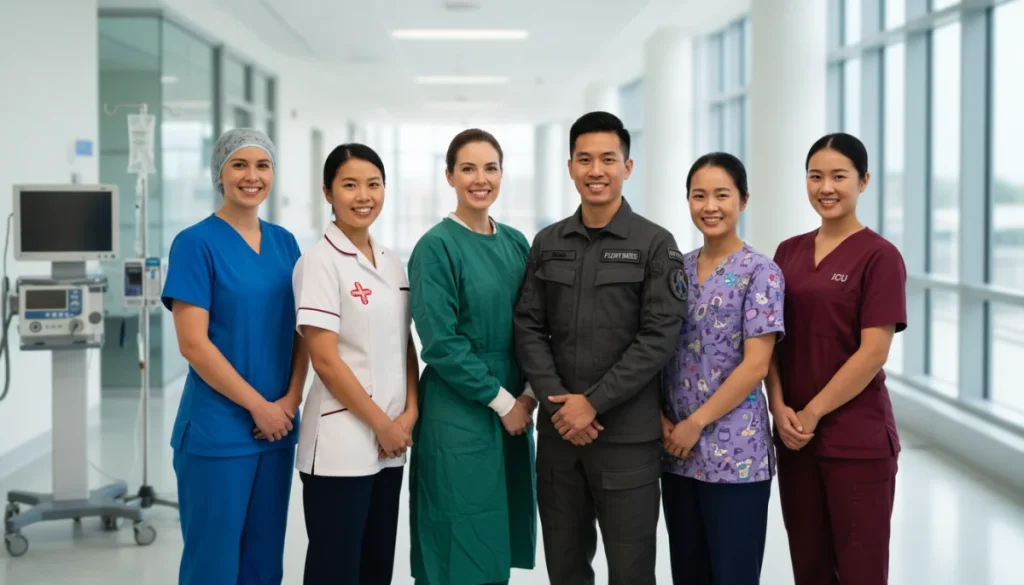
The most sought-after nursing specialties in the United States include critical care, nurse practitioners, nursing informatics, and psychiatric-mental health nursing, driven by an aging population and evolving healthcare needs.
Understanding the landscape of in-demand nursing specialties is crucial for any nurse looking to advance their career or for aspiring healthcare professionals considering this vital field. The healthcare sector in the United States is constantly evolving, influenced by demographic shifts, technological advancements, and changing patient needs. This dynamic environment creates specific areas where nursing expertise is not just valued, but urgently required. Delving into these specialties provides a roadmap for professional development and ensures that nurses can find fulfilling roles where their skills make the greatest impact.
The evolving landscape of nursing demand
The demand for nurses across the United States continues to outpace supply in many areas, creating a robust job market for qualified professionals. However, this demand isn’t uniform; certain specialties are experiencing exponential growth due to a confluence of factors, including an aging population, increased prevalence of chronic diseases, and advancements in medical technology. Nurses are at the forefront of patient care, and as healthcare becomes more complex, specialized knowledge becomes indispensable. This section explores the overarching trends shaping the current and future demand for specific nursing roles.
One significant driver is the demographic shift towards an older population. As baby boomers age, the need for geriatric care, chronic disease management, and palliative care intensifies, directly impacting the demand for nurses skilled in these areas. Furthermore, the expansion of healthcare access and preventative care initiatives means more people are interacting with the healthcare system, requiring a larger and more specialized nursing workforce.
Technological integration in nursing
- Electronic health records (EHRs): The widespread adoption of EHRs has revolutionized patient data management, requiring nurses to be proficient in digital literacy and data interpretation.
- Telehealth services: The rise of telehealth, particularly accelerated by recent global events, has opened new avenues for patient care delivery, necessitating nurses with strong communication and remote monitoring skills.
- Wearable devices: Integrating wearable health technology into patient care plans means nurses must understand how to interpret data from these devices for proactive health management.
Beyond demographics and technology, the increasing complexity of medical treatments and procedures also contributes to specialized demand. Nurses are now involved in highly intricate care plans, often managing multiple comorbidities and advanced medical equipment. This requires continuous education and a commitment to lifelong learning to stay current with best practices and emerging treatments. The evolving landscape underscores the importance of strategic career planning for nurses, ensuring they align their skills with areas of greatest need and professional fulfillment.
In conclusion, the nursing profession is dynamic, with demand concentrating in areas that address the challenges of an aging population, technological advancements, and complex medical care. Understanding these trends is the first step for nurses aiming to secure a future-proof career in a specialty that truly makes a difference.
Critical care nursing: a cornerstone of acute care
Critical care nursing stands as one of the most consistently in-demand nursing specialties, primarily due to the essential role these nurses play in managing acutely ill and unstable patients. Working in intensive care units (ICUs), emergency rooms (ERs), and other high-acuity settings, critical care nurses are the backbone of rapid response and life-sustaining interventions. Their expertise is crucial in situations where every second counts, making them indispensable members of the healthcare team. This section delves into the multifaceted responsibilities and the intense, yet rewarding, nature of this specialty.
The environment of critical care is fast-paced and demanding, requiring nurses to possess exceptional clinical judgment, swift decision-making abilities, and a profound understanding of advanced medical equipment. They often manage patients with complex conditions such as sepsis, multi-organ failure, severe trauma, and post-surgical complications. The ability to interpret intricate physiological data, administer potent medications, and operate sophisticated life support systems is fundamental to their daily practice.
Key skills for critical care nurses
- Advanced assessment skills: The capacity to perform rapid, comprehensive patient assessments and identify subtle changes in condition.
- Proficiency in technology: Expertise in operating ventilators, cardiac monitors, infusion pumps, and other critical care devices.
- Crisis management: The ability to remain calm and effective under pressure, especially during medical emergencies and codes.
- Strong communication: Effective communication with patients, families, and multidisciplinary teams, often in highly stressful situations.
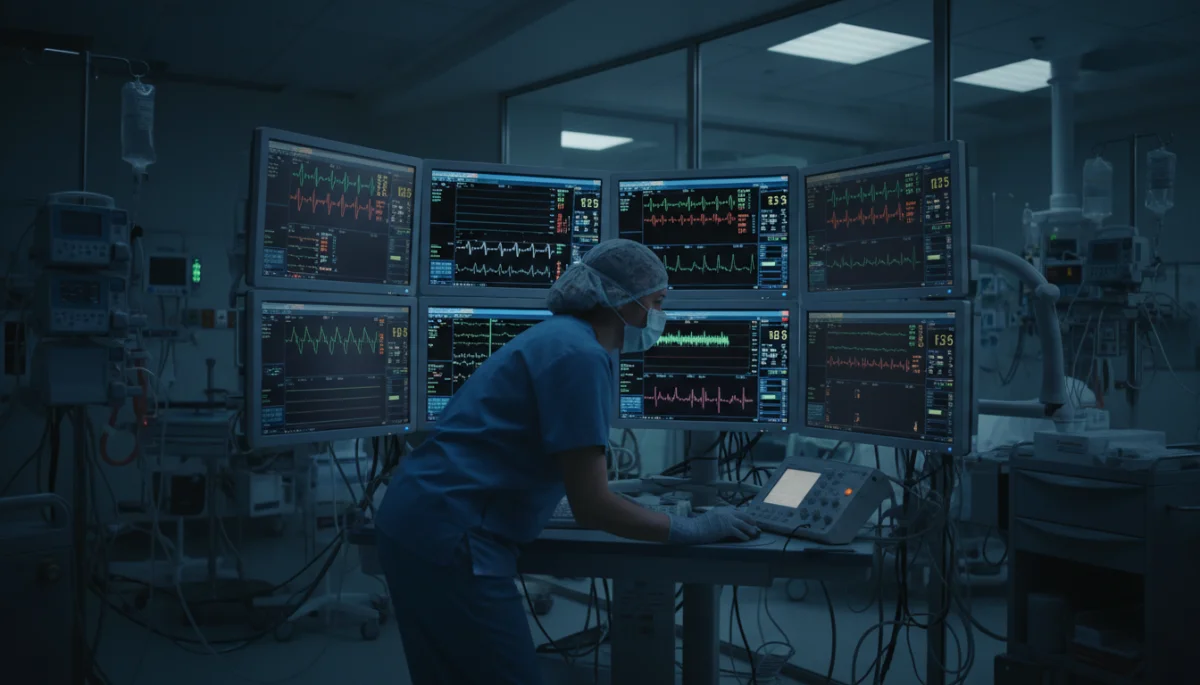
Beyond the technical skills, critical care nurses also provide crucial emotional support to patients and their families during incredibly challenging times. They act as advocates, educators, and compassionate caregivers, navigating ethical dilemmas and end-of-life discussions with sensitivity and professionalism. The emotional toll of critical care can be significant, necessitating strong resilience and self-care strategies for nurses in this field.
The demand for critical care nurses is projected to remain high, fueled by an aging population prone to acute illnesses and the increasing complexity of medical interventions. Hospitals and healthcare systems are continuously seeking experienced critical care professionals to staff their ICUs and emergency departments. Pursuing certifications like the Critical Care Registered Nurse (CCRN) can further enhance career prospects and demonstrate a commitment to excellence in this demanding specialty.
In essence, critical care nursing is a challenging yet profoundly impactful career path, offering the opportunity to make a direct and often life-saving difference in patients’ lives. Its continued high demand reflects its fundamental importance within the healthcare continuum.
The rise of nurse practitioners: advanced practice roles
Nurse practitioners (NPs) represent one of the fastest-growing and most impactful roles within the healthcare system, solidifying their position as a top in-demand nursing specialty. As advanced practice registered nurses (APRNs), NPs possess master’s or doctoral degrees and are equipped to provide comprehensive primary and specialty care, often autonomously. Their expanding scope of practice, which includes diagnosing illnesses, prescribing medication, and managing chronic conditions, addresses critical gaps in healthcare access, particularly in underserved areas. This section explores why NPs are becoming increasingly vital to patient care delivery.
The demand for NPs is driven by several factors, including the ongoing physician shortage, especially in rural and low-income communities, and the healthcare system’s shift towards preventative care and chronic disease management. NPs are highly effective in these areas, offering a holistic approach to patient care that often emphasizes health education and wellness promotion. They serve as primary care providers for millions of Americans, improving patient outcomes and reducing healthcare costs.
Diverse specialties within the NP role
- Family nurse practitioner (FNP): Provides comprehensive care to individuals and families across the lifespan, from infants to seniors.
- Adult-gerontology nurse practitioner (AGNP): Focuses on the health needs of adults and older adults, including acute and chronic conditions.
- Pediatric nurse practitioner (PNP): Specializes in the care of infants, children, and adolescents, addressing their unique developmental and health needs.
- Psychiatric-mental health nurse practitioner (PMHNP): Provides mental health care to individuals, families, and groups, diagnosing and treating mental health disorders.
The versatility of the NP role allows for specialization in various populations and settings, further contributing to their high demand. Whether in primary care clinics, hospitals, specialty practices, or community health centers, NPs play a crucial role in expanding access to quality healthcare. Their ability to integrate seamlessly into different healthcare models makes them invaluable assets, particularly as healthcare systems seek to optimize efficiency and patient satisfaction.
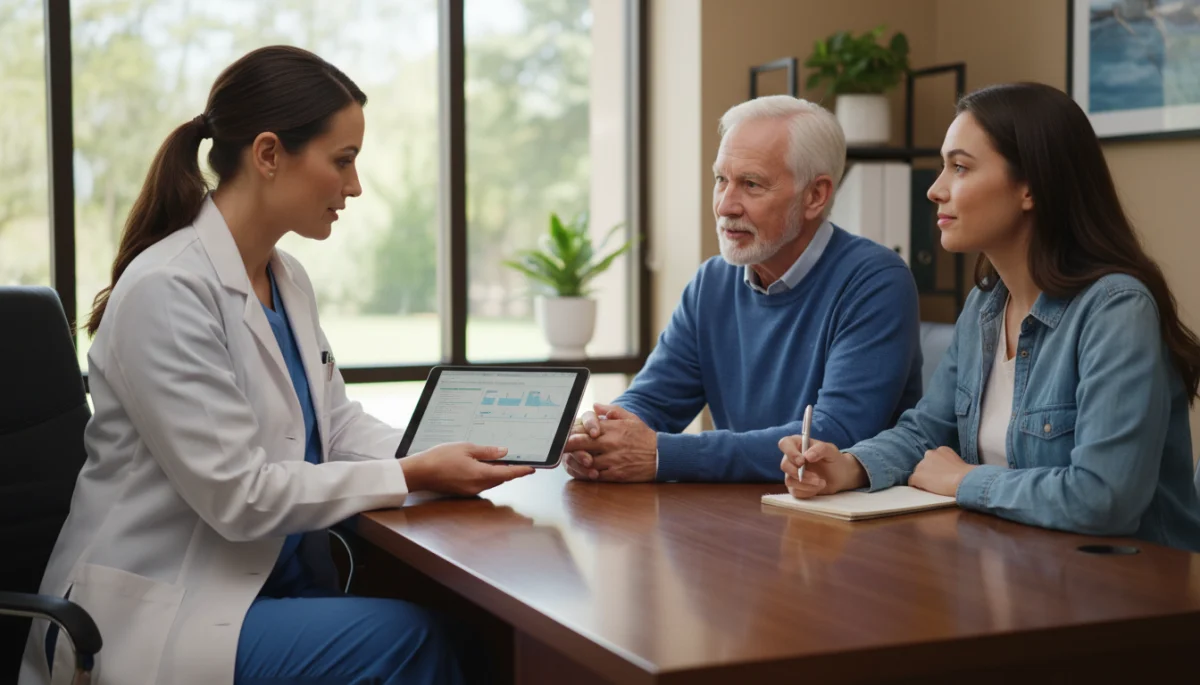
States continue to expand the scope of practice for NPs, recognizing their competency and ability to provide safe and effective care. This legislative trend further solidifies their role and opens even more opportunities for advanced practice nurses. For registered nurses considering career advancement, becoming an NP offers a pathway to greater autonomy, increased earning potential, and a significant impact on patient health. The educational commitment is substantial, but the professional rewards and job security are considerable.
In summary, nurse practitioners are at the forefront of modern healthcare, filling critical gaps in care delivery and offering specialized expertise across a broad spectrum of patient needs. Their continued rise reflects a fundamental shift in how healthcare services are provided and accessed in the United States.
Nursing informatics: bridging healthcare and technology
In an increasingly data-driven world, nursing informatics has emerged as a crucial and highly sought-after in-demand nursing specialty. This field integrates nursing science with computer science and information science to manage and communicate data, information, knowledge, and wisdom in nursing practice. Informatics nurses are instrumental in optimizing healthcare delivery through technology, ensuring that patient data is accurate, accessible, and utilized effectively to improve outcomes and efficiency. Their unique skill set makes them indispensable in today’s complex healthcare ecosystem.
The demand for nursing informaticists stems from the widespread adoption of electronic health records (EHRs), the need for data analysis to drive clinical decisions, and the continuous push for interoperability between various healthcare systems. These nurses act as a vital link between clinical staff and IT departments, translating complex technical information into practical applications for patient care and vice versa. They play a key role in the design, implementation, and optimization of healthcare information systems.
Responsibilities of an informatics nurse
- System implementation and optimization: Leading the adoption and refinement of EHRs and other clinical information systems.
- Data analysis and reporting: Extracting meaningful insights from patient data to inform quality improvement initiatives and research.
- Training and support: Educating clinical staff on new technologies and providing ongoing support to ensure effective system use.
- Policy and procedure development: Contributing to the creation of policies that govern the use of health information technology.
Nursing informatics is not just about technology; it’s about leveraging technology to empower nurses, enhance patient safety, and streamline workflows. By improving the usability of clinical systems, informaticists reduce documentation burden, minimize errors, and allow nurses to spend more time on direct patient care. This optimization directly contributes to better patient experiences and more efficient healthcare operations.
Professionals in this field often hold master’s degrees in nursing informatics or related fields, combining their clinical expertise with advanced knowledge in information technology. Certifications such as the Informatics Nursing Certification (RN-BC) further validate their specialized skills and enhance their marketability. As healthcare continues its digital transformation, the role of the informatics nurse will only grow in importance, making it a highly rewarding and future-proof career choice.
To conclude, nursing informatics is a dynamic and growing specialty that is essential for modern healthcare. These nurses are at the intersection of clinical practice and technology, driving innovation and efficiency to improve patient outcomes across the board.
Psychiatric-mental health nursing: addressing a growing crisis
The field of psychiatric-mental health nursing (PMHN) is experiencing a significant surge in demand, reflecting a growing recognition of mental health as a critical component of overall well-being. As an increasingly in-demand nursing specialty, PMHNs play an essential role in assessing, diagnosing, and treating individuals and families with mental health disorders. The ongoing mental health crisis, exacerbated by various societal factors, has highlighted the urgent need for skilled professionals who can provide compassionate and effective care in diverse settings. This section explores the profound impact and increasing necessity of PMHN services.
The stigma surrounding mental health has diminished over time, leading to more people seeking help, which in turn fuels the demand for PMHNs. These nurses work in a variety of environments, including inpatient psychiatric units, outpatient clinics, community mental health centers, and even private practices. Their responsibilities span from crisis intervention and medication management to psychotherapy and patient education, offering comprehensive care that addresses the complex nature of mental illness.
Key areas of PMHN practice
- Assessment and diagnosis: Conducting thorough mental health assessments and formulating diagnoses based on clinical findings.
- Therapeutic interventions: Providing individual, group, and family therapy, utilizing various evidence-based modalities.
- Medication management: Prescribing and monitoring psychotropic medications, educating patients on their effects and adherence.
- Crisis intervention: Responding to acute psychiatric emergencies and helping individuals stabilize during times of crisis.
PMHNs are crucial in promoting mental wellness and recovery, often working with vulnerable populations facing severe and persistent mental illnesses. They are also integral in addressing co-occurring substance use disorders, providing integrated care that treats the whole person. The ability to build therapeutic relationships, communicate effectively, and demonstrate empathy are paramount in this specialty, where trust and understanding are foundational to successful treatment.
Educational pathways for PMHNs often involve pursuing a master’s or doctoral degree to become a Psychiatric-Mental Health Nurse Practitioner (PMHNP). This advanced practice role allows for greater autonomy in diagnosis and treatment, significantly expanding their capacity to serve the community. With the persistent shortage of psychiatrists and mental health providers, PMHNPs are stepping up to fill these gaps, making quality mental healthcare more accessible.
In conclusion, psychiatric-mental health nursing is a rapidly expanding and critically important specialty. These nurses are at the forefront of addressing the mental health needs of the population, providing essential care that fosters recovery, resilience, and overall well-being.
Emergency and trauma nursing: readiness for the unexpected
Emergency and trauma nursing consistently ranks among the most challenging and rewarding in-demand nursing specialties. These nurses operate in high-stakes environments, primarily emergency departments (EDs) and trauma centers, where they provide immediate and often life-saving care to patients experiencing acute illnesses or injuries. The unpredictable nature of their work requires a unique blend of rapid assessment, critical thinking, and resilient composure. This section explores the vital role of emergency and trauma nurses and why their skills are continuously sought after.
The demand for emergency and trauma nurses is driven by a constant influx of patients with diverse medical needs, ranging from minor ailments to severe, life-threatening conditions. EDs serve as the primary entry point for many healthcare crises, requiring nurses who can quickly triage, stabilize, and manage multiple patients simultaneously. The ability to adapt to rapidly changing situations and perform under immense pressure is a hallmark of this specialty.
Essential skills for emergency nurses
- Rapid assessment and triage: Quickly evaluating patient conditions to prioritize care and allocate resources effectively.
- Resuscitation and stabilization: Performing immediate interventions to stabilize patients in critical condition, including CPR and advanced life support.
- Wound care and injury management: Expertise in treating various types of trauma, from lacerations to complex fractures.
- Medication administration: Proficiently administering a wide range of medications, often in emergent situations, with a deep understanding of their effects.
Emergency nurses are often the first point of contact for patients in distress, requiring exceptional communication skills to gather vital information, provide reassurance, and educate patients and families. They work collaboratively with physicians, paramedics, and other healthcare professionals to ensure coordinated and efficient care delivery. The emotional resilience required to witness traumatic events and manage high-stress situations is also a critical attribute for nurses in this field.
Many emergency nurses pursue certifications such as the Certified Emergency Nurse (CEN) to validate their specialized knowledge and skills. Continuous education in areas like Advanced Cardiovascular Life Support (ACLS) and Pediatric Advanced Life Support (PALS) is also essential to maintain proficiency in this ever-evolving environment. The fast-paced nature of emergency nursing provides constant learning opportunities and the chance to make a tangible difference in critical moments.
In conclusion, emergency and trauma nursing is a high-octane specialty that demands quick thinking, extensive clinical knowledge, and unwavering dedication. The consistent demand for these nurses underscores their indispensable role in providing immediate, life-saving care to those facing unexpected medical crises.
Public health nursing: community well-being advocacy
Public health nursing is a profoundly impactful and increasingly in-demand nursing specialty, focusing on promoting and protecting the health of entire populations. Unlike other specialties that primarily focus on individual patient care, public health nurses work at a community level, addressing health disparities, preventing disease, and advocating for policies that improve overall well-being. Their role is critical in creating healthier communities and responding to widespread health challenges. This section explores the broad scope and growing importance of public health nursing.
The demand for public health nurses has intensified due to global health crises, the rise of chronic diseases, and the need for effective health education and prevention programs. These nurses are essential in identifying health trends, implementing vaccination campaigns, managing disease outbreaks, and ensuring access to vital health resources. They often work in diverse settings, including local health departments, schools, community clinics, and non-profit organizations, serving as frontline advocates for public health.
Key functions of public health nurses
- Disease surveillance and prevention: Monitoring health trends, implementing immunization programs, and developing strategies to prevent the spread of infectious diseases.
- Health education and promotion: Designing and delivering educational programs on topics such as nutrition, exercise, chronic disease management, and substance abuse prevention.
- Advocacy and policy development: Working to influence health policy and advocate for resources that address community health needs and reduce health disparities.
- Emergency preparedness and response: Playing a crucial role in planning for and responding to public health emergencies, such as natural disasters or pandemics.
Public health nurses are uniquely positioned to understand the social determinants of health and their impact on community well-being. They often work with vulnerable populations, addressing issues like poverty, lack of access to care, and environmental hazards. Their holistic approach recognizes that health is influenced by a complex interplay of individual behaviors, community resources, and societal structures. This broader perspective allows them to implement interventions that create sustainable health improvements.
Many public health nurses pursue advanced degrees, such as a Master of Public Health (MPH) or a Master of Science in Nursing (MSN) with a public health focus, to enhance their expertise in epidemiology, biostatistics, and health policy. These advanced qualifications enable them to take on leadership roles in public health initiatives and contribute significantly to population health outcomes. As communities continue to face complex health challenges, the role of the public health nurse will remain indispensable.
In summary, public health nursing is a vital and expanding specialty dedicated to improving the health of entire populations. These nurses are essential in preventing disease, promoting wellness, and advocating for policies that foster healthier, more resilient communities.
| Key Nursing Specialty | Brief Description of Role |
|---|---|
| Critical Care Nursing | Provides immediate, life-sustaining care to acutely ill and unstable patients in high-acuity settings like ICUs and ERs. |
| Nurse Practitioner (NP) | Advanced practice nurses providing comprehensive primary and specialty care, including diagnosis and prescription, often autonomously. |
| Nursing Informatics | Integrates nursing science with information technology to manage patient data, optimize systems, and improve healthcare delivery. |
| Psychiatric-Mental Health Nursing | Assesses, diagnoses, and treats individuals with mental health disorders, providing therapeutic interventions and medication management. |
Frequently asked questions about nursing specialties
The highest paying nursing specialties often include Certified Registered Nurse Anesthetists (CRNAs), Nurse Practitioners (NPs), especially in psychiatric or acute care, and Nurse Midwives. Factors like education level, experience, geographic location, and specific responsibilities significantly influence earning potential within these roles.
Choosing a nursing specialty involves considering your interests, strengths, work-life balance preferences, and career goals. Gaining diverse clinical experiences during nursing school or as a new RN can help you identify areas you are passionate about. Shadowing experienced nurses in different specialties can also provide valuable insight.
Most advanced nursing specialties, such as Nurse Practitioner, Clinical Nurse Specialist, Certified Registered Nurse Anesthetist, and Nurse Midwife, require a Master of Science in Nursing (MSN) or a Doctor of Nursing Practice (DNP) degree. These programs provide specialized knowledge and clinical training beyond a basic RN license.
Yes, several nursing specialties involve minimal or no direct patient care. Examples include Nursing Informatics, Nurse Educators, Legal Nurse Consultants, and Nurse Researchers. These roles leverage nursing expertise in administrative, educational, technological, or analytical capacities, contributing to healthcare in different but equally vital ways.
Recent years have seen increased demand in specialties addressing an aging population, chronic disease management, and mental health. There’s also a rising need for nurses in technology-driven roles like informatics and telehealth. The pandemic further highlighted the critical need for emergency, critical care, and public health nurses, accelerating trends in these areas.
Conclusion
The landscape of nursing in the United States is dynamic, continually adapting to societal needs, technological innovations, and evolving healthcare demands. Our analysis of in-demand nursing specialties reveals clear pathways for nurses seeking impactful and secure careers. From the intense precision of critical care and emergency nursing to the comprehensive scope of nurse practitioners, the data-driven world of nursing informatics, and the compassionate advocacy of psychiatric-mental health and public health nursing, the opportunities for specialization are diverse and growing. For both aspiring and experienced nurses, understanding these trends is not just about finding a job, but about identifying a calling where their expertise can truly shape the future of healthcare. The commitment to continuous learning and professional development within these specialized fields will ensure a rewarding career that contributes significantly to the well-being of individuals and communities across the nation.
