Supply Chain Resiliency: Cost-Saving Solutions for US Manufacturers
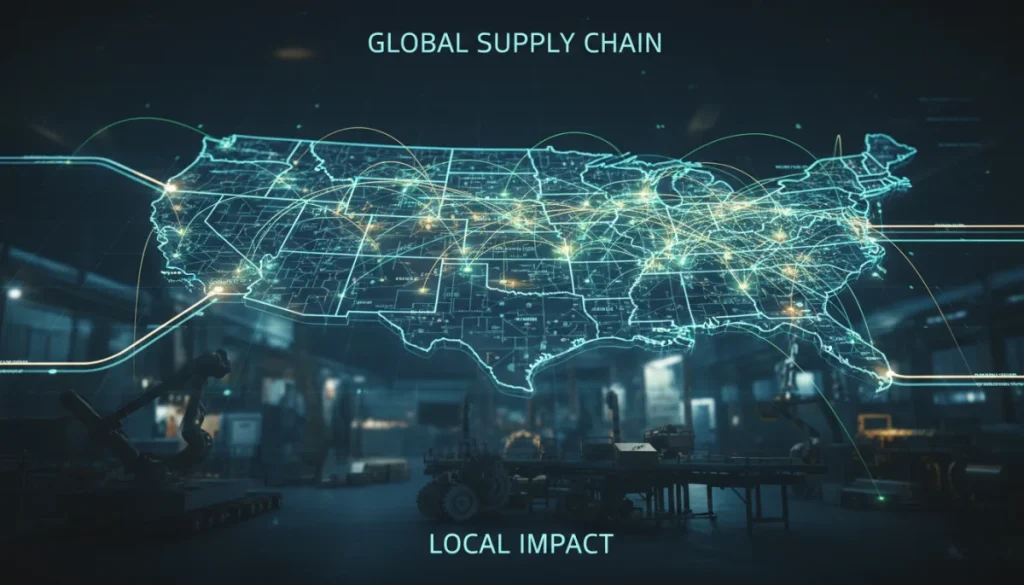
U.S. manufacturers can significantly reduce operational costs and boost competitiveness by implementing strategic solutions for supply chain resiliency, ensuring business continuity amidst global disruptions and market volatility.
In an increasingly interconnected yet unpredictable global economy, enhancing supply chain resiliency has become a paramount concern for U.S. manufacturers. This focus is not merely about surviving disruptions, but about strategically transforming operations to reduce costs and gain a competitive edge.
Understanding the Imperative for Supply Chain Resiliency
The past few years have laid bare the vulnerabilities inherent in global supply chains, from geopolitical tensions to natural disasters and pandemics. For U.S. manufacturers, these disruptions have translated into significant operational costs, including increased logistics expenses, production delays, and lost revenue. Building resilience is no longer a luxury but a fundamental requirement for sustainable growth and competitiveness in the American industrial landscape.
A resilient supply chain is one that can anticipate, absorb, adapt to, and recover from disruptions. This proactive approach minimizes the impact of unforeseen events, safeguarding production schedules and market share. Beyond mere survival, it offers a pathway to optimized processes and reduced long-term operational costs.
The hidden costs of a fragile supply chain
- Increased inventory holding costs: Manufacturers often overstock to mitigate risks, tying up capital and incurring storage expenses.
- Expedited shipping fees: When disruptions hit, costly air freight or premium services become necessary to meet deadlines.
- Lost sales and market share: Inability to deliver products on time can lead to customer dissatisfaction and a shift to competitors.
- Production downtime: Shortages of critical components can halt entire production lines, wasting labor and overhead.
Ultimately, investing in supply chain resilience is an investment in stability and efficiency. By strategically addressing potential weaknesses, manufacturers can not only prevent costly emergencies but also identify opportunities for process improvements that drive down everyday operational expenses. This holistic view transforms challenges into catalysts for innovation and financial optimization.
Leveraging Advanced Technology for Enhanced Visibility and Control
The digital transformation offers a powerful suite of tools to fortify supply chains against various shocks. Modern technologies provide unparalleled visibility into every facet of the supply chain, from raw material sourcing to final product delivery. This enhanced transparency is critical for identifying potential bottlenecks, predicting disruptions, and making informed decisions that reduce operational costs.
Implementing advanced analytics, artificial intelligence (AI), and machine learning (ML) allows manufacturers to move beyond reactive problem-solving. These technologies can analyze vast datasets to detect patterns, forecast demand with greater accuracy, and even simulate the impact of different disruption scenarios. Such predictive capabilities enable proactive adjustments, preventing costly delays and optimizing inventory levels.
Integrating data for a unified view
One of the most significant benefits of technology adoption is the ability to integrate data across disparate systems and partners. Enterprise Resource Planning (ERP) systems, coupled with Supply Chain Management (SCM) platforms, can create a single source of truth for all operational information. This integration ensures that everyone, from procurement to logistics, works with the same up-to-date data, fostering better collaboration and faster decision-making.
- Real-time tracking: GPS and IoT sensors provide live updates on shipments and asset locations, reducing uncertainty.
- Predictive analytics: AI algorithms can forecast demand fluctuations and potential supplier issues, enabling proactive planning.
- Blockchain for transparency: Secure, immutable ledgers enhance trust and traceability across complex supplier networks.
- Digital twins: Virtual models of physical supply chains allow for scenario planning and optimization without real-world risk.
By embracing these technological advancements, U.S. manufacturers can move towards a more intelligent, agile, and resilient supply chain. The initial investment in technology is quickly recouped through significant reductions in operational costs, improved efficiency, and a stronger ability to navigate market volatility.
Diversifying Supplier Networks and Regionalizing Sourcing
Over-reliance on a single supplier or a concentrated geographical region has proven to be a major vulnerability for many U.S. manufacturers. When disruptions occur in those specific areas, the entire production process can grind to a halt. A key strategy for building supply chain resiliency, therefore, involves diversifying supplier networks and considering regionalized or nearshore sourcing options.
Diversification means working with multiple suppliers for critical components, ideally from different geographic locations. This strategy mitigates the risk of a single point of failure. If one supplier or region experiences an issue, alternative sources can step in, ensuring continuity of supply. While it might seem to add complexity, the long-term cost savings from avoiding production stoppages often outweigh any perceived short-term overhead.
Benefits of regional and nearshore sourcing
Regionalizing or nearshoring refers to sourcing materials and components from within the U.S. or from neighboring countries. This approach offers several distinct advantages:
- Reduced lead times: Shorter distances mean faster delivery and less time spent in transit.
- Lower transportation costs: Reduced shipping distances and simpler logistics often translate to lower freight expenses.
- Easier communication: Fewer language barriers and similar time zones facilitate better collaboration.
- Greater control and oversight: Closer proximity allows for more frequent quality checks and stronger relationships with suppliers.
- Mitigated geopolitical risks: Less exposure to international trade disputes and political instability.
While global sourcing can offer cost advantages in certain circumstances, the true cost of a fragile supply chain must account for the risks of disruption. Diversifying and regionalizing not only enhances resilience but can also lead to more predictable costs and a more stable operating environment for U.S. manufacturers. This strategic shift is about balancing cost efficiency with security of supply.
Implementing Robust Inventory Management Strategies
Effective inventory management is a cornerstone of both cost reduction and supply chain resiliency. Holding too much inventory ties up capital, incurs storage costs, and risks obsolescence. Conversely, holding too little inventory can lead to stockouts, production delays, and lost sales. The goal is to strike a delicate balance that ensures materials are available when needed without excessive carrying costs.
Modern inventory strategies move beyond traditional “just-in-time” (JIT) approaches, which can be vulnerable to sudden disruptions. Instead, manufacturers are adopting “just-in-case” elements, strategically building buffer stocks for critical components without overstocking non-essential items. This nuanced approach requires sophisticated forecasting and a deep understanding of lead times and supplier reliability.
Optimizing inventory through data and collaboration
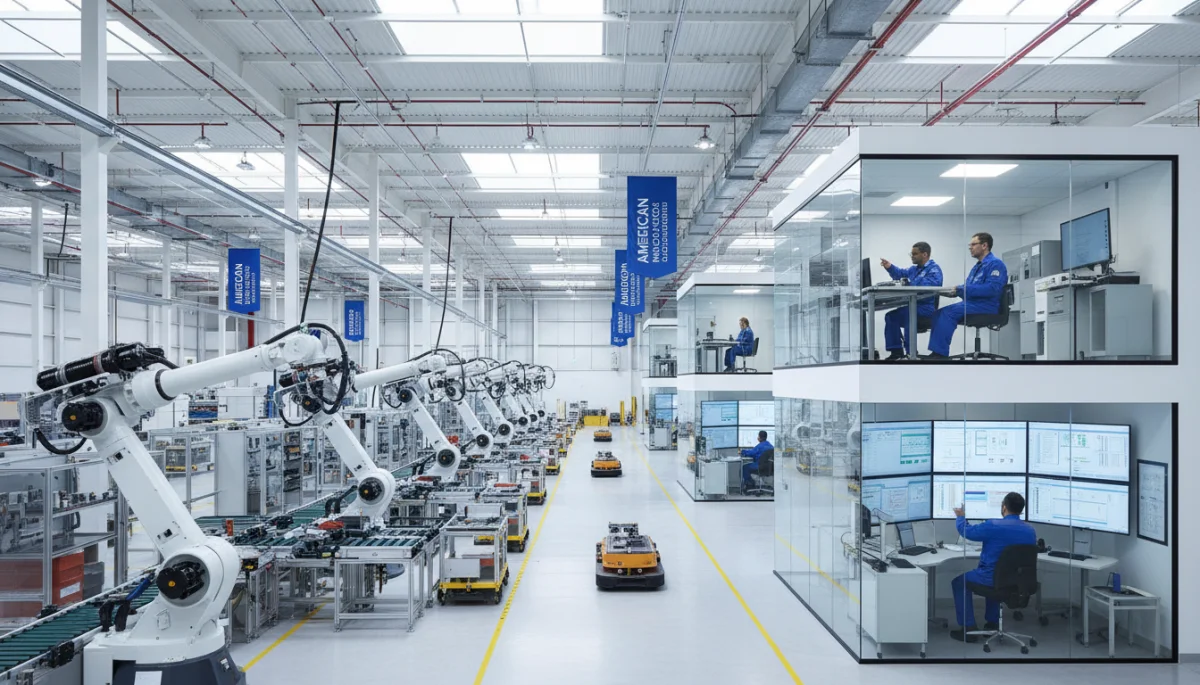
Leveraging data analytics is crucial for optimizing inventory levels. By analyzing historical demand, market trends, and supplier performance, manufacturers can refine their forecasting models. Collaboration with suppliers and customers also plays a vital role, providing insights into upcoming demand changes and potential supply constraints. This shared information allows for more accurate planning and reduces the need for costly last-minute adjustments.
- Safety stock optimization: Calculating optimal safety stock levels for critical items to buffer against unexpected demand spikes or supply delays.
- Vendor-managed inventory (VMI): Allowing key suppliers to manage inventory levels at the manufacturer’s site, reducing internal management burden.
- Multi-echelon inventory optimization (MEIO): Optimizing inventory across the entire supply chain network, considering all storage points and transit times.
- Demand sensing: Using real-time data to detect subtle shifts in customer demand, enabling quicker adjustments to production and inventory.
By adopting these advanced inventory management practices, U.S. manufacturers can significantly reduce carrying costs, minimize the risk of stockouts, and enhance their overall supply chain resilience. This strategic approach ensures that capital is utilized efficiently while maintaining the flexibility to respond to market dynamics.
Fostering Collaboration and Information Sharing Across the Ecosystem
A truly resilient supply chain is not built in isolation; it thrives on collaboration and transparent information sharing among all stakeholders. U.S. manufacturers must move beyond transactional relationships with their suppliers and customers, fostering partnerships built on trust and mutual benefit. When information flows freely and openly, potential issues can be identified and addressed much earlier, preventing costly disruptions.
Establishing clear communication channels and protocols is essential. Regular meetings, shared dashboards, and integrated IT systems can facilitate the exchange of critical data, from demand forecasts to production schedules and inventory levels. This collective intelligence allows for more synchronized planning and faster response times when unexpected events occur.
Building stronger supplier relationships
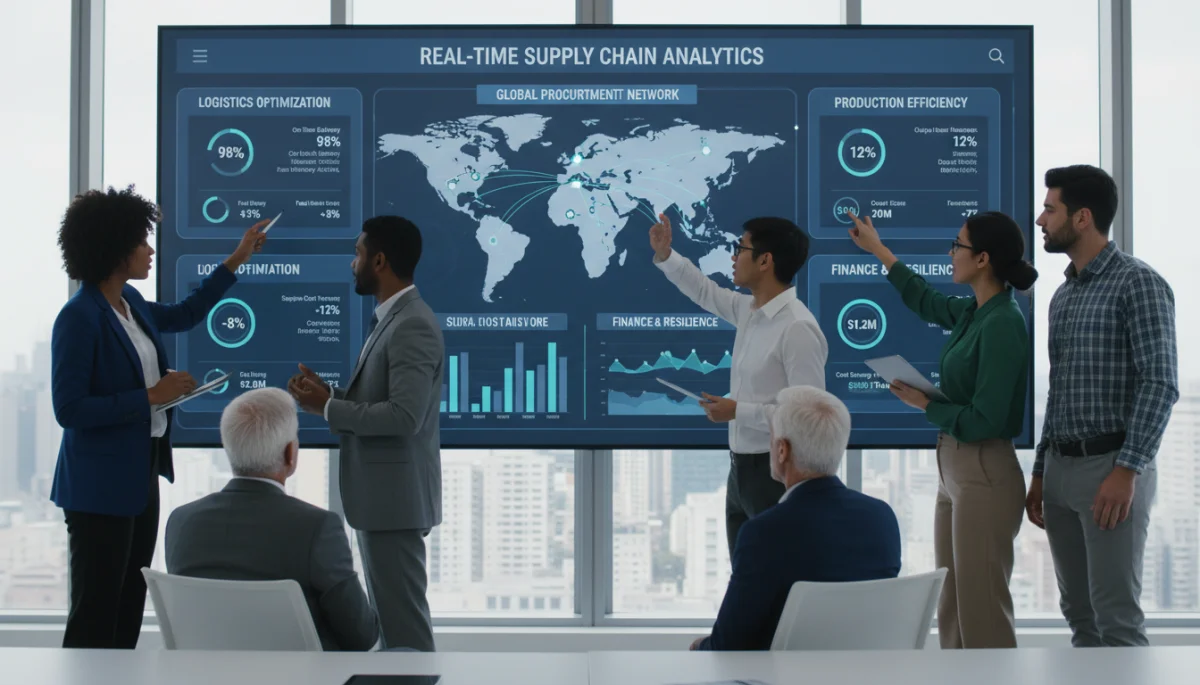
Investing in supplier relationships goes beyond just negotiating prices. It involves understanding their capabilities, financial health, and their own supply chain vulnerabilities. By working closely with key suppliers, manufacturers can help them improve their own resilience, creating a stronger ecosystem for everyone. This might include joint training, technology sharing, or even co-investment in new capabilities.
- Joint planning sessions: Collaborating on demand forecasts and production plans with key suppliers and customers.
- Shared risk assessments: Working together to identify and mitigate potential risks across the extended supply chain.
- Performance metrics: Establishing clear, shared key performance indicators (KPIs) to monitor and improve collaborative efficiency.
- Technology integration: Connecting IT systems (e.g., ERP, SCM) with partners to enable seamless data exchange.
Through enhanced collaboration and information sharing, U.S. manufacturers can create a more robust and responsive supply chain ecosystem. This collective approach not only reduces operational costs by preventing disruptions but also fosters innovation and strengthens overall competitive positioning in the market.
Embracing Automation and Smart Manufacturing Principles
The integration of automation and smart manufacturing principles is a transformative step for U.S. manufacturers seeking to enhance supply chain resiliency and reduce operational costs. Industry 4.0 technologies, such as the Internet of Things (IoT), robotics, and advanced analytics, are revolutionizing how products are made and how supply chains operate. By automating repetitive tasks and optimizing production processes, manufacturers can achieve higher efficiency, greater consistency, and significant cost savings.
Automation in manufacturing reduces reliance on manual labor for certain tasks, mitigating risks associated with labor shortages or workforce disruptions. Robotic process automation (RPA) can streamline administrative tasks, while advanced robotics on the factory floor can handle complex assembly and material handling with precision and speed. This leads to fewer errors, less waste, and a more predictable production output.
The benefits of smart factories
Smart factories, powered by IoT sensors and data analytics, provide real-time insights into machine performance, energy consumption, and product quality. This data enables predictive maintenance, preventing costly equipment failures and minimizing downtime. Furthermore, optimized production schedules and efficient resource allocation directly contribute to lower operational expenses.
- Reduced labor costs: Automation handles repetitive or dangerous tasks, allowing human workers to focus on higher-value activities.
- Improved quality and consistency: Automated processes lead to fewer defects and higher product uniformity, reducing rework and scrap.
- Increased production speed: Robotics and optimized workflows can significantly boost output capacity.
- Energy efficiency: Smart systems can monitor and optimize energy usage, leading to substantial utility cost savings.
- Enhanced safety: Automating hazardous tasks improves workplace safety and reduces associated costs.
By strategically investing in automation and smart manufacturing, U.S. manufacturers can build highly efficient, flexible, and resilient production capabilities. These advancements not only drive down operational costs but also position manufacturers to adapt quickly to changing market demands and supply chain challenges, ensuring long-term competitiveness.
Developing a Culture of Continuous Improvement and Risk Management
Achieving and maintaining supply chain resiliency is not a one-time project but an ongoing commitment to continuous improvement and proactive risk management. U.S. manufacturers must embed these principles into their organizational culture, fostering a mindset where identifying vulnerabilities and seeking efficiencies are integral parts of daily operations. This involves regular assessments, training, and a willingness to adapt strategies based on evolving global conditions.
A robust risk management framework is essential. This framework should involve systematically identifying potential risks—from natural disasters and cybersecurity threats to geopolitical shifts and economic downturns—and developing contingency plans for each. It’s not enough to simply identify risks; effective management requires practical, actionable strategies to mitigate their impact or recover quickly.
Key components of a resilient culture
Cultivating a resilient culture means empowering employees at all levels to contribute to supply chain optimization. This includes providing training on new technologies, encouraging cross-functional collaboration, and establishing clear lines of communication for reporting potential issues. Leadership plays a crucial role in championing these initiatives and allocating the necessary resources.
- Regular risk assessments: Periodically reviewing the entire supply chain for new and emerging threats.
- Scenario planning: Developing and testing contingency plans for various disruption scenarios.
- Employee training: Equipping staff with the skills to identify risks, utilize new technologies, and adapt to changes.
- Performance monitoring: Continuously tracking key supply chain metrics to identify areas for improvement.
- Feedback loops: Establishing mechanisms for learning from past disruptions and incorporating those lessons into future strategies.
By fostering a culture of continuous improvement and proactive risk management, U.S. manufacturers can build an enduring competitive advantage. This approach ensures that their supply chains are not only resilient to current challenges but are also agile enough to navigate future uncertainties, consistently driving down operational costs and enhancing overall business performance.
| Key Strategy | Brief Description |
|---|---|
| Technology Integration | Utilize AI, IoT, and analytics for real-time visibility and predictive capabilities to optimize operations. |
| Supplier Diversification | Reduce reliance on single sources by engaging multiple suppliers, including regional options, to mitigate risks. |
| Smart Inventory Management | Optimize stock levels using data-driven insights to balance availability with carrying costs. |
| Collaboration & Automation | Foster strong partnerships and automate processes to enhance efficiency and responsiveness across the supply chain. |
Frequently Asked Questions About Supply Chain Resiliency
Supply chain resiliency is the ability of a supply chain to anticipate, absorb, adapt to, and rapidly recover from disruptions. It’s critical for U.S. manufacturers to maintain operational continuity, reduce unforeseen costs from delays, and ensure competitive market positioning in a volatile global landscape.
Technology like AI, IoT, and advanced analytics provides real-time visibility, predictive capabilities, and automation. This enables optimized inventory, efficient logistics, proactive issue resolution, and reduced manual errors, all contributing to significant operational cost savings and enhanced efficiency.
Diversifying supplier networks, especially with regional options, mitigates the risk of single-point failures. It reduces lead times, lowers transportation costs, improves communication, and enhances control over the supply chain, ensuring continuous material flow even during disruptions and reducing overall risk exposure.
Effective inventory management balances holding enough stock to prevent disruptions without incurring excessive carrying costs. Utilizing data analytics and strategies like safety stock optimization ensures materials are available when needed, preventing costly stockouts and production delays while efficiently managing capital.
Collaboration and information sharing with suppliers and customers are vital for a resilient supply chain. It fosters trust, enables proactive identification of potential issues, and facilitates synchronized planning. This collective intelligence leads to faster response times, reduced risks, and a more robust, efficient ecosystem.
Conclusion
In conclusion, for U.S. manufacturers, the journey towards enhanced supply chain resiliency is inextricably linked with the imperative to reduce operational costs. By strategically embracing advanced technologies for greater visibility, diversifying supplier networks to mitigate risks, implementing smart inventory management, and fostering deep collaboration across the ecosystem, businesses can transform vulnerabilities into sources of competitive advantage. Furthermore, integrating automation and cultivating a culture of continuous improvement and proactive risk management ensures that these solutions are not merely temporary fixes but foundational elements for sustainable growth. The proactive pursuit of these practical solutions will empower American manufacturers to navigate future uncertainties with confidence, securing their position in a dynamic global market while simultaneously optimizing their bottom line.
