Maximizing Your Tech Salary: Compensation Trends Across IT Hubs
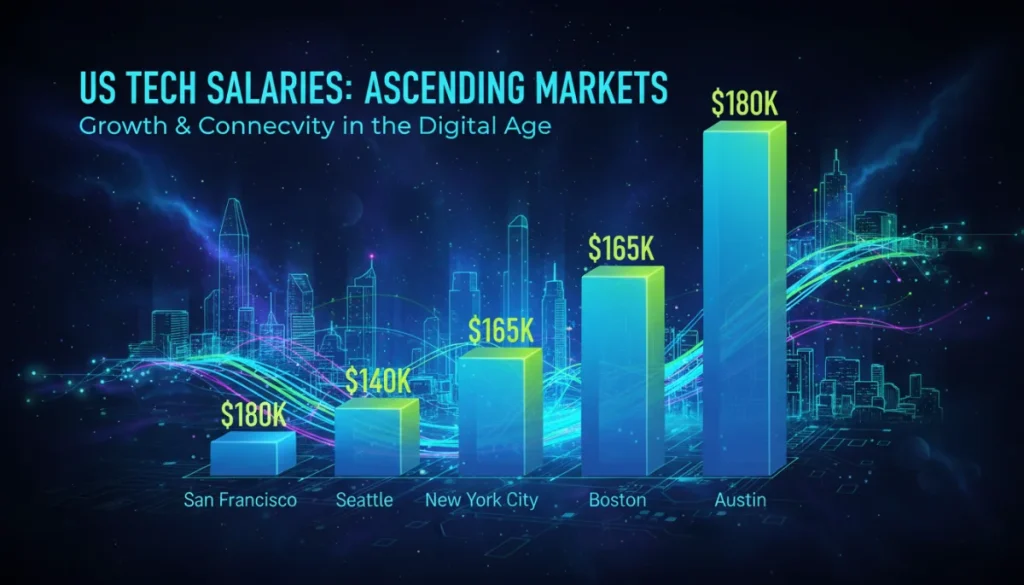
Understanding current compensation trends across major IT hubs is essential for individuals seeking to maximize their tech salary, providing a clear roadmap for strategic career and financial planning.
Are you navigating the dynamic world of technology and wondering how to secure the best possible compensation? Understanding tech salary maximization is crucial in today’s competitive landscape. This article will explore key compensation trends across prominent IT hubs, offering insights to help you elevate your earning potential.
Understanding the Current Tech Compensation Landscape
The tech industry’s compensation landscape is a complex, ever-shifting terrain influenced by myriad factors, from global economic shifts to localized demand for niche skills. A comprehensive understanding of these dynamics is the first step toward strategically positioning oneself for optimal earnings. The past few years have seen unprecedented growth and, subsequently, a recalibration in certain sectors, making up-to-date information invaluable for professionals.
Recent data indicates a continued strong demand for specialized tech roles, particularly in areas like AI, cybersecurity, and cloud computing. This demand often translates into higher compensation packages, especially in regions where the talent pool is competitive. However, it’s not just about the role; location plays an equally significant part in defining salary brackets.
Key Factors Influencing Tech Salaries
Several critical elements converge to shape an individual’s tech salary. Recognizing these factors allows professionals to make informed decisions about their career trajectory and negotiation strategies.
- Skill Set and Specialization: High-demand skills, especially those requiring advanced certifications or extensive experience, command premium salaries.
- Experience Level: Entry-level positions naturally start lower, but significant jumps occur with mid-level and senior roles, reflecting increased responsibility and expertise.
- Company Size and Type: Large tech giants often offer more comprehensive compensation packages, including benefits and stock options, compared to smaller startups, though startups might offer higher equity potential.
- Geographic Location: As we will delve into, the cost of living and the concentration of tech companies in a particular hub significantly impact salary expectations.
In conclusion, the current tech compensation landscape is characterized by its responsiveness to market demand for specific skills and the influence of geographical economic conditions. Professionals who continuously update their skill sets and remain aware of these influencing factors are better equipped to navigate their careers toward higher earning potential.
Top US Tech Hubs and Their Compensation Averages
The United States boasts several vibrant tech hubs, each with its unique economic environment and compensation averages. Understanding these regional differences is paramount for any tech professional considering relocation or seeking to benchmark their current salary. While Silicon Valley often comes to mind first, other cities have emerged as formidable contenders, offering competitive salaries and diverse opportunities.
Each hub presents a distinct ecosystem, driven by local industries, cost of living, and the density of tech companies. For instance, a software engineer’s salary in San Francisco might appear higher in raw numbers than in Austin, but when adjusted for the cost of living, the net purchasing power could tell a different story. This nuanced perspective is essential for making truly informed career decisions.
Silicon Valley (San Francisco Bay Area)
Long considered the epicenter of technological innovation, Silicon Valley consistently offers some of the highest tech salaries in the nation. This region is home to tech giants like Apple, Google, and Meta, attracting top-tier talent and fostering intense competition for skilled professionals. The high demand, coupled with a very high cost of living, drives up compensation figures.
- Average Software Engineer Salary: $150,000 – $200,000+
- Dominant Industries: Software development, AI, biotechnology, venture capital.
- Key Consideration: While salaries are high, the cost of living, especially housing, is among the highest globally, necessitating careful financial planning.
New York City
New York City has solidified its position as a major tech hub, particularly for fintech, ad tech, and media tech. The city’s diverse economy and vast talent pool contribute to competitive salaries, though generally slightly lower than Silicon Valley, balanced by a similarly high, albeit different, cost of living.
The convergence of finance, media, and technology sectors in NYC creates unique opportunities for professionals looking to blend these disciplines. This cross-industry demand often results in specialized roles commanding impressive compensation, reflecting the interdisciplinary nature of the city’s tech landscape.
Seattle
Home to Amazon and Microsoft, Seattle is another powerhouse in the tech world. The city offers highly competitive salaries, especially for cloud computing and e-commerce specialists. While the cost of living is high, it is generally more manageable than in the Bay Area.
- Average Software Engineer Salary: $140,000 – $180,000+
- Dominant Industries: Cloud services, e-commerce, gaming, aerospace tech.
- Key Consideration: The strong presence of major corporations provides ample opportunities for career advancement and attractive benefits packages.
Austin, Texas
Austin has rapidly emerged as a burgeoning tech hub, often dubbed ‘Silicon Hills.’ It attracts companies and talent with its lower cost of living compared to coastal cities and a vibrant, growing tech scene. Salaries are competitive and often offer a higher quality of life when adjusted for expenses.
The city’s appeal lies in its balance of professional opportunity and lifestyle. Many tech professionals are drawn to Austin for its innovative environment, coupled with a more affordable living experience, fostering a strong sense of community and work-life balance.
In summary, while traditional tech hubs continue to lead in raw salary figures, emerging hubs offer compelling alternatives with a better cost-of-living adjusted compensation. Professionals should carefully weigh these factors when evaluating career opportunities.
Emerging Tech Hotspots and Their Salary Potential
While established tech hubs like Silicon Valley and Seattle continue to draw significant attention, several emerging cities across the United States are rapidly gaining traction as formidable tech hotspots. These areas offer exciting opportunities, often with a more favorable cost of living and strong growth trajectories, making them attractive alternatives for tech professionals seeking to maximize their salary and quality of life.
The rise of remote work capabilities and a desire for more affordable living have accelerated the growth of these new tech centers. Companies are increasingly looking beyond traditional locations to establish new offices or expand existing operations, recognizing the benefits of a broader talent pool and lower operational costs. This decentralization is creating a more diverse and accessible tech job market.
Denver, Colorado
Denver’s tech scene is flourishing, particularly in areas like cybersecurity, software development, and aerospace. The city’s appeal includes a high quality of life, access to outdoor activities, and a growing number of tech companies establishing a presence. Salaries are competitive, offering a good balance with the cost of living.
- Key Industries: Cybersecurity, aerospace, software as a service (SaaS).
- Growth Factors: Strong startup ecosystem, skilled talent pool, and government support for tech initiatives.
Raleigh-Durham (Research Triangle Park), North Carolina
The Research Triangle Park (RTP) area, encompassing Raleigh, Durham, and Chapel Hill, is a long-standing hub for biotech, pharmaceuticals, and increasingly, software and IT. Its strong university presence (Duke, UNC Chapel Hill, NC State) feeds a steady stream of talent, and the cost of living remains significantly lower than coastal tech hubs, providing excellent salary potential relative to expenses.
RTP’s collaborative environment, fueled by academic research and corporate innovation, makes it a unique place for career development. The region’s focus on research and development often translates into opportunities for cutting-edge work and competitive compensation packages.
Atlanta, Georgia
Atlanta has become a significant hub for fintech, cybersecurity, and logistics tech. Its strong university system, diverse population, and status as a major transportation hub contribute to its growing tech sector. Salaries are on an upward trend, offering attractive compensation in a city with a relatively affordable cost of living.
The city’s strategic location and robust infrastructure have made it a magnet for companies seeking to establish a strong presence in the Southeast. This influx of businesses, combined with a growing talent pool, solidifies Atlanta’s position as a rising star in the tech landscape.
In summary, these emerging tech hotspots represent compelling options for professionals looking to advance their careers and enhance their earning power. They often provide a better overall value proposition, blending competitive salaries with a more affordable lifestyle.
Negotiation Strategies for Higher Tech Salaries
Securing a competitive tech salary isn’t solely about finding the right job in the right city; it’s also about mastering the art of negotiation. Many tech professionals leave money on the table by not effectively advocating for their worth. Strategic negotiation can significantly impact your overall compensation package, including base salary, bonuses, equity, and benefits.
Preparation is the cornerstone of successful salary negotiation. This involves thorough research into industry averages, specific company compensation structures, and understanding your unique value proposition. Approaching the negotiation conversation with confidence and data-backed arguments can make all the difference in achieving your desired outcome.

Research and Market Value Assessment
Before entering any salary discussion, conduct extensive research. Utilize salary aggregators, industry reports, and professional networks to understand the market rate for your role, experience, and location. This data will serve as your foundation for a strong negotiation.
- Know Your Worth: Understand your unique skills, experience, and the value you bring to a potential employer. Quantify your achievements whenever possible.
- Benchmarking: Compare your target salary with industry standards for similar roles in similar tech hubs. Websites like Glassdoor, Levels.fyi, and LinkedIn Salary are excellent resources.
Crafting Your Negotiation Pitch
Your negotiation pitch should be articulate, confident, and focused on value. Instead of simply stating a desired number, explain how your skills and experience justify that compensation. Be prepared to discuss specific contributions you can make to the company’s success.
It is crucial to frame the conversation around mutual benefit. Emphasize how your expertise aligns with the company’s goals and how your contributions will lead to tangible results. This approach shifts the focus from a purely transactional discussion to a partnership-oriented dialogue.
Considering the Full Compensation Package
A tech salary is often more than just the base pay. When negotiating, consider the entire compensation package, which can include stock options, performance bonuses, health benefits, retirement plans, professional development allowances, and remote work flexibility.
- Equity: For startups or publicly traded companies, equity can be a significant part of your total compensation. Understand vesting schedules and potential future value.
- Benefits: Evaluate health insurance, paid time off, and other perks. Sometimes, a slightly lower base salary with superior benefits can offer greater overall value.
- Work-Life Balance: Factors like remote work options, flexible hours, and company culture also contribute to job satisfaction and overall compensation value.
Ultimately, successful salary negotiation is about preparation, confidence, and understanding the full scope of compensation. By strategically approaching these discussions, tech professionals can significantly improve their earning potential and career satisfaction.
The Impact of Specialized Skills on Tech Compensation
In the rapidly evolving tech landscape, generalist skills, while foundational, often take a backseat to highly specialized expertise when it comes to maximizing compensation. The demand for niche skills, particularly in cutting-edge domains, creates a premium market where professionals with specific proficiencies can command significantly higher salaries. This trend underscores the importance of continuous learning and strategic skill development for tech professionals.
Companies are increasingly willing to pay top dollar for individuals who can solve complex, specialized problems or drive innovation in critical areas. This demand is often fueled by the competitive advantage these skills provide, whether it’s developing advanced AI models, securing sensitive data, or optimizing cloud infrastructure for peak performance. Investing in these specialized areas can be a direct path to higher earning potential.
High-Demand Specializations
Certain tech specializations consistently top the list for highest compensation due to their complexity, scarcity of talent, and critical importance to modern businesses.
- Artificial Intelligence (AI) and Machine Learning (ML): Data scientists, ML engineers, and AI researchers are in high demand, driving significant salaries as companies integrate AI into their products and operations.
- Cybersecurity: With increasing cyber threats, cybersecurity engineers, security architects, and incident response specialists are crucial, commanding premium rates for their expertise in protecting digital assets.
- Cloud Computing (AWS, Azure, GCP): Professionals proficient in cloud architecture, development, and operations are essential for businesses migrating to or optimizing cloud infrastructures.
- DevOps and Site Reliability Engineering (SRE): These roles, bridging development and operations, are vital for ensuring system reliability and efficient software delivery, leading to strong compensation.
Continuous Learning and Certification
The tech industry is characterized by constant innovation, making continuous learning not just beneficial but essential for career growth and salary maximization. Acquiring new certifications and staying updated with the latest technologies can significantly enhance your market value.
Formal certifications from leading platforms like AWS, Google Cloud, or Microsoft Azure validate expertise and often lead to higher compensation. Additionally, participating in bootcamps, online courses, and contributing to open-source projects can demonstrate a commitment to skill development and practical application, further boosting your appeal to employers.
In essence, focusing on acquiring and refining specialized skills is a powerful strategy for tech professionals aiming to maximize their compensation. By aligning personal development with market demand, individuals can unlock premium salary opportunities and secure their long-term career success.
The Role of Company Culture and Benefits in Total Compensation
While base salary and equity are often the primary focus when discussing tech compensation, the broader picture of total compensation extends far beyond these figures. Company culture, work-life balance, and comprehensive benefits packages play an increasingly significant role in a professional’s overall job satisfaction and financial well-being. Overlooking these elements can lead to a less fulfilling career experience, even with a high salary.
A positive company culture, for instance, can reduce stress, foster creativity, and increase employee retention, indirectly contributing to long-term career success. Similarly, robust benefits can significantly impact an individual’s financial health, reducing out-of-pocket expenses for healthcare, retirement, and professional development. Savvy tech professionals understand the value of these non-monetary and indirect monetary benefits.

Evaluating Health and Wellness Benefits
Health insurance is a critical component of any compensation package, and the quality of coverage can vary dramatically between employers. Beyond basic medical, dental, and vision plans, consider employers who offer additional wellness programs, mental health support, and flexible spending accounts.
- Comprehensive Coverage: Look for plans with low deductibles, extensive network access, and prescription drug coverage.
- Wellness Programs: Many companies now offer gym memberships, mindfulness apps, or wellness stipends, which can contribute to overall well-being and reduce personal expenses.
Retirement and Financial Planning Support
Long-term financial security is a key consideration. Companies offering strong retirement plans, such as 401(k) matching, and financial planning resources demonstrate a commitment to their employees’ future. The employer match on a 401(k) is essentially free money and can significantly boost your retirement savings over time.
Some companies also provide access to financial advisors or workshops on investment and wealth management, empowering employees to make informed decisions about their earnings. These resources, while not direct cash, offer substantial value in building long-term financial stability.
Work-Life Balance and Professional Development
The ability to maintain a healthy work-life balance and pursue continuous professional growth is invaluable. Companies that offer flexible work arrangements, generous paid time off, and opportunities for learning and development often foster happier, more productive employees.
- Flexible Work: Remote work options, compressed workweeks, or flexible hours can greatly enhance personal well-being and productivity.
- Learning & Development: Tuition reimbursement, conference attendance, and access to online courses are crucial for staying competitive and advancing your career.
In conclusion, when assessing a tech compensation package, it is vital to look beyond the base salary. A holistic view that includes health benefits, retirement plans, work-life balance, and professional development opportunities will provide a more accurate picture of the true value of an offer and its impact on your overall career trajectory.
Future Trends in Tech Compensation and Career Growth
The tech industry is in a constant state of flux, and compensation trends are no exception. Looking ahead, several factors are poised to reshape how tech professionals are paid and how their careers evolve. Understanding these future trends is vital for proactive career planning and ensuring continued tech salary maximization in an increasingly dynamic global market.
Automation, the rise of specialized AI, and the growing importance of soft skills alongside technical prowess are all influencing the direction of compensation. Furthermore, the continued decentralization of tech talent, driven by remote work and the growth of secondary tech hubs, will also play a significant role in leveling compensation across different regions.
The Rise of AI and Automation’s Impact
As AI and automation technologies become more sophisticated, they will undoubtedly impact job roles and, consequently, compensation. While some routine tasks may be automated, the demand for professionals who can design, implement, and manage these systems will skyrocket, leading to higher salaries for these specialized skills.
- New Skill Sets: A shift towards roles focused on AI ethics, prompt engineering, and human-AI interaction will emerge, commanding premium compensation.
- Upskilling Importance: Professionals who proactively upskill in AI and automation tools will be better positioned for future opportunities and higher salaries.
Remote Work and Global Compensation Parity
The widespread adoption of remote work has begun to blur geographical lines in tech compensation. While full global parity is still a distant prospect, companies are increasingly offering location-agnostic salaries or adjusting compensation based on broader regional averages rather than hyper-local markets. This trend could benefit professionals in lower cost-of-living areas.
This shift also presents opportunities for companies to tap into a wider talent pool, potentially increasing competition for roles but also offering more diverse opportunities for job seekers. The ability to work from anywhere could redefine what a ‘tech hub’ truly means, impacting traditional salary differentials.
The Growing Value of Soft Skills
While technical prowess remains fundamental, the importance of soft skills like communication, leadership, problem-solving, and adaptability is gaining significant traction in compensation discussions. Companies recognize that even the most brilliant engineers need to collaborate effectively and lead teams.
- Leadership Roles: Tech leaders who can manage complex projects and inspire teams will see their compensation reflect this invaluable blend of technical and interpersonal skills.
- Cross-Functional Collaboration: Professionals adept at working across different departments and translating technical concepts for non-technical stakeholders will be highly valued.
In conclusion, the future of tech compensation will be shaped by technological advancements, evolving work models, and a greater emphasis on a balanced skill set. Professionals who anticipate these changes and proactively adapt will be best positioned for sustained career growth and optimized earnings.
| Key Point | Brief Description |
|---|---|
| Tech Hub Influence | Compensation varies significantly across US tech hubs, influenced by demand and cost of living. |
| Specialized Skills | High-demand skills like AI, cybersecurity, and cloud computing command premium salaries. |
| Negotiation Strategies | Effective salary negotiation requires research, value articulation, and considering the full compensation package. |
| Future Trends | AI, remote work, and soft skills will continue to shape future tech compensation. |
Frequently Asked Questions About Tech Salaries
Silicon Valley, particularly the San Francisco Bay Area, consistently offers the highest average tech salaries in the United States. This is due to a high concentration of major tech companies and intense competition for top talent, though it is balanced by a very high cost of living.
Specialized skills in high-demand areas like AI, cybersecurity, and cloud computing significantly boost salary potential. Companies are willing to pay a premium for experts who can address complex, critical needs, making continuous learning and certification in these fields crucial for career advancement and higher earnings.
Effective negotiation involves thorough market research to understand your worth, articulating your value proposition clearly, and considering the entire compensation package, including equity, bonuses, and benefits, not just the base salary. Confidence and data-backed arguments are key.
Yes, emerging tech hubs like Austin, Denver, and Raleigh-Durham offer competitive salaries, often providing a higher quality of life when adjusted for a lower cost of living compared to traditional hubs. They present attractive alternatives for tech professionals seeking both career growth and improved financial well-being.
Benefits and company culture are crucial components of total compensation. Robust health plans, strong 401(k) matching, professional development opportunities, and a positive work-life balance significantly enhance overall job satisfaction and financial security, often offsetting a slightly lower base salary.
Conclusion
Maximizing your tech salary: Compensation Trends Across IT Hubs is not merely about chasing the highest numbers, but about making informed, strategic career decisions. By understanding regional compensation nuances, cultivating specialized skills, mastering negotiation tactics, and valuing comprehensive benefits packages, tech professionals can confidently navigate the complex landscape to achieve their financial and career aspirations. The future of tech compensation remains bright for those who are adaptable and proactive in their professional development.
