Healthcare Staffing Shortages: Secure Top Talent

Effectively navigating healthcare staffing shortages requires a multifaceted approach, focusing on innovative recruitment, robust retention programs, and strategic workforce planning to secure top talent in the United States.
The landscape of healthcare in the United States is currently grappling with significant workforce challenges, making healthcare staffing shortages a critical concern for institutions nationwide. This isn’t merely a temporary hurdle but a systemic issue demanding innovative and sustainable solutions. How can organizations not only fill immediate vacancies but also build a resilient talent pipeline for the future?
Understanding the Root Causes of Healthcare Staffing Shortages
Before diving into solutions, it’s essential to understand why healthcare organizations are facing such profound staffing difficulties. The reasons are complex and interconnected, ranging from demographic shifts to evolving professional expectations and the lingering effects of global health crises. A clear grasp of these underlying factors is the first step toward developing effective, targeted strategies.
Demographic Shifts and an Aging Workforce
One primary driver of staffing shortages is the aging population, both among patients and healthcare professionals. As the baby boomer generation enters retirement, a significant portion of experienced doctors, nurses, and allied health professionals are leaving the workforce. This exodus creates a knowledge and experience gap that is difficult to fill quickly.
- Aging Patient Population: Increased demand for healthcare services due to a growing elderly population.
- Retiring Professionals: A large wave of experienced healthcare workers reaching retirement age.
- Limited Replacements: Insufficient numbers of new graduates to replace those exiting the profession.
Furthermore, the physical and emotional demands of healthcare work contribute to earlier retirement for some, exacerbating the problem. Understanding this demographic reality allows institutions to proactively plan for succession and invest in training programs.
Burnout and Work-Related Stress
The intensity of healthcare roles, particularly post-pandemic, has led to unprecedented levels of burnout and stress among staff. Long hours, high patient-to-staff ratios, and emotional labor contribute to a challenging work environment that can drive professionals away from the field or to less demanding roles.
Many healthcare workers report feeling undervalued and overworked, leading to moral injury and a desire to leave the profession entirely. Addressing these concerns is paramount for both retaining current staff and attracting new talent. A supportive work culture is not just a benefit; it’s a necessity.
Educational and Training Bottlenecks
Even with a growing interest in healthcare careers, there are significant bottlenecks in the educational system. Nursing schools, for example, often lack the faculty, clinical sites, and funding to admit all qualified applicants. This limits the supply of new graduates entering the workforce, creating a persistent gap between demand and availability.
Investing in educational infrastructure and creating pathways for aspiring healthcare professionals is crucial. This includes supporting faculty development, expanding clinical rotation opportunities, and exploring innovative training models to accelerate the entry of new talent into the field. Addressing these systemic issues requires collaborative efforts across academia, government, and healthcare providers.
Understanding these multifaceted causes is the foundation for crafting comprehensive strategies to effectively address healthcare staffing shortages. By tackling the root issues, organizations can move beyond temporary fixes to establish long-term stability and growth in their workforce.
Innovative Recruitment Strategies for Top Talent Acquisition
In a highly competitive environment marked by persistent healthcare staffing shortages, traditional recruitment methods often fall short. Healthcare organizations must embrace innovative and proactive strategies to attract and secure top talent. This involves not only reaching a wider pool of candidates but also making the recruitment process more appealing and efficient.
Leveraging Digital Platforms and Social Media
The modern job search largely happens online. Healthcare institutions need a robust digital presence to showcase their culture, values, and career opportunities. Utilizing professional networking sites, specialized job boards, and even consumer-facing social media platforms can dramatically increase visibility.
- Targeted Ads: Running specific campaigns on platforms like LinkedIn and Facebook to reach niche healthcare professionals.
- Employer Branding: Sharing stories, testimonials, and day-in-the-life content to highlight a positive work environment.
- Virtual Career Fairs: Hosting online events to connect with candidates who might not be able to attend in-person.
A strong online presence allows potential candidates to gain insight into the organization’s mission and values, fostering a sense of connection even before an application is submitted. This proactive approach helps build a talent pipeline rather than simply reacting to immediate vacancies.
Building Strong Academic Partnerships
Collaborating with nursing schools, medical colleges, and allied health programs is a powerful way to identify and nurture future talent. These partnerships can take many forms, from offering clinical rotations and internships to sponsoring scholarships and providing mentorship opportunities.
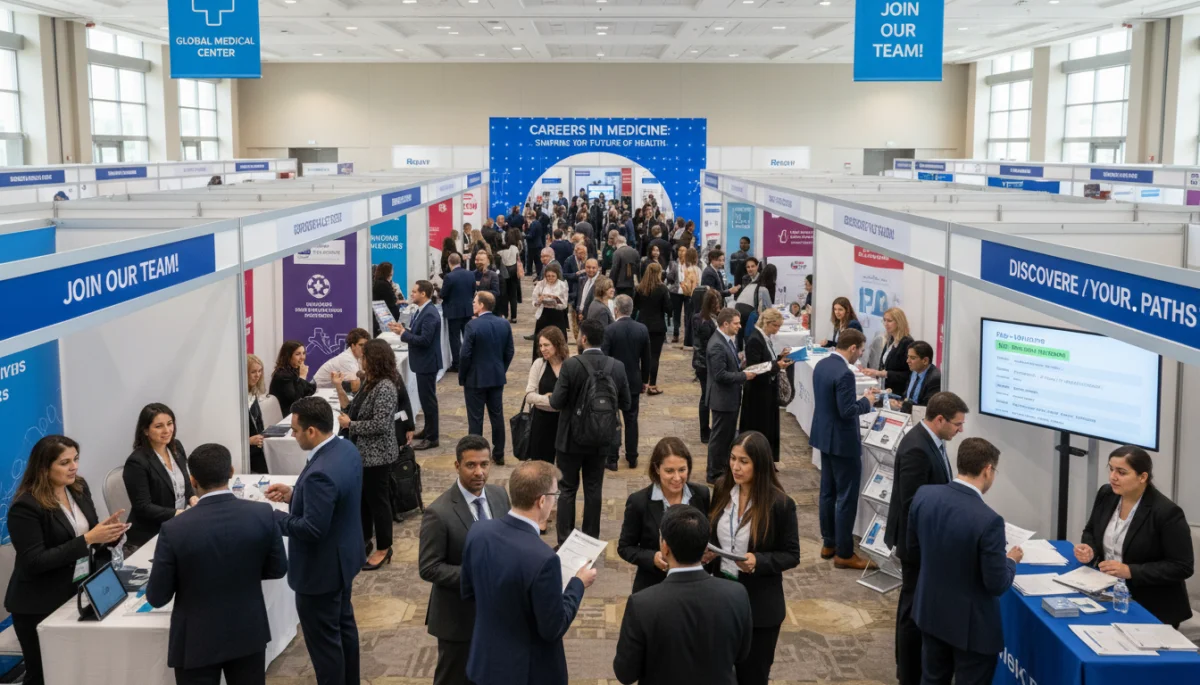
By engaging with students early in their academic journey, organizations can shape their skills to meet specific needs and create a seamless transition from education to employment. This not only benefits the institution but also provides students with valuable experience and a clearer career path. Such partnerships can also help address the educational bottlenecks mentioned earlier, creating a win-win situation.
Streamlining the Application and Onboarding Process
A cumbersome application process can deter even highly motivated candidates. Simplifying application forms, utilizing applicant tracking systems (ATS), and providing clear communication throughout the hiring journey are crucial. Once hired, an effective onboarding program is vital for retaining new employees.
Onboarding should extend beyond basic paperwork, focusing on integrating new hires into the team, providing necessary training, and assigning mentors. A smooth and supportive transition can significantly impact a new employee’s satisfaction and long-term commitment. This demonstrates that the organization values their time and investment from day one.
By adopting these innovative recruitment strategies, healthcare organizations can effectively compete for and secure the top talent needed to overcome persistent healthcare staffing shortages. It’s about creating an attractive proposition and a clear path for professionals to join and thrive within the institution.
Fostering a Culture of Retention and Well-being
Attracting new talent is only half the battle; retaining existing staff is equally, if not more, critical in addressing healthcare staffing shortages. A positive organizational culture that prioritizes employee well-being, professional development, and work-life balance can significantly reduce turnover and create a stable workforce. Retention strategies must be as thoughtful and comprehensive as recruitment efforts.
Prioritizing Employee Well-being and Mental Health
The demanding nature of healthcare work takes a toll on professionals’ mental and emotional health. Organizations must implement robust programs to support employee well-being, moving beyond mere lip service to tangible resources and a culture of empathy.
- Mental Health Services: Offering confidential counseling, stress management workshops, and access to mental health professionals.
- Resilience Training: Equipping staff with coping mechanisms and strategies to manage high-stress situations.
- Peer Support Programs: Creating networks where employees can support each other through shared experiences.
A workplace that genuinely cares for its employees’ well-being fosters loyalty and reduces burnout, making staff more likely to stay. This investment in human capital yields significant returns in terms of reduced turnover and improved patient care.
Investing in Professional Development and Career Growth
Healthcare professionals are often driven by a desire for continuous learning and career advancement. Providing ample opportunities for professional development, specialized training, and clear pathways for career progression can be a powerful retention tool.
This includes offering tuition reimbursement, sponsoring certifications, and creating mentorship programs that allow experienced staff to guide newer employees. When employees see a future within the organization, they are more likely to commit long-term. This also helps in upskilling the existing workforce to meet evolving healthcare demands.
Promoting Work-Life Balance and Flexible Scheduling
Rigid scheduling and a lack of work-life balance are major contributors to dissatisfaction and turnover in healthcare. Offering flexible scheduling options, such as compressed workweeks, part-time roles, or self-scheduling, can significantly improve employee morale and retention.
Embracing technology for scheduling and communication can also streamline processes, giving employees more control over their personal and professional lives. Acknowledging that employees have lives outside of work demonstrates respect and fosters a healthier, more sustainable work environment. This flexibility is increasingly important for attracting younger generations of healthcare professionals.
By focusing on these retention strategies, healthcare organizations can build a loyal and dedicated workforce, effectively mitigating the challenges posed by ongoing healthcare staffing shortages. A supportive and growth-oriented environment is the bedrock of a stable healthcare team.
Leveraging Technology for Workforce Optimization
In the face of persistent healthcare staffing shortages, technology offers powerful tools not just for recruitment, but for optimizing existing workforces and improving operational efficiency. From AI-driven scheduling to telehealth solutions, strategic technology integration can maximize resources and alleviate pressure on staff, ultimately contributing to better patient care and staff satisfaction.
AI-Powered Scheduling and Workforce Management
Manual scheduling in complex healthcare environments is often inefficient and prone to errors, leading to understaffing or overstaffing and increasing administrative burden. AI-powered scheduling systems can analyze patient demand, staff availability, and skill sets to create optimal schedules, ensuring appropriate coverage while respecting employee preferences.
- Demand Forecasting: Predicting patient flow to proactively adjust staffing levels.
- Skill-Based Matching: Ensuring the right professionals are in the right place at the right time.
- Employee Self-Service: Allowing staff to manage their shifts, request time off, and communicate availability.
These systems reduce administrative overhead, minimize scheduling conflicts, and improve employee satisfaction by offering more predictable and equitable work assignments. This efficiency gain can significantly mitigate the impact of staffing gaps.
Implementing Telehealth and Virtual Care Solutions
Telehealth has emerged as a critical tool, not only for expanding patient access but also for optimizing healthcare professional utilization. By shifting certain consultations, monitoring, and follow-ups to virtual platforms, healthcare providers can manage a larger patient load without increasing physical staff on-site.

This approach allows for greater flexibility for practitioners, potentially reducing travel time and improving work-life balance. It also enables specialists to serve patients in remote areas, effectively extending the reach of a limited workforce. Telehealth is a strategic deployment of existing talent, making the most of every healthcare professional’s time and expertise.
Automating Administrative and Repetitive Tasks
Many administrative tasks in healthcare, while essential, consume valuable time that could otherwise be spent on direct patient care. Robotic Process Automation (RPA) and other automation tools can handle repetitive tasks such as data entry, appointment reminders, and billing processes.
By offloading these non-clinical duties, healthcare professionals are freed up to focus on what they do best: caring for patients. This not only enhances efficiency but also improves job satisfaction by allowing staff to perform at the top of their licenses. Reducing administrative burden is a direct way to make healthcare roles more appealing and sustainable, helping to counteract the effects of staffing shortages.
Embracing technology is no longer optional but a necessity for healthcare organizations aiming to overcome staffing challenges. By strategically deploying these tools, institutions can optimize their existing workforce, improve efficiency, and create a more sustainable operational model.
Strategic Workforce Planning and Development
Addressing healthcare staffing shortages requires more than just reactive hiring; it demands a proactive and strategic approach to workforce planning and development. This involves forecasting future needs, investing in comprehensive training, and creating internal pathways for growth to build a resilient and adaptable healthcare team.
Forecasting Future Workforce Needs
Effective workforce planning begins with accurately predicting future demand for various healthcare roles. This involves analyzing demographic trends, technological advancements, changes in healthcare policy, and disease prevalence. By understanding these factors, organizations can anticipate staffing gaps before they become critical.
- Data Analytics: Utilizing predictive models to forecast staffing requirements based on historical data and future projections.
- Scenario Planning: Developing contingency plans for various future scenarios, such as unexpected patient surges or staff departures.
- Skill Gap Analysis: Identifying current and future skill deficits within the existing workforce.
This foresight allows for timely interventions, such as initiating new training programs or adjusting recruitment targets, ensuring a steady supply of qualified professionals to meet evolving patient needs.
Investing in Internal Training and Upskilling Programs
Instead of solely relying on external hires, healthcare organizations should invest heavily in developing their existing staff. Internal training and upskilling programs can equip current employees with new competencies, allowing them to transition into high-demand roles or take on greater responsibilities.
For example, training medical assistants to perform certain administrative tasks or providing advanced certifications for nurses can alleviate pressure on other staff members. This not only addresses skill gaps but also boosts employee morale and loyalty by demonstrating a commitment to their professional growth. It’s a cost-effective way to build a more versatile and capable workforce from within.
Creating Robust Succession Planning Pathways
Succession planning is crucial for ensuring leadership continuity and filling critical roles as experienced staff retire or move on. Identifying high-potential employees and providing them with mentorship, leadership training, and opportunities for advancement can prepare them for future leadership positions.
This systematic approach minimizes disruptions caused by staff turnover at all levels, from frontline supervisors to executive roles. A well-defined succession plan ensures that institutional knowledge is transferred effectively and that a pipeline of capable leaders is always ready to step up, providing stability even amidst broader staffing challenges. This proactive approach strengthens the entire organizational structure.
Strategic workforce planning and development are essential pillars in the long-term solution to healthcare staffing shortages. By looking ahead and investing in their people, organizations can build a workforce that is not only robust but also capable of adapting to the future demands of healthcare.
Enhancing Workplace Culture and Employee Engagement
A thriving workplace culture is a powerful antidote to healthcare staffing shortages, acting as both a magnet for new talent and a strong adhesive for current employees. Beyond compensation, a positive environment, strong leadership, and genuine employee engagement are pivotal for creating a workplace where professionals feel valued, supported, and motivated to stay.
Promoting Transparent Communication and Feedback
Open and honest communication is the bedrock of a healthy workplace culture. Healthcare leaders must foster an environment where employees feel comfortable sharing feedback, raising concerns, and contributing ideas without fear of reprisal. This involves regular town halls, anonymous suggestion boxes, and one-on-one check-ins.
- Regular Updates: Keeping staff informed about organizational changes, successes, and challenges.
- Active Listening: Leaders genuinely listening to employee concerns and acting on constructive feedback.
- Recognition Programs: Acknowledging and celebrating employee contributions publicly and privately.
When employees feel heard and understood, their sense of belonging and commitment to the organization deepens. This transparency builds trust, which is invaluable in high-stress healthcare settings.
Empowering Staff and Fostering Autonomy
Healthcare professionals are highly skilled individuals who thrive when given a degree of autonomy and control over their work. Empowering staff means trusting them to make decisions, providing them with the necessary resources, and involving them in process improvements.
This could involve allowing nurses more input into patient care plans, giving allied health professionals more flexibility in scheduling, or involving frontline staff in developing new clinical protocols. When employees feel empowered, they take greater ownership of their roles, leading to increased job satisfaction and better patient outcomes. It transforms them from mere employees into active contributors.
Building Strong Leadership and Mentorship Programs
Effective leadership is crucial for shaping a positive workplace culture. Leaders who are supportive, empathetic, and communicative can inspire their teams and create a cohesive work environment. Investing in leadership development programs for managers and supervisors is therefore essential.
Furthermore, establishing formal mentorship programs can connect experienced professionals with new hires or those seeking career advancement. Mentors provide guidance, support, and a sense of belonging, helping new employees navigate the complexities of healthcare. This not only aids in retention but also fosters a culture of continuous learning and support. Strong leaders and mentors are vital for fostering a resilient and engaged workforce.
By actively working to enhance workplace culture and boost employee engagement, healthcare organizations can create an environment where professionals flourish. This holistic approach is fundamental to successfully navigating and mitigating the challenges of healthcare staffing shortages, ensuring a stable and dedicated workforce.
The Role of Competitive Compensation and Benefits
While culture and well-being are paramount, competitive compensation and a robust benefits package remain foundational elements in addressing healthcare staffing shortages. In a tight labor market, financial incentives play a significant role in attracting top talent and demonstrating an organization’s value for its employees. A comprehensive approach considers not just salary, but the entire reward structure.
Offering Competitive Salaries and Sign-On Bonuses
To attract the best healthcare professionals, organizations must benchmark their salaries against market rates and be prepared to offer competitive compensation. This often includes offering sign-on bonuses for highly sought-after roles, particularly in critical shortage areas.
- Market Analysis: Regularly reviewing salary data to ensure compensation remains competitive.
- Performance-Based Incentives: Rewarding high-performing employees with bonuses or salary increases.
- Relocation Packages: Assisting candidates moving from other regions with relocation costs.
These financial incentives can be particularly effective in luring experienced professionals away from competitors or attracting new graduates to demanding fields. While not the sole factor, a strong salary foundation is often the first consideration for many job seekers.
Comprehensive Benefits Packages
Beyond salary, a generous benefits package can significantly enhance an organization’s attractiveness. This includes health insurance, retirement plans, paid time off, and other perks that contribute to an employee’s overall well-being and financial security.
Consider offering unique benefits such as student loan repayment assistance, which is a major concern for many new healthcare graduates, or childcare support. These benefits demonstrate a holistic approach to employee welfare and can differentiate an organization in a competitive market. A robust benefits package signals that an employer invests in its people beyond their hourly wage.
Opportunities for Loan Forgiveness and Tuition Reimbursement
The high cost of healthcare education often leaves graduates with substantial student loan debt. Offering programs for loan forgiveness or tuition reimbursement can be a powerful incentive, particularly for younger professionals. This can be tied to a commitment to work for the organization for a specific period, ensuring a return on investment.
These programs not only alleviate financial burden but also act as a strong retention tool, encouraging employees to stay with the organization long enough to benefit fully. It’s a tangible way to support the financial health of staff, making a long-term career path with the institution more appealing. This strategic financial support can be a game-changer in attracting and retaining talent.
By combining competitive compensation with a comprehensive benefits package and financial support programs, healthcare organizations can significantly enhance their ability to attract and retain the skilled professionals needed to overcome healthcare staffing shortages. Financial incentives, when thoughtfully structured, complement efforts to build a positive workplace culture.
Collaborative Approaches and Policy Advocacy
Addressing the pervasive healthcare staffing shortages in the United States requires more than individual organizational efforts; it demands collaborative approaches across the industry and active policy advocacy. By working together, healthcare providers, educational institutions, and government bodies can create systemic changes that foster a more robust and sustainable healthcare workforce for the long term.
Inter-Organizational Partnerships and Resource Sharing
Healthcare organizations can benefit greatly from collaborating with each other, especially in resource-constrained environments. This could involve sharing specialized equipment, cross-training staff, or even pooling resources for recruitment drives. Such partnerships can reduce individual burdens and increase overall efficiency.
- Shared Training Programs: Collaborating on educational initiatives to develop a regional talent pool.
- Staff Exchange Programs: Allowing professionals to gain experience in different settings while easing staffing pressure.
- Joint Recruitment Campaigns: Partnering with other institutions to attract talent to a specific geographic area.
These collaborative models foster a sense of community within the healthcare sector and can lead to more innovative solutions than any single entity could achieve alone. It’s about recognizing that the challenge is collective and requires a collective response.
Advocating for Supportive Public Policies
Government policies play a crucial role in shaping the healthcare workforce. Healthcare organizations must actively advocate for policies that support workforce development, such as increased funding for nursing and medical schools, student loan forgiveness programs, and immigration reforms for international healthcare professionals.
Lobbying for changes that streamline licensing and credentialing across state lines can also ease mobility for healthcare workers, allowing them to practice where they are most needed. These systemic changes can create a more favorable environment for attracting and retaining talent on a national scale. Policy advocacy is a long-term strategy but essential for lasting impact.
Community Engagement and Pipeline Programs
Engaging with local communities, particularly at the high school and undergraduate levels, can inspire the next generation of healthcare professionals. Creating pipeline programs that introduce students to various healthcare careers can spark interest and provide a clear path into the field.
This includes mentorship opportunities, shadow programs, and partnerships with local schools to integrate healthcare education into curricula. By cultivating interest early on, organizations can ensure a steady stream of future talent. Investing in community engagement demonstrates a commitment to the broader well-being of the area, making the organization an attractive employer and community partner.
Through these collaborative and advocacy-driven approaches, the healthcare sector can work towards systemic solutions that transcend individual organizational boundaries. This collective effort is vital for building a resilient workforce capable of meeting the nation’s healthcare needs in the long run, effectively addressing persistent healthcare staffing shortages.
| Key Strategy | Brief Description |
|---|---|
| Innovative Recruitment | Utilize digital platforms, academic partnerships, and streamlined processes to attract top talent. |
| Retention & Well-being | Prioritize employee mental health, professional development, and work-life balance to reduce turnover. |
| Technology Integration | Leverage AI, telehealth, and automation to optimize workforce management and efficiency. |
| Strategic Planning | Forecast needs, invest in internal training, and create succession plans for long-term stability. |
Frequently Asked Questions About Healthcare Staffing Shortages
▼
The main causes include an aging workforce nearing retirement, increased demand from an aging patient population, widespread burnout and stress among current staff, and educational bottlenecks limiting the supply of new graduates. These factors create a complex challenge for healthcare organizations.
▼
Organizations can attract top talent by leveraging digital recruitment platforms, building strong partnerships with academic institutions, offering competitive compensation and benefits, and ensuring a streamlined, positive application and onboarding experience. Employer branding also plays a crucial role.
▼
Effective retention strategies involve prioritizing employee well-being and mental health support, investing in professional development and career growth opportunities, promoting work-life balance through flexible scheduling, and fostering a positive and communicative workplace culture.
▼
Yes, technology is a powerful tool. AI-powered scheduling optimizes workforce deployment, telehealth solutions expand care delivery without increasing physical staff, and automation of administrative tasks frees up healthcare professionals for direct patient care, enhancing efficiency.
▼
Policy advocacy is vital for systemic change, such as securing funding for education or streamlining licensing. Collaborative efforts, including inter-organizational partnerships and community engagement, help build regional talent pools and inspire future generations of healthcare professionals, creating a sustainable workforce.
Conclusion
Navigating the complex landscape of healthcare staffing shortages in the United States demands a comprehensive and multi-faceted approach. From understanding the root causes of these challenges to implementing innovative recruitment and robust retention strategies, every aspect of workforce management must be re-evaluated. By prioritizing employee well-being, embracing technological advancements, engaging in strategic workforce planning, and advocating for supportive policies, healthcare organizations can not only overcome current hurdles but also build a resilient and thriving workforce for the future. Securing top talent is not just about filling vacancies; it’s about investing in the people who are the backbone of our healthcare system, ensuring continued high-quality care for all.
