Accelerated Degree Programs: Earn Your Bachelor’s Faster

Accelerated degree programs offer a streamlined pathway to earning a bachelor’s degree in less time than traditional programs, often leading to substantial tuition savings and quicker entry into the workforce.
Considering how to earn your bachelor’s degree more quickly and efficiently while also being mindful of costs? Accelerated degree programs present a compelling solution, designed for motivated individuals seeking to fast-track their education and career aspirations. These programs condense the traditional four-year timeline into a shorter, more intensive period, offering a strategic advantage in today’s competitive landscape.
Understanding the Core of Accelerated Degree Programs
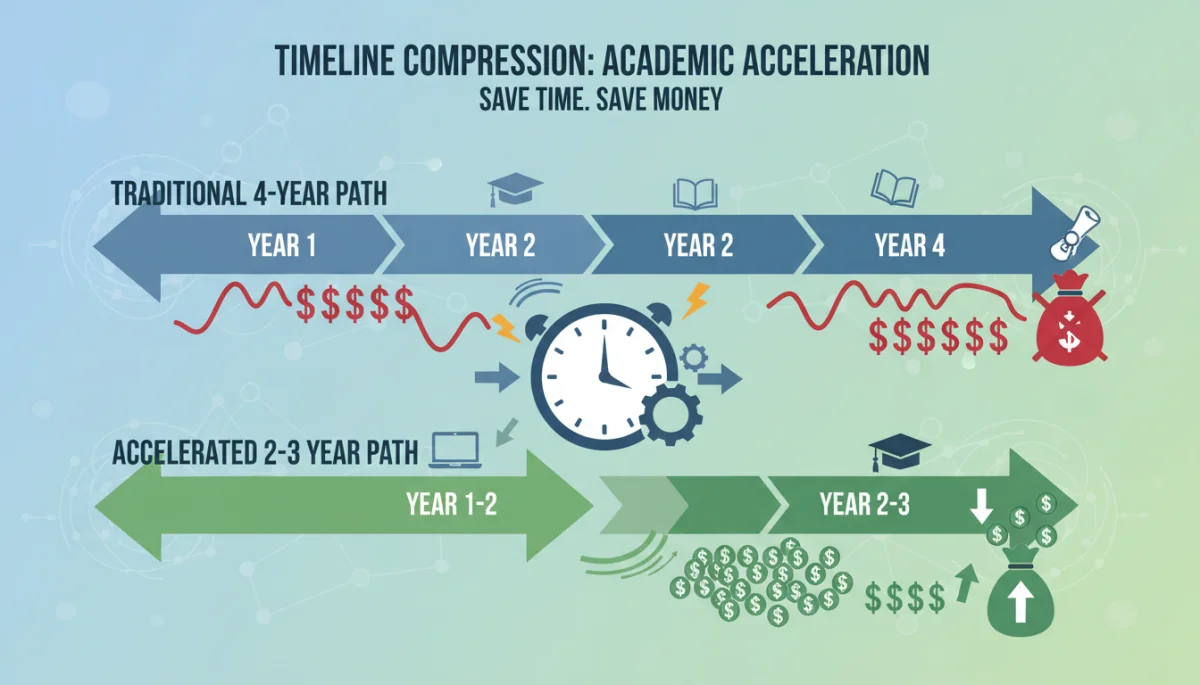
Accelerated degree programs are academic pathways structured to allow students to complete their bachelor’s degree in a significantly reduced timeframe compared to conventional programs. This often means finishing a four-year degree in two to three years, or even less, depending on the program’s design and the student’s prior credits. The fundamental principle is to maximize credit accumulation and learning efficiency.
These programs typically achieve this acceleration through several mechanisms. They might involve year-round study, including summer sessions, more intensive course loads per semester, or by granting credit for prior learning experiences, such as AP exams, college-level examination programs (CLEP), or relevant work experience. The intensity requires a high level of commitment and self-discipline from students, but the rewards—quicker graduation and potential cost savings—are substantial.
Key Characteristics of Accelerated Programs
To truly understand what sets these programs apart, it’s essential to look at their defining features. They are not simply about cramming more courses into a shorter period; rather, they involve a thoughtful redesign of curriculum delivery and student support.
- Intensive Course Loads: Students in accelerated programs often take more credits per term than their traditional counterparts, requiring strong time management and study habits.
- Year-Round Study: Many programs utilize summer and winter breaks for additional coursework, ensuring continuous progress towards the degree.
- Prior Learning Assessment (PLA): Institutions often evaluate a student’s previous academic achievements, professional certifications, or life experiences for college credit, significantly reducing the number of courses needed.
- Online and Hybrid Formats: A large number of accelerated programs are offered online or in hybrid formats, providing flexibility for students, especially working adults, to balance their studies with other commitments.
The core of accelerated degree programs lies in their efficiency and targeted approach. They are designed for individuals who are ready to dedicate themselves fully to their studies and are eager to enter the workforce or advance their careers without delay. This focused approach not only saves time but also often translates into considerable financial benefits by reducing the overall cost of education.
The Financial Advantage: Saving Tuition and More
One of the most compelling reasons students opt for accelerated degree programs is the significant financial savings they can offer. While the per-credit cost might be similar to traditional programs, the overall reduction in time spent in college directly impacts the total tuition fees and associated living expenses. Fewer semesters mean fewer tuition bills, fewer housing costs, and less money spent on textbooks and other educational materials.
Beyond direct tuition savings, accelerating your degree can also have a profound impact on your earning potential. Graduating sooner means entering the workforce earlier, or advancing in your current career more quickly, translating into a faster start to earning a professional salary. This earlier entry into the job market can lead to several years of additional income compared to peers in traditional programs, creating a substantial cumulative financial benefit over a lifetime.
Reduced Living Expenses and Opportunity Costs
The financial benefits extend beyond just tuition. For many students, the cost of living—rent, utilities, food, transportation—constitutes a significant portion of their educational expenses. By shortening the time spent as a full-time student, individuals can dramatically cut down on these recurring costs. Furthermore, there’s the concept of opportunity cost.
- Lower Overall Debt: Less time in school generally means fewer student loans are needed, leading to lower accumulated debt upon graduation.
- Earlier Career Entry: Graduating sooner allows you to begin your professional career and start earning a full-time income earlier, reducing the period of foregone earnings.
- Reduced Ancillary Fees: Many university fees are charged per semester or per year. A shorter program duration means fewer of these fees.
- Faster ROI on Education: The return on investment for your education happens sooner when you can apply your degree in the professional world more quickly.
The financial calculus of accelerated programs is often very favorable. Students not only save on immediate educational costs but also gain a head start on their earning potential, making these programs a smart investment for those looking to maximize their educational and financial outcomes. It’s a strategic move that considers both the expense of education and the value of time.
Who Benefits Most from Accelerated Degree Programs?
While the idea of earning a bachelor’s degree faster and saving money is universally appealing, accelerated degree programs are particularly well-suited for specific types of students. These programs demand a high level of motivation, discipline, and often, a clear career path in mind. They are not for everyone, but for the right individual, they can be a game-changer.
Ideal candidates often include working professionals looking to upskill or career-change, individuals with prior college credits from community colleges or previous university attempts, and highly motivated high school graduates ready for an intensive academic experience. The key is a readiness for a fast-paced learning environment and the ability to manage a demanding schedule.
Ideal Candidate Profiles
Several profiles emerge as particularly well-suited for the rigorous yet rewarding nature of accelerated degree programs. Understanding these can help prospective students determine if this path aligns with their personal and professional goals.
- Transfer Students: Those with a significant number of existing college credits, such as an associate’s degree, can often seamlessly transfer into an accelerated bachelor’s program, completing their remaining credits much faster.
- Working Adults/Career Changers: Professionals seeking to advance their careers or transition into a new field often find the flexible, condensed format of accelerated programs ideal for balancing work and family responsibilities.
- Highly Motivated High School Graduates: Students who are academically prepared and eager to jumpstart their careers can thrive in the challenging environment of an accelerated program, provided they have strong study habits.
- Military Personnel and Veterans: Many programs are designed to recognize and grant credit for military training and experience, offering a direct path to a degree for those transitioning to civilian life.
Ultimately, the success in an accelerated program hinges on a student’s commitment and preparedness. It requires a proactive approach to learning, effective time management, and a clear understanding of one’s academic and career objectives. For those who fit this mold, the benefits of a quicker, more affordable degree are immense and can significantly impact their future trajectory.
Navigating the Application and Enrollment Process
Applying to accelerated degree programs requires a focused approach, often differing slightly from traditional college applications. Prospective students need to understand the specific requirements and deadlines, which can sometimes be more stringent due to the program’s condensed nature. It’s crucial to research programs thoroughly and prepare all necessary documentation well in advance.
Many accelerated programs look for evidence of academic preparedness, maturity, and a clear understanding of the commitment required. This might include strong academic transcripts, letters of recommendation, and a personal statement outlining your motivations and goals. For working professionals, a resume detailing relevant work experience can also be a significant asset.
Essential Steps for Prospective Students
To ensure a smooth application and enrollment experience, prospective students should follow a structured approach. This involves careful planning and attention to detail, especially concerning transfer credits and program-specific prerequisites.
- Research Programs Extensively: Look for accredited institutions offering programs in your desired field. Pay close attention to program structure, credit requirements, and faculty expertise.
- Assess Transfer Credits: Gather all official transcripts from previous institutions. Understand how your prior coursework and any standardized test scores (AP, CLEP) will transfer and apply to the accelerated curriculum.
- Meet Specific Prerequisites: Some accelerated programs, especially in specialized fields like nursing or education, may have specific prerequisite courses or professional experience requirements that must be met before admission.
- Prepare a Strong Application: Craft a compelling personal statement, secure strong letters of recommendation, and ensure all application materials highlight your readiness for an intensive academic environment.
The application process for accelerated degree programs is an opportunity to demonstrate your commitment and suitability. By being thorough and proactive, you can significantly enhance your chances of acceptance and embark on a path to earning your bachelor’s degree efficiently and effectively. It’s a journey that begins with careful planning and a clear vision.
Maximizing Success in an Accelerated Environment
Succeeding in an accelerated degree program demands more than just academic aptitude; it requires strategic planning, effective time management, and a robust support system. The condensed nature of these programs means that missed deadlines or falling behind can have a greater impact than in traditional settings. Therefore, students must adopt proactive strategies to stay on track and thrive.
One of the most critical aspects is developing strong organizational skills. This includes creating a detailed study schedule, prioritizing tasks, and utilizing tools like calendars and planners to keep track of assignments, exams, and project deadlines. Furthermore, engaging actively with course material and seeking help when needed are paramount to maintaining momentum.
Strategies for Academic Excellence and Well-being
Balancing intense academics with personal life requires intentional strategies. Students in accelerated programs often find that self-care and stress management are just as important as their study habits.
- Develop a Strict Study Schedule: Allocate dedicated time slots for studying, assignments, and lectures, treating them as non-negotiable appointments. Consistency is key.
- Utilize Academic Support Services: Don’t hesitate to use tutoring, writing centers, or academic advising. These resources are invaluable for navigating challenging coursework and staying on track.
- Build a Support Network: Connect with classmates, professors, and mentors. A strong support system can provide encouragement, study partners, and valuable insights.
- Prioritize Self-Care: Ensure you are getting adequate sleep, eating nutritious meals, and taking breaks to avoid burnout. Mental and physical well-being are crucial for sustained performance.
- Stay Organized: Keep track of all course materials, deadlines, and communications. Digital tools and apps can be highly beneficial for managing your academic load.
Success in an accelerated program is a testament to a student’s resilience and strategic approach. By implementing these strategies, individuals can not only excel academically but also maintain a healthy balance, ultimately achieving their degree goals efficiently and effectively. It’s about working smarter, not just harder, to navigate the demands of a fast-paced educational journey.
Beyond Graduation: Career Prospects with an Accelerated Degree
Earning a degree through an accelerated degree program not only saves time and money but also positions graduates advantageously in the job market. Employers increasingly value candidates who demonstrate efficiency, commitment, and the ability to adapt to rigorous demands—qualities inherently cultivated in accelerated programs. The quicker entry into the workforce means graduates can start building their professional experience and climbing the career ladder sooner.
For working professionals, an accelerated degree can be a catalyst for career advancement, opening doors to promotions, leadership roles, or entirely new career paths. The focused and intensive nature of these programs often ensures that graduates possess highly relevant and up-to-date skills, making them attractive to employers seeking immediate contributions.

Leveraging Your Accelerated Degree in the Job Market
Graduates of accelerated programs should actively highlight the unique aspects of their educational journey when seeking employment. Emphasizing the speed and rigor of their program can differentiate them from candidates with traditional degrees, showcasing valuable soft skills alongside academic achievements.
- Demonstrate Time Management: Your ability to complete a demanding degree in a shorter timeframe speaks volumes about your organizational skills and efficiency.
- Highlight Adaptability and Resilience: The intensive nature of accelerated programs fosters adaptability and resilience, highly sought-after traits in any professional environment.
- Emphasize Practical Skills: Many accelerated programs, especially those for working adults, integrate practical, real-world applications, making graduates immediately valuable to employers.
- Network Actively: Utilize your university’s career services and alumni network. Your unique path may resonate with employers looking for driven individuals.
An accelerated degree is more than just a piece of paper; it’s a testament to your drive, capacity for hard work, and commitment to personal and professional development. By effectively articulating the value of your accelerated education, you can confidently pursue and secure rewarding career opportunities, leveraging your early entry into the workforce for long-term success. This path not only accelerates your education but also your professional trajectory.
| Key Aspect | Brief Description |
|---|---|
| Time Efficiency | Complete a bachelor’s degree in 2-3 years, not 4, through intensive study and year-round courses. |
| Cost Savings | Reduce overall tuition, living expenses, and potentially student loan debt due to shorter program duration. |
| Career Acceleration | Enter the job market or advance in your career sooner, leading to earlier earning potential. |
| Ideal Candidates | Suited for motivated transfer students, working adults, and disciplined high school graduates. |
Frequently Asked Questions About Accelerated Degrees
Yes, absolutely. As long as the institution is accredited, an accelerated degree holds the same academic weight and respect as a traditional degree. Employers value the efficiency and dedication demonstrated by graduates of these intensive programs, recognizing the rigorous curriculum and expedited completion.
Common accelerated programs include those in business administration, nursing, education, computer science, and liberal arts. Many are offered online or in hybrid formats, making them accessible to a wider range of students, especially working professionals and those with prior college credits.
While challenging, it is possible for some individuals, especially with online or hybrid programs offering flexibility. However, the intensive workload often requires significant time commitment. Many students choose to work part-time or reduce their work hours to manage the academic demands effectively.
Consider your motivation, discipline, time management skills, and ability to handle a fast-paced environment. If you have a clear career goal, strong academic readiness, and are prepared for an intensive study schedule, an accelerated program could be an excellent fit for your educational journey.
Potential drawbacks include a higher risk of burnout due to intensive workloads, less time for extracurricular activities or internships, and a faster pace that might not suit all learning styles. It requires significant commitment and self-discipline to maintain academic performance.
Conclusion
Accelerated degree programs offer a transformative pathway for individuals eager to earn their bachelor’s degree efficiently and cost-effectively. By condensing the traditional academic timeline, these programs not only enable significant tuition savings but also provide a crucial head start in career development. For motivated students, working professionals, and those with prior college credits, the rigorous yet rewarding nature of accelerated learning can unlock new opportunities and accelerate professional growth. Embracing this educational model can be a strategic decision, positioning graduates for earlier entry into the workforce and a faster return on their educational investment, ultimately shaping a more dynamic and prosperous future.
