Achieving Healthcare Certifications: Advance Your Career

Achieving healthcare certifications is a strategic pathway to career advancement, enabling professionals to specialize, enhance their skill sets, and significantly increase their earning potential within the dynamic U.S. healthcare landscape.
Are you looking to elevate your standing in the competitive healthcare industry? Achieving healthcare certifications is not just about adding credentials; it’s a transformative step that can redefine your professional trajectory, opening doors to new opportunities and greater responsibilities within the United States.
Understanding the Value of Healthcare Certifications
Healthcare certifications serve as a testament to specialized knowledge and validated skills within a specific area of practice. They are more than just pieces of paper; they are recognized benchmarks of competence that assure employers and patients alike of a professional’s expertise and commitment to quality care.
In a field as critical and rapidly evolving as healthcare, these certifications signal a dedication to ongoing learning and adherence to industry best practices. They often translate directly into enhanced career prospects, including higher salaries, leadership roles, and increased job security.
Why Certifications Matter in Today’s Healthcare Landscape
The healthcare sector in the U.S. is constantly changing, driven by technological advancements, new regulations, and evolving patient needs. Certifications help professionals stay current and relevant, proving their ability to adapt and excel.
- Enhanced Credibility: Certifications validate your skills and knowledge, making you a more trustworthy candidate.
- Increased Earning Potential: Certified professionals often command higher salaries due to their specialized expertise.
- Career Advancement: Many advanced roles require specific certifications, making them essential for upward mobility.
- Job Security: Specialized skills are always in demand, providing a buffer against economic downturns.
Furthermore, certifications demonstrate a commitment to professional excellence. This dedication can set individuals apart in a crowded job market, showing potential employers that they are serious about their craft and dedicated to providing superior patient care. The pursuit of certification often involves rigorous study and practical experience, which further hones a professional’s capabilities.
Ultimately, understanding the intrinsic value of these credentials is the first crucial step in formulating a successful plan for career advancement. They are an investment in one’s future, promising substantial returns in terms of professional growth and personal satisfaction within the vital healthcare industry.
Identifying the Right Certification for Your Career Goals
Choosing the appropriate healthcare certification is a pivotal decision that directly influences your career trajectory. It requires careful consideration of your current role, long-term aspirations, and the specific demands of the healthcare market. A well-chosen certification can significantly accelerate your professional growth and open doors to specialized areas.
Assessing Your Current Role and Future Aspirations
Before embarking on any certification journey, take stock of your existing skills and experience. What aspects of your job do you enjoy most? Where do you see yourself in five or ten years? Do you aim for clinical specialization, administrative leadership, or perhaps a role in health informatics?
For instance, a registered nurse might consider certifications in critical care (CCRN), emergency nursing (CEN), or even a nurse practitioner license if they aspire to advanced clinical practice. Conversely, someone in an administrative role might look into certifications like Certified Professional in Healthcare Quality (CPHQ) or Certified Professional Coder (CPC) to specialize in compliance or billing.
- Clinical Specialization: Focus on certifications that deepen your expertise in a specific medical field, such as cardiology, pediatrics, or oncology.
- Administrative Roles: Explore certifications in healthcare management, project management, or quality improvement to lead teams and optimize operations.
- Technical Skills: Consider certifications in health information technology, electronic health records (EHR) systems, or cybersecurity within healthcare.
Researching market demand is equally important. Utilize resources like the Bureau of Labor Statistics (BLS) and professional association websites to identify in-demand certifications. These resources can provide insights into salary expectations, job growth projections, and the typical requirements for various roles. Aligning your certification choice with market needs ensures that your investment yields maximum returns.
Ultimately, the right certification is one that not only aligns with your personal passion but also strategically positions you for success in the evolving healthcare job market. It should be a thoughtful choice, informed by both self-reflection and comprehensive market analysis.
Developing a Strategic Study Plan
Once you’ve identified the ideal certification, the next critical step in achieving healthcare certifications is to develop a robust and strategic study plan. This plan should be tailored to your learning style, available time, and the specific requirements of the certification exam. A well-structured approach can significantly increase your chances of success.
Setting Realistic Goals and Timelines
Begin by breaking down the certification process into manageable steps. Understand the exam format, content areas, and passing score. Establish a realistic timeline for preparation, accounting for your work schedule, family commitments, and personal energy levels. Avoid burnout by pacing yourself and scheduling regular breaks.
Many certification bodies provide detailed outlines of the exam content, often referred to as a ‘content blueprint’ or ‘candidate handbook.’ These documents are invaluable resources for understanding what topics will be covered and to what depth. Use them to guide your study material selection and to prioritize areas where you may need more focus.
Leveraging Effective Study Resources and Techniques
A variety of resources can aid your preparation. Textbooks, online courses, study guides, practice exams, and professional workshops are all valuable tools. Consider joining study groups to collaborate with peers, share insights, and hold each other accountable. Active recall and spaced repetition are highly effective study techniques that can enhance retention.
- Official Study Guides: Always start with materials provided or recommended by the certifying body.
- Online Learning Platforms: Utilize platforms offering structured courses and interactive modules.
- Practice Exams: Regularly take practice tests to familiarize yourself with the exam format and identify weak areas.
- Study Groups: Collaborate with peers to discuss complex topics and reinforce understanding.
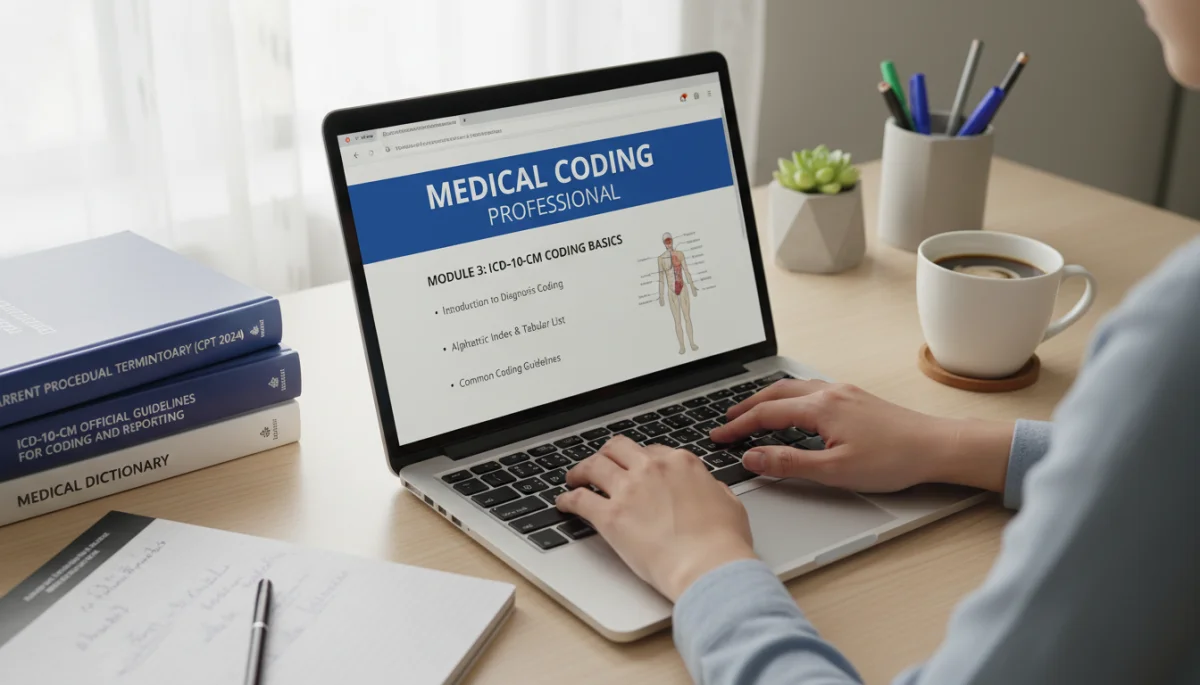
Beyond traditional methods, consider incorporating real-world application into your study routine. If possible, seek opportunities at work or through volunteer efforts to practice the skills covered by the certification. This practical experience can solidify theoretical knowledge and provide a deeper understanding of the concepts.
Ultimately, a strategic study plan is dynamic and adaptable. Regularly assess your progress, adjust your methods as needed, and stay motivated by reminding yourself of the career advancement benefits that await you upon successful certification. Consistent effort and a smart approach are key to mastering the material and passing your exam.
Navigating the Certification Application and Examination Process
The journey to achieving healthcare certifications culminates in successfully navigating the application and examination process. This stage requires meticulous attention to detail, adherence to deadlines, and a calm, focused approach on exam day. Understanding each step can alleviate stress and ensure a smoother experience.
Understanding Eligibility Requirements and Application Procedures
Before you even think about the exam, thoroughly review the eligibility criteria for your chosen certification. These often include specific educational backgrounds, a certain number of clinical hours, or prior professional licenses. Ensure you meet all prerequisites to avoid delays or disqualification. Gather all necessary documentation, such as transcripts, letters of recommendation, or proof of experience, well in advance.
The application process typically involves submitting an online form, paying a fee, and uploading supporting documents. Pay close attention to submission deadlines and any specific instructions provided by the certifying organization. Double-check all information for accuracy before submitting your application. Any errors could lead to processing delays.
Preparing for and Taking the Exam
Once your application is approved, you’ll receive information on scheduling your exam. Choose a test date that allows ample time for final review but isn’t so far in the future that motivation wanes. Familiarize yourself with the testing center’s rules and procedures. Know what you can and cannot bring into the exam room.
On exam day, aim to arrive early to avoid rushing. Get a good night’s sleep beforehand and eat a nutritious meal. During the exam, read each question carefully and manage your time effectively. If permitted, use the process of elimination for multiple-choice questions and don’t be afraid to flag questions to revisit later if you’re unsure.
- Review Eligibility: Confirm all educational, experience, and licensing requirements.
- Gather Documents: Collect transcripts, experience logs, and identification early.
- Submit Application: Complete forms accurately and pay fees by deadlines.
- Schedule Exam: Choose a date that balances preparation with minimizing stress.
- Practice Test Conditions: Simulate the exam environment during your final study sessions.
Remember that the exam is a test of both your knowledge and your ability to perform under pressure. Staying calm and focused can make a significant difference. After the exam, results may be immediate or take several weeks. Regardless of the outcome, reflect on your experience and consider it a valuable learning opportunity. Successfully navigating this process is a major milestone in your professional development.
Leveraging Your New Certification for Career Advancement
Once you’ve successfully completed the rigorous process of achieving healthcare certifications, the real work begins: leveraging your new credential to propel your career forward. This isn’t a passive waiting game; it requires proactive steps to ensure your certification translates into tangible professional growth and new opportunities.
Updating Your Professional Profile and Networking
Immediately update your resume, LinkedIn profile, and any professional biographies to prominently feature your new certification. Make sure to include the full name of the certification and the issuing body. This signals to potential employers and colleagues that you possess specialized skills and a commitment to professional excellence.
Actively participate in professional organizations related to your certification. Attend conferences, workshops, and networking events. These gatherings are invaluable for connecting with peers, mentors, and hiring managers who recognize the value of your specific credential. Networking can open doors to opportunities that might not be publicly advertised.
Seeking New Opportunities and Negotiating for Growth
With your new certification, you are now qualified for a broader range of positions, including those with increased responsibility and higher compensation. Actively seek out job postings that specifically list your certification as a requirement or preferred qualification. Don’t be afraid to apply for roles you might have considered out of reach before.
During salary negotiations, your certification serves as a strong bargaining chip. Highlight how your specialized skills contribute directly to improved patient outcomes, operational efficiency, or compliance, demonstrating your value beyond basic job requirements. Be prepared to articulate the return on investment your certification brings to an employer.
- Resume Enhancement: Prominently display your certification on all professional documents.
- LinkedIn Optimization: Update your profile to reflect new credentials and skills.
- Professional Networking: Engage with industry leaders and peers in your specialized field.
- Targeted Job Search: Focus on roles that specifically require or prefer your new certification.
- Salary Negotiation: Use your certification as leverage for higher compensation and better benefits.

Furthermore, consider how your certification can lead to internal promotions or special projects within your current organization. Propose initiatives where your specialized knowledge can add significant value. Demonstrating initiative and applying your new skills can lead to recognition and advancement from within.
Leveraging your certification is an ongoing process that requires continuous engagement with your professional community and a strategic approach to your career. It’s about actively showcasing your enhanced capabilities and seeking out the opportunities that align with your elevated professional status.
Maintaining Your Certification and Continuing Education
Achieving healthcare certifications is not a one-time event; it’s a commitment to lifelong learning and professional development. Maintaining your certification ensures that your skills remain current and that you continue to meet industry standards. This ongoing process is crucial for sustained career advancement and credibility in the healthcare field.
Understanding Recertification Requirements
Most healthcare certifications have specific recertification requirements, which typically involve earning a certain number of continuing education (CE) credits within a defined period. These requirements are designed to ensure that certified professionals stay abreast of the latest advancements, best practices, and regulatory changes in their specialty.
Carefully review the recertification guidelines provided by your certifying body. Pay attention to deadlines, acceptable types of CE activities, and any renewal fees. Some certifications may also require re-examination or proof of ongoing clinical practice. Proactively tracking your CE credits is essential to avoid last-minute stress.
Engaging in Continuous Professional Development
Beyond meeting minimum recertification standards, embrace a mindset of continuous professional development. The healthcare landscape is constantly evolving, with new research, technologies, and treatment modalities emerging regularly. Staying informed not only helps you maintain your certification but also enhances your expertise and value as a healthcare professional.
Seek out diverse learning opportunities. Attend webinars, seminars, and conferences; read peer-reviewed journals; participate in professional development courses; and engage in mentorship programs. These activities not only provide CE credits but also broaden your perspective and introduce you to innovative ideas and practices.
- Track CE Credits: Keep meticulous records of all continuing education activities.
- Adhere to Deadlines: Submit recertification applications well before expiration dates.
- Stay Updated: Regularly read industry publications and research.
- Participate in Workshops: Attend events that offer hands-on learning and networking.
- Mentor Others: Teaching and guiding junior professionals can also count towards professional development.
Furthermore, consider how you can contribute to the advancement of your profession. Presenting at conferences, publishing articles, or serving on professional committees can demonstrate leadership and deepen your expertise. These contributions not only fulfill CE requirements but also elevate your professional standing.
Maintaining your certification is an integral part of your professional journey. It reflects your dedication to excellence, your adaptability, and your commitment to providing the highest quality of care. By consistently engaging in continuing education, you ensure that your certification remains a powerful asset for career advancement.
| Key Aspect | Brief Description |
|---|---|
| Value of Certifications | Credentials validate specialized skills, increasing credibility and earning potential in healthcare. |
| Choosing Right Certification | Align your certification choice with career goals and market demand for optimal impact. |
| Strategic Study Plan | Develop a tailored study approach using diverse resources and effective techniques. |
| Maintaining Certification | Commit to continuous education and meet recertification requirements to stay current. |
Frequently Asked Questions About Healthcare Certifications
Healthcare certifications offer numerous benefits, including enhanced credibility, increased earning potential, greater career advancement opportunities, and improved job security. They validate specialized skills and knowledge, making professionals more competitive and sought after in the U.S. healthcare job market.
Choosing the right certification involves assessing your current role, long-term career aspirations, and researching market demand. Consider your passions and where you want to specialize, then align these with certifications that offer strong job growth and salary prospects. Consult professional associations for guidance.
An effective study plan includes setting realistic goals, understanding the exam’s content blueprint, and utilizing diverse resources such as official study guides, online courses, and practice exams. Incorporate active recall, spaced repetition, and consider joining study groups for collaborative learning and accountability.
To leverage your certification, update all professional profiles (resume, LinkedIn), actively network within your specialty, and target job roles that specifically require your new credential. Use your certification as a strong negotiating tool for higher salaries and promotions, highlighting your specialized value.
Maintaining healthcare certifications typically requires earning a specific number of continuing education (CE) credits within a set period. It’s crucial to track these credits, adhere to recertification deadlines, and engage in continuous professional development to stay current with industry advancements and best practices.
Conclusion
Achieving healthcare certifications represents a strategic and impactful investment in your professional future. By carefully selecting the right credential, developing a disciplined study regimen, successfully navigating the examination process, and proactively leveraging your new status, you can unlock unparalleled opportunities for career advancement. Furthermore, a commitment to ongoing education and recertification ensures that your expertise remains relevant and highly valued in the ever-evolving U.S. healthcare landscape. Embrace this journey to elevate your career and make a lasting impact.
