Allied Health Professions: Growth & Career Path Guide
Understanding growth in allied health professions: your career path involves recognizing the increasing demand for specialized healthcare roles, identifying diverse educational routes, and strategically planning for long-term professional development within the dynamic US healthcare landscape.
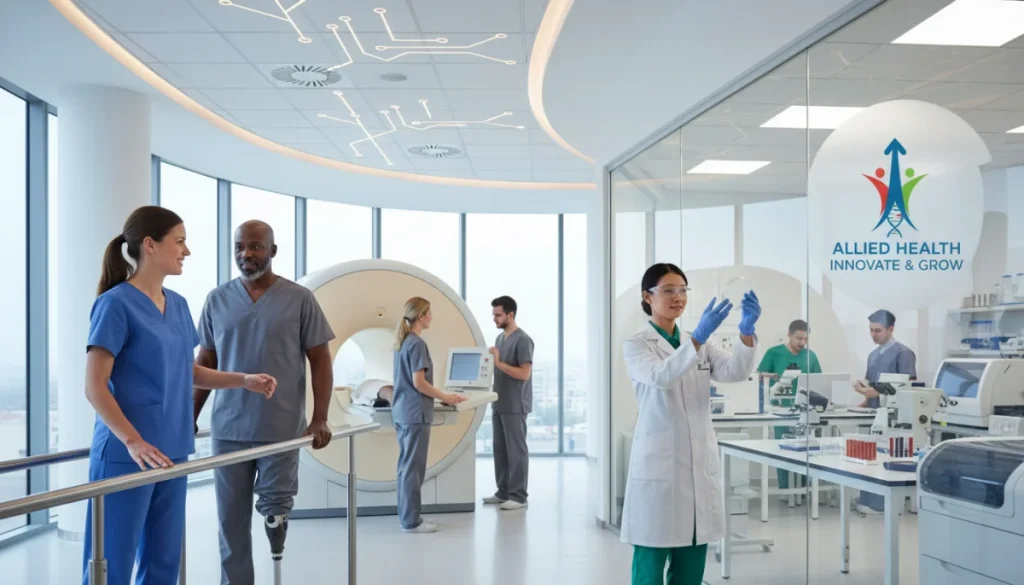
Are you considering a career in healthcare, but not as a doctor or nurse? Then understanding growth in allied health professions: your career path might be exactly what you need to explore. These vital roles are expanding rapidly, offering diverse opportunities and significant impact on patient care across the United States.
The Expanding Landscape of Allied Health
The healthcare industry in the United States is undergoing significant transformation, driven by an aging population, advancements in medical technology, and a greater emphasis on preventive care. This evolution has created a robust demand for skilled professionals beyond traditional medical and nursing roles, leading to substantial growth in allied health professions.
Allied health professionals are a critical component of the healthcare delivery system, working collaboratively with physicians, nurses, and other specialists to provide comprehensive patient care. Their expertise spans a wide array of diagnostic, therapeutic, and preventative services, addressing various aspects of health and well-being. From diagnosing conditions to assisting in rehabilitation, these professionals ensure a holistic approach to patient recovery and health maintenance.
What Defines Allied Health?
Allied health encompasses a broad spectrum of health disciplines that are distinct from medicine and nursing. These professions require specialized education and training, often culminating in certifications, associate’s degrees, bachelor’s degrees, or even master’s and doctoral degrees. The core focus is on direct patient care, support services, and health management.
- Diagnostic Services: Professionals who identify health issues, such as radiologic technologists and medical laboratory scientists.
- Therapeutic Services: Those who provide treatment and rehabilitation, including physical therapists, occupational therapists, and speech-language pathologists.
- Health Information Management: Specialists who manage patient data and health records, like health information technicians.
- Support Services: Roles that ensure the smooth operation of healthcare facilities, such as dietitians and respiratory therapists.
Understanding the varied nature of these roles is crucial for anyone looking to enter this dynamic field. Each profession plays a unique and indispensable part in the patient care continuum, contributing to better health outcomes and a more efficient healthcare system. The increasing complexity of healthcare also means that many allied health roles are becoming more specialized, requiring continuous education and adaptation to new technologies and methodologies.
The growth trajectory for allied health professions is projected to continue its upward trend for the foreseeable future, making it an attractive sector for individuals seeking stable and impactful careers. This sustained demand is largely due to demographic shifts, such as the growing elderly population, which requires more long-term care and rehabilitation services. Furthermore, the integration of new technologies, like telehealth and advanced diagnostic tools, necessitates skilled professionals who can operate and interpret these systems effectively, further fueling the demand for allied health experts.
Key Drivers of Growth in Allied Health
The robust expansion of allied health professions is not a random phenomenon but a direct result of several powerful, interconnected factors shaping the contemporary healthcare landscape. These drivers create a sustained demand for specialized skills, ensuring a promising outlook for those considering a career in this sector.
One of the most significant factors is the demographic shift in the United States. As the baby boomer generation ages, there is an escalating need for chronic disease management, rehabilitation services, and long-term care. This demographic change places immense pressure on the healthcare system to provide comprehensive support, and allied health professionals are at the forefront of meeting these needs.
Technological Advancements and Their Impact
Innovation in medical technology plays a pivotal role. New diagnostic tools, treatment modalities, and digital health solutions continually emerge, requiring skilled professionals to operate and interpret them. For instance, advances in medical imaging demand expert radiologic technologists, while sophisticated laboratory tests require highly trained medical laboratory scientists.
- Telehealth Expansion: The rise of virtual care platforms has created new roles and expanded the reach of existing allied health services, allowing professionals to provide care remotely.
- Advanced Diagnostics: Sophisticated equipment for imaging and laboratory analysis necessitates specialists trained in their operation and data interpretation.
- Electronic Health Records (EHR): The digitalization of patient information requires health information technicians to manage and secure vast amounts of data efficiently.
Beyond technology, a growing emphasis on preventive care and population health management is also a major catalyst. Healthcare systems are shifting from a reactive model of treating illness to a proactive approach focused on preventing disease and promoting wellness. This paradigm shift increases the demand for allied health professionals who specialize in areas like nutrition, health education, and public health initiatives. Their expertise helps individuals and communities adopt healthier lifestyles, reducing the burden of chronic diseases and improving overall public health outcomes. This focus on prevention ensures that allied health roles are not just about treating sickness but also about fostering long-term well-being.

Furthermore, the team-based care model is becoming increasingly prevalent. Healthcare is no longer solely physician-centric; it involves a multidisciplinary team working collaboratively to optimize patient outcomes. Allied health professionals are integral members of these teams, bringing their unique expertise to diagnosis, treatment planning, and rehabilitation. This collaborative environment enhances efficiency, improves patient satisfaction, and leads to better overall health results. The recognition of their essential contribution within these teams further solidifies their importance and demand in the healthcare sector.
Diverse Career Paths in Allied Health
One of the most compelling aspects of allied health is the sheer diversity of career paths available. This sector offers a multitude of roles, each with its own specific skill set, educational requirements, and patient interaction levels. This variety allows individuals to find a profession that aligns perfectly with their interests, aptitudes, and career aspirations, ensuring a fulfilling and impactful journey.
Whether you are drawn to direct patient interaction, intricate laboratory work, or the management of critical health information, there is likely an allied health profession that fits your calling. The broad scope ensures that talent from various backgrounds can find a niche and thrive, contributing significantly to the broader healthcare ecosystem.
Popular Allied Health Professions
Let’s explore some of the most sought-after and rapidly growing allied health professions, highlighting their roles and the impact they have on patient lives.
- Physical Therapists (PTs): Help patients recover from injuries, illnesses, and surgeries, improving movement and managing pain. They design personalized treatment plans, often involving exercises, manual therapy, and specialized equipment.
- Occupational Therapists (OTs): Assist individuals in overcoming physical, cognitive, or developmental challenges to perform everyday activities. OTs focus on adapting tasks and environments to enhance a patient’s independence and quality of life.
- Speech-Language Pathologists (SLPs): Diagnose and treat communication and swallowing disorders. SLPs work with patients of all ages, from infants to the elderly, addressing issues such as stuttering, voice problems, and cognitive-communication difficulties.
- Medical Laboratory Scientists (MLSs): Perform complex diagnostic tests on blood, tissue, and other body fluids. Their work is crucial for disease detection, diagnosis, and treatment monitoring, often behind the scenes but with immense impact.
- Radiologic Technologists: Operate imaging equipment like X-ray, CT, and MRI machines to create images used for diagnosing medical conditions. They ensure patient safety and comfort during imaging procedures.
- Dental Hygienists: Provide preventive oral healthcare, including cleaning teeth, examining for oral diseases, and educating patients on proper oral hygiene techniques.
Each of these professions requires specific educational pathways, typically ranging from associate’s to doctoral degrees, along with state licensure or certification. The demand for these roles is consistently high, driven by the increasing need for specialized healthcare services and the expanding scope of practice for many allied health professionals.
Furthermore, many allied health professionals have opportunities for specialization within their fields. For instance, a physical therapist might specialize in sports medicine, geriatrics, or neurological rehabilitation. This ability to specialize allows professionals to deepen their expertise, pursue areas of particular interest, and often command higher salaries. The continuous evolution of medical knowledge also means that allied health professionals are encouraged to engage in lifelong learning, attending workshops, conferences, and advanced training programs to stay current with best practices and emerging technologies.
Education and Training Pathways
Embarking on a career in allied health requires dedication to education and continuous learning. The pathways to becoming an allied health professional are diverse, reflecting the varied nature of the roles within this sector. From certificates to doctoral degrees, each educational route is designed to equip individuals with the specific knowledge and skills necessary for their chosen profession.
Choosing the right educational path is a critical first step. Prospective students need to consider their career goals, the time and financial investment required, and the specific accreditation standards for their desired profession. Reputable institutions and accredited programs are essential for ensuring that the education received is recognized and valued within the healthcare industry.
Common Educational Routes
The educational journey for allied health professionals can vary significantly, but generally falls into several categories:
- Certificate Programs: These are typically shorter programs, often lasting less than a year, that provide specialized training for roles like medical assistants, phlebotomists, or certified nursing assistants (CNAs). They offer a quick entry point into the healthcare field.
- Associate’s Degrees: Often two-year programs offered by community colleges, these degrees prepare students for roles such as radiologic technologists, dental hygienists, and occupational therapy assistants. They combine general education with specific professional training.
- Bachelor’s Degrees: Four-year university programs that provide a more comprehensive education, often a prerequisite for graduate-level studies. Professions like dietitians, health information administrators, and some medical technologists may require a bachelor’s degree.
- Master’s and Doctoral Degrees: Advanced degrees are necessary for professions like physical therapists (Doctor of Physical Therapy – DPT), occupational therapists (Master of Occupational Therapy – MOT or Doctor of Occupational Therapy – OTD), and speech-language pathologists (Master’s in Speech-Language Pathology – MS/MA). These programs offer in-depth theoretical knowledge and extensive clinical experience.
Beyond formal education, internships and clinical rotations are integral components of most allied health programs. These practical experiences provide invaluable hands-on training, allowing students to apply theoretical knowledge in real-world healthcare settings. They also offer opportunities to network with professionals and gain exposure to various specialties within their field.
Moreover, licensure and certification are often mandatory requirements for practicing allied health professions. These credentials ensure that professionals meet specific competency standards and adhere to ethical guidelines. Continuing education units (CEUs) are typically required to maintain licensure, emphasizing the importance of lifelong learning in this rapidly evolving field. This commitment to ongoing professional development ensures that allied health professionals remain at the cutting edge of their practice, capable of delivering the highest quality of care to their patients.
Challenges and Opportunities in Allied Health
While the allied health sector offers immense growth and fulfilling career paths, it is not without its challenges. Understanding these obstacles is just as important as recognizing the opportunities, as it allows aspiring professionals to prepare effectively and navigate their careers with greater resilience and foresight.
One of the primary challenges is the rigorous educational requirements and the financial investment often associated with advanced degrees. Many allied health professions, particularly those requiring master’s or doctoral degrees, involve significant time and tuition costs. However, the long-term career stability and earning potential often justify this initial investment.
Navigating the Professional Landscape
Beyond education, professionals must contend with the demanding nature of healthcare work, which can include long hours, emotionally taxing situations, and the need for continuous adaptation to new technologies and protocols. Burnout is a genuine concern, highlighting the importance of self-care and robust support systems within the workplace.
However, these challenges are often overshadowed by significant opportunities:
- High Demand and Job Security: The persistent shortage of healthcare professionals ensures strong job prospects and stability for allied health workers.
- Meaningful Work: Allied health professionals directly impact patients’ lives, contributing to their recovery, well-being, and independence, offering profound job satisfaction.
- Diverse Work Environments: Opportunities exist in hospitals, clinics, schools, private practices, home health agencies, and even corporate wellness programs, allowing for varied experiences.
- Specialization and Advancement: The ability to specialize in particular areas or pursue leadership roles provides clear pathways for career progression and increased earning potential.
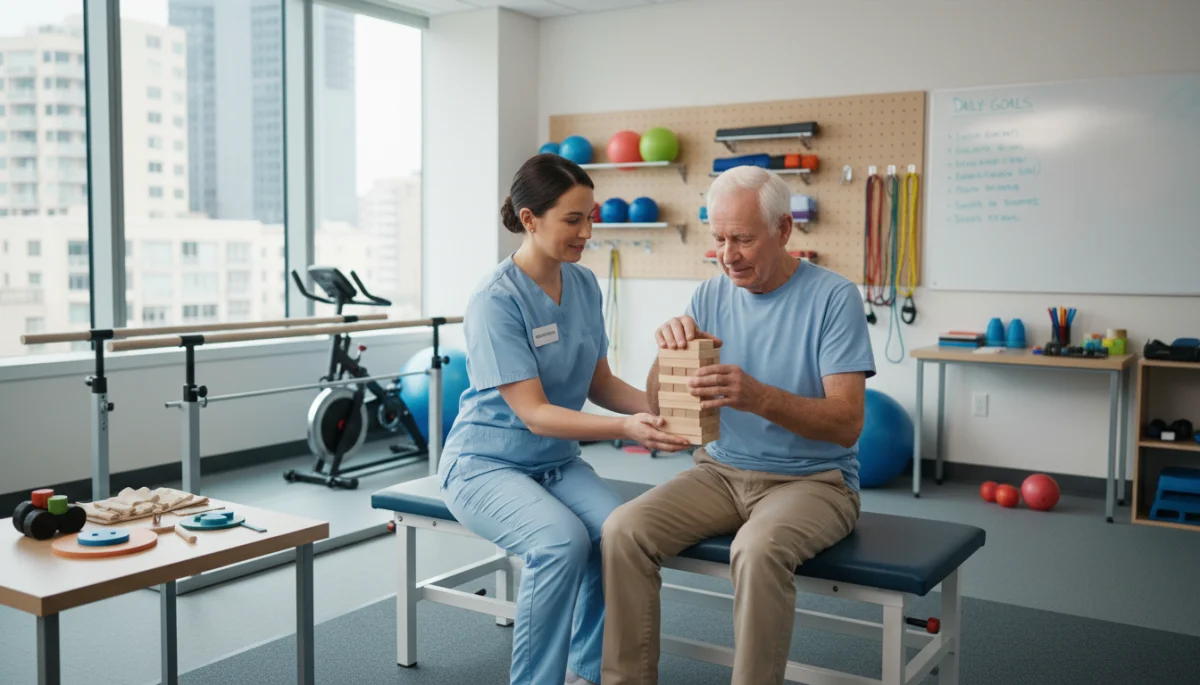
The evolving healthcare delivery models also present opportunities. The shift towards value-based care, which emphasizes patient outcomes over volume of services, elevates the importance of allied health professionals who are instrumental in achieving these outcomes. Their expertise in rehabilitation, prevention, and patient education directly contributes to improving quality of life and reducing healthcare costs in the long run. This evolving landscape positions allied health professionals as central figures in the future of healthcare, driving innovation and improving efficiency.
Furthermore, advocacy and professional organizations play a crucial role in advancing the allied health sector. These groups work to promote the value of allied health professions, advocate for favorable policies, and provide resources for professional development. Engaging with such organizations can offer networking opportunities, access to continuing education, and a platform for contributing to the growth and recognition of one’s profession. This collective effort strengthens the allied health community and ensures its continued influence in shaping healthcare policy and practice.
Future Trends and Outlook
The future of allied health professions is characterized by dynamic shifts and exciting innovations, promising continued growth and evolving roles for professionals in this vital sector. Staying abreast of these trends is crucial for anyone planning a long-term career in allied health, ensuring adaptability and relevance in a rapidly changing environment.
One of the most significant trends is the increasing integration of technology into every aspect of healthcare. This includes not only advanced diagnostic and treatment equipment but also digital health platforms, artificial intelligence (AI), and wearable health devices. Allied health professionals will need to be proficient in utilizing these tools to enhance patient care and improve operational efficiency.
Emerging Technologies and Their Impact
The adoption of new technologies will redefine many allied health roles:
- Telemedicine and Remote Monitoring: The widespread use of telehealth will continue to expand, creating more opportunities for allied health professionals to provide virtual consultations and remotely monitor patient progress, especially in rural or underserved areas.
- Artificial Intelligence (AI) and Machine Learning: AI will assist in diagnostics, personalized treatment plans, and administrative tasks, allowing allied health professionals to focus more on direct patient interaction and complex problem-solving.
- Wearable Devices and Health Apps: These tools will empower patients to take a more active role in managing their health, requiring allied health professionals to guide them in interpreting data and incorporating it into their care routines.
Another major trend is the growing focus on interprofessional collaboration and team-based care. The complexity of modern healthcare demands that various specialists work seamlessly together to provide holistic patient care. Allied health professionals will increasingly find themselves as integral members of multidisciplinary teams, contributing their unique expertise to comprehensive treatment plans. This collaborative approach not only improves patient outcomes but also fosters a more supportive and efficient work environment for healthcare providers.
Furthermore, the emphasis on cultural competency and personalized medicine will become even more pronounced. Allied health professionals will need to understand and respect diverse cultural backgrounds, tailoring their care to meet individual patient needs and preferences. This patient-centered approach ensures that care is not only clinically effective but also culturally sensitive and respectful, leading to better engagement and adherence to treatment plans. Adapting to these trends will be key to thriving in the allied health landscape of tomorrow.
Building Your Allied Health Career Path
Crafting a successful career path in allied health requires thoughtful planning, continuous effort, and a proactive approach to professional development. Given the dynamic nature of the healthcare industry, a strategic mindset will help you navigate challenges and seize opportunities for growth and advancement.
The journey begins with a clear understanding of your interests and strengths. Research various allied health professions to identify roles that resonate with your passions, whether it’s direct patient care, technical analysis, or health education. This initial self-assessment is crucial for making informed decisions about your educational and professional trajectory.
Essential Steps for Career Development
Once you have identified your desired path, several key steps will help you build a robust and rewarding career:
- Obtain the Right Education and Credentials: Enroll in accredited programs and ensure you meet all licensure and certification requirements for your chosen profession. Continuous learning is vital; pursue advanced degrees or specialized certifications as your career progresses.
- Gain Practical Experience: Actively seek out internships, clinical rotations, and volunteer opportunities. Hands-on experience is invaluable for developing practical skills, understanding real-world healthcare environments, and building a professional network.
- Network Actively: Connect with other professionals in your field, join professional organizations, and attend conferences. Networking can open doors to mentorship, job opportunities, and collaborative projects, fostering professional growth.
- Develop Soft Skills: Beyond technical expertise, cultivate strong communication, empathy, critical thinking, and problem-solving skills. These are essential for effective patient interaction, teamwork, and career advancement.
- Stay Updated with Industry Trends: The healthcare landscape is constantly evolving. Commit to lifelong learning, read industry publications, and participate in continuing education to stay current with new technologies, treatments, and best practices.
Mentorship can also play a pivotal role in shaping your career. Finding experienced professionals who can offer guidance, share insights, and provide support can significantly accelerate your development and help you avoid common pitfalls. A mentor can be an invaluable resource for navigating career challenges and identifying new opportunities.
Ultimately, a successful allied health career is built on a foundation of continuous learning, professional networking, and a genuine commitment to patient care. By embracing these principles, you can not only secure a stable and rewarding career but also make a significant and lasting impact on the health and well-being of individuals and communities across the United States. Your proactive engagement in these areas will ensure a fulfilling and impactful professional journey.
| Key Aspect | Brief Description |
|---|---|
| Market Growth | Allied health professions are experiencing significant growth due to an aging population and technological advancements. |
| Diverse Paths | A wide array of roles from diagnostic to therapeutic services offers varied career opportunities. |
| Education & Training | Pathways range from certificates to doctoral degrees, requiring specific accreditations and practical experience. |
| Future Outlook | Continued integration of technology and team-based care will shape future roles and demands. |
Frequently Asked Questions About Allied Health Careers
Allied health professions encompass a broad category of healthcare roles distinct from medicine and nursing. These professionals provide diagnostic, therapeutic, and preventative services, working collaboratively with other healthcare providers to deliver comprehensive patient care. Examples include physical therapists, radiologic technologists, and medical laboratory scientists.
Growth in allied health is primarily driven by an aging US population requiring more chronic care and rehabilitation, alongside rapid advancements in medical technology. The shift towards preventive care and team-based healthcare models also increases demand for these specialized roles across various settings.
Educational requirements vary widely depending on the specific profession. Pathways range from certificate programs (e.g., medical assistant) and associate’s degrees (e.g., dental hygienist) to bachelor’s, master’s, and even doctoral degrees (e.g., physical therapist). Accreditation and licensure are typically mandatory.
Popular allied health career paths include physical therapists, occupational therapists, speech-language pathologists, radiologic technologists, medical laboratory scientists, and dental hygienists. Each offers unique patient interactions and specialized skill sets, contributing significantly to patient well-being and recovery.
Advancing your allied health career involves continuous education, pursuing specialized certifications, and actively networking with peers. Gaining practical experience, developing strong soft skills, and staying informed about industry trends are also crucial for taking on leadership roles or specializing in niche areas.
Conclusion
The landscape of allied health professions offers a robust and dynamic career environment, characterized by sustained growth and diverse opportunities. From diagnostic services to therapeutic interventions, these roles are indispensable to the comprehensive delivery of healthcare in the United States. As the healthcare system continues to evolve with an aging population, technological advancements, and a focus on preventive care, the demand for skilled allied health professionals will only intensify. Embarking on this career path requires a commitment to education, continuous learning, and adaptability, but promises a fulfilling journey with significant impact on patient lives and community well-being. Your strategic engagement in this thriving sector ensures a stable and rewarding professional future.
