Boosting Hotel Occupancy: Seasonal Demand Strategies

Effectively boosting hotel occupancy across the U.S. during seasonal demand swings requires a dynamic blend of innovative pricing, targeted marketing, and exceptional guest experiences to maintain steady revenue and operational efficiency.
Understanding and addressing the ebb and flow of guest traffic is paramount for any hotelier in the United States. Successfully boosting hotel occupancy strategies requires a keen understanding of seasonal demand swings, transforming potential challenges into opportunities for sustained growth and profitability.
Understanding the U.S. Seasonal Travel Landscape
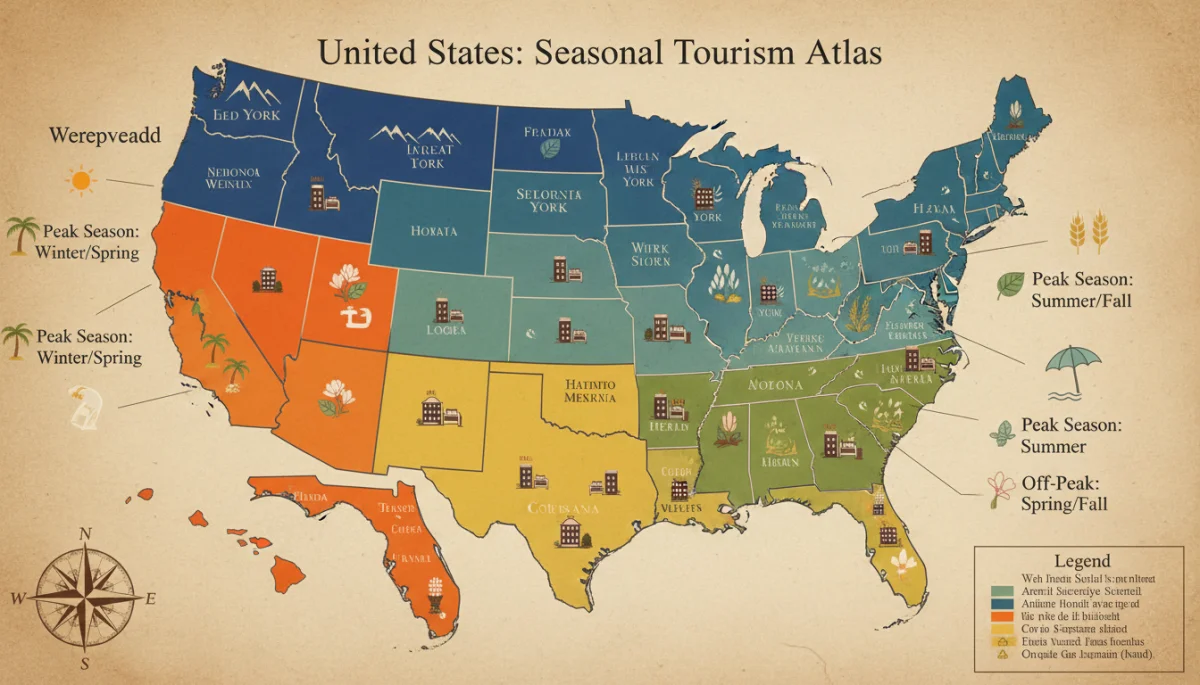
The United States presents a diverse tapestry of travel seasons, dictated by climate, holidays, and major events. From the sunny beaches of Florida in winter to the vibrant fall foliage of New England, each region experiences distinct high and low demand periods. Recognizing these patterns is the foundational step in developing effective occupancy strategies.
For instance, urban centers often see increased corporate travel during weekdays and events, while leisure destinations thrive on weekends and during specific holiday breaks. Coastal areas peak in summer, whereas ski resorts flourish in winter. These variations necessitate a flexible and adaptable approach to hotel management.
Regional demand variations
Different regions of the U.S. exhibit unique seasonal rhythms. A hotel in Miami will face different challenges and opportunities than one in Denver or Chicago. Understanding these localized trends is crucial for precise strategic planning.
- Northeast: Experiences strong demand during fall foliage season, winter holidays, and summer coastal escapes.
- Southeast: Primarily driven by winter sun-seekers, spring break, and summer family vacations to beaches and theme parks.
- Midwest: Often sees demand tied to business conventions, major sporting events, and summer road trips to national parks.
- Southwest: Attracts visitors in cooler months for desert landscapes and city breaks, with a dip in extreme summer heat.
- West Coast: Benefits from year-round tourism in major cities, with peaks for outdoor activities in various seasons and strong summer travel.
By dissecting these regional nuances, hotels can better anticipate demand, allowing for proactive adjustments in staffing, amenities, and marketing efforts. This granular understanding moves beyond generic strategies to highly targeted interventions.
Ultimately, a comprehensive grasp of the U.S. seasonal travel landscape empowers hoteliers to make informed decisions. It allows them to predict periods of high and low demand with greater accuracy, setting the stage for more effective revenue management and operational planning to maximize hotel occupancy strategies throughout the year.
Dynamic Pricing and Revenue Management
Dynamic pricing is not merely about raising rates during peak season; it’s a sophisticated art of adjusting prices in real-time based on demand, competition, and booking pace. This strategy is central to maximizing revenue and maintaining optimal occupancy across all seasons. Implementing robust revenue management systems allows hotels to respond swiftly to market changes.
The goal is to find the sweet spot where pricing attracts enough guests to fill rooms without leaving potential revenue on the table. This often involves leveraging data analytics to forecast demand and understand consumer behavior more deeply.
Implementing flexible rate structures
Flexible rate structures are essential for adapting to fluctuating demand. Hotels should offer a range of rates, from non-refundable advance purchase options to fully flexible rates, catering to different traveler segments and their booking preferences.
Consider implementing:
- Length-of-stay discounts: Encouraging longer stays during off-peak periods.
- Last-minute deals: Filling unsold rooms close to the arrival date.
- Early bird specials: Capturing bookings well in advance for high-demand periods.
- Tiered pricing: Offering different rates based on room type, view, or included amenities.
These flexible options provide guests with perceived value while allowing the hotel to maintain average daily rates (ADR) and occupancy. It’s about creating an incentive for guests to book, regardless of the season.
Effective dynamic pricing also involves closely monitoring competitor rates and market trends. Adjusting prices based on real-time data ensures competitiveness and optimizes revenue opportunities. A well-executed dynamic pricing strategy is a cornerstone of successful hotel occupancy strategies, ensuring that rooms are filled at the most profitable rates possible, even during seasonal shifts.
Targeted Marketing and Promotion
Generic marketing campaigns often fall flat when facing seasonal demand swings. Instead, hotels must embrace targeted marketing and promotional strategies that speak directly to specific traveler segments during particular times of the year. This precision ensures marketing spend is optimized and messages resonate with the right audience.
From digital advertising to traditional PR, every channel should be leveraged with a seasonal focus. Understanding who travels when, and why, is key to crafting compelling offers.
Leveraging digital marketing channels
The digital landscape offers unparalleled opportunities for targeted promotions. Social media, search engine marketing (SEM), and email campaigns can be finely tuned to reach potential guests based on their location, interests, and travel intent.
- Search Engine Optimization (SEO): Optimize your website content for seasonal keywords (e.g., “summer family vacation Florida,” “fall getaway New England”).
- Paid Search (PPC): Run highly targeted ad campaigns during specific seasons, bidding on keywords that align with seasonal travel needs.
- Social Media Marketing: Create visually appealing content showcasing your hotel during different seasons, using seasonal hashtags and running targeted ads.
- Email Marketing: Segment your audience and send personalized offers for upcoming seasons, highlighting unique experiences relevant to that time of year.
Content marketing, such as blog posts about local seasonal attractions or events, can also drive organic traffic and position your hotel as a local expert. The goal is to be visible and appealing when potential guests are actively planning their seasonal trips.
Beyond digital, consider partnerships with local tourism boards, event organizers, and complementary businesses to cross-promote. For example, a winter hotel could partner with a ski rental shop, or a summer resort with a local water sports provider. These collaborations can expand reach and attract new segments of travelers. By meticulously planning and executing targeted marketing campaigns, hotels can significantly improve their hotel occupancy strategies, converting seasonal interest into actual bookings.
Enhancing Guest Experience and Loyalty Programs
Beyond competitive pricing and smart marketing, the core of sustained occupancy lies in delivering exceptional guest experiences. Satisfied guests are more likely to return, recommend your hotel to others, and become loyal patrons. This is particularly vital during shoulder and off-peak seasons, when repeat business can significantly bolster occupancy rates.
Focusing on personalized service and memorable stays creates a strong brand reputation that transcends seasonal fluctuations. It’s about making every guest feel valued and special.
Personalized services and amenities
Tailoring services and amenities to guest preferences can elevate their stay from good to unforgettable. Collecting data on guest preferences, such as pillow type, preferred beverage, or dietary restrictions, allows for proactive personalization.
- Welcome amenities: Offer personalized welcome gifts based on guest profiles (e.g., local treats, children’s activity packs).
- Concierge services: Provide curated recommendations for local seasonal activities, dining, and entertainment.
- Flexible check-in/check-out: Offer flexibility when occupancy allows, enhancing convenience and guest satisfaction.
- In-room technology: Provide seamless access to streaming services, smart controls, and complimentary high-speed Wi-Fi.
Beyond the basics, consider unique seasonal offerings. During winter, perhaps hot cocoa stations or cozy fire pits. In summer, poolside service or outdoor movie nights. These thoughtful touches create unique selling propositions that attract guests even during slower periods.
Loyalty programs are another powerful tool for fostering repeat business. Offering exclusive discounts, upgrades, and perks to returning guests incentivizes them to choose your hotel again. A tiered loyalty system can further motivate guests to increase their stays to reach higher status levels. By prioritizing an outstanding guest experience and rewarding loyalty, hotels can build a resilient customer base, making these crucial elements of successful hotel occupancy strategies.
Strategic Partnerships and Package Deals
To diversify revenue streams and attract new customer segments, hotels should actively seek strategic partnerships and create compelling package deals. Collaborating with local businesses, attractions, and event organizers can unlock opportunities that a hotel might not achieve on its own. These alliances can transform a simple stay into a comprehensive experience, adding significant value for guests.
Such partnerships are especially effective in stimulating demand during off-peak seasons by creating unique reasons to visit.
Collaborating with local attractions and businesses
Forming strong relationships within the local community can lead to mutually beneficial outcomes. By bundling hotel stays with tickets to popular attractions, tours, or dining experiences, hotels can offer more attractive propositions.

Consider partnerships with:
- Restaurants and cafes: Offer dining credits or exclusive tasting menus.
- Museums and art galleries: Provide discounted entry or private tours.
- Adventure tour operators: Bundle stays with activities like kayaking, hiking, or historical walks.
- Local boutiques: Offer shopping discounts or unique local product baskets.
- Event venues: Secure preferred accommodation status for concert-goers or conference attendees.
These partnerships not only enhance the guest experience but also allow hotels to tap into the marketing efforts of their partners, expanding their reach. Crafting package deals around these collaborations allows hotels to present a more enticing offer than just a room night. These packages can be themed around seasonal events, holidays, or specific interests, making them highly appealing to targeted audiences.
For example, a “Winter Wonderland” package might include a stay, ski passes, and hot cocoa upon arrival. A “Summer Adventure” package could feature a hotel room, national park passes, and a picnic lunch. These curated experiences are vital for boosting hotel occupancy strategies, particularly when standard room bookings might be slow. They provide a compelling reason for travelers to choose your property.
Optimizing Operations for Seasonal Shifts
Successful hotel management during seasonal demand swings isn’t just about external strategies; it also requires optimizing internal operations. Efficient operational adjustments ensure that resources are allocated effectively, guest satisfaction remains high, and costs are controlled, regardless of occupancy levels.
This proactive approach involves careful planning of staffing, maintenance, and supply chain management to align with anticipated demand fluctuations.
Staffing adjustments and training
One of the most significant operational challenges during seasonal shifts is managing staffing levels. Overstaffing during low season leads to unnecessary costs, while understaffing during peak periods can compromise service quality. Implementing a flexible staffing model is crucial.
- Cross-training staff: Enable employees to work in multiple departments, providing flexibility to reallocate resources as needed.
- Part-time and seasonal hires: Supplement core staff with temporary workers during peak demand.
- Performance-based scheduling: Adjust schedules based on forecasted occupancy and specific event needs.
- Retention strategies: Implement strong retention programs to keep experienced seasonal staff returning year after year, reducing recruitment and training costs.
Beyond staffing, efficient inventory management and proactive maintenance schedules are vital. During off-peak seasons, it’s an ideal time to undertake major renovations, deep cleaning, and equipment servicing, minimizing disruption to guests during busy periods. Negotiating flexible contracts with suppliers can also help manage costs associated with fluctuating demand for amenities and F&B supplies.
By streamlining these operational aspects, hotels can maintain high service standards while optimizing expenses, ensuring financial health throughout the year. These internal efficiencies are often overlooked but are fundamental components of robust hotel occupancy strategies, providing the backbone for external marketing and revenue efforts to succeed.
Leveraging Data Analytics and Technology
In today’s competitive hospitality landscape, data is power. Hotels that effectively leverage data analytics and cutting-edge technology gain a significant advantage in predicting demand, personalizing guest experiences, and optimizing pricing. These tools provide actionable insights that are indispensable for navigating seasonal demand swings and enhancing overall hotel occupancy strategies.
From property management systems (PMS) to customer relationship management (CRM) platforms, technology enables a more strategic and responsive approach to market dynamics.
Utilizing advanced forecasting tools
Gone are the days of relying solely on historical data. Modern forecasting tools integrate a multitude of variables to predict demand with greater accuracy. These include:
- Historical booking patterns: Analyzing past occupancy, ADR, and revenue data.
- Pace reports: Monitoring current booking trends and comparing them to previous years.
- Market segment analysis: Understanding which segments book when and for what purpose.
- External factors: Incorporating local event calendars, competitor pricing, flight search data, and even weather forecasts.
- Predictive analytics: Using AI and machine learning to identify emerging trends and anticipate future demand shifts.
This comprehensive data-driven approach allows hotels to anticipate demand fluctuations well in advance, enabling proactive adjustments to pricing, marketing campaigns, and operational planning. For instance, if a major convention is announced for an off-peak month, forecasting tools can highlight the potential spike in demand, prompting the hotel to adjust rates and allocate resources accordingly.
Furthermore, technology plays a pivotal role in personalizing the guest journey. CRM systems can store guest preferences, past stays, and feedback, allowing hotels to deliver tailored experiences, from pre-arrival communications to post-stay follow-ups. Automated marketing platforms can segment guests and send personalized offers, increasing conversion rates. Implementing chatbots and mobile check-in/check-out options streamlines operations and enhances convenience, contributing to higher guest satisfaction and repeat business.
Embracing these technological advancements is no longer optional; it’s a necessity for hotels aiming to maintain a competitive edge and consistently boost occupancy throughout the year, especially when faced with the inherent challenges of seasonal demand swings across the U.S. By making data and technology central to their strategy, hotels can ensure they are always one step ahead, making informed decisions that drive profitability and guest loyalty.
| Key Strategy | Brief Description |
|---|---|
| Dynamic Pricing | Adjust rates in real-time based on demand, competition, and booking pace to maximize revenue. |
| Targeted Marketing | Develop specific campaigns for different traveler segments and seasonal periods using digital channels. |
| Guest Experience | Enhance stays with personalized services and loyalty programs to foster repeat business and positive reviews. |
| Strategic Partnerships | Collaborate with local businesses and attractions to create appealing package deals. |
Frequently asked questions about hotel occupancy strategies
Dynamic pricing involves adjusting room rates in real-time based on current demand, competitor pricing, booking pace, and other market factors. This strategy aims to maximize revenue by selling rooms at the highest possible price during peak demand and attracting guests with competitive rates during off-peak periods, ensuring optimal occupancy.
Hotels can attract guests during off-peak seasons through targeted promotions, unique package deals with local attractions, special events, and enhanced loyalty programs. Offering value-added amenities, flexible booking options, and focusing on niche markets like business retreats or local staycations can also stimulate demand effectively.
Strategic partnerships are crucial because they expand a hotel’s reach and offer enhanced value to guests. Collaborating with local businesses, tour operators, or event venues allows hotels to create attractive package deals, tap into new customer segments, and leverage partners’ marketing efforts, ultimately boosting bookings and revenue.
Data analytics provides hotels with actionable insights into booking trends, guest behavior, and market forecasts. By analyzing this data, hotels can make informed decisions on pricing, marketing campaigns, and operational adjustments, leading to more accurate demand predictions and optimized strategies for boosting occupancy and profitability.
Loyalty programs foster repeat business by rewarding returning guests with exclusive discounts, upgrades, and personalized perks. This incentivizes guests to choose the same hotel repeatedly, creating a stable customer base that helps maintain consistent occupancy, especially during slower periods, and reduces reliance on new customer acquisition.
Conclusion
Navigating the complex landscape of seasonal demand swings across the U.S. is a continuous challenge for hoteliers. However, by embracing a multi-faceted approach that integrates dynamic pricing, targeted marketing, exceptional guest experiences, strategic partnerships, and data-driven operational efficiencies, hotels can not only survive but thrive. The key lies in proactive planning, flexibility, and a deep understanding of both regional market nuances and evolving traveler expectations. Implementing robust hotel occupancy strategies ensures sustained profitability and resilience, transforming seasonal challenges into opportunities for growth.
