Carpentry Careers: Maximizing Income with Specialized Finishes

Mastering specialized finishes can significantly boost income in carpentry careers, offering a competitive edge and unlocking diverse, high-value opportunities within the skilled trades market across the United States.
Are you a carpenter looking to elevate your craft and significantly increase your earning potential? Exploring specialized carpentry finishes is a strategic move that can transform your career trajectory, opening doors to higher-paying projects and a more distinguished client base. This article delves into how focusing on advanced finishing techniques can maximize your income in the dynamic U.S. skilled trades market.
The evolving landscape of carpentry and specialized finishes
The carpentry profession has always been foundational to construction and design, but today’s market demands more than just basic woodworking skills. Clients, both residential and commercial, are increasingly seeking unique, high-quality finishes that set their projects apart. This shift creates a significant opportunity for carpenters willing to invest in specialized training and master advanced techniques.
Understanding the nuances of various finishing processes, from intricate staining to durable protective coatings, allows carpenters to command higher rates and secure more complex, rewarding jobs. It’s about moving beyond general carpentry to become a true artisan, recognized for precision and aesthetic excellence. This expertise not only enhances your portfolio but also builds a reputation for quality that attracts premium clients.
Why specialization matters for income growth
In a competitive market, generalists often face downward pressure on pricing. Specialists, however, can justify higher fees due to their unique skill set and the added value they bring. By focusing on specialized finishes, you differentiate yourself from the broader pool of carpenters, positioning yourself as an expert in a niche that commands premium rates.
- Increased Demand: High-end residential and commercial projects frequently require custom, specialized finishes.
- Higher Project Value: Projects involving intricate finishes often have larger budgets and greater profit margins.
- Reduced Competition: Fewer carpenters possess advanced finishing skills, making your services more sought after.
- Enhanced Reputation: Delivering exceptional, specialized work builds a strong professional brand and client trust.
Moreover, specialized finishes often involve working with higher-quality materials and more sophisticated tools, which inherently elevates the perceived value of the work. This perception translates directly into increased income potential, making the investment in specialized skills a wise financial decision for any ambitious carpenter.
Ultimately, the evolving landscape of carpentry favors those who adapt and specialize. By embracing the world of specialized finishes, carpenters can not only secure their future but also thrive in an industry that values craftsmanship and innovation. This strategic focus ensures a steady stream of profitable projects and a fulfilling career path.
In-demand specialized finishes and their applications
To maximize income, carpenters must identify and master the specialized finishes that are currently in high demand. These finishes often require specific tools, materials, and techniques that go beyond standard carpentry practices. Focusing on these areas can open up lucrative opportunities in various sectors.
One prominent area is custom cabinetry and furniture finishing. Clients are often willing to pay a premium for bespoke pieces that feature unique stains, glazes, or distressed looks. Understanding how different wood types react to various finishes and how to achieve a consistent, flawless result is crucial. This includes everything from preparing the surface to applying the final protective coat, ensuring longevity and beauty.

Advanced staining and glazing techniques
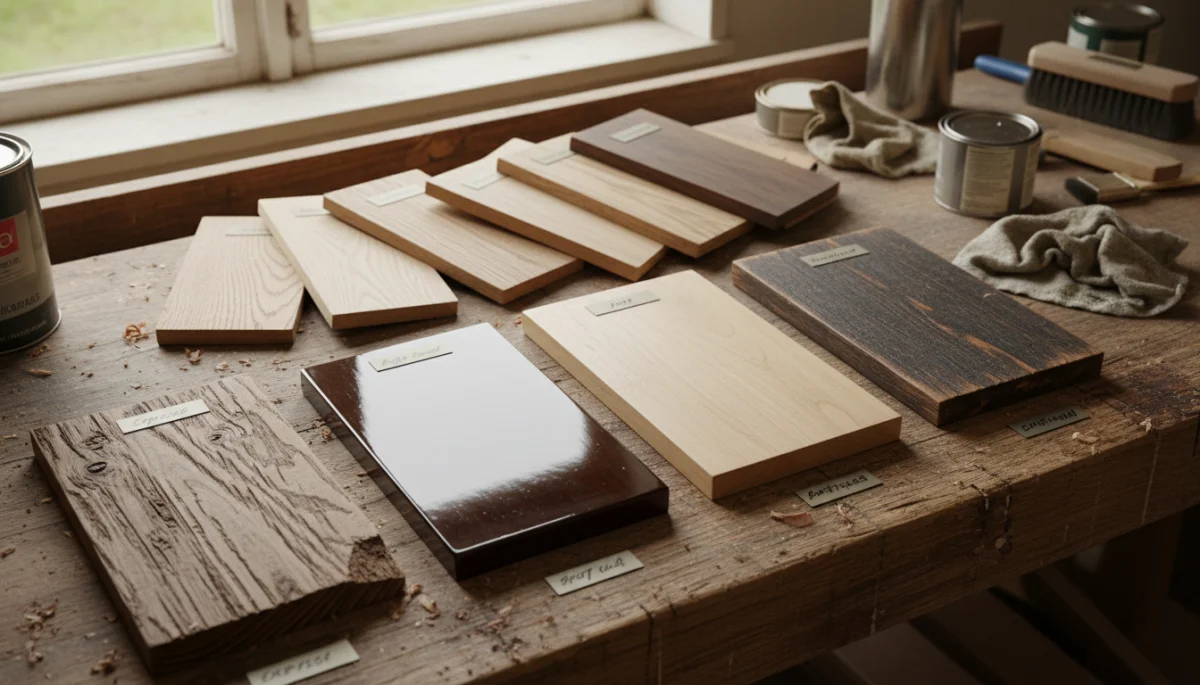
Beyond basic wood stains, there’s a world of advanced staining and glazing that can create truly unique aesthetics. These techniques involve layering different colors, using glazes to add depth, or employing specific application methods to achieve a desired effect, such as an antique or weathered look. Mastery in these areas can transform ordinary wood into a centerpiece.
- Gel Stains: Ideal for difficult woods or achieving uniform color on porous surfaces.
- Glazing: Adds subtle color variations and depth, often used to highlight wood grain or create aged effects.
- Toning: Applying a diluted stain or tinted topcoat to adjust the overall color of a finished piece.
- Distressing: Techniques like wire brushing, denting, or worm holing to create an aged appearance, often followed by specific stains.
Another area of high demand is high-gloss and mirror finishes. These require meticulous surface preparation, multiple coats of specialized lacquers or polyurethanes, and extensive sanding and buffing between layers. The result is a glass-like surface that is both stunning and durable, often sought after for luxury furniture, musical instruments, and high-end architectural elements.
Furthermore, specialized protective coatings, such as marine-grade finishes or those resistant to harsh chemicals, are critical for specific applications. Carpenters who can apply these finishes correctly for outdoor structures, laboratory furniture, or commercial spaces will find a steady stream of specialized projects. These coatings not only enhance durability but also meet specific industry standards, adding another layer of value to your services.
The key is to continuously learn and adapt to new materials and techniques. Staying updated on industry trends and client preferences ensures that your specialized skills remain relevant and highly profitable in the long term.
Training and certification for specialized finishes
Acquiring specialized finishing skills often requires dedicated training beyond what is typically covered in general carpentry programs. Investing in specific courses, workshops, or certifications can significantly enhance a carpenter’s expertise and marketability, leading to higher income opportunities.
Many vocational schools, community colleges, and trade organizations offer programs focused on wood finishing, furniture restoration, and advanced coating applications. These programs provide hands-on experience with various materials, tools, and techniques, ensuring that students develop practical skills that are immediately applicable in the field. Such formal training also often includes instruction on safety protocols and environmental regulations related to finishing products.
Apprenticeships and mentorships in fine finishing
While formal education is valuable, apprenticeships and mentorships with experienced fine finishers can provide an unparalleled learning experience. Working alongside a master craftsman allows for the transfer of tacit knowledge, nuanced techniques, and problem-solving skills that are difficult to teach in a classroom setting. These relationships often lead to a deeper understanding of the craft and valuable industry connections.
- Hands-on Learning: Direct application of techniques under expert guidance.
- Industry Best Practices: Learning efficient and high-quality methods from seasoned professionals.
- Networking Opportunities: Building relationships with other professionals and potential clients.
- Portfolio Development: Creating a body of work that demonstrates specialized skills.
Certifications from industry associations can also validate a carpenter’s expertise in specialized finishes. These certifications often involve rigorous testing of both theoretical knowledge and practical skills, providing a recognized credential that assures clients of a high standard of work. Examples might include certifications in specific coating applications, historic preservation finishing, or environmentally friendly finishing practices.
Continuous professional development is also crucial. Attending trade shows, workshops, and webinars on new products and techniques ensures that a carpenter’s skills remain cutting-edge. The finishing industry is constantly evolving with new materials, tools, and application methods, and staying current is key to maintaining a competitive advantage and maximizing income.
Ultimately, the path to mastering specialized finishes is a blend of formal education, practical experience, and ongoing learning. This holistic approach ensures that carpenters not only acquire the necessary skills but also develop the confidence and reputation to excel in this lucrative niche.
Marketing your specialized finishing services
Once you’ve developed specialized finishing skills, effectively marketing these services is paramount to attracting the right clients and maximizing your income. A strategic marketing approach will highlight your unique capabilities and differentiate you from general carpenters.
Start by creating a strong portfolio that showcases your best specialized finishing projects. High-quality photographs and detailed descriptions of the techniques used will help potential clients visualize the value you bring. Include before-and-after shots where appropriate, demonstrating the transformative power of your finishes. This portfolio can be digital, physical, or both.
Building an online presence and networking
In today’s digital age, an online presence is non-negotiable. A professional website or dedicated social media pages (e.g., Instagram, Pinterest, Houzz) where you can display your portfolio are essential. Use relevant keywords related to specialized finishes to optimize your content for search engines. Engage with your audience by sharing insights, tips, and behind-the-scenes glimpses of your work.
- Professional Website: A dedicated online space to showcase your portfolio, services, and client testimonials.
- Social Media Engagement: Platforms like Instagram are visual, perfect for showcasing intricate finishes.
- Search Engine Optimization (SEO): Use keywords like ‘custom wood finishing,’ ‘antique furniture restoration,’ or ‘high-gloss cabinet painting’ to attract local clients.
- Online Directories: List your business on skilled trades and home improvement directories.
Networking within the industry is equally important. Connect with interior designers, architects, general contractors, and other tradespeople who might require specialized finishing services for their projects. Attend local trade shows, join professional associations, and participate in community events to build relationships and generate referrals. Word-of-mouth remains a powerful marketing tool, especially for high-skill services.
Consider offering consultations to potential clients, allowing you to discuss their vision and demonstrate your expertise. This personal touch can build trust and help you secure higher-value projects. Clearly articulate the benefits of specialized finishes, such as durability, unique aesthetics, and increased property value, to justify your pricing.
Effective marketing isn’t just about advertising; it’s about building a brand that reflects your skill, professionalism, and commitment to quality. By strategically showcasing your specialized finishing capabilities, you can attract a steady stream of profitable projects and solidify your position as a top-tier craftsman.
Pricing strategies for specialized finishing work
Setting the right prices for specialized finishing work is crucial for maximizing income. Unlike general carpentry, specialized finishes command higher rates due to the unique skills, time, and materials involved. A well-thought-out pricing strategy ensures profitability while remaining competitive.
One common approach is to price based on the complexity and time required for the finish. Intricate techniques like multi-layer glazing, distressing, or high-gloss applications demand more labor hours and a higher level of precision. Factor in the preparation time, application time, and drying/curing periods for each layer. This method ensures that your expertise is adequately compensated.
Material costs and overhead considerations
Specialized finishes often involve premium materials, such as high-quality stains, lacquers, sealers, and protective coatings, which can be significantly more expensive than standard products. It’s essential to accurately calculate these material costs and factor them into your pricing. Don’t forget consumables like specialized sandpaper, brushes, spray gun components, and safety equipment.
- Premium Materials: Account for the higher cost of specialized stains, sealers, and topcoats.
- Equipment Usage: Include costs for specialized tools, spray booths, and ventilation systems.
- Overhead: Factor in insurance, workshop rent, utilities, and marketing expenses.
- Profit Margin: Ensure your pricing allows for a healthy profit after all costs are covered.
Another strategy is value-based pricing, where you price your services according to the perceived value and unique benefits you provide to the client. If your specialized finish transforms a piece of furniture into a custom heirloom or significantly enhances the aesthetics and durability of a space, clients will be willing to pay more for that outcome. Highlight the long-term benefits and aesthetic appeal of your work during client consultations.
Researching market rates for similar specialized services in your region is also vital. While you aim to charge a premium, understanding what competitors are charging can help you position your services effectively. Be prepared to justify your pricing with examples of your work, testimonials, and a clear explanation of the value you deliver.
Don’t undervalue your expertise. Specialized finishing is a skill that takes years to perfect, and your pricing should reflect that mastery. Regularly review and adjust your pricing as your skills evolve, your reputation grows, and market demands shift, ensuring you always maximize your income potential.
Building a reputation and client base
A strong reputation and a loyal client base are cornerstones for maximizing income in specialized carpentry finishes. Exceptional craftsmanship alone isn’t enough; consistent client satisfaction and effective relationship building are equally vital for long-term success.
The foundation of a good reputation is delivering high-quality work consistently. Every specialized finishing project you undertake should be executed with meticulous attention to detail, ensuring the client’s vision is realized and often exceeded. This commitment to excellence will naturally lead to positive word-of-mouth referrals, which are invaluable for attracting new, high-value clients.
Cultivating client relationships and testimonials
Beyond the project itself, actively cultivating relationships with clients can lead to repeat business and enthusiastic recommendations. Good communication throughout the project, transparency about timelines and costs, and a professional demeanor all contribute to a positive client experience. Follow up after project completion to ensure satisfaction and offer any necessary maintenance advice.
- Solicit Feedback: Actively ask clients for their opinions and suggestions.
- Gather Testimonials: Collect written or video testimonials to use in your marketing materials.
- Request Referrals: Encourage satisfied clients to recommend your services to their network.
- Show Appreciation: Acknowledge and thank clients for their business and referrals.
Online reviews on platforms like Google, Yelp, and Houzz are incredibly powerful for building credibility. Encourage satisfied clients to leave reviews, as these can significantly influence potential clients’ decisions. Respond professionally to all reviews, both positive and negative, demonstrating your commitment to customer service and continuous improvement.
Partnering with other professionals in the design and construction industry can also expand your client base. Interior designers, custom cabinet makers, and renovation contractors often require specialized finishing services for their projects. By building strong professional relationships, you can become their go-to expert, securing a steady stream of referral work.
Remember that a reputation is built one project at a time. Each successful specialized finish contributes to your standing in the industry, allowing you to command higher prices and attract the most desirable projects. Prioritizing client satisfaction and professional relationships will ensure sustained growth and income maximization in your carpentry career.
Future trends in specialized finishes
Staying ahead of future trends in specialized finishes is crucial for carpenters aiming to sustain and maximize their income in the long run. The industry is constantly evolving, driven by new technologies, material innovations, and changing consumer preferences. Anticipating these shifts allows you to adapt your skills and services proactively.
One significant trend is the increasing demand for sustainable and eco-friendly finishes. Clients are becoming more conscious of environmental impact and indoor air quality, leading to a preference for low-VOC (volatile organic compound) paints, natural oils, and water-based coatings. Carpenters who specialize in applying these green finishes will find a growing market, especially in residential and commercial projects focused on sustainability.
Technological advancements and smart finishes
Technological advancements are also transforming the finishing landscape. Automated finishing systems, although primarily for large-scale operations, can influence product development and application techniques. For individual carpenters, this might mean adopting new spray equipment that offers finer control or experimenting with UV-cured finishes that offer rapid drying times and enhanced durability.
- Eco-friendly Options: Mastering application of low-VOC, natural oil, and water-based finishes.
- Smart Coatings: Exploring finishes with properties like self-healing, anti-microbial, or temperature regulation.
- Digital Customization: Using digital tools for precise color matching and pattern application.
- Durability and Longevity: Focusing on finishes that offer superior protection and extended lifespan.
Another emerging area is ‘smart’ finishes or coatings with enhanced functionalities. While still in early stages for carpentry, these could include self-healing coatings, anti-microbial surfaces for healthcare settings, or finishes that can change color or texture. Keeping an eye on these innovations, even if they seem futuristic, can position you as an early adopter and thought leader in the field.
The demand for highly customized and personalized finishes will also continue to grow. Clients want unique pieces that reflect their individual style, moving beyond mass-produced looks. This trend reinforces the value of a carpenter’s artistic eye and ability to create truly bespoke finishes, whether it’s a specific distressed look, a custom color blend, or an intricate hand-painted detail.
By continuously educating yourself, experimenting with new products, and adapting to evolving client desires, you can ensure your specialized finishing skills remain highly sought after. This forward-thinking approach is essential for any carpenter committed to maximizing their income and securing a prosperous future in the trade.
| Key Aspect | Brief Description |
|---|---|
| Skill Specialization | Focusing on advanced finishing techniques differentiates carpenters and increases market value. |
| Training Investment | Formal courses, apprenticeships, and certifications are crucial for mastery and credibility. |
| Effective Marketing | Showcasing specialized work through portfolios and online presence attracts high-paying clients. |
| Pricing Strategy | Value-based and complexity-driven pricing ensures profitability for unique finishing services. |
Frequently asked questions about specialized carpentry finishes
The most profitable specialized finishes often include high-gloss lacquers, custom distressed looks, intricate glazing, and marine-grade protective coatings. These require advanced skills and materials, allowing carpenters to charge premium rates for their unique expertise and the superior aesthetic and durability they provide.
Carpenters can pursue training through vocational schools, community college programs, and workshops focused on wood finishing. Apprenticeships with master finishers are also invaluable for hands-on learning. Additionally, industry certifications and continuous education through trade shows and webinars help keep skills current and competitive.
Essential tools for specialized finishes often include high-quality spray guns, various types of sanders (orbital, detail, belt), fine-grit sandpaper, buffing machines, and specialized brushes. Proper ventilation systems, respirators, and personal protective equipment are also critical for safety and optimal results.
Specialized finishes typically increase project timelines due to multiple application layers, extensive drying times, and meticulous preparation. They also increase costs due to premium materials and the higher labor rates commanded by skilled finishers. However, the enhanced aesthetic and durability often justify these additional investments for clients.
Yes, specializing in finishes can lead to more stable carpentry work. It differentiates you in the market, reduces competition, and attracts a niche clientele willing to pay for unique skills. This often translates into a steady stream of higher-value projects and stronger professional relationships, ensuring greater career stability and income.
Conclusion
Embracing specialized finishes within a carpentry career is a powerful strategy for maximizing income and achieving professional distinction. By investing in advanced training, meticulously honing unique techniques, and strategically marketing these high-value services, carpenters can elevate their craft and secure a prominent position in the skilled trades. The demand for exquisite, durable, and custom finishes continues to grow, offering a robust pathway for skilled artisans to thrive and build a truly rewarding career.
