Cordless vs. Corded Power Tools: A Comprehensive Comparison
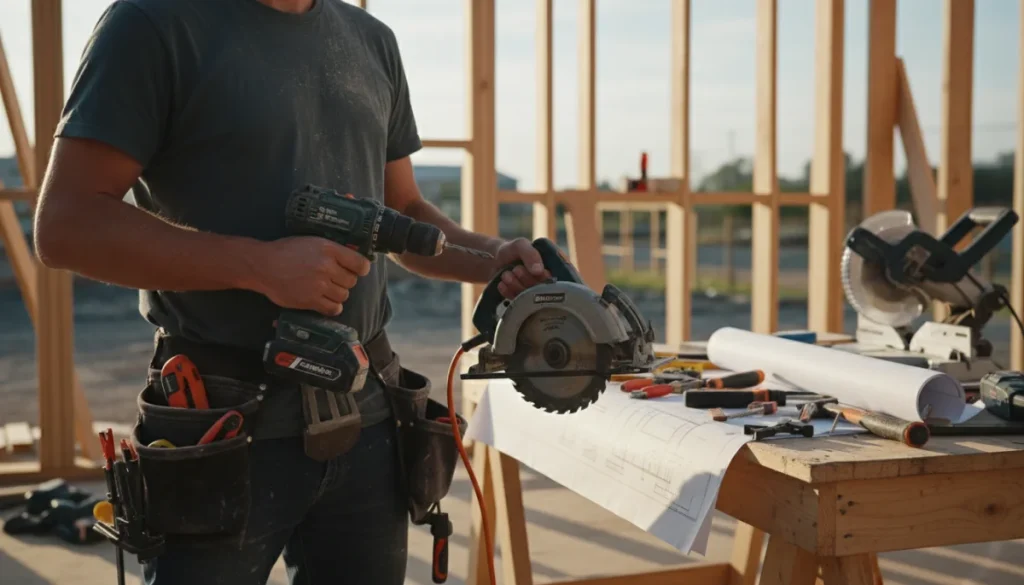
Cordless and corded power tools present distinct operational benefits and drawbacks, influencing user mobility, sustained power delivery, and overall job site productivity across various skilled trades.
In the world of skilled trades, the debate between cordless corded power tools is a continuous one, shaping efficiency and productivity on job sites across the United States. Understanding the fundamental differences between these two prevalent technologies is crucial for professionals seeking to optimize their workflow and invest wisely in their equipment.
The evolution of power tool technology: a brief overview
The journey of power tools has been remarkable, transforming from purely manual labor to sophisticated, efficient machines. Historically, all power tools relied on a direct connection to an electrical outlet, providing consistent, unwavering power. This changed with the advent of battery technology, which introduced a new era of portability and flexibility to the industry.
Early cordless tools, while revolutionary in concept, often suffered from limited power, short battery life, and considerable weight. However, continuous innovation in battery chemistry, motor design, and electronic controls has propelled cordless technology to a point where it can often rival, and sometimes surpass, the performance of its corded counterparts for many applications. This evolution has created a complex decision point for professionals: which technology best suits their specific needs?
Today, the choice between cordless and corded tools is less about one being inherently superior and more about aligning tool capabilities with the demands of the task at hand. Both technologies have matured, offering a diverse range of options for every trade, from carpentry and plumbing to electrical work and automotive repair. Understanding this historical context helps appreciate the current state of tool technology and the nuanced distinctions that now exist.
Cordless power tools: freedom and flexibility
Cordless power tools have revolutionized how many skilled professionals approach their work, offering unparalleled freedom of movement and convenience. The absence of a power cord means no tangled wires, no searching for outlets, and no limitations imposed by the length of an extension cord. This mobility is a game-changer for working in remote locations, tight spaces, or on job sites where power access is inconsistent.
Modern cordless tools are powered by advanced lithium-ion batteries, which deliver impressive power-to-weight ratios and longer runtimes compared to older battery technologies. Brushless motors, another significant innovation, further enhance efficiency and durability by reducing friction and heat. These advancements have allowed cordless tools to tackle tasks previously reserved for their corded counterparts, making them indispensable for many tradespeople.
Key advantages of cordless tools
The benefits of cordless tools extend beyond mere portability, impacting safety, setup time, and overall job site dynamics. Their rapid deployment and ease of use contribute to a more streamlined workflow.
- Unrestricted mobility: Work anywhere without being tethered to an outlet, ideal for large job sites or areas without readily available power.
- Enhanced safety: Eliminates tripping hazards from cords, reducing the risk of accidents, especially in busy or cluttered environments.
- Quick setup: No need to locate outlets or unroll extension cords, allowing for faster deployment and transition between tasks.
- Versatility: A single battery platform can power multiple tools, reducing the need for numerous chargers and simplifying equipment management.
While the initial cost of cordless systems, particularly batteries and chargers, can be higher, the long-term benefits in terms of efficiency and flexibility often justify the investment. The ability to move seamlessly from one task to another without interruption significantly boosts productivity, particularly for dynamic and varied work. This makes cordless tools a strong contender for professionals valuing agility and adaptable performance.
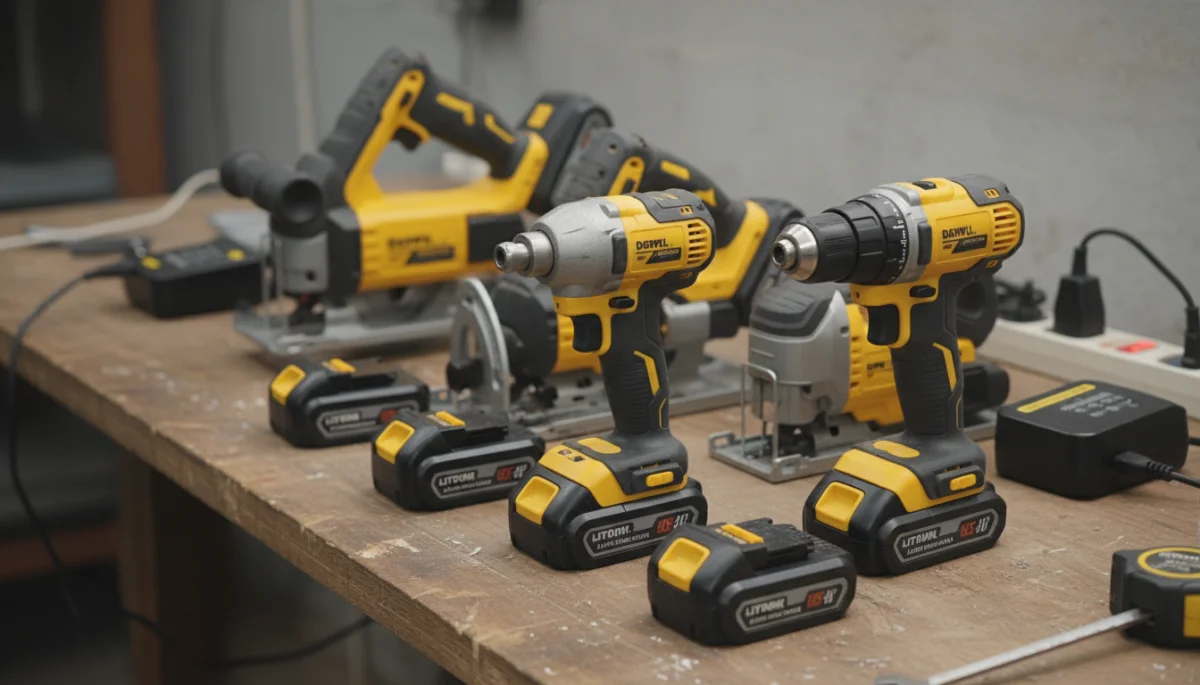
Corded power tools: unwavering power and reliability
Despite the rise of cordless technology, corded power tools maintain a vital role in many skilled trades, primarily due to their consistent, uninterrupted power supply. When a task demands sustained, high-torque operation or continuous use over extended periods, corded tools often remain the preferred choice. They draw power directly from an electrical source, eliminating concerns about battery depletion or fluctuating performance.
This direct power connection translates into several distinct advantages, especially for heavy-duty applications. Corded tools typically offer higher sustained power output, making them ideal for tasks like cutting dense materials, grinding, or drilling large holes. The absence of a battery also means they are generally lighter for their power class, as the weight of the power source is externalized.
Why corded tools still hold their ground
For certain applications, the reliability and robust performance of corded tools are simply unmatched. They are workhorses designed for demanding, continuous operations where power consistency is paramount.
- Consistent power: Delivers continuous, unwavering power without performance degradation due to battery drain.
- Unlimited runtime: As long as there’s a power source, the tool will operate, ideal for prolonged, heavy-duty tasks.
- Higher power-to-weight ratio: Often lighter than equivalent cordless tools, as they don’t carry the weight of a battery pack.
- Lower initial cost: Generally less expensive to purchase than cordless equivalents, as batteries and chargers are not required.
The initial investment for a corded tool is typically lower, making them an attractive option for budget-conscious professionals or those who primarily work in fixed locations with easy access to power. While they require careful management of extension cords and power sources, their dependable performance makes them indispensable for specific, high-demand applications. For tasks requiring brute force and endurance, corded tools continue to be the benchmark.
Performance metrics: power, runtime, and efficiency
When comparing cordless corded power tools, a deep dive into their performance metrics is essential. These metrics include raw power output, operational runtime, and overall efficiency, all of which significantly influence tool selection for specific tasks. The perception that corded tools are always more powerful is becoming less absolute, as cordless technology continues to advance rapidly.
Corded tools, with their direct electrical connection, typically offer a higher peak power output and can sustain that power indefinitely. This makes them superior for applications requiring continuous high torque or speed, such as demolition, large-scale cutting, or heavy grinding. Their motors are often designed to handle constant load without overheating, a critical factor for industrial and professional use.
Cordless tools, on the other hand, derive their power from batteries, which inherently have a finite capacity. While modern lithium-ion batteries and brushless motors have dramatically improved power and runtime, there are still limitations. For extremely demanding, prolonged tasks, multiple battery changes might be necessary, or the tool might experience a slight power drop as the battery depletes. However, for most day-to-day operations, the power of high-end cordless tools is more than sufficient, often matching or exceeding their corded counterparts for short bursts of intense work.
Efficiency, in this context, refers to how effectively the tool converts electrical energy into mechanical work. Brushless motors in cordless tools are exceptionally efficient, extending battery life and reducing heat generation. Corded tools, while not facing battery limitations, also benefit from efficient motor designs, ensuring minimal energy waste. The choice often boils down to whether sustained brute force or portable, flexible power is the priority for the job.
Portability and convenience: where cordless shines
The primary advantage of cordless power tools lies in their unmatched portability and convenience, fundamentally altering how work is performed on job sites. Imagine working on a ladder, on a roof, or in a remote corner of a sprawling construction site without the hassle of dragging extension cords or searching for an available power outlet. This freedom is not just a luxury; it’s a significant boost to productivity and safety.
Cordless tools eliminate the need for cumbersome power management. There are no cords to trip over, no circuit breakers to reset from overload, and no time wasted coiling and uncoiling cables. This makes them ideal for mobile professionals, emergency repairs, or tasks that require frequent movement between different work areas. The ability to grab a tool and immediately begin working, regardless of proximity to a power source, streamlines operations and reduces downtime.
Furthermore, many cordless tool manufacturers offer extensive battery platforms, meaning a single battery type can power a wide array of drills, saws, impact drivers, and other tools. This reduces complexity, saves storage space, and optimizes charging routines. The convenience extends to setup and teardown, making job site transitions smoother and faster. While corded tools are limited by the reach of their power cable, cordless tools are limited only by their battery charge, which can often be quickly swapped with a spare.
This aspect of tool technology is particularly appealing in the United States, where job sites can range from urban high-rises to rural developments, each presenting unique power access challenges. The flexibility offered by cordless tools directly translates into increased efficiency and adaptability for skilled tradespeople navigating diverse work environments. It’s a clear win for situations where agility and quick deployment are paramount.

Cost considerations and long-term investment
When evaluating cordless corded power tools, the financial aspect is a critical factor for both individual professionals and businesses. The initial purchase price, ongoing operational costs, and the lifespan of the equipment all contribute to the overall value proposition. While cordless tools often have a higher upfront cost, their long-term benefits can sometimes outweigh this initial investment.
Analyzing the financial landscape
The cost structure for each technology differs significantly. Understanding these differences helps in making an informed purchasing decision.
- Initial purchase price: Corded tools generally have a lower entry price. You buy the tool, and it’s ready to go. Cordless tools, however, require an investment in the tool itself, plus batteries and a charger, which can significantly increase the initial outlay.
- Battery replacement: Batteries for cordless tools are consumables with a finite lifespan. Over several years, replacing worn-out batteries can add a substantial recurring cost. Corded tools do not incur this expense.
- Maintenance and repairs: Both types of tools require maintenance, but cordless tools have more complex electronics and battery management systems, which can sometimes lead to more specialized repairs.
- Efficiency gains: The time saved due to increased mobility and faster setup with cordless tools can translate into higher productivity, indirectly offsetting their higher initial cost through increased billable hours or project completion rates.
For trades that operate on tight margins or have less frequent tool usage, the lower initial cost of corded tools might be more appealing. Conversely, for high-volume professionals who prioritize efficiency and mobility, the investment in a robust cordless system, despite its higher price tag, can yield significant returns over time. It’s crucial to consider not just the sticker price, but the total cost of ownership over the expected lifespan of the tools, factoring in potential productivity enhancements and replacement costs.
Safety and maintenance: crucial considerations
Safety and proper maintenance are paramount regardless of whether you choose cordless corded power tools. However, each type presents unique considerations that professionals must be aware of to ensure a safe work environment and prolong the life of their equipment. Understanding these nuances is essential for responsible tool operation and ownership.
For corded tools, the primary safety concerns revolve around electrical hazards. Damaged cords, improper grounding, and working in wet conditions can lead to electric shock or fire. Tripping hazards from long extension cords are also a common issue on busy job sites. Regular inspection of cords for cuts or fraying, ensuring proper GFCI protection, and using appropriate gauge extension cords are critical maintenance steps.
Cordless tools introduce a different set of safety considerations, primarily related to batteries. Overcharging, extreme temperatures, physical damage, or using non-compatible chargers can lead to battery failure, overheating, or even fire. Proper storage, ensuring batteries are not left in direct sunlight or freezing conditions, and using only manufacturer-approved charging equipment are vital. While they eliminate tripping hazards from cords, their portability can sometimes lead to tools being left in precarious positions, increasing the risk of falls.
General maintenance for both types includes keeping tools clean, lubricating moving parts as recommended by the manufacturer, and regularly checking for worn components like brushes (in brushed motors) or dull blades. Proper storage in a dry, secure environment is also key to preventing rust and damage. Adhering to these safety and maintenance practices not only protects the user but also ensures the longevity and optimal performance of valuable equipment, maximizing the return on investment for any skilled professional.
| Key Aspect | Description |
|---|---|
| Mobility | Cordless offers superior freedom; Corded is limited by power source access. |
| Power Consistency | Corded provides unwavering power; Cordless depends on battery charge. |
| Cost | Corded generally lower initial cost; Cordless has higher initial and battery replacement costs. |
| Safety | Corded has electrical/tripping hazards; Cordless has battery-related risks. |
Frequently asked questions about power tools
For many common tasks, modern cordless tools with advanced battery and motor technology can match or even exceed the power of corded tools. However, for continuous, extremely heavy-duty applications requiring sustained high torque, corded tools often maintain a slight edge due to their uninterrupted power supply.
The lifespan of a cordless tool battery, typically lithium-ion, varies but generally ranges from 3 to 5 years, or about 500 to 1000 charge cycles. Proper care, such as avoiding extreme temperatures and not fully discharging the battery, can help extend its overall life significantly.
Cordless tools generally offer enhanced safety on busy construction sites by eliminating tripping hazards associated with extension cords. However, both tool types require proper handling and maintenance to ensure safety. Cordless tools introduce battery-related risks if not managed correctly, while corded tools pose electrical shock risks.
Yes, corded tools can be used in areas without direct power access by utilizing generators or portable power stations. However, this adds to the setup time, cost, and complexity, potentially negating some of the convenience benefits associated with corded tools in fixed-power environments.
The cost-effectiveness depends on usage patterns. Corded tools have a lower initial cost. Cordless tools have a higher upfront investment due to batteries and chargers, but their efficiency gains from mobility and faster setup can lead to long-term savings for frequent, varied use. Consider total cost of ownership.
Conclusion
The choice between cordless corded power tools is not a simple matter of one being definitively superior to the other; rather, it hinges on a thorough evaluation of specific job requirements, work environment, and individual preferences. Cordless tools offer unparalleled mobility, enhanced safety by eliminating cords, and rapid deployment, making them ideal for dynamic tasks and remote locations. Conversely, corded tools provide consistent, unwavering power for heavy-duty, prolonged applications and often come with a lower initial investment. Modern advancements have blurred the lines, with high-end cordless options rivaling corded performance for many tasks. Ultimately, a balanced approach, often incorporating both types of tools, might be the most effective strategy for the discerning professional in skilled trades, ensuring optimal performance, safety, and efficiency across a diverse range of projects.
