Data Privacy Regulations: Impact on Tech Development
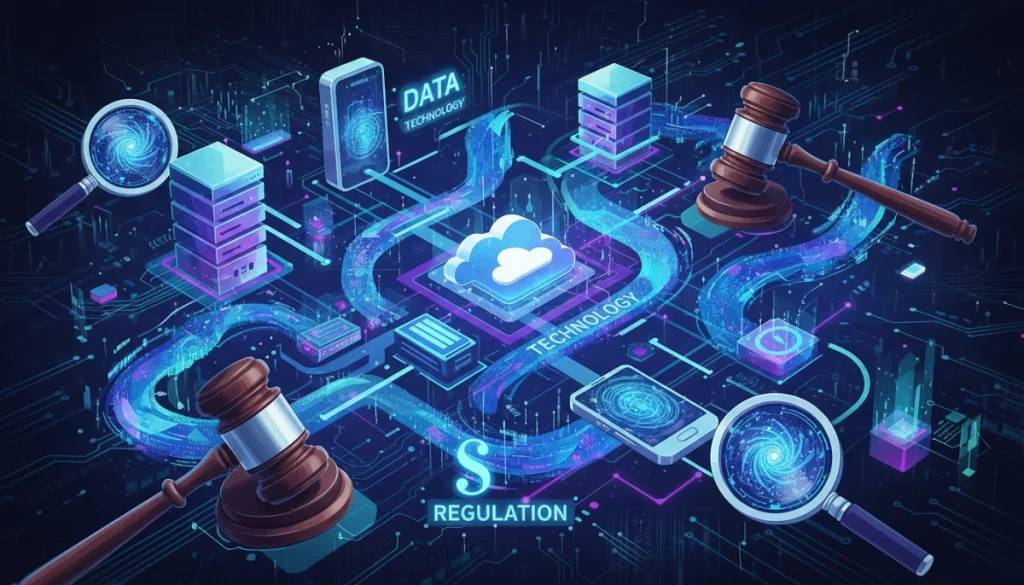
Understanding Data Privacy Regulations and Their Impact on Tech Development is crucial for businesses navigating the evolving digital landscape, as these mandates fundamentally reshape how technology is built, deployed, and perceived by users globally.
In an increasingly data-centric world, the landscape of technology development is constantly being reshaped by new mandates. Understanding Data Privacy Regulations and Their Impact on Tech Development is no longer just a legal concern; it’s a foundational element for innovation, user trust, and market access. How do these regulations influence the very core of how we design, build, and deploy technological solutions?
The evolving landscape of data privacy regulations
The digital age has brought unprecedented capabilities for data collection and analysis, but it has also highlighted significant concerns regarding individual privacy. Governments worldwide have responded by enacting comprehensive data privacy regulations, fundamentally altering how technology companies operate. These regulations aim to protect personal data, granting individuals greater control over their information and imposing strict obligations on organizations that handle it.
The proliferation of these laws has created a complex web of compliance requirements for tech developers. From the initial design phase to deployment and ongoing operations, every aspect of a product or service must consider data privacy. This shift necessitates a privacy-by-design approach, where privacy considerations are integrated into the core architecture rather than being an afterthought.
Key global regulations and their reach
Several landmark regulations have set the global standard for data privacy, influencing legislation in numerous countries. These include:
- GDPR (General Data Protection Regulation): Enacted by the European Union, it is perhaps the most influential data privacy law, known for its strict requirements on data processing, consent, and user rights.
- CCPA (California Consumer Privacy Act): A pioneering regulation in the United States, granting California consumers significant rights regarding their personal information.
- LGPD (Lei Geral de Proteção de Dados): Brazil’s comprehensive data protection law, largely inspired by GDPR, affecting any organization processing data of Brazilian citizens.
- HIPAA (Health Insurance Portability and Accountability Act): A U.S. law specifically designed to protect sensitive patient health information.
These regulations, while varying in specifics, share common principles: transparency, accountability, data minimization, and granting individuals rights over their data. Understanding the nuances of each is vital for any tech company with a global footprint or user base.
The global reach of these regulations means that even companies based outside the EU or California must comply if they process the data of individuals residing in those jurisdictions. This extraterritorial scope has pushed many tech companies to adopt a higher standard of data protection across all their operations, regardless of their physical location.


In conclusion, the evolving landscape of data privacy regulations is not merely a bureaucratic hurdle but a fundamental shift towards a more privacy-conscious digital ecosystem. Tech development must adapt to these changes, embracing privacy as a core value to build trustworthy and sustainable products.
Impact on software development lifecycles
Data privacy regulations have profoundly altered the software development lifecycle (SDLC), requiring developers to integrate privacy considerations from the very first stages of design. This shift from a reactive to a proactive approach ensures that privacy is baked into the product, rather than being patched on later. The concept of ‘privacy by design’ has become a cornerstone of modern software engineering.
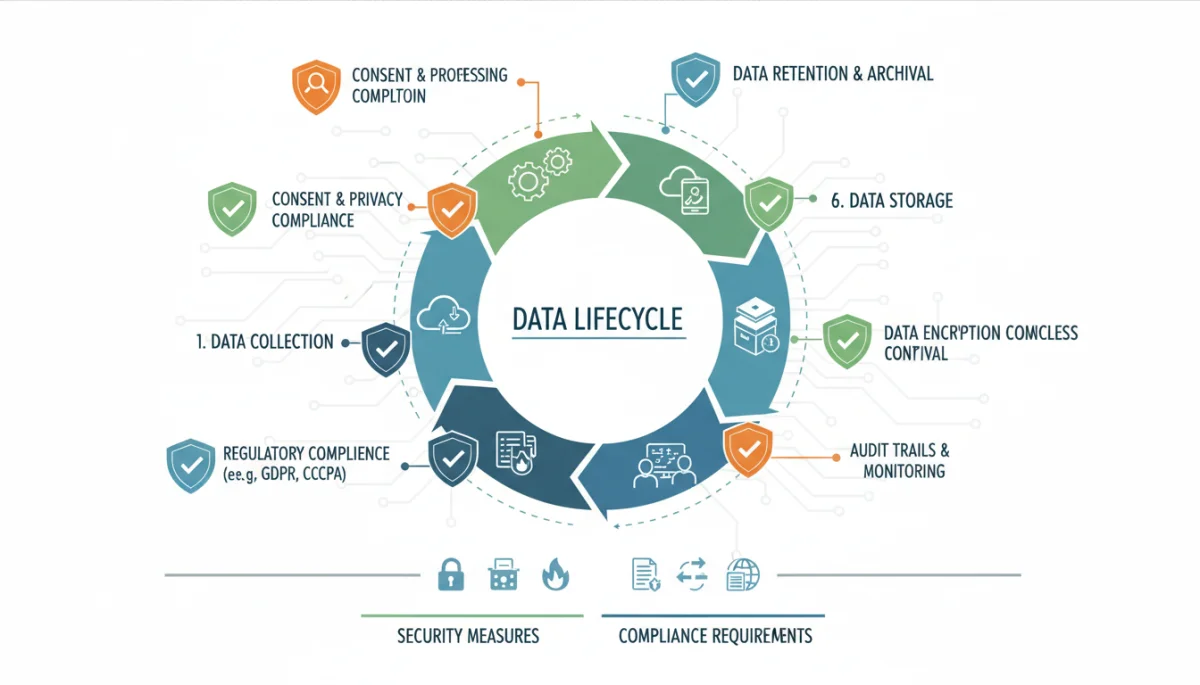
Developers now face the challenge of designing systems that not access, collect, or store more data than absolutely necessary. This principle of data minimization requires careful thought about every feature and its data requirements. Furthermore, robust security measures must be implemented to protect data throughout its lifecycle, from collection to deletion.
Privacy by design and default implementation
Privacy by Design (PbD) is a methodology that integrates data protection into the entire engineering process. It means:
- Proactive, not Reactive: Anticipating and preventing privacy invasive events before they happen.
- Privacy as Default: Ensuring that personal data is automatically protected in any IT system or business practice, without requiring individuals to take action.
- Embedded Privacy: Integrating privacy into the design and architecture of IT systems and business practices.
- End-to-End Security: Protecting data throughout its entire lifecycle.
- Visibility and Transparency: Keeping operations and practices visible and transparent to users and providers alike.
Implementing PbD often involves adopting specific technologies and practices, such as pseudonymization, anonymization, and robust encryption. Developers must be trained not only in coding but also in data privacy principles and best practices.
Moreover, the concept of ‘privacy by default’ means that when a user first interacts with a product or service, the most privacy-protective settings are automatically applied. Users should then have the option to adjust these settings, but the default should always prioritize their privacy. This approach significantly enhances user trust and reduces the burden on individuals to constantly manage their privacy preferences.
Ultimately, the integration of data privacy into the SDLC demands a cultural shift within tech organizations. It requires collaboration between legal, product, and engineering teams to ensure that privacy is not just a compliance checkbox but a core product differentiator. This holistic approach leads to more secure, trustworthy, and user-centric products.
Challenges for tech innovation and startup growth
While data privacy regulations are essential for protecting individuals, they also present significant challenges for tech innovation, particularly for startups. Compliance can be costly, time-consuming, and resource-intensive, potentially stifling the rapid experimentation and agile development that characterize the startup ecosystem. Smaller companies often lack the dedicated legal teams and financial resources to navigate complex regulatory landscapes.
The fear of non-compliance and the associated hefty fines can lead to a more cautious approach to data-driven innovation. Startups might shy away from developing products that involve extensive personal data processing, even if those products could offer significant societal benefits. This creates a barrier to entry and can concentrate innovation among larger, more established companies with greater compliance capabilities.
Balancing innovation with compliance costs
The cost of compliance is a major hurdle. This includes:
- Legal Consultation: Engaging lawyers to interpret regulations and ensure compliance.
- Technology Upgrades: Implementing new systems and tools for data encryption, access control, and consent management.
- Personnel Training: Educating developers, product managers, and other staff on privacy best practices.
- Auditing and Reporting: Conducting regular audits and preparing reports for regulatory bodies.
For startups, these costs can be prohibitive, diverting precious capital away from product development and market expansion. This often forces them to make difficult choices between rapid growth and meticulous compliance.
However, some argue that these regulations, while challenging, also foster a new type of innovation: privacy-preserving technologies. This includes advancements in:
- Homomorphic Encryption: Allowing computations on encrypted data without decrypting it.
- Differential Privacy: Adding noise to datasets to protect individual privacy while still allowing for statistical analysis.
- Federated Learning: Training AI models on decentralized datasets without centralizing raw data.
These emerging technologies represent a paradigm shift, enabling data utility while minimizing privacy risks. Startups that can master these technologies may find a competitive edge in a privacy-conscious market.
Ultimately, the challenge lies in striking a balance. Regulators need to consider the impact on innovation, perhaps offering clearer guidelines or scaled compliance requirements for smaller entities. Simultaneously, startups must view privacy not just as a burden but as an opportunity to build more ethical and resilient products that resonate with a privacy-aware consumer base.
The role of data governance and accountability
Effective data governance is paramount in a regulated environment. It encompasses the entire strategy for managing, using, and protecting an organization’s data assets. Data privacy regulations demand a robust framework for data governance, ensuring accountability at every level of an organization. This goes beyond mere technical implementation; it requires clear policies, defined roles, and continuous oversight to ensure compliance and ethical data handling.
Accountability is a central tenet of most modern privacy laws. Organizations are not only required to comply with regulations but also to demonstrate their compliance. This often involves maintaining detailed records of data processing activities, conducting privacy impact assessments, and appointing data protection officers (DPOs).
Building robust data governance frameworks
A strong data governance framework includes several critical components:
- Data Mapping: Understanding what data is collected, where it is stored, how it is processed, and who has access to it.
- Policy Development: Establishing clear policies for data collection, usage, retention, and deletion, aligned with regulatory requirements.
- Access Control: Implementing strict controls to ensure only authorized personnel can access sensitive data.
- Incident Response Plans: Developing procedures for detecting, responding to, and reporting data breaches.
- Regular Audits: Periodically reviewing data handling practices to identify and address compliance gaps.
The appointment of a Data Protection Officer (DPO) is a common requirement under many regulations, particularly GDPR. The DPO acts as an independent advisor, overseeing data protection strategies and ensuring compliance with the law. Their role is crucial in bridging the gap between legal requirements and technical implementation.
Accountability also extends to third-party vendors. Tech companies are responsible for ensuring that any third-party service providers they use also comply with data privacy regulations when handling personal data. This necessitates rigorous vendor due diligence and contractual agreements that stipulate data protection obligations.
In essence, data governance and accountability transform data privacy from a fragmented, departmental concern into a holistic, organizational imperative. It ensures that privacy considerations are embedded in the organizational culture, fostering trust with users and mitigating legal risks.
Consumer trust and market competitiveness
In an era of frequent data breaches and growing public awareness, consumer trust has become a critical differentiator for tech companies. Adherence to data privacy regulations is no longer just about avoiding fines; it’s about building and maintaining consumer confidence. Companies that demonstrate a strong commitment to privacy are more likely to attract and retain users, gaining a significant competitive advantage in the market.
Consumers are increasingly conscious of how their data is used, and they are more likely to choose products and services from companies they perceive as trustworthy. Privacy-centric design and transparent data practices can foster brand loyalty and positive word-of-mouth, which are invaluable assets in a crowded tech landscape.
Privacy as a competitive advantage
For many years, the prevailing wisdom in tech was that more data meant better products. While data remains important, the narrative is shifting. Companies that prioritize privacy are finding that it can be a powerful competitive advantage:
- Enhanced Brand Reputation: A strong privacy stance builds a reputation for ethical practices and reliability.
- Increased Customer Loyalty: Users are more likely to stick with companies they trust to protect their data.
- Market Differentiation: In a market saturated with data-hungry services, a privacy-first approach can stand out.
- Reduced Legal Risk: Proactive compliance minimizes the likelihood of costly fines and legal battles.
Conversely, companies that fail to meet privacy expectations risk severe reputational damage, customer exodus, and significant financial penalties. High-profile data breaches or privacy missteps can quickly erode years of brand building and trust.
The tech industry is witnessing a growing demand for privacy-focused alternatives. From privacy-respecting search engines to encrypted messaging apps, consumers are actively seeking products that put their data protection first. This trend signals a maturing market where privacy is no longer a niche concern but a mainstream expectation.
Therefore, investing in robust data privacy measures and transparent communication about data practices is not merely a cost of doing business; it is a strategic investment that yields returns in the form of enhanced trust, stronger brand loyalty, and a distinct competitive edge.

Future trends and emerging technologies
The landscape of data privacy regulations and their impact on tech development is far from static. As technology continues to evolve, so too will the challenges and solutions related to data protection. Emerging technologies like artificial intelligence (AI), machine learning (ML), and the Internet of Things (IoT) present new frontiers for data collection and processing, necessitating innovative approaches to privacy.
Regulators are already grappling with how to apply existing privacy principles to these advanced technologies. The sheer volume and variety of data generated by IoT devices, for instance, create complex privacy considerations. Similarly, the ‘black box’ nature of some AI algorithms raises questions about transparency and explainability in data processing.
AI, IoT, and the next wave of privacy challenges
The integration of AI and ML into virtually every tech product introduces several privacy dilemmas:
- Data Bias: AI models trained on biased data can perpetuate discrimination, raising ethical and privacy concerns.
- Explainable AI (XAI): The need for transparency in how AI makes decisions, especially when personal data is involved.
- Deepfakes and Synthetic Data: New forms of data manipulation that challenge traditional notions of consent and identity.
IoT devices, with their pervasive data collection capabilities, also pose unique challenges. From smart home devices to connected cars, these technologies collect intimate details about individuals’ lives, often without explicit consent or clear understanding of data flow. Securing these vast networks and ensuring privacy by design in a fragmented ecosystem is a monumental task.
Furthermore, the rise of quantum computing promises to revolutionize data processing and encryption. While it offers potential for unbreakable security, it also threatens to render current encryption methods obsolete, requiring a complete overhaul of data protection strategies.
In response, the tech industry is exploring solutions like privacy-enhancing technologies (PETs), which include:
- Zero-Knowledge Proofs: Verifying information without revealing the underlying data.
- Secure Multi-Party Computation (MPC): Allowing multiple parties to jointly compute a function over their inputs while keeping those inputs private.
- Tokenization: Replacing sensitive data with a unique identification symbol that retains all essential information without compromising its security.
These technologies are set to play a crucial role in shaping the future of privacy-preserving tech development. The ongoing dialogue between technologists, ethicists, and policymakers will be vital in navigating these complex challenges and ensuring that technological advancement aligns with fundamental privacy rights.
In summary, the future of data privacy in tech development will be defined by continuous innovation in both regulatory frameworks and technological solutions. Companies that anticipate these trends and invest in privacy-enhancing technologies will be best positioned to thrive in the evolving digital landscape.
| Key Aspect | Brief Impact on Tech Development |
|---|---|
| Privacy by Design | Mandates embedding privacy into software from initial design, changing SDLC. |
| Compliance Costs | Increases operational expenses, especially for startups, impacting resource allocation. |
| Consumer Trust | Fosters brand loyalty and competitive advantage through transparent data practices. |
| Emerging Tech | Drives innovation in privacy-enhancing technologies for AI, IoT, and quantum computing. |
Frequently asked questions about data privacy regulations
The primary data privacy regulations include GDPR (Europe), CCPA (California), LGPD (Brazil), and HIPAA (U.S. health data). These regulations mandate strict rules for data collection, processing, and storage, significantly influencing how tech companies design and deploy their products globally.
‘Privacy by Design’ requires integrating privacy considerations into every stage of the software development lifecycle. This means proactively building systems with data minimization, security, and user control as core features, rather than adding them as afterthoughts, to ensure compliance and user trust.
Startups face significant challenges including high compliance costs for legal consultation and technology, resource limitations, and the potential stifling of rapid innovation. Balancing agile development with complex regulatory requirements can be particularly difficult for smaller, growing companies.
Consumer trust is crucial because adherence to data privacy regulations builds confidence and loyalty. Companies demonstrating strong privacy commitments gain a competitive advantage, attracting and retaining users who value their data protection. Conversely, privacy breaches can severely damage reputation and lead to customer loss.
AI and IoT introduce new privacy challenges such as data bias, the need for explainable AI, and pervasive data collection. These technologies necessitate advanced privacy-enhancing solutions like homomorphic encryption and federated learning to ensure data utility while upholding individual privacy rights.
Conclusion
The intricate web of data privacy regulations, including GDPR and CCPA, has fundamentally reshaped the tech development landscape. From mandating privacy-by-design principles to imposing significant compliance costs, these rules compel companies to prioritize data protection throughout their entire operational framework. While presenting challenges, particularly for agile startups, these regulations also drive innovation in privacy-enhancing technologies and foster a crucial environment of consumer trust. As AI, IoT, and other emerging technologies continue to evolve, the dynamic interplay between regulatory frameworks and technological advancement will undoubtedly define the future of ethical and secure digital development, making a deep understanding of these regulations indispensable for sustained success in the tech industry.
