Critical Certifications for Electricians: Your Career Path
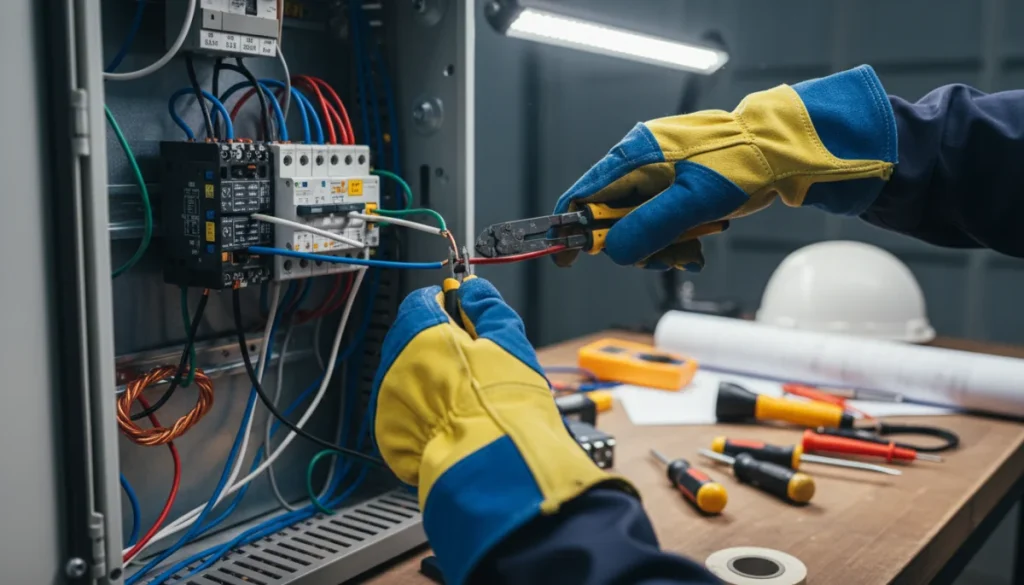
Obtaining the right certifications is paramount for electricians in the USA to ensure legal practice, enhance safety, demonstrate expertise, and unlock diverse career opportunities in the dynamic electrical industry.
Navigating the electrical trade in the United States requires more than just practical skills; it demands a solid foundation of credentials. Understanding the critical certifications for electricians is not merely a bureaucratic hurdle, but a strategic step toward a successful, safe, and lucrative career. This article will guide you through the essential certifications that can define your professional trajectory.
The Foundation: State Licensing and Apprenticeships
Before any specialized certifications come into play, the bedrock of an electrician’s career in the United States is state licensing. Each state has its own specific requirements, but a common pathway involves completing an apprenticeship. These programs are vital for gaining hands-on experience under the guidance of seasoned professionals, ensuring that future electricians develop both theoretical knowledge and practical proficiency.
Apprenticeships typically combine on-the-job training with classroom instruction, covering everything from the National Electrical Code (NEC) to safety protocols. This structured learning environment is crucial for aspiring electricians to build a comprehensive skill set and understand the nuances of electrical systems. Many states mandate a certain number of apprenticeship hours before an individual can even apply for a journeyman license, highlighting their importance.
Understanding State-Specific Licensing
The variation in licensing requirements across states can be a significant challenge for electricians who plan to work in multiple regions. It is imperative to research the specific regulations of the state where you intend to practice. Some states offer reciprocity agreements, allowing licenses from one state to be recognized in another, but this is not universal. Always verify the current requirements.
- Journeyman Electrician License: This is typically the first major license an apprentice earns, signifying competence to work independently on most electrical projects.
- Master Electrician License: Requires additional experience beyond the journeyman level, often involving leadership roles and a deeper understanding of electrical theory and code.
- Contractor License: For those who wish to operate their own electrical business, this license often involves passing a business and law exam in addition to advanced electrical knowledge.
In conclusion, state licensing and apprenticeships are non-negotiable first steps. They provide the necessary legal authorization and practical experience, establishing a strong foundation for any electrician seeking to advance their career. Without these fundamental credentials, opportunities for professional growth and specialized work are severely limited, making them truly critical certifications for electricians.
National Electrical Code (NEC) Proficiency and Certification
The National Electrical Code (NEC), published by the National Fire Protection Association (NFPA), is the cornerstone of electrical safety and installation standards in the United States. While not a certification in itself, proficiency in the NEC is absolutely essential and often tested as part of state licensing exams. Electricians must continuously update their knowledge as the NEC is revised every three years to incorporate new technologies and safety practices.
Understanding the NEC goes beyond memorization; it requires the ability to interpret and apply its complex rules to diverse real-world scenarios. This ensures that electrical installations are not only functional but also safe, preventing hazards such as fires and electrocution. Many training programs and continuing education courses are specifically designed to help electricians master the latest NEC editions, which are critical certifications for electricians.
Staying Current with NEC Updates
Given the periodic updates to the NEC, continuous learning is not just recommended but necessary for all electricians. Municipal and state jurisdictions often adopt specific editions of the NEC, and electricians must ensure their work complies with the version enforced in their area. Failing to adhere to the latest code can lead to project delays, costly rework, and potential legal liabilities.
- Continuing Education Units (CEUs): Many states require electricians to complete a certain number of CEUs related to the NEC to maintain their licenses.
- NEC Seminars and Workshops: Attending specialized seminars provides in-depth analysis of new code changes and their practical implications.
- Online Courses: Flexible online platforms offer convenient ways to study and prepare for NEC updates, catering to busy work schedules.
Proficiency in the NEC is not a one-time achievement but an ongoing commitment to safety and quality. It underpins all electrical work, from residential wiring to complex industrial systems, making it an indispensable aspect of an electrician’s professional development. Therefore, maintaining up-to-date NEC knowledge is one of the most critical certifications for electricians.
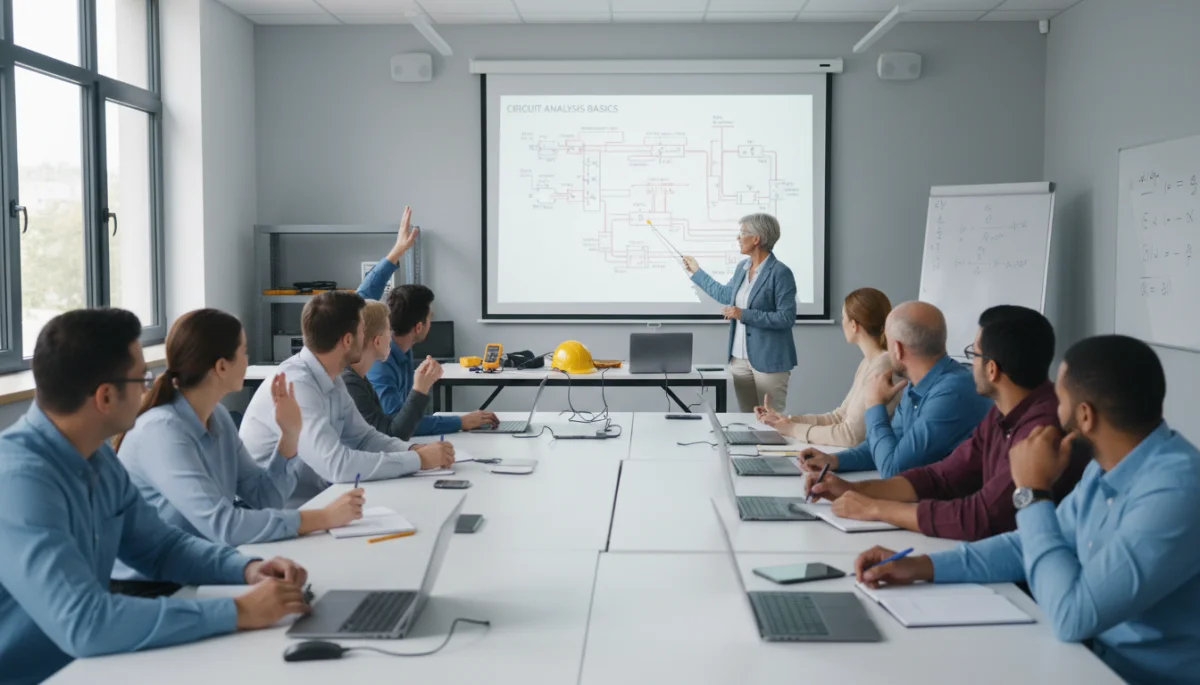
Specialized Certifications: Expanding Your Expertise
While general licensing and NEC proficiency are fundamental, specialized certifications allow electricians to carve out niches and pursue advanced career paths. These certifications often demonstrate a higher level of expertise in specific areas, making individuals more competitive in the job market and opening doors to more complex and higher-paying projects. They represent targeted critical certifications for electricians.
The electrical field is vast and constantly evolving, with new technologies and demands emerging regularly. Specializing can involve anything from renewable energy systems to industrial controls, each requiring distinct knowledge and skill sets. Pursuing these advanced credentials showcases a commitment to professional growth and an ability to tackle specialized challenges within the industry.
Key Areas for Specialization
There are numerous avenues for electricians to specialize, each with its own set of certifications and training programs. Choosing a specialization often depends on market demand, personal interest, and long-term career goals. These specialized critical certifications for electricians can significantly boost earning potential and job security.
- Renewable Energy Systems (Solar/Wind): Certifications like the North American Board of Certified Energy Practitioners (NABCEP) for solar photovoltaic (PV) installers are highly sought after.
- Industrial Control Systems (ICS): Expertise in Programmable Logic Controllers (PLCs) and other automation systems is crucial for manufacturing and industrial settings.
- Low Voltage Systems: Specializing in data cabling, fiber optics, and telecommunications requires specific knowledge and certifications.
- Hazardous Locations: Working in environments with flammable gases or combustible dust requires specialized training and certification to ensure safety.
By obtaining specialized certifications, electricians can differentiate themselves from the general workforce, becoming experts in high-demand fields. This not only enhances their professional reputation but also provides opportunities to work on cutting-edge projects and command higher wages. These advanced credentials are undeniably critical certifications for electricians looking to excel.
Safety Certifications: OSHA and Beyond
Safety is paramount in the electrical trade, where the risks of injury or fatality are significant. Beyond general workplace safety, electricians face unique hazards, including electrocution, arc flash, and falls. Therefore, obtaining robust safety certifications is not just a regulatory requirement but a moral imperative. These are fundamental critical certifications for electricians.
The Occupational Safety and Health Administration (OSHA) provides foundational training programs that are widely recognized across industries. OSHA 10-hour and 30-hour certifications are standard for construction workers, including electricians, covering essential safety practices and hazard recognition. Beyond OSHA, specific certifications address the unique electrical hazards present on job sites.
Advanced Electrical Safety Training
To mitigate the specific risks associated with electrical work, electricians often pursue advanced safety training and certifications. These programs delve into the intricacies of electrical safety standards, emergency procedures, and the proper use of personal protective equipment (PPE). Emphasizing these critical certifications for electricians is vital for minimizing accidents.
- NFPA 70E (Standard for Electrical Safety in the Workplace): This certification focuses on arc flash and shock hazard analysis, lockout/tagout procedures, and safe work practices around energized equipment.
- First Aid/CPR/AED Certification: Essential for any high-risk profession, enabling electricians to respond effectively to medical emergencies on site.
- Confined Space Entry: For electricians working in confined or enclosed spaces, specific training and certification are required to ensure safe entry and rescue procedures.
Prioritizing safety certifications not only protects the electrician but also fosters a safer work environment for the entire team. Employers often look for candidates with strong safety credentials, recognizing their commitment to preventing accidents and complying with industry regulations. These certifications are non-negotiable critical certifications for electricians.

Project Management and Business Certifications
As electricians advance in their careers, many aspire to leadership roles, project management, or even owning their own businesses. For these ambitions, technical electrical skills alone are often insufficient. Certifications in project management and business administration can provide the necessary knowledge to oversee projects efficiently, manage teams, and navigate the complexities of business operations. These represent another category of critical certifications for electricians.
These certifications equip electricians with skills in budgeting, scheduling, risk management, and client communication, which are vital for successful project delivery. For those looking to start an electrical contracting business, understanding legal compliance, financial management, and marketing are equally important. These skills transform a skilled tradesperson into a well-rounded professional capable of strategic leadership.
Certifications for Leadership and Entrepreneurship
Developing leadership and business acumen through targeted certifications can significantly broaden an electrician’s career prospects beyond hands-on technical work. These credentials demonstrate an ability to handle the administrative and strategic aspects of electrical projects and businesses, making them critical certifications for electricians aiming for higher roles.
- Project Management Professional (PMP): While broad, the principles taught in PMP certification are highly applicable to managing large electrical projects, focusing on efficiency and successful completion.
- Certified Construction Manager (CCM): This certification is tailored for those overseeing construction projects, including the electrical components, emphasizing coordination and resource management.
- Small Business Management Courses: For aspiring business owners, local community colleges or online platforms offer courses covering essential topics like financial planning, marketing, and legal structures.
Investing in project management and business certifications can be a game-changer for electricians seeking to transition into supervisory roles, become independent contractors, or expand their entrepreneurial ventures. These certifications provide a competitive edge, showcasing a comprehensive skill set that combines technical expertise with managerial prowess. They are essential critical certifications for electricians with leadership aspirations.
Continuing Education and Recertification: Staying Relevant
The electrical industry is in a constant state of flux, driven by technological advancements, evolving safety standards, and new energy solutions. Therefore, continuing education and periodic recertification are not just requirements but essential practices for electricians to remain competent, compliant, and competitive. This ongoing commitment to learning ensures that critical certifications for electricians retain their value.
Many licenses and certifications have expiration dates, necessitating renewal through approved continuing education units (CEUs) or re-examination. This system ensures that electricians stay abreast of the latest NEC updates, safety protocols, and technological innovations. Neglecting continuing education can lead to license suspension, loss of specialized credentials, and a decline in marketability.
Strategies for Lifelong Learning
To effectively manage continuing education and recertification requirements, electricians can adopt several strategies. Proactive planning and engagement with industry resources are key to maintaining an up-to-date skill set and ensuring all critical certifications for electricians remain valid.
- Track Expiration Dates: Maintain a detailed record of all licenses and certifications, noting their expiration dates and renewal requirements.
- Utilize Online Platforms: Many organizations offer online CEU courses that provide flexibility for busy professionals.
- Join Professional Associations: Organizations like the Independent Electrical Contractors (IEC) or the National Electrical Contractors Association (NECA) offer educational resources, networking opportunities, and updates on industry standards.
- Attend Trade Shows and Conferences: These events provide exposure to new technologies, products, and best practices, often including opportunities for CEUs.
The commitment to lifelong learning through continuing education and recertification is a hallmark of a dedicated and professional electrician. It ensures that their skills remain sharp, their knowledge current, and their practice safe and compliant. This ongoing engagement is fundamental to upholding the integrity and value of all critical certifications for electricians throughout their careers.
| Key Certification | Brief Description |
|---|---|
| State Electrical License | Mandatory legal authorization to practice as an electrician in a specific state. |
| NEC Proficiency | Essential knowledge of the National Electrical Code for safe and compliant installations. |
| OSHA 10/30-Hour | Fundamental safety training for construction, covering hazard recognition and prevention. |
| NFPA 70E | Specialized certification for electrical safety in the workplace, focusing on arc flash and shock. |
Frequently Asked Questions About Electrician Certifications
The most important certification is the state electrical license (journeyman or master), as it is a legal requirement to practice. Without it, an electrician cannot legally perform most electrical work in the United States. It validates fundamental skills and adherence to local codes and safety standards.
Typically, you must complete an apprenticeship program, which combines on-the-job training with classroom instruction, accumulating thousands of hours of experience. Afterward, you must pass a state-administered licensing exam, which covers electrical theory, local codes, and safety practices specific to that state.
Absolutely. With the growing demand for renewable energy, certifications like NABCEP for solar photovoltaic (PV) installers are highly beneficial. They allow electricians to specialize in a rapidly expanding sector, increasing their job opportunities and earning potential in sustainable energy projects.
NFPA 70E is crucial for electrical safety in the workplace. It provides guidelines for protecting workers from electrical hazards like arc flash and shock, ensuring safe work practices around energized equipment. This certification minimizes risks and promotes compliance with crucial safety standards on job sites.
Yes, most electrician licenses and specialized certifications require periodic renewal. This often involves completing continuing education units (CEUs) to stay updated on the latest National Electrical Code changes, safety protocols, and industry advancements. Timely renewal is essential to maintain legal practice and professional standing.
Conclusion
The journey to becoming a proficient and successful electrician in the United States is paved with a series of critical certifications. From the foundational state licenses and unwavering adherence to the National Electrical Code to specialized credentials in emerging fields and rigorous safety training, each certification plays a pivotal role. These credentials not only validate an electrician’s expertise and commitment to safety but also unlock diverse career pathways, higher earning potential, and leadership opportunities. In an industry that constantly evolves, a proactive approach to acquiring and maintaining these certifications is not merely an option, but a strategic imperative for long-term professional growth and ensuring the highest standards of electrical work.
