EV Maintenance: A Guide for Automotive Technicians
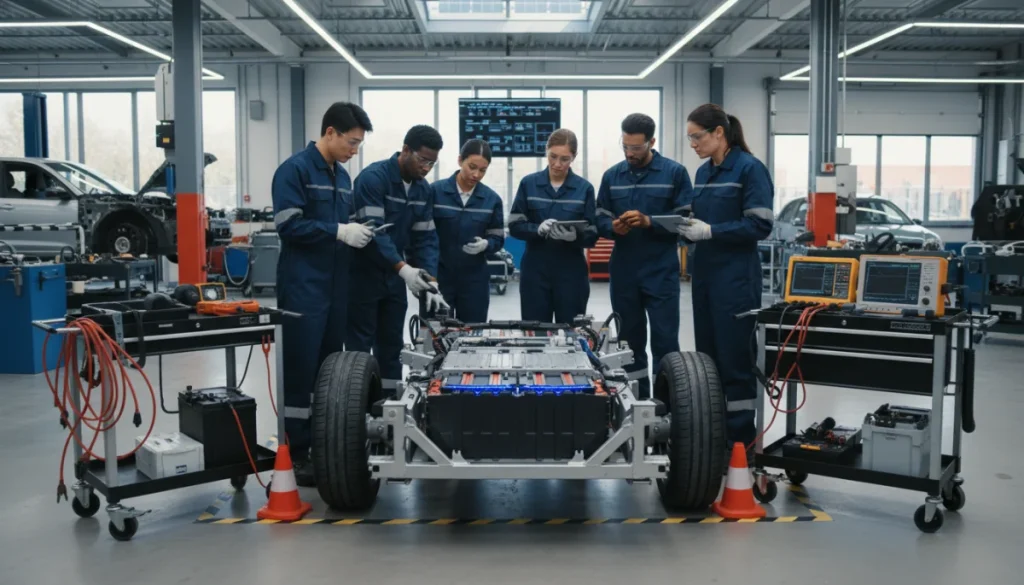
Automotive technicians in the United States must proactively adapt their skill sets to meet the growing demands of electric vehicle maintenance, encompassing specialized training in high-voltage systems, diagnostics, and battery technology to secure future career success.
The automotive industry is in the midst of a profound transformation, driven by the rapid adoption of electric vehicles (EVs). For current and aspiring EV maintenance technicians, understanding this shift is not just beneficial—it’s essential. This article explores the critical skills, training, and career pathways necessary for automotive professionals to thrive in this evolving landscape, ensuring they are well-prepared for the challenges and opportunities ahead.
The electric vehicle revolution: A paradigm shift for technicians
The surge in electric vehicle sales across the United States signals a fundamental change in the automotive service sector. Traditional internal combustion engine (ICE) vehicles, while still prevalent, are slowly being phased out, making way for a new era of electric propulsion. This transition isn’t merely about new models; it’s about entirely different powertrains, diagnostic procedures, and safety protocols that demand a new breed of automotive expertise.
Technicians must recognize that the skills acquired over decades of working with gasoline engines, while valuable, are often insufficient for the complexities of EV systems. The high-voltage components, sophisticated battery management systems, and unique thermal management challenges of EVs require specialized knowledge. Ignoring this shift could leave professionals behind, while embracing it opens doors to a dynamic and in-demand career path.
Understanding the core differences
- Powertrain architecture: EVs utilize electric motors, inverters, and high-voltage battery packs instead of engines, transmissions, and fuel systems.
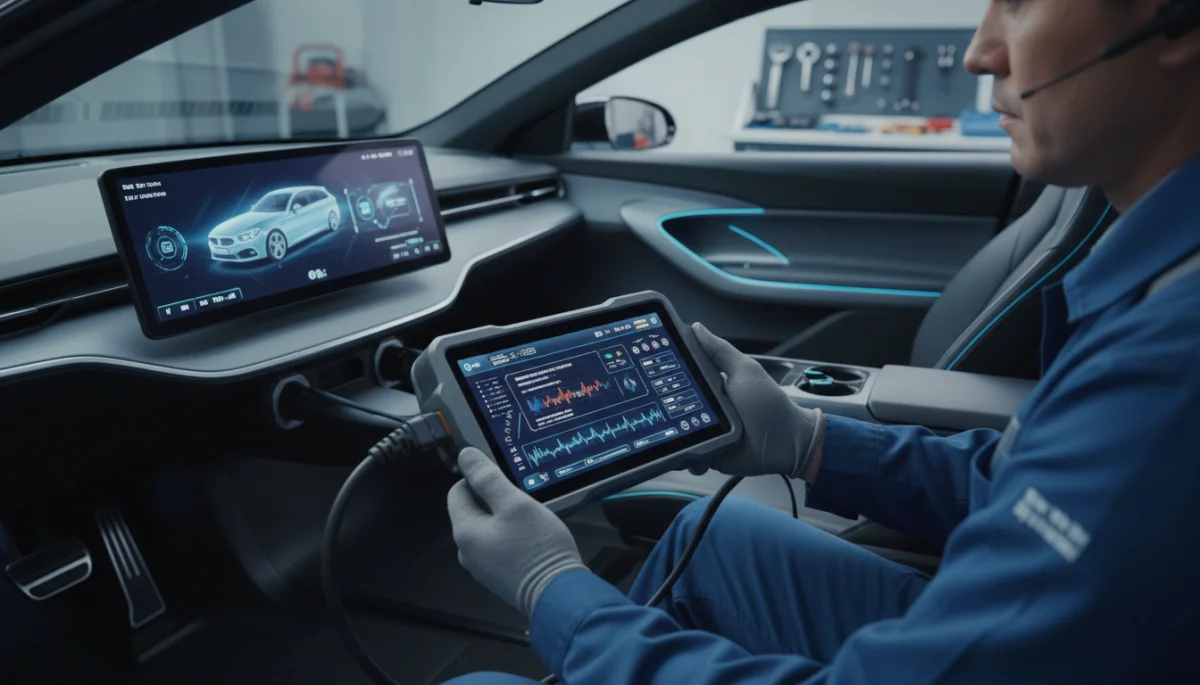
- Diagnostic tools: Specialized software and hardware are required to interface with EV control units and interpret their unique data streams.
- Safety protocols: Working with high-voltage systems necessitates rigorous safety training and personal protective equipment to prevent serious injury.
The transition to electric vehicles is more than just an industry trend; it’s a recalibration of the entire automotive service ecosystem. Technicians who proactively engage with this change will be at the forefront of innovation, equipped to handle the vehicles of tomorrow. The demand for skilled EV technicians is projected to grow significantly, making this a strategic moment for career development.
Essential skills for aspiring EV maintenance technicians
Becoming a proficient EV maintenance technician requires a diverse skill set that extends beyond traditional mechanical aptitude. The intricate nature of electric vehicle technology demands a blend of electrical, electronic, and software diagnostic capabilities, coupled with a deep understanding of high-voltage safety. These skills are not merely supplementary; they are foundational for anyone looking to excel in this specialized field.
Technicians must develop a robust understanding of how electrical currents behave, how to diagnose complex electronic faults, and how to safely navigate systems carrying hundreds of volts. This involves a shift in mindset from purely mechanical troubleshooting to a more integrated approach that considers electrical flow, sensor data, and software logic. Continuous learning is paramount, as EV technology evolves at a rapid pace.
High-voltage system expertise
Working with high-voltage battery packs, electric motors, and power electronics is perhaps the most critical skill for EV technicians. This includes:
- Isolation procedures: Safely de-energizing high-voltage systems before performing any maintenance or repair.
- Component identification: Recognizing and understanding the function of various high-voltage components, such as inverters, converters, and charging ports.
- Insulation testing: Performing tests to ensure the integrity of high-voltage wiring and components, preventing dangerous leaks or shorts.
Beyond high-voltage systems, proficiency in advanced diagnostics is indispensable. Modern EVs are essentially computers on wheels, generating vast amounts of data. Technicians need to interpret this data, often using manufacturer-specific diagnostic tools, to pinpoint issues ranging from software glitches to sensor malfunctions. This requires strong analytical skills and a methodical approach to problem-solving.
Furthermore, an understanding of thermal management systems is crucial. EV batteries and power electronics generate significant heat, and efficient cooling systems are vital for performance and longevity. Diagnosing and repairing these systems, which often involve complex liquid cooling circuits, adds another layer of expertise required for EV maintenance technicians.
Training and certification pathways for EV specialists
The demand for skilled EV maintenance technicians has spurred the creation of various training and certification programs designed to equip professionals with the necessary expertise. These programs range from short, intensive courses to comprehensive associate’s degrees, each offering unique benefits depending on a technician’s existing skill level and career aspirations. Choosing the right pathway is crucial for effective professional development.
Many community colleges and technical schools across the United States now offer specialized EV technology programs. These curricula typically cover foundational electrical principles, high-voltage safety, battery technology, electric motor operation, and advanced diagnostic techniques. Practical, hands-on experience with actual EV components is a cornerstone of these programs, ensuring graduates are job-ready.
Key certification programs
- ASE L3 Hybrid/Electric Vehicle Specialist: A widely recognized certification that validates a technician’s knowledge and skills in diagnosing and repairing hybrid and electric vehicles.
- Manufacturer-specific training: Many EV manufacturers offer their own certification programs, providing in-depth training on their specific vehicle models and proprietary systems.
- OSHA safety certifications: While not EV-specific, general electrical safety training and certifications are vital for working with high-voltage systems.
Beyond formal education, continuous professional development is a hallmark of successful EV maintenance technicians. The rapid pace of technological innovation in the EV sector means that what is cutting-edge today may be standard tomorrow. Attending workshops, webinars, and industry conferences helps technicians stay abreast of the latest advancements and best practices. Employers often seek candidates who demonstrate a commitment to lifelong learning.
The investment in specialized training and certification is not just about acquiring new skills; it’s about enhancing career prospects and earning potential. Certified EV technicians are highly sought after by dealerships, independent repair shops, and fleet operators, reflecting the growing importance of electric vehicles in the automotive market.
Safety protocols and equipment in EV servicing
Safety is paramount when servicing electric vehicles, particularly due to the presence of high-voltage battery systems that can deliver lethal electrical shocks. Unlike traditional ICE vehicles, working on EVs requires strict adherence to specialized safety protocols and the use of specific personal protective equipment (PPE). A lapse in safety can have severe, even fatal, consequences, making comprehensive safety training non-negotiable for all EV maintenance technicians.
Before any work begins on an EV, technicians must follow established lockout/tagout procedures to safely de-energize the high-voltage system. This involves disconnecting the battery and ensuring that it cannot be inadvertently reconnected while maintenance is underway. Verification with appropriate testing equipment is also critical to confirm zero voltage before proceeding.
Essential safety equipment
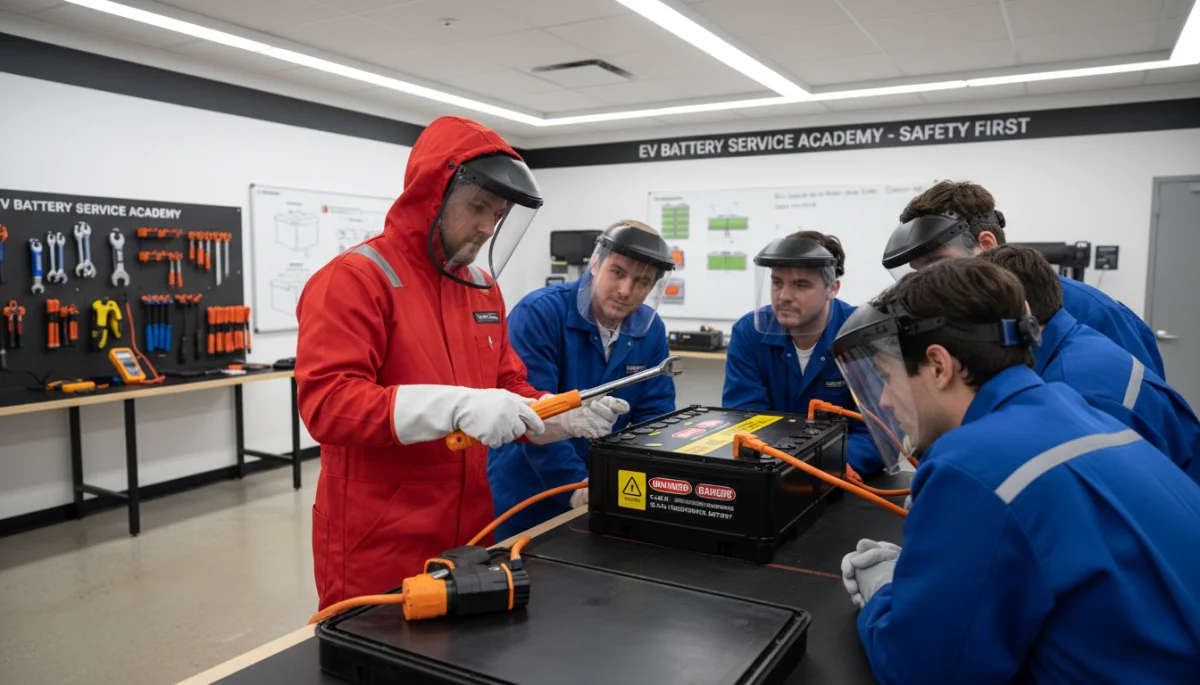
- Insulated tools: Wrenches, pliers, and screwdrivers specifically designed and rated for high-voltage work.
- High-voltage gloves: Electrically insulated gloves, often worn with leather protectors, to prevent electric shock.
- Face shields and safety glasses: To protect against arc flashes and flying debris.
- Rubber mats and blankets: Used to insulate the technician from ground and cover exposed high-voltage components.
Beyond PPE, a thorough understanding of emergency response procedures is crucial. This includes knowing how to handle thermal runaway events in battery packs, which can lead to fires, and how to safely extract individuals from damaged EVs. Specialized fire suppression agents are also required, as water can exacerbate electrical fires.
Regular safety audits and refresher training are essential to maintain a high level of safety awareness among EV maintenance technicians. Workshops must be equipped with appropriate safety signage, emergency shut-off switches, and readily accessible first-aid and defibrillation equipment. Creating a culture of safety ensures that technicians can perform their duties confidently and without undue risk.
Career opportunities and future outlook for EV technicians
The burgeoning electric vehicle market presents a wealth of career opportunities for skilled automotive professionals. As more EVs hit the roads, the demand for qualified EV maintenance technicians will continue to grow exponentially. This creates a stable and promising career path for individuals willing to invest in specialized training and adapt to the evolving technological landscape.
Dealerships, which are often at the forefront of EV sales and service, are actively seeking certified technicians. These roles typically involve routine maintenance, diagnostics, and warranty repairs specific to the manufacturer’s EV lineup. Independent repair shops, recognizing the market shift, are also beginning to specialize in EV service, creating additional employment opportunities.
Diverse employment avenues
- Dealership service centers: Specialized roles focusing on specific EV brands.
- Independent repair shops: Growing demand for multi-brand EV repair expertise.
- Fleet maintenance: Companies operating large fleets of electric vehicles (e.g., delivery services, public transport) require in-house technicians.
- Battery repair and recycling facilities: Emerging sector focused on the lifecycle management of EV battery packs.
Beyond traditional repair roles, there are also opportunities in R&D, vehicle testing, and technical training. As EV technology advances, there will be a continuous need for experts who can contribute to the development of new diagnostic tools, repair procedures, and educational programs. The versatility of skills acquired by EV maintenance technicians opens doors to various facets of the automotive and energy industries.
The future outlook for EV technicians is exceptionally positive. Government incentives, environmental regulations, and consumer demand are all pushing towards greater EV adoption, ensuring a steady increase in the service and maintenance requirements for these vehicles. This makes a career in EV maintenance not just a job, but a future-proof profession with significant growth potential and competitive compensation.
Challenges and considerations for the transition
While the transition to electric vehicles offers numerous opportunities, it also presents several challenges that automotive technicians and employers must address. Adapting to new technologies, investing in specialized equipment, and overcoming the initial learning curve require significant commitment and strategic planning. These challenges, however, are surmountable with the right approach and resources.
One primary challenge is the cost of training and equipment. Specialized diagnostic tools, insulated safety equipment, and advanced training programs can be expensive. For independent shops, this investment can be substantial. However, the long-term benefits of being able to service EVs often outweigh the initial costs, making it a necessary expenditure for future viability.
Overcoming common hurdles
- Access to technical information: Ensuring technicians have access to up-to-date service manuals and wiring diagrams for various EV models.
- Infrastructure development: Adapting workshop layouts to accommodate EV-specific equipment, such as battery lifts and charging stations.
- Talent shortage: Addressing the current scarcity of qualified EV technicians through robust training and recruitment initiatives.
Another consideration is the evolving nature of EV technology itself. New battery chemistries, motor designs, and software updates are constantly being introduced, requiring technicians to engage in continuous learning. This necessitates a proactive approach to professional development, where staying current with industry advancements is an ongoing responsibility rather than a one-time effort.
Furthermore, managing customer expectations is vital. EV owners often have different service needs and expectations compared to traditional vehicle owners. Educating customers about EV maintenance schedules, battery health, and charging best practices can enhance satisfaction and build trust. Successfully navigating these challenges will ensure a smooth and profitable transition for EV maintenance technicians and their employers.
Integrating sustainable practices in EV service
As the automotive industry shifts towards electric vehicles, the emphasis on sustainability extends beyond the vehicle itself to its entire lifecycle, including maintenance and repair. Integrating sustainable practices into EV servicing is not only environmentally responsible but also aligns with the core values of the EV movement. This involves conscious decisions regarding waste management, energy consumption, and responsible component handling.
One key area is the management of EV batteries. These high-voltage components have a finite lifespan and require specialized handling at the end of their service. Proper recycling and disposal protocols are crucial to prevent environmental contamination from hazardous materials. Some facilities are also exploring second-life applications for EV batteries, repurposing them for energy storage solutions, which reduces waste and maximizes resource utilization.
Eco-friendly workshop operations
- Waste minimization: Implementing strategies to reduce waste, such as reusing parts where safe and appropriate, and minimizing consumables.
- Energy efficiency: Utilizing energy-efficient lighting, heating, and cooling systems in workshops, and considering renewable energy sources like solar panels.
- Responsible fluid disposal: Although EVs have fewer fluids than ICE vehicles, coolants and brake fluids still require proper collection and disposal to prevent environmental harm.
Beyond physical waste, digital sustainability also plays a role. Efficient diagnostic processes can reduce the time vehicles spend in the shop, indirectly lowering energy consumption. Utilizing digital service records instead of paper-based systems further contributes to a greener operation. These practices, while seemingly small, collectively contribute to a significant positive environmental impact.
For EV maintenance technicians, understanding and implementing these sustainable practices is becoming an integral part of their role. It reflects a broader commitment to environmental stewardship within the automotive sector and enhances the reputation of service providers. Embracing sustainability in EV service ensures that the benefits of electric mobility are fully realized, from manufacturing to end-of-life management.
| Key Aspect | Brief Description |
|---|---|
| Skill Shift | Transition from mechanical to electrical, electronic, and software diagnostics. |
| Training & Certification | Essential for high-voltage safety and specialized EV systems. |
| Safety Protocols | Rigorous procedures and PPE are mandatory for working with high voltage. |
| Career Outlook | High demand and promising growth for qualified EV technicians. |
Frequently asked questions about EV maintenance
The main difference lies in the powertrain. EVs require specialized knowledge of high-voltage electrical systems, battery management, and electric motors, rather than internal combustion engine components, fuel systems, and traditional transmissions. Diagnostics also shift from mechanical to largely software and electrical troubleshooting.
Technicians should seek training in high-voltage safety, EV battery systems, electric motor theory, and advanced diagnostic software. Certifications like the ASE L3 Hybrid/Electric Vehicle Specialist are highly recommended, along with manufacturer-specific programs to gain in-depth knowledge of particular EV models.
Yes, the demand for qualified EV maintenance technicians is rapidly increasing across the United States. As EV adoption grows, dealerships, independent repair shops, and fleet operators are actively seeking professionals with the specialized skills needed to service these advanced vehicles, ensuring strong career prospects.
EV technicians must follow strict safety protocols, including lockout/tagout procedures for high-voltage systems. They must use specialized personal protective equipment such as insulated gloves, face shields, and insulated tools. Understanding emergency response for electrical fires and battery thermal runaway is also critical for safety.
Sustainable EV maintenance involves responsible handling of high-voltage battery recycling, minimizing waste in workshops, and efficient fluid disposal. It also includes optimizing diagnostic processes to reduce energy consumption and exploring second-life applications for battery packs, collectively reducing the environmental footprint of vehicle servicing.
Conclusion
The automotive industry’s pivot towards electric vehicles is an undeniable reality, creating a compelling imperative for automotive technicians to evolve their skill sets. By embracing specialized training in high-voltage systems, advanced diagnostics, and robust safety protocols, technicians can not only navigate this transition successfully but also secure a thriving career path. The future of automotive service is electric, and those who prepare today will be the leaders of tomorrow, driving innovation and sustainability within the industry.
