U.S. Green Energy Bonds: Investment Opportunities Explored

U.S. Green Energy Bonds provide a unique avenue for investors to support environmentally sound projects while simultaneously aiming for stable financial returns, blending fiscal responsibility with ecological stewardship.
Are you considering where to allocate your capital in an increasingly sustainability-conscious world? Understanding and evaluating U.S. Green Energy Bonds for investment opportunities is becoming paramount for both institutional and individual investors seeking to align their financial goals with environmental impact. This article delves into the intricacies of these bonds, offering a comprehensive guide to their potential.
Understanding U.S. Green Energy Bonds
Green energy bonds are a specific type of fixed-income instrument designed to raise capital for projects with environmental benefits. In the U.S. context, these bonds specifically target initiatives aimed at promoting renewable energy, energy efficiency, sustainable waste management, and other eco-friendly endeavors. The market for these bonds has experienced significant growth, driven by increasing investor demand for sustainable products and governmental pushes towards a greener economy.
The core principle behind a green energy bond is its ‘green’ label, which signifies that the proceeds are exclusively used to finance or re-finance eligible green projects. This transparency is often a key differentiator, attracting investors who prioritize environmental, social, and governance (ESG) factors. The market is diverse, encompassing bonds issued by corporations, municipalities, and even federal agencies, each with its own risk-return profile.
The Evolution of Green Bond Standards
Initially, the definition of a ‘green’ project was somewhat fluid. However, over time, various organizations have developed standards and guidelines to bring clarity and credibility to the green bond market. These standards help ensure that the funded projects genuinely contribute to environmental sustainability.
- Green Bond Principles (GBP): Voluntary process guidelines for issuing green bonds, developed by the International Capital Market Association (ICMA). They recommend transparency and disclosure.
- Climate Bonds Standard (CBS): A more rigorous standard that certifies bonds whose proceeds are used to fund projects that meet specific climate change mitigation criteria.
- U.S. Municipal Green Bonds: Many states and cities issue green bonds for local infrastructure projects, often adhering to their own specific environmental criteria in addition to broader standards.
These frameworks provide a common language and a basis for verifying the environmental integrity of green energy bonds, which is crucial for investor confidence. Without robust standards, the risk of ‘greenwashing’ – where a bond is labeled green without genuine environmental benefit – would be significantly higher.
In conclusion, understanding the fundamental nature and the evolving standards of U.S. Green Energy Bonds is the first step in evaluating their investment potential. These instruments are not just about financial returns; they are about investing in a sustainable future, backed by increasingly transparent and verifiable environmental criteria.
Market Dynamics and Growth of Green Energy Bonds
The U.S. green energy bond market is dynamic and expanding rapidly, reflecting a global shift towards sustainable finance. This growth is fueled by several factors, including heightened environmental awareness, regulatory support for renewable energy, and a growing consensus among investors that ESG factors are material to long-term financial performance. The supply of green bonds has increased substantially, with new issuers entering the market and existing ones expanding their green offerings.
Demand is equally robust, driven by institutional investors with ESG mandates, sovereign wealth funds, and a rising tide of retail investors interested in impact investing. This strong demand often translates into tighter spreads and greater liquidity for green bonds compared to conventional bonds of similar credit quality, though this is not always guaranteed and depends on market conditions.
Key Drivers of Market Expansion
Several forces are converging to accelerate the growth of the U.S. green energy bond market. These drivers create a fertile ground for both issuers and investors.
- Government Initiatives: Federal and state policies, such as tax credits for renewable energy projects and mandates for clean energy adoption, stimulate the need for green financing.
- Corporate Sustainability Goals: Many corporations are setting ambitious sustainability targets, leading them to issue green bonds to fund their transition to cleaner operations.
- Investor Demand: A significant portion of investor capital is now explicitly seeking ESG-compliant investments, creating a deep pool of demand for green bonds.
The market also benefits from technological advancements in renewable energy, which make green projects more economically viable and thus more attractive for bond financing. Solar, wind, and battery storage technologies, for instance, have seen dramatic cost reductions, making them competitive with traditional energy sources.
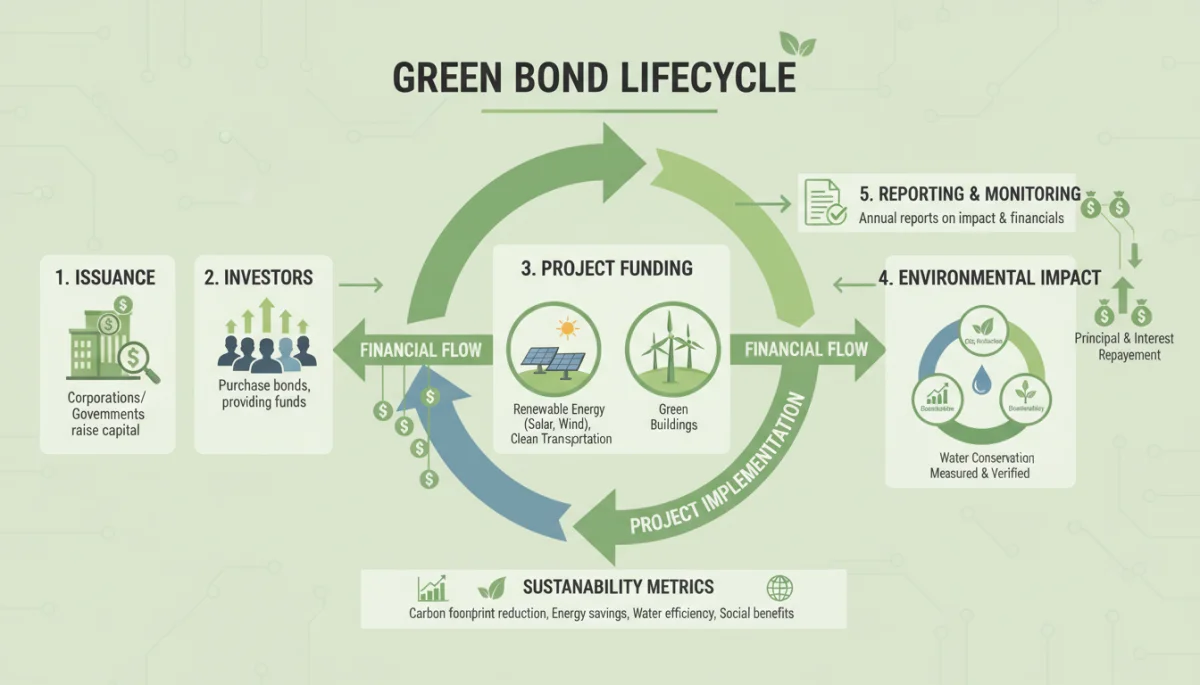
Analyzing the market dynamics reveals a vibrant ecosystem where policy, technology, and investor preferences converge to create significant opportunities. Understanding these underlying drivers is crucial for investors looking to capitalize on the growth of U.S. Green Energy Bonds.
Evaluating Risks and Benefits for Investors
Investing in U.S. Green Energy Bonds, like any investment, involves a careful assessment of both potential risks and benefits. While these bonds offer unique advantages, they are not immune to the broader market and issuer-specific challenges. A balanced perspective is essential for informed decision-making.
On the benefit side, green bonds provide investors with a dual return: financial and environmental. They allow investors to contribute directly to climate change mitigation and sustainable development while earning interest. Many investors also find that green bonds offer diversification benefits, especially if they are issued by entities in sectors not traditionally represented in their portfolios.
Potential Benefits of Green Energy Bonds
The advantages extend beyond mere financial returns, resonating with a growing segment of the investment community.
- Environmental Impact: Direct contribution to sustainable projects, offering a measurable positive impact on the environment.
- Diversification: Can enhance portfolio diversification by introducing exposure to new sectors and types of issuers.
- Reputational Enhancement: Investing in green bonds can improve an investor’s public image and align with ethical investment principles.
- Market Access: In some cases, green bonds may offer access to specific projects or issuers that might not otherwise be available through conventional bond markets.
Understanding the Risks Involved
Despite their appeal, green energy bonds carry inherent risks that investors must consider. These risks are largely similar to those of conventional bonds but can also include specific ‘green’ risks.
One primary concern is ‘greenwashing’ risk, where a bond’s environmental claims might be overstated or lack sufficient verification. While standards are improving, due diligence remains critical. Additionally, policy and regulatory changes affecting the green energy sector can impact project viability and, consequently, bond performance. Interest rate risk, credit risk of the issuer, and liquidity risk are also standard considerations for any bond investment.
In summary, a thorough evaluation of U.S. Green Energy Bonds requires weighing their unique environmental and diversification benefits against the standard financial risks and the specific ‘green’ risks. This comprehensive approach ensures that investors make decisions that align with both their financial objectives and their sustainability aspirations.
Key Metrics and Due Diligence for Green Bonds
Effective evaluation of U.S. Green Energy Bonds requires a robust due diligence process that extends beyond traditional financial analysis. Investors must scrutinize both the financial health of the issuer and the environmental integrity of the underlying projects. This dual focus ensures that the investment meets both financial performance expectations and sustainability criteria.
Key financial metrics, such as credit ratings, yield to maturity, duration, and issuer’s financial stability, remain paramount. These metrics provide insight into the bond’s risk-return profile and the issuer’s capacity to meet its obligations. However, for green bonds, additional layers of analysis are necessary to verify their green credentials.
Essential Due Diligence Steps
A structured approach to due diligence helps investors navigate the complexities of the green bond market and mitigate risks.
- Review Green Bond Framework: Examine the issuer’s official green bond framework, which outlines how proceeds will be used, project selection criteria, and impact reporting.
- Third-Party Verification: Look for independent reviews or certifications from reputable organizations that assess the bond’s alignment with green principles.
- Impact Reporting: Evaluate the issuer’s commitment to transparent reporting on the environmental impact of the funded projects, including metrics like CO2 emissions reduced or renewable energy generated.
Furthermore, understanding the specific technologies and sectors funded by the bond is crucial. For instance, a bond funding solar projects might have different risk factors than one funding energy-efficient buildings. Investors should assess the technological maturity, regulatory landscape, and market demand for the specific green projects.
In conclusion, a comprehensive due diligence process for U.S. Green Energy Bonds integrates traditional financial analysis with a rigorous assessment of their environmental attributes and impact reporting. This holistic approach empowers investors to make well-informed decisions that support genuine sustainability.
Integrating Green Bonds into a Diversified Portfolio
For investors seeking to build a resilient and responsible portfolio, integrating U.S. Green Energy Bonds can be a strategic move. These bonds offer an opportunity to diversify exposure while aligning with sustainability goals. The key lies in understanding how green bonds interact with other asset classes and how they can enhance overall portfolio performance and risk management.
Green bonds, being fixed-income instruments, primarily serve to provide stable income and capital preservation. Their inclusion can help balance the volatility of equity holdings, particularly in a portfolio that is already diversified across different sectors and geographies. The ‘greenium’ – a phenomenon where green bonds trade at a slightly lower yield than conventional bonds – can sometimes be a consideration, but the broader benefits often outweigh this.
Strategic Allocation Considerations
Thoughtful allocation of green bonds within a portfolio can optimize both financial returns and environmental impact.
- Core Fixed Income: Green bonds can form a part of the core fixed-income allocation, offering similar credit quality and duration characteristics as conventional bonds.
- ESG Overlay: For portfolios with explicit ESG mandates, green bonds provide a direct and measurable way to meet these objectives.
- Sector Exposure: They can offer targeted exposure to the growing renewable energy and sustainable infrastructure sectors, which might be underrepresented in traditional bond indices.
Consideration should also be given to the issuer type. Municipal green bonds, for example, might offer tax advantages for U.S. investors, while corporate green bonds might provide higher yields depending on the issuer’s credit profile. The mix of issuer types can further enhance diversification and manage specific risks.
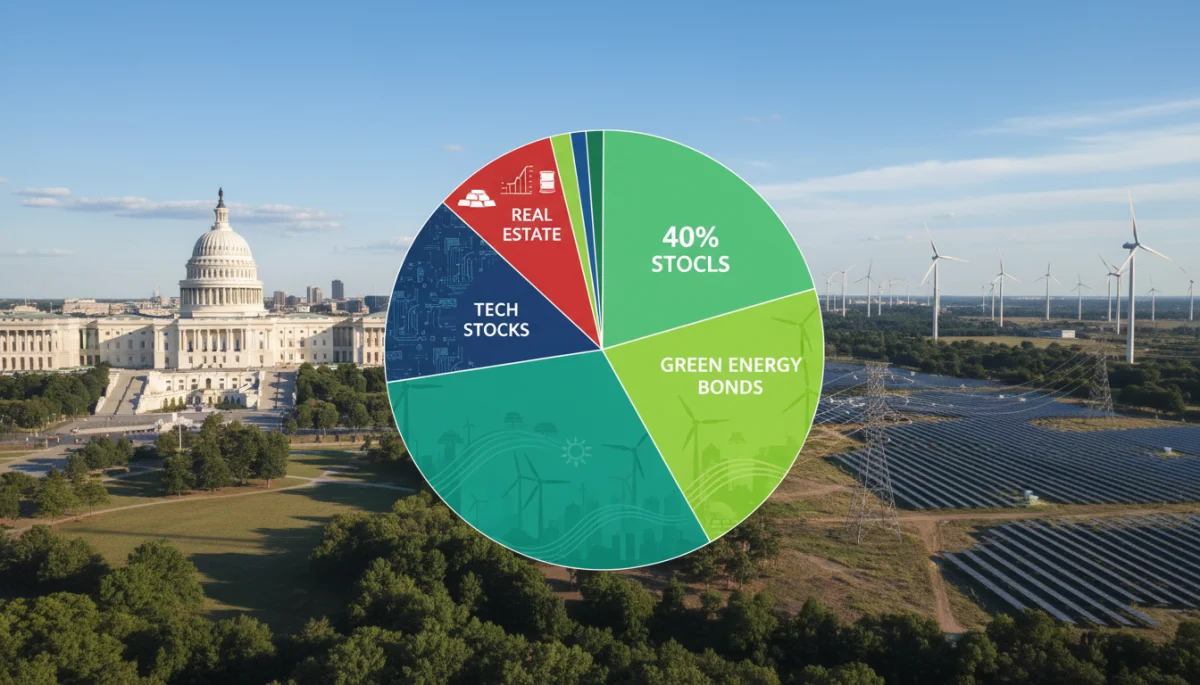
Ultimately, integrating U.S. Green Energy Bonds into a diversified portfolio is about strategically enhancing both financial robustness and ethical alignment. By carefully selecting bonds that match investment objectives and sustainability criteria, investors can build a portfolio that thrives in the evolving economic landscape.
Future Outlook and Trends in Green Energy Bonds
The future of U.S. Green Energy Bonds appears bright, with several trends indicating continued growth and innovation in the market. As global efforts to combat climate change intensify and technological advancements make renewable energy more accessible, the demand for green financing will only increase. This upward trajectory presents both opportunities and challenges for investors and issuers alike.
One significant trend is the increasing standardization and regulatory clarity surrounding green bonds. Governments and financial institutions are working to establish more robust frameworks, which will enhance transparency and reduce greenwashing risks. This improved market infrastructure is expected to attract an even broader range of investors, further fueling demand.
Emerging Trends to Watch
Keeping an eye on these developments will be crucial for investors looking to stay ahead in the green bond market.
- Innovation in Green Financial Products: Expect to see more diversified green finance products beyond traditional bonds, such as green loans, sustainability-linked bonds, and transition bonds.
- Increased Corporate Issuance: More companies across various sectors are likely to issue green bonds as they commit to decarbonization and sustainable business practices.
- Technological Integration: The use of blockchain and other technologies to enhance transparency in green bond tracking and impact reporting may become more prevalent.
- Enhanced Impact Reporting: Investors will demand more granular and standardized reporting on the actual environmental and social impacts of funded projects.
Another area of growth is the potential for U.S. federal government green bond issuance. While municipal and corporate green bonds are well-established, a significant federal green bond program could dramatically expand the market and channel substantial capital towards national sustainability initiatives. This would not only provide a safe haven for green investments but also set a benchmark for other issuers.
In conclusion, the U.S. Green Energy Bond market is poised for continued expansion and evolution. By staying informed about emerging trends and regulatory developments, investors can position themselves to capitalize on the growing opportunities within this crucial segment of sustainable finance.
| Key Aspect | Brief Description |
|---|---|
| Investment Focus | Funding projects with clear environmental benefits, particularly in renewable energy. |
| Market Growth | Rapid expansion driven by ESG mandates, government support, and technological advancements. |
| Risk & Benefit | Offers financial returns and environmental impact, but carries credit, interest rate, and greenwashing risks. |
| Due Diligence | Requires assessing issuer’s financial health and project’s environmental integrity via frameworks and reporting. |
Frequently Asked Questions About Green Energy Bonds
A green energy bond specifically earmarks its proceeds for projects with environmental benefits, such as renewable energy or energy efficiency. Unlike conventional bonds, green bonds often come with a framework detailing project selection, management of proceeds, and impact reporting, offering transparency to investors.
Their safety largely depends on the issuer’s creditworthiness, similar to conventional bonds. While they carry typical fixed-income risks like interest rate and credit risk, additional due diligence on the ‘green’ aspects is crucial. Many green bonds are issued by highly-rated entities, offering a degree of stability.
Look for third-party certifications from reputable organizations like the Climate Bonds Initiative or bonds aligned with the Green Bond Principles (GBP). Review the issuer’s green bond framework and their commitment to transparent impact reporting. Independent verification adds significant credibility to the bond’s environmental claims.
Yes, green bonds generally offer financial returns comparable to conventional bonds of similar credit quality and maturity. While some may trade at a slight ‘greenium’ (lower yield), the increasing demand and strong market performance often make them competitive, especially when considering their added environmental benefits.
Government policies, such as tax incentives for renewable energy and state-level clean energy mandates, significantly stimulate the green bond market. These policies create a favorable environment for green projects, increasing the need for financing and, consequently, the issuance of green bonds by various entities, including municipalities and corporations.
Conclusion
Evaluating U.S. Green Energy Bonds for investment opportunities presents a compelling pathway for investors to achieve financial objectives while actively contributing to a more sustainable future. The market’s robust growth, driven by evolving standards, increasing investor demand, and supportive policies, underscores its significance in the broader financial landscape. By conducting thorough due diligence and understanding both the unique benefits and inherent risks, investors can strategically integrate these instruments into their portfolios, fostering both financial resilience and environmental stewardship. The trajectory of this market suggests that green energy bonds will continue to be a vital component of responsible and forward-looking investment strategies.
