Maximizing Your Remote Job Search in the US: A Comprehensive Guide
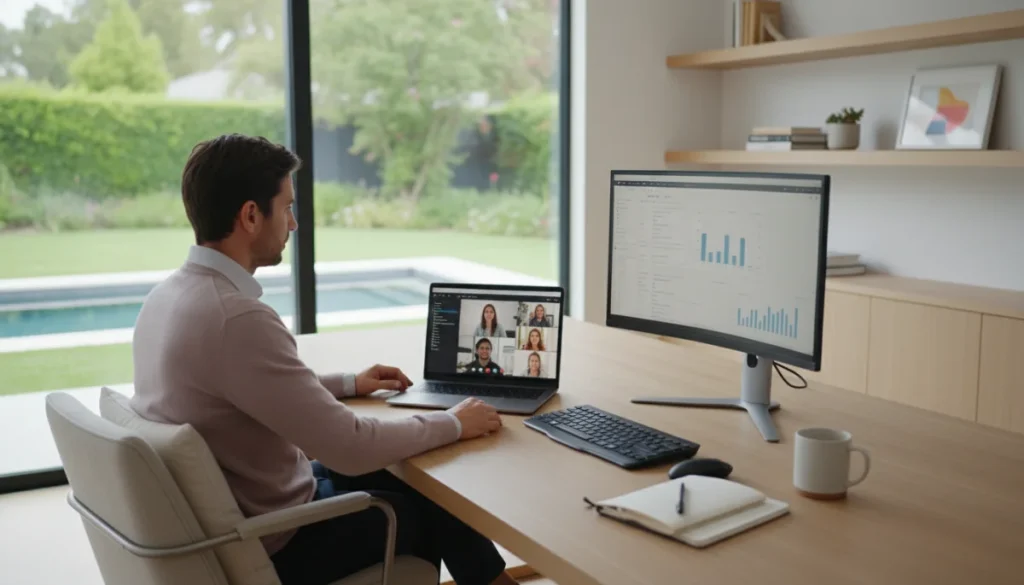
Maximizing your remote job search in the US requires a strategic approach, focusing on targeted platforms, skill enhancement, and tailored application materials to stand out in a competitive market.
Embarking on a remote job search can be both exciting and daunting. In today’s dynamic employment landscape, mastering the art of maximizing your remote job search in the US is paramount for securing your ideal work-from-home position. This guide offers actionable insights and proven strategies to navigate the competitive US remote job market effectively.
Understanding the US Remote Job Market Landscape
The US remote job market has experienced unprecedented growth, transforming how and where people work. This shift has opened doors to diverse opportunities across various industries, from technology and marketing to healthcare and education. Understanding its nuances is the first step toward a successful remote job search.
Key Trends in Remote Work
Several significant trends define the current remote work landscape in the US. These include the rise of hybrid models, increased demand for specific digital skills, and a greater emphasis on work-life balance. Recognizing these trends helps job seekers align their strategies with market needs.
- Hybrid Models: Many companies are adopting a blend of in-office and remote work, offering flexibility.
- Digital Skill Demand: Proficiency in collaboration tools, cybersecurity, and data analysis is highly valued.
- Geographic Flexibility: Remote roles often allow candidates to apply from anywhere within the US.
Navigating this evolving landscape requires continuous learning and adaptability. Employers are increasingly looking for candidates who can demonstrate self-management, effective communication in virtual settings, and a proactive approach to problem-solving, all while maintaining high productivity from a distance. The shift has also led to a broader talent pool for companies, intensifying competition for job seekers.
In conclusion, a deep understanding of the US remote job market’s current state and future trajectories is crucial. This knowledge empowers job seekers to tailor their skills, expectations, and application strategies to the realities of remote employment, setting a strong foundation for their search.
Crafting an Optimized Remote Resume and Cover Letter
Your resume and cover letter are your first impression in the digital world. For remote roles, these documents must be meticulously crafted to highlight your remote-specific skills and experiences. Generic applications often fall short in a competitive remote job market.
Highlighting Remote-Specific Skills
When applying for remote positions, it’s essential to showcase skills that prove your capability to work effectively outside a traditional office setting. This goes beyond technical proficiency and includes soft skills vital for virtual collaboration.
- Self-Motivation & Discipline: Demonstrating the ability to manage tasks independently and meet deadlines.
- Communication Skills: Emphasizing clear and concise virtual communication, both written and verbal.
- Technical Proficiency: Highlighting experience with remote collaboration tools (e.g., Slack, Zoom, Asana).
- Adaptability: Showing flexibility in adjusting to new tools, processes, and work environments.
Your resume should clearly articulate how your past experiences have prepared you for remote work. Use action verbs that convey autonomy and results achieved without direct supervision. For example, instead of just ‘managed projects,’ consider ‘autonomously managed cross-functional remote projects, leading to X% efficiency gain.’ The cover letter should then expand on these points, directly addressing how your remote readiness aligns with the specific company’s culture and the job requirements.
Furthermore, customize each application. A ‘one-size-fits-all’ approach rarely works for remote jobs. Research the company’s remote work policy and culture, and reflect this understanding in your cover letter. Mention specific tools they use or values they uphold. This personalized touch demonstrates genuine interest and a commitment to understanding their remote operations.
In summary, an optimized remote resume and cover letter are not just about listing qualifications; they are about storytelling. They should narrate your journey as a capable, self-sufficient, and collaborative remote professional, ready to contribute meaningfully from day one.
Leveraging Top Remote Job Boards and Platforms
Finding the right remote job often depends on knowing where to look. While many general job boards exist, specialized remote job platforms offer a more focused and efficient search experience. These platforms curate listings specifically for work-from-home opportunities.
Essential Platforms for Remote Job Seekers
Beyond traditional sites, several platforms are dedicated to remote work, making them invaluable resources for your search. These sites often filter by location, industry, and specific remote-friendly companies.
- FlexJobs: A premium platform with hand-screened remote and flexible job listings.
- We Work Remotely: Features a wide array of remote positions across various sectors.
- Remote.co: Offers a comprehensive list of remote jobs, resources, and company profiles.
- LinkedIn: Utilize its advanced filters for ‘remote’ positions and connect with remote-friendly companies.
It is crucial to set up alerts on these platforms for new postings that match your criteria. This proactive approach ensures you are among the first to apply for newly listed opportunities, which is often a significant advantage in competitive fields. Additionally, don’t overlook company career pages. Many organizations that embrace remote work will post opportunities directly on their own websites before or instead of using third-party boards. Regularly checking the ‘careers’ section of companies you admire can yield exclusive leads.

Networking remains a powerful tool, even in a remote context. Engage with professionals on LinkedIn, participate in online forums or communities focused on remote work, and attend virtual career fairs. These interactions can lead to referrals or insights into unadvertised positions. A warm introduction often carries more weight than a cold application.
Ultimately, a multi-pronged approach to leveraging job boards and platforms is most effective. Combining specialized remote job sites with general platforms and direct company research, alongside active networking, significantly increases your visibility and chances of success in the US remote job market.
Mastering the Virtual Interview Process
Virtual interviews are a critical component of the remote hiring process. They require a different set of preparations and etiquette compared to in-person interviews. Mastering these nuances can significantly impact your success in securing a remote role.
Preparing for a Seamless Virtual Interview
Successful virtual interviews hinge on meticulous preparation, covering everything from technical setup to your personal presentation. A smooth experience reflects professionalism and attention to detail.
- Technical Check: Ensure your internet connection is stable, webcam and microphone are working, and the chosen video conferencing software is installed and tested.
- Professional Environment: Choose a quiet, well-lit space with a clean, uncluttered background. Minimize distractions.
- Dress Code: Dress professionally, as you would for an in-person interview.
- Body Language & Eye Contact: Maintain good posture and try to look directly into the camera to simulate eye contact.
- Practice: Rehearse common interview questions, and consider doing a mock interview with a friend.
Beyond the technical aspects, it is vital to research the company and the interviewer thoroughly. Understand their mission, values, and recent projects. This knowledge allows you to tailor your answers, ask insightful questions, and demonstrate genuine interest. Prepare specific examples from your past experience that highlight relevant skills, especially those related to remote work, such as autonomy, initiative, and virtual collaboration.
During the interview, actively listen and engage. Take notes if necessary, but avoid excessive typing that might distract. Be ready to articulate why you are interested in a remote role specifically and how you plan to manage the unique aspects of working from home, such as maintaining work-life balance and staying connected with your team. Show enthusiasm and confidence.
In conclusion, mastering the virtual interview process means more than just having the right answers. It encompasses creating a professional digital presence, ensuring technical readiness, and demonstrating your suitability for remote work through both your words and your demeanor.
Networking and Building Your Remote Professional Brand
In the remote work landscape, networking is more crucial than ever. Building a strong professional brand online can open doors to opportunities that might not be publicly advertised. Your digital presence is your professional calling card.
Strategies for Remote Networking and Branding
Effective remote networking involves strategic engagement across various online platforms, while building your brand means consistently showcasing your expertise and value.
- Optimize LinkedIn Profile: Ensure your profile clearly states your interest in remote roles, highlights remote-friendly skills, and includes a professional headshot.
- Engage in Online Communities: Participate in industry-specific forums, Slack channels, or Facebook groups related to remote work and your field.
- Virtual Events: Attend webinars, online conferences, and virtual meetups to connect with peers and potential employers.
- Content Creation: Share insights, write articles, or comment thoughtfully on industry trends to establish yourself as an expert.
Building your professional brand extends to consistently demonstrating your value. This could involve contributing to open-source projects, offering pro-bono services, or simply sharing your knowledge through blog posts or social media. The goal is to become visible as a knowledgeable and reliable professional in your niche, making it easier for recruiters and hiring managers to find you.
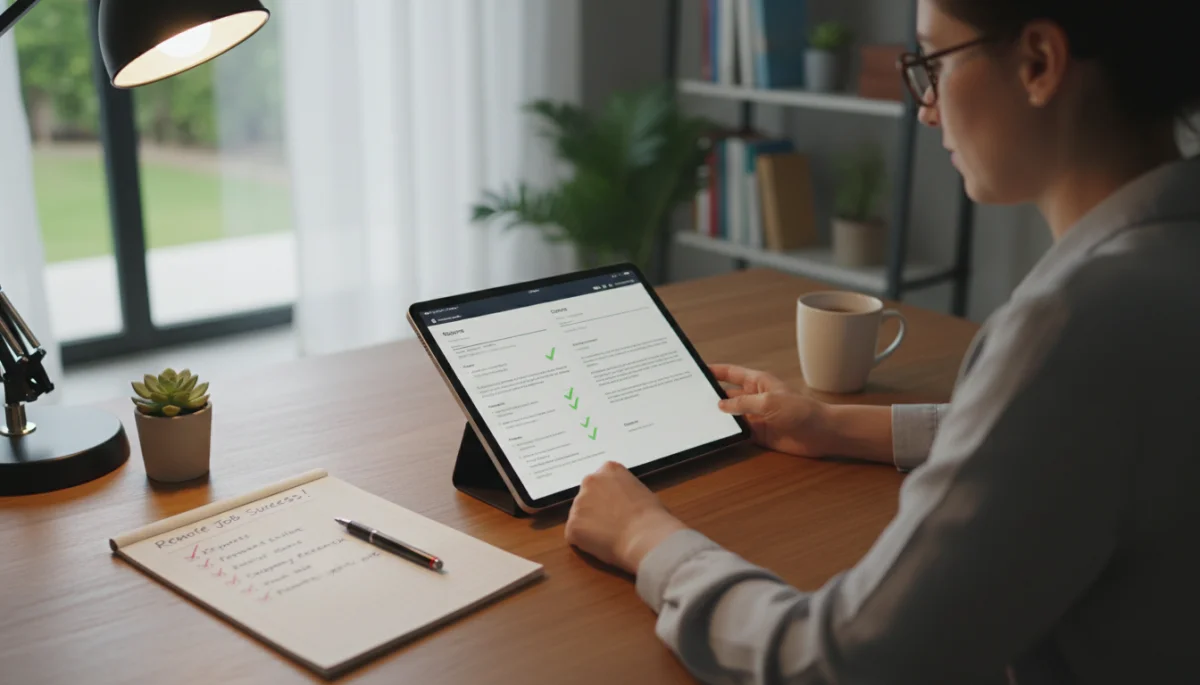
Don’t underestimate the power of informational interviews. Reach out to professionals in roles or companies you admire and request a brief virtual chat. These conversations can provide invaluable insights, expand your network, and sometimes even lead to direct referrals. Always be respectful of their time and come prepared with thoughtful questions.
Ultimately, a strong remote professional brand and an active network can significantly enhance your job search. They position you as a proactive, engaged, and credible candidate, often leading to opportunities that are a perfect fit for your skills and remote work preferences.
Navigating Compensation and Benefits in Remote Roles
Understanding compensation and benefits for remote roles in the US can be complex, as factors like geographic location, cost of living, and company policy often influence salary ranges. It’s essential to research and negotiate effectively to ensure a fair package.
Key Considerations for Remote Compensation
Remote compensation isn’t always straightforward. Companies may adjust salaries based on where the employee is physically located, even if the work is remote. This trend is becoming more common, making it vital for job seekers to be informed.
- Location-Based Pay: Be aware that some companies adjust salaries based on the employee’s cost of living area, even for remote positions.
- Benefit Parity: Inquire about benefits such as health insurance, retirement plans, and paid time off. Confirm they are comparable to in-office roles.
- Remote Work Stipends: Ask if the company offers stipends for home office equipment, internet, or utilities.
- Negotiation: Always be prepared to negotiate your salary and benefits. Highlight your unique skills and experience.
Before entering salary negotiations, thoroughly research average salaries for similar remote positions in your industry and experience level, considering the company’s location (if they have a physical headquarters) and where you reside. Websites like Glassdoor, Salary.com, and LinkedIn Salary can provide valuable insights. Being armed with data strengthens your negotiating position.
Beyond base salary, consider the full compensation package. This includes bonuses, stock options, professional development opportunities, and flexible work schedules. Sometimes, a slightly lower base salary might be offset by superior benefits or a more desirable work-life balance. Clearly communicate your expectations and what you value most in a compensation package.
In conclusion, navigating compensation and benefits in remote roles requires diligence and strategic thinking. By understanding market rates, considering all aspects of the package, and being prepared to negotiate, you can secure a remote job that offers both professional satisfaction and financial stability.
| Key Strategy | Brief Description |
|---|---|
| Resume Optimization | Tailor your resume and cover letter to highlight remote-specific skills and experiences. |
| Targeted Job Boards | Utilize specialized remote job platforms and set up alerts for new opportunities. |
| Virtual Interview Prep | Master technical setup, environment, and communication for online interviews. |
| Remote Networking | Build your professional brand and network actively in online communities. |
Frequently Asked Questions About Remote Job Search
In-demand remote skills include digital literacy, self-management, strong written and verbal communication, adaptability, and proficiency with collaboration tools like Zoom, Slack, and Asana. Technical skills in areas like cybersecurity, data analysis, and cloud computing are also highly valued across various industries.
To make your resume stand out, highlight specific achievements that demonstrate autonomy, initiative, and successful virtual collaboration. Use keywords from the job description, emphasize your experience with remote tools, and quantify your accomplishments whenever possible to show tangible results achieved remotely.
Yes, location-based pay is becoming increasingly common for remote jobs in the US. Many companies adjust salaries based on the cost of living in the employee’s geographic location, even if the role is fully remote. Always clarify compensation details during the negotiation phase.
Top platforms for finding remote jobs in the US include FlexJobs, We Work Remotely, Remote.co, and LinkedIn. Additionally, checking the career pages of remote-friendly companies directly can uncover exclusive opportunities. Diversifying your search across several platforms is recommended.
Prepare for a virtual interview by ensuring a stable internet connection, testing your webcam and microphone, and choosing a professional, quiet background. Practice common interview questions, maintain good eye contact with the camera, and research the company thoroughly to ask insightful questions.
Conclusion
Successfully navigating and maximizing your remote job search in the US demands a strategic, multi-faceted approach. By understanding market trends, optimizing your application materials, leveraging specialized platforms, mastering virtual interviews, and actively building your professional brand, you significantly enhance your chances of securing a fulfilling remote role. The landscape of remote work is ever-evolving, but with diligence and adaptability, your ideal work-from-home opportunity is within reach. Embrace continuous learning and proactive engagement to thrive in this dynamic environment, making your remote career aspirations a reality.
