Optimizing Food & Beverage Costs in U.S. Resorts: Solutions

Optimizing food and beverage costs in U.S. resorts involves strategic approaches to procurement, inventory management, menu engineering, and waste reduction, directly impacting profitability and operational efficiency for enhanced guest experiences.
For resort managers in the United States, mastering the art of optimizing food and beverage costs in U.S. resorts: practical solutions is not just about cutting expenses; it’s about strategically enhancing profitability and guest satisfaction. This deep dive into F&B cost control provides actionable insights for improving your resort’s financial health.
Understanding the landscape of F&B costs in U.S. resorts
The food and beverage (F&B) sector within U.S. resorts represents a significant portion of operational expenses, yet it also holds immense potential for revenue generation. A clear understanding of the various components contributing to F&B costs is the first step toward effective optimization. These costs extend beyond raw ingredients to include labor, utilities, waste, and even marketing, each requiring careful scrutiny.
Many resorts face common challenges, such as fluctuating ingredient prices, seasonal demand variations, and the complexities of managing diverse F&B outlets. Recognizing these inherent difficulties allows for the development of more resilient and adaptable cost-control strategies. It’s not about sacrificing quality, but rather about smarter resource allocation and operational excellence.
Key cost components to analyze
- Raw ingredient costs: The direct expense of food and beverage items purchased from suppliers.
- Labor costs: Wages, benefits, and payroll taxes for all F&B staff, including chefs, servers, bartenders, and management.
- Operating expenses: Utilities (gas, electricity, water), cleaning supplies, equipment maintenance, and linen services.
- Waste and spoilage: Costs associated with discarded food, over-preparation, and expired inventory.
By breaking down F&B costs into these granular components, resort operators can pinpoint areas of inefficiency and prioritize their optimization efforts. A holistic view ensures that cost-cutting measures in one area do not inadvertently increase expenses or negatively impact service quality in another.
Understanding the intricate relationship between procurement, preparation, service, and guest perception is crucial. Cost optimization should always align with the resort’s brand standards and guest expectations, ensuring that value is maintained even as expenses are managed more tightly.
Strategic procurement and vendor management
Effective procurement is the cornerstone of successful F&B cost optimization. It involves more than just finding the cheapest supplier; it’s about establishing long-term relationships, negotiating favorable terms, and ensuring consistent quality. Resorts often deal with a multitude of vendors for various products, making centralized purchasing a powerful tool for efficiency and cost reduction.
Developing a robust vendor management program includes regular performance reviews, exploring alternative suppliers, and leveraging purchasing power through group buying or strategic alliances. This proactive approach helps mitigate risks associated with supply chain disruptions and price volatility, ensuring a stable and cost-effective flow of necessary ingredients.
Negotiating favorable contracts
Successful negotiation with suppliers requires data-driven insights into usage patterns and market prices. Resorts should aim for contracts that offer volume discounts, fixed pricing for a specified period, and clear terms regarding delivery schedules and quality control. Transparency and mutual benefit are key to fostering strong vendor relationships.
- Volume discounts: Leveraging bulk purchases to secure lower unit costs.
- Fixed-price agreements: Locking in prices for key ingredients to hedge against market fluctuations.
- Payment terms: Negotiating extended payment terms to improve cash flow.
- Delivery schedules: Optimizing delivery frequency to reduce storage needs and spoilage.
Beyond price, consider the value proposition each vendor offers. This includes reliability, product freshness, and customer service. A slightly higher price from a consistently reliable vendor might be more cost-effective in the long run than frequent issues with a cheaper, less dependable option.
Regularly reviewing and re-evaluating vendor contracts is essential. Market conditions change, and new suppliers may emerge offering better terms. Staying informed and agile in procurement ensures ongoing cost efficiency.
Advanced inventory control and waste reduction
Inefficient inventory management is a silent killer of F&B profitability. Overstocking leads to spoilage and increased holding costs, while understocking can result in lost sales and guest dissatisfaction. Implementing advanced inventory control systems, whether manual or digital, is critical for maintaining optimal stock levels and minimizing waste.
Waste reduction strategies must permeate every aspect of F&B operations, from receiving and storage to preparation and service. This includes meticulous tracking of food waste, repurposing ingredients, and optimizing portion sizes. Employee training plays a vital role in fostering a culture of waste consciousness.
Implementing modern inventory systems
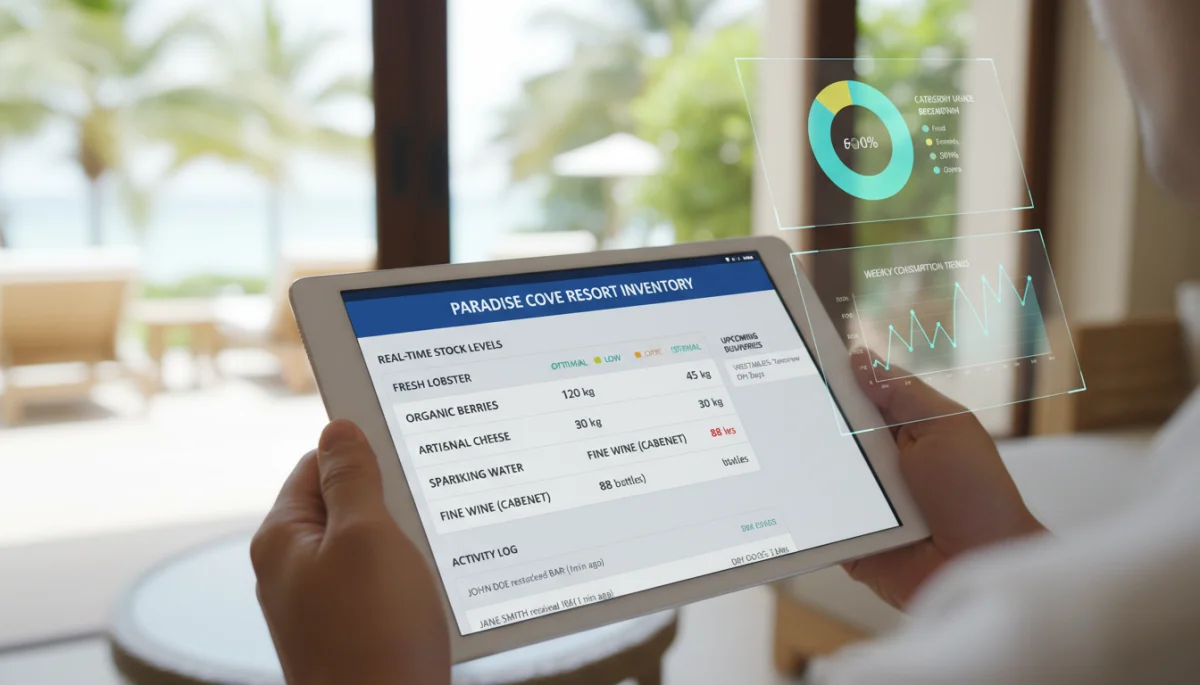
Modern inventory management systems offer real-time tracking, automated ordering, and robust reporting capabilities. These systems can significantly reduce manual errors, identify slow-moving items, and provide valuable data for purchasing decisions. The initial investment often pays for itself through reduced waste and improved efficiency.
- First-in, first-out (FIFO): Ensuring older stock is used before newer stock to prevent spoilage.
- Perpetual inventory: Continuously tracking inventory levels to maintain accurate records.
- Recipe costing: Precisely calculating the cost of each menu item to ensure profitable pricing.
- Waste tracking: Monitoring discarded items to identify patterns and implement corrective actions.
Regular inventory audits are essential to reconcile physical stock with system records, identifying discrepancies and preventing theft or unaccounted losses. By integrating inventory data with sales figures, resorts can fine-tune purchasing to match demand more accurately.
Waste reduction is not just about saving money; it also aligns with sustainability goals, which are increasingly important to today’s guests. Promoting a culture of resourcefulness and minimizing environmental impact can enhance a resort’s brand image.
Menu engineering for maximum profitability
Menu engineering is a strategic process that analyzes the profitability and popularity of menu items to guide pricing, placement, and promotion decisions. It’s a powerful tool for optimizing F&B costs by focusing on high-margin, high-demand dishes while identifying and addressing underperforming items. A well-engineered menu can significantly boost revenue and control ingredient costs.
This process involves a detailed analysis of food cost percentages, contribution margins, and sales volume for every item. By understanding which dishes are ‘stars,’ ‘plow horses,’ ‘puzzles,’ or ‘dogs,’ resort managers can make informed decisions about menu design, ingredient sourcing, and marketing efforts. The goal is to maximize the overall profitability of the F&B offerings.

Designing a profitable menu
When engineering a menu, consider the psychological aspects of guest choice. Strategic placement of profitable items, compelling descriptions, and suggestive selling techniques can all influence purchasing behavior. It’s also vital to balance guest preferences with cost-effectiveness, ensuring a diverse and appealing selection.
- Stars: High popularity, high profitability. Feature prominently on the menu.
- Plow horses: High popularity, low profitability. Consider increasing price or reducing ingredient cost.
- Puzzles: Low popularity, high profitability. Promote more aggressively or improve description.
- Dogs: Low popularity, low profitability. Consider removing from the menu.
Periodically refreshing the menu allows resorts to incorporate seasonal ingredients, respond to changing culinary trends, and continuously optimize for profitability. This dynamic approach keeps offerings fresh and exciting for guests while maintaining cost efficiency.
Analyzing competitor menus can also provide valuable insights into pricing strategies and popular dishes, helping a resort position its F&B offerings competitively while maintaining healthy profit margins.
Labor cost management and staff efficiency
Labor costs represent another significant portion of F&B expenses in U.S. resorts. Efficient labor management is crucial for cost optimization without compromising service quality. This involves strategic scheduling, effective training, and fostering a productive work environment. Overstaffing leads to unnecessary expenses, while understaffing can negatively impact guest experience.
Leveraging technology for scheduling and time tracking can significantly improve efficiency, reduce administrative burden, and ensure compliance with labor laws. Cross-training staff members can also provide greater flexibility, allowing managers to adapt to fluctuating demand more effectively.
Optimizing scheduling and training
Smart scheduling tools use historical data and forecasted demand to create optimal staffing levels, minimizing overtime and maximizing productivity. Investing in comprehensive training programs for F&B staff not only improves service quality but also enhances efficiency, reduces errors, and boosts employee morale.
- Forecasting demand: Using historical data and reservation forecasts to predict staffing needs accurately.
- Cross-training staff: Equipping employees with multiple skill sets to cover different roles as needed.
- Performance metrics: Tracking key performance indicators (KPIs) to identify areas for improvement in staff efficiency.
- Technology integration: Utilizing POS systems and labor management software to streamline operations.
Empowering staff with the right tools and training reduces waste, improves order accuracy, and enhances overall operational flow. When employees are well-trained and motivated, they contribute directly to cost savings and a superior guest experience.
Regular feedback and performance reviews help identify areas where additional training or process adjustments might be beneficial, ensuring continuous improvement in labor efficiency.
Leveraging technology for F&B cost control
In today’s competitive hospitality landscape, technology is an indispensable ally in optimizing F&B costs. From advanced POS systems to sophisticated inventory management software and data analytics platforms, technological solutions provide unparalleled insights and automation capabilities. These tools allow resort managers to make data-driven decisions that enhance efficiency and profitability.
Integrating various F&B systems creates a seamless flow of information, enabling real-time tracking of sales, inventory, and labor. This holistic view is essential for identifying trends, forecasting demand accurately, and proactively addressing potential cost overruns. The right technology can transform a resort’s F&B operations from reactive to proactive.
Integrating F&B technologies
A comprehensive F&B technology stack typically includes point-of-sale (POS) systems, inventory management software, recipe costing tools, and labor scheduling platforms. When these systems communicate effectively, they provide a powerful ecosystem for cost control and operational excellence.
- POS systems: Track sales data, identify popular items, and manage pricing.
- Inventory software: Automate ordering, monitor stock levels, and reduce waste.
- Recipe costing tools: Accurately calculate ingredient costs for each menu item.
- Labor management software: Optimize scheduling, track hours, and manage payroll efficiently.
Cloud-based solutions offer flexibility, scalability, and accessibility, allowing resort managers to monitor F&B operations remotely. The ability to access real-time data on the go empowers quicker decision-making and more responsive management.
Investing in the right technology is not merely an expense; it’s a strategic investment that yields significant returns through improved efficiency, reduced waste, and enhanced profitability across all F&B outlets within the resort.
Sustainable practices and long-term savings
Integrating sustainable practices into F&B operations is not only environmentally responsible but also a powerful driver of long-term cost savings. Resorts can achieve significant reductions in utility bills, waste disposal costs, and even attract environmentally conscious guests by adopting greener practices. This approach aligns with modern consumer values and enhances the resort’s brand image.
From sourcing local and seasonal ingredients to implementing energy-efficient kitchen equipment and robust recycling programs, sustainability offers multiple avenues for cost optimization. It encourages a mindful approach to resource consumption, which inherently leads to less waste and greater efficiency.
Eco-friendly initiatives for cost reduction
Embracing sustainability can lead to innovative solutions that reduce operational costs. For instance, composting food waste not only reduces landfill contributions but can also lower waste removal fees. Similarly, investing in energy-efficient appliances can significantly cut electricity consumption.
- Local sourcing: Reduces transportation costs and supports local economies.
- Energy-efficient equipment: Lowers utility bills and reduces carbon footprint.
- Waste composting and recycling: Decreases waste disposal costs and promotes environmental stewardship.
- Water conservation: Implements practices like low-flow fixtures in kitchens and guest areas.
Beyond direct cost savings, a commitment to sustainability can enhance a resort’s reputation, attracting guests who prioritize ethical and environmentally friendly businesses. This can translate into increased bookings and a stronger market position.
Regularly reviewing and updating sustainable practices ensures that the resort remains at the forefront of environmental responsibility while continuously seeking new opportunities for long-term cost savings and operational efficiency.
| Key Strategy | Brief Description |
|---|---|
| Strategic Procurement | Negotiating favorable vendor contracts and centralizing purchasing to reduce ingredient costs. |
| Advanced Inventory Control | Implementing systems like FIFO and perpetual inventory to minimize waste and spoilage. |
| Menu Engineering | Analyzing menu item profitability and popularity to optimize pricing and promotion for higher margins. |
| Technology Integration | Utilizing POS, inventory, and labor software for data-driven decisions and operational efficiency. |
Frequently asked questions about F&B cost optimization
The primary F&B cost categories typically include raw ingredient costs (food and beverage purchases), labor costs (wages, benefits), and operating expenses (utilities, supplies, maintenance). Waste and spoilage also represent a significant, often overlooked, cost component that requires diligent tracking and management.
Resorts can improve vendor negotiations by centralizing purchasing, leveraging volume discounts, seeking fixed-price agreements, and thoroughly reviewing payment terms. Building long-term relationships and conducting regular performance evaluations of suppliers also contribute to securing more favorable contracts and consistent quality.
Menu engineering strategically analyzes the profitability and popularity of each menu item. It helps resorts identify high-margin, high-demand dishes to promote, while also indicating items that may need price adjustments, ingredient cost reduction, or removal from the menu to maximize overall F&B profitability.
Technology, such as POS systems, inventory management software, and labor scheduling tools, provides real-time data and automation. This enables resorts to track sales, monitor stock levels, manage waste, and optimize staffing, leading to more accurate forecasting, reduced errors, and data-driven decisions for enhanced cost control.
Absolutely. Sustainable practices like local sourcing reduce transportation costs, energy-efficient equipment lowers utility bills, and waste composting decreases disposal fees. Beyond direct savings, embracing sustainability enhances brand reputation, potentially attracting more environmentally conscious guests and fostering long-term operational efficiency.
Conclusion
Optimizing food and beverage costs in U.S. resorts is a multifaceted endeavor that demands a strategic, data-driven approach. By focusing on smart procurement, rigorous inventory control, intelligent menu engineering, efficient labor management, and leveraging cutting-edge technology, resorts can significantly enhance their profitability without compromising guest experience. Embracing sustainable practices further reinforces these efforts, ensuring long-term financial health and a positive brand image in a competitive market.
