Optimizing Cash Flow for U.S. SMBs: Boost Liquidity

Optimizing cash flow is crucial for U.S. SMBs to ensure sustained liquidity and operational stability, requiring strategic management of receivables, payables, and financial planning.
For U.S. small and medium-sized businesses (SMBs), understanding and mastering optimizing cash flow is not merely a financial exercise; it is the lifeblood of sustained operations and growth. This article delves into a comprehensive plan designed to significantly improve liquidity, offering practical strategies and insights for navigating the complexities of financial management in today’s dynamic economic landscape. Are you ready to transform your business’s financial health?
Understanding the fundamentals of cash flow for SMBs
Cash flow represents the movement of money into and out of your business. Positive cash flow means more money is coming in than going out, indicating a healthy financial state, while negative cash flow suggests the opposite. For U.S. SMBs, a clear understanding of cash flow fundamentals is the bedrock upon which all other financial strategies are built. It’s not just about profit; it’s about having the liquid assets to cover immediate obligations and invest in future opportunities.
The difference between profit and cash flow
Many business owners mistakenly equate profit with cash flow. Profit is what remains after all expenses are subtracted from revenue, as shown on an income statement. Cash flow, however, tracks the actual movement of cash. A business can be profitable on paper but still experience cash flow problems if customers are slow to pay or inventory sits too long. Understanding this distinction is vital for accurate financial planning.
- Profit: A measure of financial performance over a period, indicating whether revenues exceed expenses.
- Cash Flow: The net amount of cash and cash equivalents moving into and out of a business.
- Working Capital: The difference between current assets and current liabilities, indicating short-term liquidity.
Without adequate cash flow, a profitable business can face insolvency. This is a common pitfall for growing SMBs that might invest heavily in expansion or inventory before receiving payment for their sales. Therefore, managing cash flow is paramount, allowing businesses to meet payroll, pay suppliers, and handle unexpected expenses.
Accurate cash flow forecasting involves projecting future cash inflows and outflows. This process helps SMBs anticipate potential shortages or surpluses, enabling proactive decision-making. By analyzing historical data and considering future business activities, owners can create realistic forecasts that guide their financial strategies. This foresight is critical for maintaining financial stability and making informed investment decisions. Understanding these fundamentals sets the stage for implementing effective cash flow optimization strategies.
Accelerating accounts receivable: getting paid faster
One of the most direct ways for U.S. SMBs to improve liquidity is by accelerating accounts receivable. This involves implementing strategies that encourage customers to pay their invoices promptly. Slow payments can severely cripple a business’s cash flow, even if sales are strong. Taking proactive steps in this area can significantly impact your financial health.
Implementing clear invoicing policies
Clarity in invoicing is non-negotiable. Ensure that all invoices are detailed, accurate, and easy to understand. Clearly state payment terms, due dates, and acceptable payment methods. Ambiguity can lead to delays and disputes. Consider offering multiple payment options, including online payments, to make the process as convenient as possible for your customers.
- Detailed Invoices: Include itemized services/products, quantities, unit prices, and total amounts.
- Clear Payment Terms: Specify net 30, net 15, or immediate payment terms.
- Multiple Payment Options: Offer credit cards, ACH transfers, and online payment portals.
Automating your invoicing process can also reduce errors and ensure invoices are sent out promptly. Accounting software can handle recurring invoices, send automated reminders, and track payment statuses, freeing up valuable time and reducing administrative burdens. This automation not only streamlines operations but also helps maintain a consistent billing cycle.
Early payment discounts can incentivize customers to pay before the due date. While this might slightly reduce the revenue per sale, the benefit of improved cash flow often outweighs the small discount. For example, offering a 2% discount for payment within 10 days (2/10 net 30) can be a powerful motivator. Conversely, implementing late payment penalties can deter overdue payments, though this should be communicated clearly and applied judiciously to maintain good customer relationships.


Regular follow-ups on outstanding invoices are crucial. This doesn’t mean being aggressive, but rather consistent and polite. Automated reminders can be very effective, escalating in tone as the payment becomes more overdue. For particularly large or persistent overdue accounts, a personal call might be necessary. Maintaining open communication with customers about their payment status can often resolve issues before they become major problems, ensuring a steady flow of incoming cash.
Strategic expense management and cost reduction
Effective cash flow optimization for U.S. SMBs extends beyond just increasing income; it also involves disciplined expense management and strategic cost reduction. Every dollar saved on expenses is a dollar that remains in the business, directly boosting liquidity. This requires a thorough review of all expenditures and a commitment to identifying areas for improvement without compromising quality or essential operations.
Analyzing and categorizing expenses
The first step in controlling expenses is to understand where your money is going. Categorize all expenses, both fixed and variable, to gain a clear picture of spending patterns. This analysis can reveal opportunities for negotiation with suppliers or areas where spending can be reduced. Tools like accounting software can automate this categorization, providing real-time insights into your financial outflows.
- Fixed Expenses: Rent, insurance, salaries (often consistent regardless of sales volume).
- Variable Expenses: Raw materials, shipping costs, sales commissions (fluctuate with business activity).
- Discretionary Expenses: Marketing campaigns, training programs (can be adjusted more easily).
Once expenses are categorized, look for patterns or anomalies. Are certain categories consistently higher than anticipated? Are there one-time expenses that can be avoided in the future? This detailed review allows for targeted cost-cutting measures rather than blanket reductions that might harm operations.
Negotiating with suppliers is a powerful way to reduce recurring costs. Don’t be afraid to ask for better terms, bulk discounts, or longer payment periods. Building strong relationships with suppliers can also lead to more favorable agreements over time. Similarly, regularly reviewing contracts for services like utilities, internet, and software subscriptions can uncover opportunities to switch providers or renegotiate terms for better rates. Even small savings across multiple areas can add up to significant cash flow improvements.
Embracing technology can also lead to substantial cost savings. Cloud-based solutions, for example, often reduce the need for expensive on-premise hardware and maintenance. Automating repetitive tasks can decrease labor costs and improve efficiency. Furthermore, optimizing inventory management to avoid overstocking can free up capital tied in unsold goods. Implementing lean operational processes helps eliminate waste and ensures resources are used effectively, contributing directly to a stronger cash position.
Optimizing inventory and supply chain management
For many U.S. SMBs, particularly those in retail or manufacturing, inventory represents a significant portion of their working capital. Inefficient inventory management can tie up cash, incur storage costs, and lead to obsolescence. Therefore, optimizing inventory and supply chain management is a critical component of any comprehensive plan for optimizing cash flow and improving liquidity.
Implementing just-in-time (JIT) inventory systems
Just-in-Time (JIT) inventory management aims to minimize inventory levels by receiving goods only as they are needed for production or sale. This reduces carrying costs, storage space requirements, and the risk of obsolescence. While effective, JIT requires precise forecasting and strong relationships with reliable suppliers to avoid stockouts. It’s about finding the sweet spot between having enough stock and not having too much.
- Reduced Carrying Costs: Less money spent on storage, insurance, and security.
- Lower Obsolescence Risk: Decreased likelihood of holding outdated or unsellable stock.
- Improved Cash Flow: Capital is not tied up in excess inventory, freeing it for other uses.
Accurate demand forecasting is paramount for successful inventory optimization. Utilizing sales data, market trends, and seasonal variations allows businesses to predict future demand more precisely. This helps in ordering appropriate quantities, preventing both overstocking and understocking. Investing in inventory management software can significantly enhance forecasting capabilities and automate reordering processes, making the entire system more efficient.
Strengthening supplier relationships is another vital aspect of supply chain optimization. Reliable suppliers who can deliver goods on time and offer favorable payment terms are invaluable. Negotiating bulk discounts, extended payment terms, or consignment agreements can further enhance cash flow. Regular communication and performance reviews with suppliers ensure that quality and delivery standards are consistently met, minimizing disruptions that could impact sales and liquidity.
Consider diversifying your supplier base to mitigate risks. Relying on a single supplier can leave your business vulnerable to disruptions. Exploring alternative suppliers, both domestically and internationally, can provide backup options and potentially lead to better pricing or terms. Additionally, optimizing logistics and distribution channels can reduce transportation costs and delivery times, further streamlining the supply chain and ensuring products reach customers efficiently, all contributing to better cash flow management.
Effective debt management and financing options
Debt can be a valuable tool for growth, but without effective management, it can quickly become a drain on cash flow for U.S. SMBs. A strategic approach to debt management, coupled with a clear understanding of available financing options, is essential for maintaining healthy liquidity. It’s about leveraging debt wisely and ensuring repayment terms align with your business’s cash generation capabilities.
Restructuring existing debt
If your business is struggling with high debt payments, consider restructuring existing debt. This might involve negotiating with lenders for longer repayment periods, lower interest rates, or consolidating multiple loans into a single, more manageable payment. A debt restructuring can significantly reduce your monthly outflows, freeing up cash for operations and investments. It requires a detailed financial review and a clear proposal to your creditors.
- Negotiate Terms: Seek lower interest rates or extended repayment schedules.
- Debt Consolidation: Combine multiple debts into one, potentially with better terms.
- Refinancing: Replace existing loans with new ones offering more favorable conditions.
Exploring various financing options is also crucial. Traditional bank loans are one option, but SMBs should also consider alternatives like lines of credit, which offer flexibility for short-term cash needs. Invoice factoring or financing allows businesses to get immediate cash for their outstanding invoices, albeit often at a discount. These options can provide quick access to liquidity, though it’s important to understand their costs and implications.
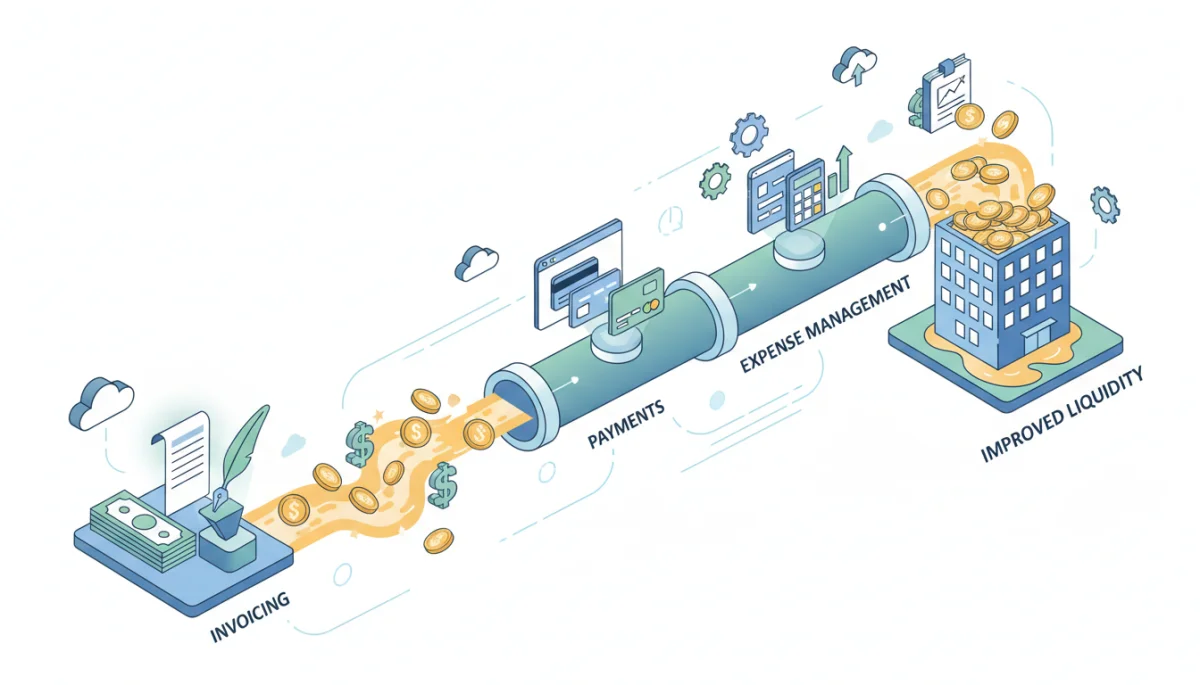

Microloans and grants are also available for eligible SMBs, particularly those in underserved communities or specific industries. These often come with more favorable terms than traditional loans. Additionally, venture capital or angel investor funding might be suitable for high-growth businesses, though this typically involves giving up equity. Carefully evaluating each option based on your business’s specific needs, repayment capacity, and growth objectives is paramount to making informed financing decisions.
Maintaining a strong credit score for your business is vital. A good credit history can open doors to better loan terms and lower interest rates in the future. Regularly review your business credit report for inaccuracies and take steps to improve your score, such as paying bills on time and keeping credit utilization low. Proactive debt management and a clear understanding of financing possibilities ensure your business has the financial flexibility to thrive.
Leveraging technology for cash flow visibility and management
In today’s digital age, technology offers powerful tools for U.S. SMBs to gain unprecedented visibility into their cash flow and streamline management processes. Moving beyond manual spreadsheets and outdated methods can transform how businesses track, analyze, and optimize their liquidity. Embracing digital solutions is no longer a luxury but a necessity for competitive advantage.
Implementing cloud-based accounting software
Cloud-based accounting software like QuickBooks Online, Xero, or FreshBooks provides real-time insights into your financial health. These platforms automate bookkeeping, track income and expenses, generate financial reports, and facilitate invoicing and payment processing. The ability to access financial data from anywhere, at any time, empowers business owners to make timely decisions and respond quickly to cash flow fluctuations.
- Real-time Data: Instant access to financial performance metrics and cash balances.
- Automation: Reduces manual data entry, minimizes errors, and saves time.
- Integration: Connects with banking, payment processors, and other business tools.
Beyond basic accounting, specialized cash flow management tools can offer more advanced forecasting and scenario planning capabilities. These tools can integrate with your existing accounting software to pull data, allowing you to model different financial scenarios, such as the impact of delayed payments or unexpected expenses. This foresight is invaluable for proactive cash flow management, helping businesses prepare for potential challenges before they arise.
Payment processing solutions are another critical technological advancement. Offering online payment gateways, mobile payment options, and recurring billing features can significantly accelerate receivables. These systems often integrate seamlessly with accounting software, automatically updating records and reducing manual reconciliation. By making it easier for customers to pay, businesses can reduce payment delays and improve their daily cash intake, directly impacting liquidity.
Data analytics and reporting features within these platforms provide deep insights into spending patterns, customer payment behaviors, and overall financial trends. Identifying bottlenecks in your cash conversion cycle or pinpointing slow-paying customers becomes much easier with robust reporting. Leveraging these insights allows SMBs to refine their strategies, from adjusting credit terms to optimizing inventory levels, ensuring a continuous focus on improving cash flow through data-driven decisions.
Building a robust cash flow forecasting model
For U.S. SMBs, anticipating future cash positions is as crucial as managing current flows. A robust cash flow forecasting model provides a roadmap for financial stability, enabling proactive decision-making and mitigating potential liquidity crises. This isn’t just about predicting the future; it’s about preparing for it with informed strategies.
Steps to create an accurate forecast
Creating an accurate cash flow forecast involves several key steps. Start by analyzing historical data to identify trends in income and expenses. Then, project future inflows based on anticipated sales, existing contracts, and expected collections. Similarly, forecast outflows by considering upcoming operational expenses, debt payments, and planned investments. The more detailed and realistic your inputs, the more reliable your forecast will be.
- Historical Data Analysis: Review past income and expense patterns.
- Inflow Projections: Estimate future sales, receivables, and other income sources.
- Outflow Projections: Anticipate operating costs, debt service, and capital expenditures.
It is important to regularly update your forecast. Cash flow is dynamic, and unexpected events can quickly alter projections. Reviewing and adjusting your forecast weekly or monthly ensures it remains relevant and accurate. This iterative process allows you to incorporate new information, such as changes in sales targets, unexpected expenses, or shifts in customer payment behavior, keeping your financial planning agile.
Scenario planning is an essential component of a robust cash flow model. This involves creating multiple forecasts based on different assumptions, such as best-case, worst-case, and most likely scenarios. For example, what if sales drop by 20%? What if a major client delays payment by 60 days? By understanding the potential impact of various events, your business can develop contingency plans and allocate resources more effectively, ensuring resilience against financial shocks.
Utilizing specialized software or advanced spreadsheet models can significantly enhance the accuracy and efficiency of cash flow forecasting. These tools can automate calculations, integrate with accounting systems, and provide visual dashboards that make complex data easy to understand. Investing in such solutions empowers SMBs to move beyond reactive financial management towards a proactive, strategic approach, ensuring sustainable liquidity and informed growth decisions.
| Key Strategy | Brief Description |
|---|---|
| Accelerate Receivables | Implement clear invoicing, offer early payment discounts, and consistent follow-ups to get paid faster. |
| Manage Expenses | Analyze spending, negotiate with suppliers, and utilize technology to reduce operational costs. |
| Optimize Inventory | Adopt JIT systems and improve demand forecasting to minimize capital tied up in stock. |
| Forecast Cash Flow | Build accurate models with historical data and scenario planning for future financial stability. |
Frequently asked questions about cash flow optimization
Profit indicates whether your revenues exceed expenses over a period, as seen on an income statement. Cash flow, conversely, tracks the actual money moving in and out of your business. An SMB can be profitable on paper but still experience negative cash flow if payments are delayed or significant investments are made.
To accelerate accounts receivable, SMBs should implement clear invoicing policies, offer early payment discounts, and use automated reminders for overdue invoices. Providing multiple convenient payment options, such as online portals, also encourages faster payments from customers, directly boosting liquidity.
Technology, especially cloud-based accounting software, provides real-time cash flow visibility, automates bookkeeping, and streamlines invoicing. These tools help SMBs track income and expenses, generate accurate reports, and facilitate faster payment processing, leading to more informed and proactive financial management decisions.
Cash flow forecasting is crucial because it allows SMBs to anticipate future cash shortages or surpluses. By projecting inflows and outflows, businesses can proactively plan for expenses, identify potential liquidity gaps, and make strategic decisions to maintain financial stability and capitalize on growth opportunities.
Effective expense management involves analyzing and categorizing all expenditures to identify areas for reduction. Strategies include negotiating better terms with suppliers, reviewing and optimizing recurring contracts, and leveraging technology to reduce operational costs. Prioritizing essential spending while cutting unnecessary expenses directly improves cash flow.
Conclusion
Optimizing cash flow is not a one-time task but an ongoing commitment for U.S. SMBs. By strategically managing accounts receivable, diligently controlling expenses, smartly optimizing inventory, leveraging technology, and building robust forecasting models, businesses can significantly improve their liquidity and financial resilience. These integrated strategies are vital for navigating economic uncertainties, seizing growth opportunities, and ensuring long-term success in a competitive market.
