Plumbing Innovations: Adopting Smart Water Systems for Efficiency

Plumbing Innovations: Adopting Smart Water Systems involves integrating advanced digital technologies and automation into traditional plumbing infrastructure to enhance efficiency, conserve resources, and provide real-time monitoring and control over water usage.
Have you ever considered how technology is reshaping even the most fundamental aspects of our homes and businesses? The world of plumbing, often seen as a traditional trade, is undergoing a remarkable transformation. Plumbing Innovations: Adopting Smart Water Systems is not just a trend; it’s a paradigm shift towards more efficient, sustainable, and responsive water management. This evolution promises to redefine how we interact with our water supply, offering unprecedented control and peace of mind. Join us as we dive into the fascinating advancements that are making our water systems smarter than ever.
The rise of smart water technology in residential plumbing
The integration of smart technology into residential plumbing systems marks a significant leap forward, moving beyond basic functionality to offer advanced control, monitoring, and efficiency. Homeowners are increasingly seeking solutions that not only address immediate plumbing needs but also contribute to long-term savings and environmental responsibility. This shift is driven by a desire for greater convenience, enhanced protection against water damage, and a more sustainable lifestyle.
Smart water systems leverage sensors, automation, and connectivity to create a responsive and intelligent water network within the home. These systems can detect anomalies, automate responses, and provide valuable insights into water consumption patterns. The benefits extend from preventing catastrophic leaks to optimizing daily water usage, fundamentally changing the homeowner’s relationship with their plumbing infrastructure.
Automated leak detection and shut-off
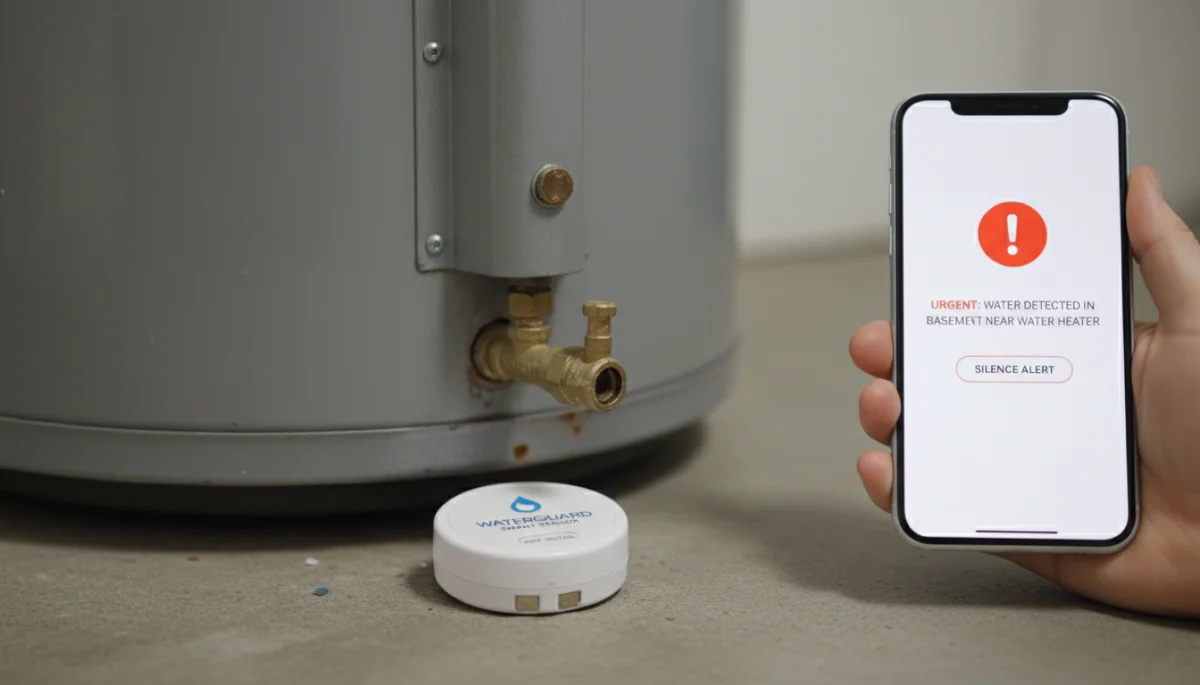
One of the most compelling features of smart residential plumbing is the ability to detect leaks proactively and mitigate damage instantly. Traditional leak detection often relies on visual inspection or the sudden appearance of water damage, which can be too late.
- Early Warning: Sensors strategically placed throughout the home can detect even minute changes in water flow or the presence of moisture.
- Instant Response: Upon detecting a leak, the system can automatically shut off the main water supply, preventing extensive damage.
- Remote Monitoring: Homeowners receive immediate alerts via smartphone, allowing them to take action even when away from home.
This proactive approach can save thousands of dollars in repairs and reduce the stress associated with plumbing emergencies. The peace of mind offered by such systems is invaluable, especially for busy individuals or those who travel frequently.
Smart water meters and usage analytics
Understanding water consumption is the first step towards managing it more effectively. Smart water meters go beyond simple billing, providing detailed data that empowers homeowners to make informed decisions about their water use.
These devices track water flow in real-time, offering granular insights into how much water is being used by different appliances or activities. This data is often accessible through a user-friendly app, presenting consumption patterns in easy-to-understand graphs and reports. By identifying areas of high usage, homeowners can pinpoint inefficiencies and adjust their habits accordingly. This not only leads to lower water bills but also fosters a greater sense of environmental stewardship.
In conclusion, the rise of smart water technology in residential plumbing is transforming homes into more efficient, safer, and environmentally conscious spaces. From automated leak prevention to detailed usage analytics, these innovations provide homeowners with unprecedented control and insight, making daily life easier and more sustainable.
Commercial applications: enhancing efficiency and sustainability
Beyond the home, smart water systems are making significant inroads into commercial and industrial sectors, offering solutions to complex water management challenges. Businesses, much like homeowners, are under increasing pressure to optimize resource use, reduce operational costs, and meet sustainability targets. Smart plumbing technology provides the tools necessary to achieve these goals, transforming how commercial entities manage their water infrastructure.
The scale of water usage in commercial settings often amplifies the potential impact of inefficiencies. A small leak in a large building can result in substantial waste and damage, while inefficient irrigation or HVAC systems can lead to exorbitant utility bills. Smart water management offers a comprehensive approach to addressing these issues, driving both economic and environmental benefits.
Optimizing facility water management
For facility managers, smart water systems provide a level of oversight and control that was previously unattainable. These systems can monitor water flow across an entire building or campus, identifying areas of high consumption or potential waste.
- Centralized Control: Manage water usage for multiple zones or buildings from a single interface.
- Preventative Maintenance: Receive alerts for unusual flow patterns that could indicate a developing issue, allowing for proactive repairs.
- Compliance Reporting: Generate detailed reports on water consumption for environmental compliance and internal audits.
This level of detailed data and control enables businesses to fine-tune their water use, ensuring that resources are allocated efficiently and waste is minimized. The ability to monitor systems remotely also reduces the need for constant physical inspections, saving time and labor costs.
Smart irrigation and landscaping solutions
Water-intensive landscaping is a common feature of many commercial properties, and traditional irrigation systems can be notoriously inefficient. Smart irrigation technologies leverage data to ensure that plants receive precisely the right amount of water, reducing waste significantly.
These systems integrate with local weather forecasts, soil moisture sensors, and plant-specific needs to create dynamic watering schedules. Instead of operating on a fixed timer, smart irrigation adjusts based on real-time conditions, preventing overwatering or underweighting. This not only conserves water but also promotes healthier landscapes, enhancing the aesthetic appeal of commercial properties while simultaneously reducing operational expenses.
In conclusion, commercial applications of smart water systems are proving to be transformative, offering businesses powerful tools to enhance efficiency, reduce costs, and bolster their sustainability credentials. From comprehensive facility management to intelligent landscaping, these innovations are driving a new era of responsible water stewardship.
Key components of advanced smart water systems
Understanding the fundamental components that constitute advanced smart water systems is crucial to appreciating their capabilities and potential. These systems are not monolithic; rather, they are intricate networks of interconnected devices, each playing a vital role in monitoring, controlling, and optimizing water usage. The synergy between these components is what gives smart water systems their intelligence and effectiveness, allowing for a holistic approach to water management.
From the sensors that detect the slightest anomaly to the central hubs that process vast amounts of data, each element is designed to contribute to a more responsive and efficient plumbing infrastructure. The continuous evolution of these components is leading to ever more sophisticated and user-friendly solutions, making smart water technology accessible to a broader audience.
Sensors and monitoring devices
The foundation of any smart water system lies in its ability to gather accurate and timely data. This is primarily achieved through a variety of sensors and monitoring devices.
- Flow Sensors: Measure the rate and volume of water moving through pipes, identifying unusual patterns that might indicate a leak.
- Leak Detectors: Placed in vulnerable areas, these sensors detect the presence of moisture and can trigger alerts or automated shut-offs.
- Temperature Sensors: Monitor water temperature, important for preventing freezing pipes or optimizing hot water usage.
- Pressure Sensors: Track water pressure to identify potential issues like pipe bursts or blockages.
These sensors act as the eyes and ears of the system, constantly feeding information back to a central processor. Their precision and reliability are paramount for the overall effectiveness of the smart water infrastructure.
Smart valves and automated shut-off mechanisms
While detection is critical, the ability to act swiftly and decisively is what truly sets smart water systems apart. This is where smart valves and automated shut-off mechanisms come into play.
These devices are designed to respond to data from sensors, often without human intervention. For example, if a leak detector signals a significant water breach, a smart valve can automatically close the main water supply, preventing further damage. This immediate response capability is a game-changer, dramatically reducing the potential for costly repairs and property loss. Furthermore, these valves can often be controlled remotely via a smartphone app, providing homeowners and facility managers with ultimate control over their water supply, even when off-site.
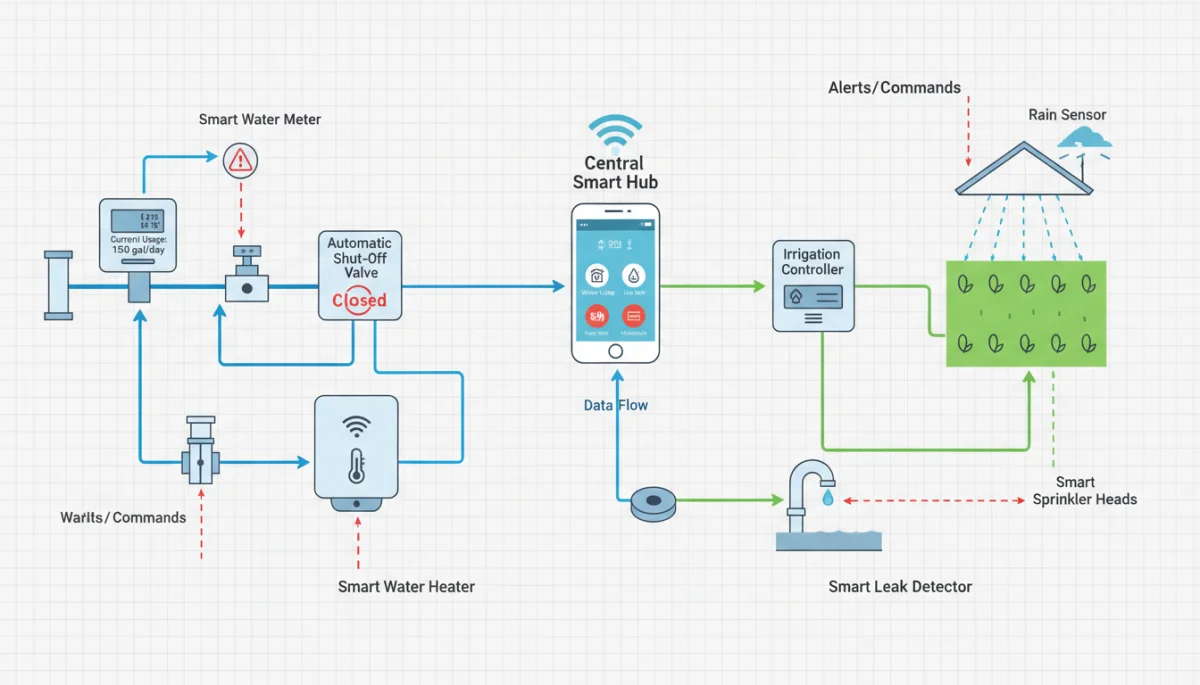
In essence, the effectiveness of advanced smart water systems stems from the seamless integration of these key components. From precise data collection to rapid, automated responses, each element works in concert to create a robust and intelligent water management solution.
Installation and integration: a job for skilled trades
While the allure of smart water systems is undeniable, their successful implementation hinges on professional installation and seamless integration. This is where the expertise of skilled trades, particularly plumbers and electricians, becomes indispensable. The complexity of these systems, involving both physical plumbing infrastructure and sophisticated electronic components, necessitates a specialized skill set that goes beyond traditional plumbing knowledge.
The do-it-yourself approach, while tempting for some, often leads to suboptimal performance, compatibility issues, or even system failures. Ensuring that these advanced technologies function as intended requires a thorough understanding of both water dynamics and digital connectivity, making professional installation a critical factor for long-term reliability and efficiency.
The role of plumbers in smart system setup
Plumbers are at the forefront of installing smart water systems, bringing their foundational knowledge of water lines, pressure, and flow to the table. Their role extends beyond merely connecting pipes.
- System Sizing and Placement: Determining the optimal locations for sensors, shut-off valves, and smart meters to ensure comprehensive coverage and accurate data collection.
- Hardware Installation: Physically installing and securing all plumbing-related smart devices, ensuring leak-free connections and proper functionality.
- Pressure and Flow Optimization: Adjusting water pressure and flow rates to ensure the smart system operates efficiently and doesn’t stress existing plumbing.
A skilled plumber ensures that the physical aspects of the smart system are robustly installed, forming the backbone for the digital intelligence to operate effectively. Their expertise in diagnosing and resolving plumbing issues is also crucial for troubleshooting any hardware-related problems that may arise.
Electrical and network integration challenges
Beyond the pipes, smart water systems rely heavily on electrical power and network connectivity. This introduces a new layer of complexity, often requiring collaboration with electricians and IT professionals.
Smart devices need a stable power source, and many require a reliable Wi-Fi connection to communicate with central hubs and mobile applications. Integrating these components seamlessly into a home or building’s existing electrical and network infrastructure requires specialized knowledge. Challenges can include ensuring adequate Wi-Fi signal strength in all sensor locations, securely connecting devices to the local network, and configuring software for remote access and alerts. This interdisciplinary approach highlights the evolving nature of skilled trades, where a blend of traditional craftsmanship and technological acumen is increasingly vital.
In summary, the successful adoption of smart water systems is a testament to the evolving skills of tradespeople. Their expertise in both plumbing and technological integration is essential for ensuring that these innovative solutions are installed correctly, function reliably, and deliver their promised benefits.
Environmental impact and water conservation benefits
The environmental imperative to conserve water is more pressing than ever, with many regions facing increasing scarcity and drought conditions. Smart water systems offer a powerful tool in this global effort, providing unprecedented opportunities for significant water conservation. By minimizing waste, optimizing usage, and detecting inefficiencies, these technologies contribute directly to a more sustainable future. This focus on responsible resource management is not just an added benefit; it’s a core design principle of smart plumbing innovations.
Beyond the immediate financial savings for users, the broader environmental impact of widespread smart water system adoption is substantial. Reducing overall water consumption lessens the strain on natural water sources, decreases energy consumption associated with water treatment and distribution, and lowers the volume of wastewater requiring processing. It’s a cascading benefit that touches multiple facets of environmental protection.
Reducing water waste through precision management
One of the most direct ways smart water systems contribute to conservation is by enabling precision water management. Traditional plumbing often involves a degree of guesswork, leading to inefficiencies.
- Leak Elimination: Prompt detection and automatic shut-off of leaks prevent thousands of gallons of water from being wasted annually.
- Optimized Irrigation: Smart irrigation systems prevent overwatering by adjusting to weather conditions and soil moisture, saving significant amounts of water in landscaping.
- Behavioral Changes: Real-time usage data encourages users to become more conscious of their water habits, leading to voluntary reductions.
By providing granular control and immediate feedback, these systems transform water usage from an abstract concept into a measurable and manageable resource. This precision ensures that water is used only when and where it is truly needed, eliminating unnecessary waste.
Contribution to sustainable living and green building initiatives
Smart water systems align perfectly with the growing movement towards sustainable living and green building practices. They are integral to creating homes and commercial properties that are not only energy-efficient but also water-efficient.
For green building certifications, the inclusion of smart water management technologies can contribute valuable points, demonstrating a commitment to environmental responsibility. Furthermore, by reducing the overall ecological footprint of a building, these systems enhance its long-term sustainability and market value. Homeowners and businesses adopting smart water solutions are actively participating in the broader effort to protect our planet’s most vital resource, setting a precedent for future development and encouraging widespread adoption of eco-friendly technologies.
In conclusion, the environmental impact of smart water systems is profoundly positive. Through precision management and their role in sustainable initiatives, these innovations are critical tools in the ongoing effort to conserve water and build a more environmentally responsible world.
The future of plumbing: AI, IoT, and predictive maintenance
The trajectory of plumbing innovations points towards an even more interconnected and intelligent future, driven by advancements in Artificial Intelligence (AI) and the Internet of Things (IoT). These technologies are poised to elevate smart water systems from reactive tools to proactive, predictive platforms. The future of plumbing will not merely be about detecting problems; it will be about anticipating them, preventing them, and optimizing entire water networks with unprecedented levels of efficiency and insight. This evolution promises to revolutionize maintenance practices, resource allocation, and overall system reliability.
The integration of AI and IoT means plumbing systems will learn, adapt, and self-diagnose, reducing the need for human intervention and minimizing downtime. This shift towards predictive maintenance and intelligent automation represents the next frontier in water management, offering significant benefits for both individual users and large-scale infrastructure.
AI-powered anomaly detection and predictive analytics
AI is set to transform how smart water systems identify and respond to anomalies. Current systems primarily react to detected issues, but AI can analyze vast datasets to predict potential problems before they manifest.
- Pattern Recognition: AI algorithms can learn normal water usage patterns and quickly identify deviations that indicate a potential leak, burst pipe, or other malfunction.
- Predictive Maintenance: By analyzing historical data and sensor readings, AI can predict when components might fail, allowing for proactive maintenance and replacement.
- Optimized Performance: AI can continuously adjust system parameters to ensure optimal performance, balancing water conservation with user needs.
This predictive capability will dramatically reduce emergency repairs, extend the lifespan of plumbing infrastructure, and ensure continuous, efficient operation. The system won’t just tell you there’s a problem; it will tell you when a problem is likely to occur and why.
Integration with broader smart home and city infrastructure
The true power of IoT lies in its ability to connect disparate systems, and smart water systems are no exception. Future plumbing innovations will see deeper integration with other smart home technologies and even broader smart city initiatives.
Imagine a smart water system that communicates with your home energy management system to optimize water heating based on occupancy patterns, or an outdoor irrigation system that coordinates with municipal weather data to prevent overwatering. On a larger scale, smart water networks in cities could share data with waste management, public safety, and energy grids to create a truly integrated urban environment. This level of interconnectedness will enable holistic resource management, making cities more resilient, efficient, and sustainable for all residents. The potential for synergy between these systems is immense, promising a future where infrastructure works together seamlessly.
In conclusion, the future of plumbing, powered by AI and IoT, is one of unparalleled intelligence and efficiency. From predictive maintenance to seamless integration with broader smart infrastructure, these advancements promise to make our water systems more resilient, sustainable, and responsive than ever before.
Challenges and considerations for widespread adoption
Despite the compelling benefits of Plumbing Innovations: Adopting Smart Water Systems, their widespread adoption faces several challenges and considerations. These hurdles range from initial cost and compatibility issues to concerns about data privacy and the need for a skilled workforce. Addressing these factors is crucial for accelerating the transition to smarter water management, ensuring that the technology is accessible, reliable, and trustworthy for all potential users.
Overcoming these challenges requires a concerted effort from manufacturers, installers, policymakers, and consumers. It involves not only technological advancements but also educational initiatives, regulatory frameworks, and economic incentives to facilitate a smoother and more equitable adoption process across residential and commercial sectors.
Initial investment and cost-effectiveness
One of the primary barriers to adoption is the initial investment required for smart water systems. While the long-term savings in water bills and damage prevention are substantial, the upfront cost can be a deterrent for some homeowners and businesses.
- Hardware Costs: Smart sensors, valves, and central hubs can be more expensive than traditional plumbing components.
- Installation Fees: Professional installation, while necessary, adds to the initial outlay.
- Return on Investment (ROI): While ROI is often positive over time, communicating this effectively to potential adopters is key.
Manufacturers are working to reduce costs through mass production and technological advancements, and various incentives, such as rebates or tax credits for water-efficient technologies, could further encourage adoption. Highlighting the long-term value proposition is essential for overcoming this initial cost hurdle.
Data security and privacy concerns
As smart water systems collect and transmit data about water usage, concerns around data security and privacy naturally arise. Users want assurance that their personal consumption patterns are protected from unauthorized access or misuse.
Ensuring robust encryption, secure data storage, and transparent privacy policies are paramount for building user trust. Manufacturers must implement industry-leading cybersecurity measures to protect against breaches, and users need to be educated on how their data is collected, used, and protected. Addressing these concerns proactively is vital for widespread acceptance, as trust in the technology’s security is as important as its functionality. As with any connected technology, a strong focus on privacy by design will be critical for fostering confidence among consumers.
In conclusion, while smart water systems offer immense potential, their widespread adoption is contingent on effectively addressing challenges related to cost, data security, and the availability of skilled professionals. By tackling these considerations head-on, we can pave the way for a future where intelligent water management is the norm.
| Key Aspect | Brief Description |
|---|---|
| Leak Detection | Sensors and automated shut-off prevent water damage and waste. |
| Water Efficiency | Smart meters and irrigation optimize usage, reducing consumption. |
| Skilled Installation | Requires professional plumbers and electricians for proper setup. |
| Future Trends | AI and IoT promise predictive maintenance and broader integration. |
Frequently asked questions about smart water systems
Smart water systems are advanced plumbing infrastructures that integrate sensors, automation, and connectivity to monitor, control, and optimize water usage. They provide real-time data, detect leaks, and can automatically shut off water, enhancing efficiency and preventing damage in homes and commercial buildings.
These systems use strategically placed sensors to detect unusual water flow patterns or the presence of moisture. Upon detection, they can send immediate alerts to users’ smartphones and, in many cases, automatically activate a shut-off valve to stop the water supply, mitigating potential damage.
Yes, they significantly contribute to water conservation by minimizing waste through precise management and leak prevention. By optimizing water usage in irrigation and daily activities, they reduce overall consumption, leading to lower energy use for water treatment and distribution, thus supporting sustainable living.
While some basic components might be DIY-friendly, professional installation by skilled plumbers and electricians is highly recommended. This ensures proper placement, secure connections, and seamless integration with existing plumbing, electrical, and network infrastructures for optimal performance and reliability.
The future involves deeper integration of AI and IoT for predictive maintenance, where systems anticipate issues before they occur. There will also be enhanced connectivity with broader smart home and city infrastructures, leading to more holistic and efficient resource management across various sectors.
Conclusion
Plumbing Innovations: Adopting Smart Water Systems represents a pivotal moment in how we manage and interact with our most vital resource. These technologies offer a compelling blend of efficiency, security, and sustainability, transforming traditional plumbing into an intelligent, responsive network. From preventing costly leaks in residential settings to optimizing vast commercial water usage, the benefits are clear and far-reaching. While challenges such as initial investment and data privacy require careful consideration, the ongoing evolution of AI and IoT promises an even smarter, more integrated future. Embracing these innovations is not just about upgrading infrastructure; it’s about investing in a more sustainable, secure, and resource-conscious tomorrow for everyone.
