Renewable Energy Trades: Solar and Wind Installation Jobs
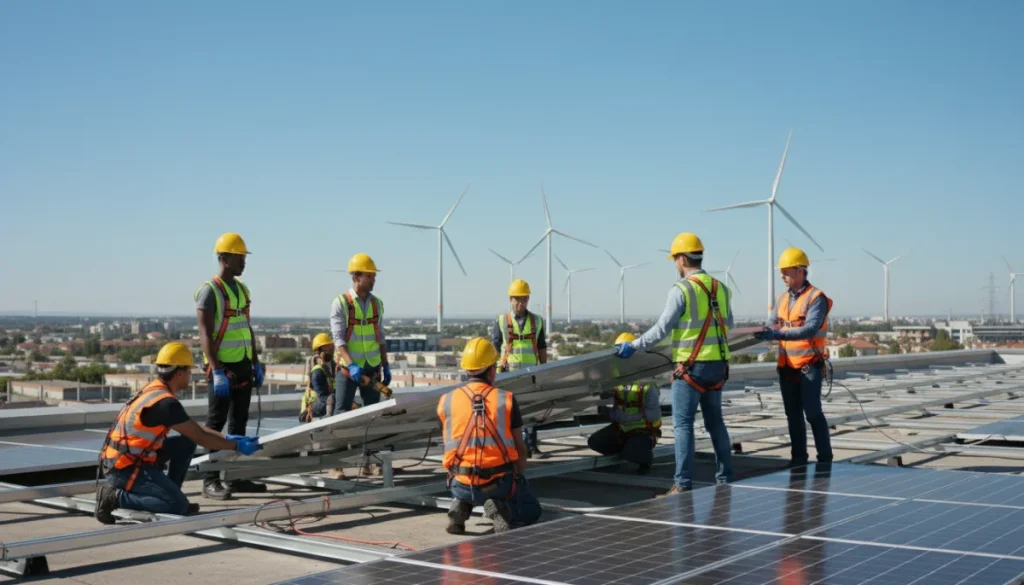
The renewable energy sector in the United States is experiencing unprecedented growth, creating a robust demand for skilled professionals in solar and wind installation jobs, offering stable and impactful career opportunities.
The landscape of employment is rapidly evolving, with a profound shift towards sustainable industries. Among these, the realm of Renewable Energy Trades: Solar and Wind Installation Jobs stands out as a beacon of opportunity. Are you considering a career path that not only offers stability but also contributes positively to the planet? Then delve into the burgeoning world of green jobs, where your skills can power the future.
The Rise of Renewable Energy in the United States
The United States has witnessed an extraordinary surge in renewable energy adoption over the past decade. This shift is driven by a combination of environmental concerns, technological advancements, and economic incentives. As conventional energy sources face increasing scrutiny and depletion, solar and wind power have emerged as viable, sustainable alternatives, transforming the nation’s energy infrastructure.
This expansion isn’t just about megawatts; it’s about jobs. The growth in renewable energy directly translates into a significant demand for a skilled workforce. From the initial planning stages to the final installation and ongoing maintenance, every step of a renewable energy project requires dedicated professionals. This sector is not merely creating jobs; it is forging entirely new career pathways, offering a dynamic environment for those seeking meaningful work.
Policy and Investment Driving Growth
Government policies and private sector investments have played a pivotal role in accelerating the growth of solar and wind energy. Incentives such as tax credits, grants, and regulatory frameworks have made renewable energy projects more financially attractive, leading to a boom in development across various states. This sustained investment ensures a robust and expanding job market for years to come.
- Investment in renewable energy infrastructure continues to rise.
- Federal and state policies support green job creation.
- Technological innovations are making renewable energy more efficient.
The continued commitment from both public and private entities underscores the long-term viability and projected expansion of the renewable energy sector. This stability is a key factor for individuals considering a career in these trades, offering a sense of security that is often elusive in other industries. The confluence of policy, investment, and innovation creates a fertile ground for career growth and professional development.
In conclusion, the rise of renewable energy in the United States is a multifaceted phenomenon, propelled by environmental necessity, economic advantages, and strategic policy support. This growth has created an undeniable need for skilled labor, positioning solar and wind installation jobs at the forefront of the nation’s employment landscape. Understanding this foundational shift is crucial for anyone looking to enter or advance within the green economy.
Exploring Solar Installation Careers
Solar energy, particularly photovoltaic (PV) systems, has become a cornerstone of the renewable energy revolution. Jobs in solar installation are diverse, ranging from residential rooftop projects to large-scale solar farms. These roles require a blend of technical expertise, physical dexterity, and a strong commitment to safety. The demand for solar installers continues to climb, making it an attractive field for those looking for hands-on work with a clear impact.
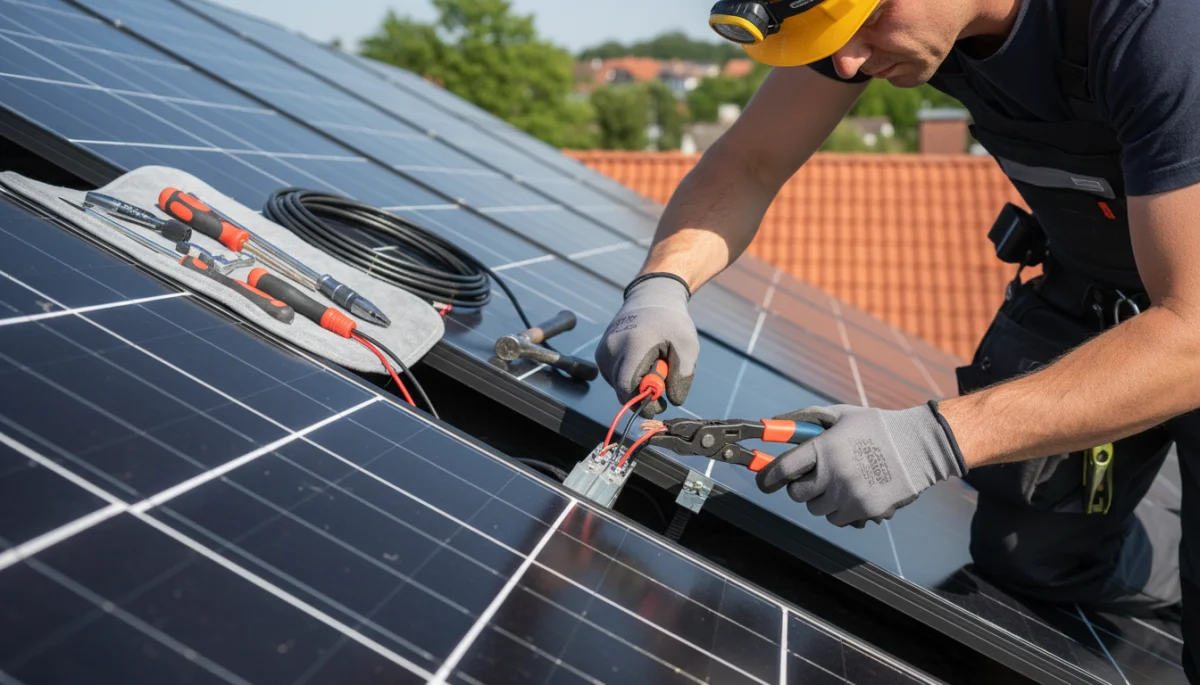
A typical solar installation project involves several stages, each requiring specialized skills. Installers are responsible for preparing sites, mounting panels, wiring electrical components, and ensuring systems are fully operational and compliant with safety standards. The work often involves working at heights and in various weather conditions, demanding a certain level of physical fitness and adaptability.
Key Roles and Responsibilities
Within solar installation, several distinct roles contribute to a successful project:
- Solar PV Installer: Installs and maintains solar panels on rooftops or other structures.
- Electrician (Solar Specialist): Connects solar panels to the electrical grid, ensuring safety and compliance.
- Solar Project Manager: Oversees the planning, execution, and completion of solar projects.
These roles often require specific certifications or licenses, particularly for electrical work. Continuous learning is also vital, as solar technology is constantly evolving, with new panel types, inverter technologies, and energy storage solutions emerging regularly. Staying updated ensures professionals remain competitive and highly valuable in the market.
The entry points into solar installation careers are varied. Many start with vocational training programs or apprenticeships, gaining practical experience on the job. Others may leverage existing electrical or construction skills, transitioning into the solar sector with additional specialized training. Regardless of the entry path, a commitment to safety and quality workmanship is paramount in this field.
In summary, solar installation careers offer a robust and growing segment within the Renewable Energy Trades. These roles demand technical skill, physical capability, and a dedication to safety, with diverse opportunities for growth and specialization. For those passionate about sustainable technology and hands-on work, solar installation presents a compelling career choice.
Navigating Wind Turbine Technician Roles
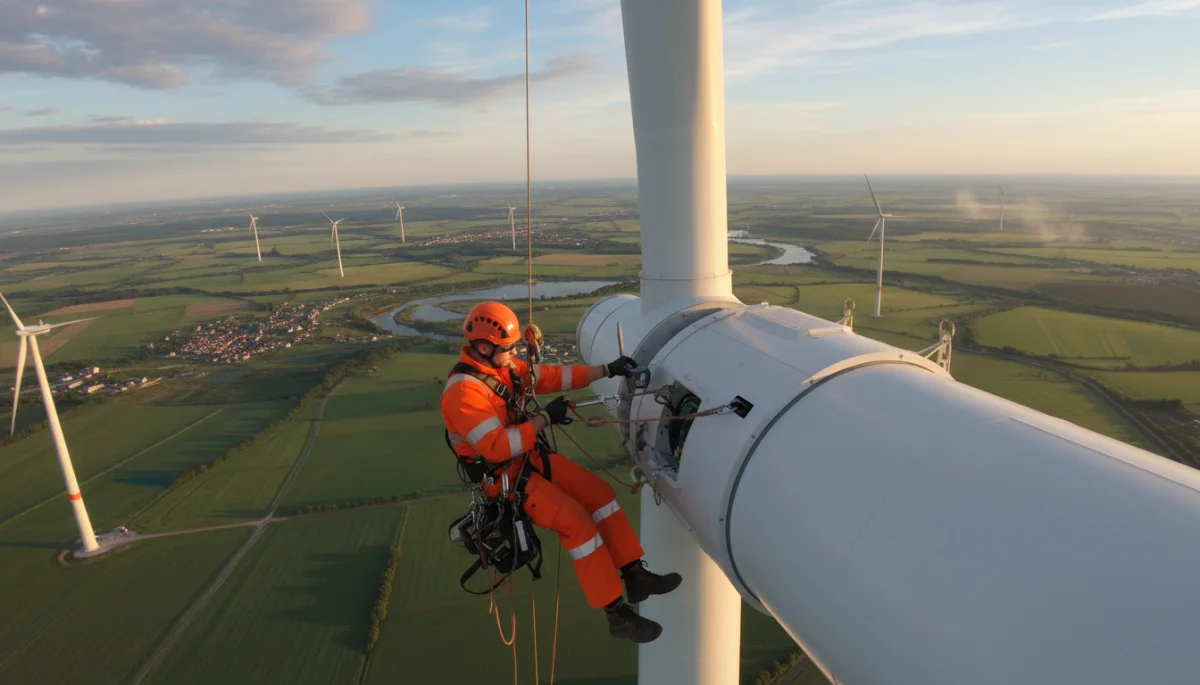
Wind energy is another powerful force in the renewable energy sector, with towering turbines dotting landscapes across the United States. Wind turbine technicians are the backbone of this industry, responsible for the installation, maintenance, and repair of these complex machines. This career path is characterized by its technical demands, requiring a strong understanding of mechanical, electrical, and hydraulic systems, often performed at significant heights.
The work of a wind turbine technician is critical to ensuring the efficient operation of wind farms. Their duties typically include inspecting turbines for faults, performing routine maintenance, troubleshooting mechanical or electrical issues, and replacing worn or damaged components. Given the scale and complexity of wind turbines, this role demands rigorous training and an unwavering commitment to safety protocols.
Essential Skills and Training
Becoming a successful wind turbine technician requires a specific skill set and often formal education:
- Mechanical Aptitude: Understanding gears, bearings, and structural components.
- Electrical Knowledge: Proficiency with wiring, circuits, and control systems.
- Hydraulic Systems: Familiarity with hydraulic brakes and pitch control systems.
- Safety Training: Extensive training in fall protection, confined space entry, and electrical safety.
Many technicians complete associate’s degrees in wind energy technology or related fields, which provide a comprehensive foundation in the required technical areas. Apprenticeships and on-the-job training are also crucial, allowing new technicians to gain practical experience under the guidance of seasoned professionals. The job outlook for wind turbine technicians is exceptionally strong, with projections indicating significant growth in the coming years.
The physical demands of the job are considerable, involving climbing ladders, lifting heavy equipment, and working in sometimes challenging environmental conditions. However, for those who enjoy problem-solving and working outdoors, the rewards of contributing to clean energy production can be immensely satisfying. The continuous innovation in wind turbine technology also ensures that the learning never stops, providing ample opportunities for professional development.
In conclusion, wind turbine technician roles represent a vital and rapidly expanding component of the Renewable Energy Trades. These positions demand a high level of technical skill, a strong safety consciousness, and a willingness to work in challenging environments. For individuals seeking a career that combines technical expertise with a significant environmental impact, becoming a wind turbine technician offers a compelling and future-proof option.
Training and Certification for Green Jobs
Entering the renewable energy trades, whether in solar or wind, requires specialized training and often specific certifications. These credentials not only demonstrate proficiency but also ensure that workers can perform their duties safely and effectively. The availability of diverse training programs across the United States reflects the growing importance of these skilled positions and the industry’s commitment to a highly qualified workforce.
Vocational schools, community colleges, and dedicated training centers offer programs tailored to the needs of the renewable energy sector. These programs typically cover theoretical knowledge, practical skills, and crucial safety protocols. Choosing the right training path depends on individual career goals and previous experience.
Pathways to Professionalism
Several avenues exist for aspiring renewable energy professionals:
- Associate’s Degrees: Programs in Renewable Energy Technology or Wind Turbine Technology.
- Vocational Training: Shorter, intensive courses focusing on specific installation or maintenance skills.
- Apprenticeships: Combining on-the-job training with classroom instruction, often leading to certification.
Certifications from recognized bodies, such as the North American Board of Certified Energy Practitioners (NABCEP) for solar professionals, are highly valued. These certifications validate an individual’s expertise and commitment to industry standards, often being a prerequisite for employment with reputable companies. For wind turbine technicians, specific safety certifications, like those related to working at heights or confined spaces, are indispensable.
Continuous education is also a hallmark of these trades. As technology advances, professionals must update their skills and knowledge to remain competitive. Many employers offer or sponsor ongoing training to ensure their teams are equipped with the latest techniques and safety practices. This commitment to lifelong learning ensures that the workforce remains agile and responsive to industry changes.
In essence, obtaining the appropriate training and certifications is a critical step for anyone pursuing a career in Renewable Energy Trades. These educational pathways not only equip individuals with the necessary skills but also open doors to rewarding and impactful careers in a rapidly expanding industry. Investing in education now is investing in a secure and prosperous future.
Job Market Outlook and Growth Projections
The job market for solar and wind installation jobs is not just growing; it’s booming. Projections from the U.S. Bureau of Labor Statistics (BLS) consistently rank these occupations among the fastest-growing in the nation. This robust growth is a testament to the increasing adoption of renewable energy and the long-term commitment to a sustainable energy future. For job seekers, this translates into abundant opportunities and career stability.
Several factors contribute to this optimistic outlook. Government initiatives, technological advancements, and a heightened public awareness of climate change all fuel the demand for clean energy. As more states mandate renewable energy targets, the need for skilled installers and technicians will only intensify, creating a dynamic and competitive job market.
Factors Driving Demand
The sustained demand for renewable energy professionals is underpinned by:
- Policy Support: Federal and state incentives for renewable energy projects.
- Cost Reductions: Decreasing costs of solar panels and wind turbines, making them more competitive.
- Technological Innovation: Advancements improving efficiency and expanding applications.
- Energy Independence: A national push towards reducing reliance on fossil fuels.
The geographical distribution of these jobs is also expanding. While traditional renewable energy hubs continue to thrive, new projects are emerging in diverse regions across the country, offering opportunities in various locales. This decentralization provides greater flexibility for professionals seeking employment closer to home or in different environments. The versatility of these roles means that skills learned in one area can often be applied in another, enhancing career mobility.
Furthermore, the nature of these jobs often provides a sense of purpose. Workers in the renewable energy sector are directly contributing to addressing climate change and building a more sustainable future. This intrinsic reward, combined with competitive salaries and strong job security, makes these trades particularly appealing to a new generation of workers.
In conclusion, the job market outlook for Renewable Energy Trades is exceptionally strong, characterized by rapid growth and long-term stability. The confluence of policy, technology, and societal demand ensures that solar and wind installation jobs will remain a critical and expanding sector of the U.S. economy, offering rewarding career paths for skilled individuals.
Challenges and Rewards in Green Careers
While the renewable energy trades offer numerous opportunities, they also come with their unique set of challenges and significant rewards. Understanding both aspects is crucial for anyone considering a career in solar or wind installation. The work can be physically demanding and often requires working in challenging conditions, but the satisfaction of contributing to a sustainable future is often a powerful motivator.
One of the primary challenges involves the physical nature of the work. Solar installers often work on rooftops, and wind turbine technicians operate at extreme heights, both requiring excellent physical condition and a strong adherence to safety protocols. Exposure to various weather conditions is also common, from intense heat to cold winds, demanding resilience and appropriate gear.
Overcoming Challenges
Addressing the inherent challenges requires:
- Rigorous Safety Training: Adherence to strict safety standards and continuous education.
- Physical Fitness: Maintaining good health to meet the demands of the job.
- Adaptability: Being prepared to work in diverse environments and weather conditions.
- Continuous Learning: Keeping up with evolving technology and industry best practices.
Despite these challenges, the rewards are substantial. Green careers offer competitive salaries, often exceeding national averages for similar skilled trades. The job security is also a significant draw, given the projected growth of the renewable energy sector. Beyond financial benefits, many professionals find deep satisfaction in their work, knowing they are making a tangible difference in combating climate change and building a cleaner world. This sense of purpose is a powerful incentive for many entering these fields.
The camaraderie among teams working on these projects is another often-cited reward. Collaborating on large-scale installations fosters a strong sense of teamwork and shared accomplishment. Furthermore, opportunities for advancement are plentiful, from becoming a lead technician to moving into project management or specialized engineering roles. The dynamic nature of the industry ensures that there are always new skills to learn and new challenges to tackle, preventing stagnation.
In conclusion, green careers in the Renewable Energy Trades present a balanced equation of demanding work and profound rewards. While challenges related to physical exertion and environmental conditions exist, they are often outweighed by competitive compensation, job security, and the immense satisfaction of contributing to a sustainable and impactful future. For those seeking a career with purpose and growth potential, these trades offer a compelling path.
The Future of Renewable Energy Trades
The future of renewable energy trades is undeniably bright, marked by continuous innovation, increasing integration, and an expanding global footprint. As the world accelerates its transition away from fossil fuels, solar and wind power will play an even more central role in energy production, solidifying the importance and demand for skilled professionals in these sectors. This evolving landscape promises exciting new opportunities and advancements for those working in the field.
Technological advancements are driving much of this future growth. Expect to see more efficient solar panels, larger and more powerful wind turbines, and sophisticated energy storage solutions. These innovations will not only increase the output of renewable energy but also create new specialized roles for technicians who can install, maintain, and troubleshoot these cutting-edge systems.
Emerging Trends and Opportunities
Key trends shaping the future include:
- Hybrid Systems: Integration of solar and wind with battery storage for enhanced reliability.
- Smart Grid Integration: Connecting renewable sources seamlessly into advanced electrical grids.
- Offshore Wind Development: Significant expansion of wind farms in coastal waters, creating new logistical and technical demands.
- Global Expansion: Increased opportunities as renewable energy adoption spreads worldwide.
The increasing focus on energy efficiency and smart technologies will also open up new avenues. Technicians may find themselves working on projects that combine renewable energy generation with advanced home automation systems or industrial energy management solutions. This convergence of technologies means that professionals with a broad skill set and an eagerness to learn will be particularly valuable.
Furthermore, the emphasis on sustainability extends beyond just energy generation. The entire lifecycle of renewable energy components, from manufacturing to recycling, will create additional job opportunities. This holistic approach to sustainability ensures that the demand for green skills will continue to diversify and grow, offering a wide array of career paths for future generations.
In conclusion, the future of Renewable Energy Trades is characterized by innovation, expansion, and integration. The industry is poised for sustained growth, offering a dynamic and evolving career landscape for solar and wind installation professionals. Those entering these fields today are not just choosing a job; they are investing in a future that is both personally rewarding and globally impactful.
| Key Point | Brief Description |
|---|---|
| Job Growth | Solar and wind installation jobs are among the fastest-growing occupations in the U.S. |
| Skills Required | Mechanical, electrical, and hydraulic expertise, with strong safety adherence. |
| Training Pathways | Vocational schools, associate’s degrees, apprenticeships, and certifications are key. |
| Career Impact | Contribute directly to combating climate change and building a sustainable future. |
Frequently Asked Questions About Renewable Energy Trades
The primary job roles include Solar Photovoltaic (PV) Installers, Wind Turbine Technicians, and specialized electricians. These professionals are responsible for the assembly, installation, maintenance, and repair of solar panels and wind turbines, ensuring efficient and safe operation of renewable energy systems across various scales.
Training typically involves vocational programs, associate’s degrees in renewable energy technology, or apprenticeships. Certifications, such as those from NABCEP for solar, are highly valued and often required. Continuous education is also crucial due to rapid technological advancements in the sector.
Yes, the job market for solar and wind installation is experiencing significant growth. Projections from the U.S. Bureau of Labor Statistics indicate these are among the fastest-growing occupations, driven by increased adoption of renewable energy, supportive policies, and technological advancements.
These roles can be physically demanding, often requiring work at heights, in confined spaces, and in various weather conditions. Good physical fitness, manual dexterity, and adherence to strict safety protocols are essential for performing duties effectively and safely in these environments.
Long-term prospects are excellent, with ample opportunities for advancement into lead technician roles, project management, or specialized engineering. The industry’s continuous innovation and global expansion ensure a dynamic and stable career path for skilled professionals committed to sustainable energy solutions.
Conclusion
The Renewable Energy Trades: Solar and Wind Installation Jobs represent a pivotal and expanding segment of the American workforce. With robust growth projections, diverse career pathways, and the profound satisfaction of contributing to a sustainable future, these roles offer compelling opportunities for skilled individuals. Investing in the necessary training and certifications now will position professionals for stable, impactful, and rewarding careers in an industry that is not just growing, but is actively shaping the future of energy for generations to come. The transition to clean energy is not merely an environmental imperative; it is an economic engine, creating a vibrant and essential job market.
