Current Trends in Asian Dramas
Current Trends in Asian Dramas
The rise of strong female leads, mature romances, and more realistic storytelling in K-dramas, C-dramas, and J-dramas
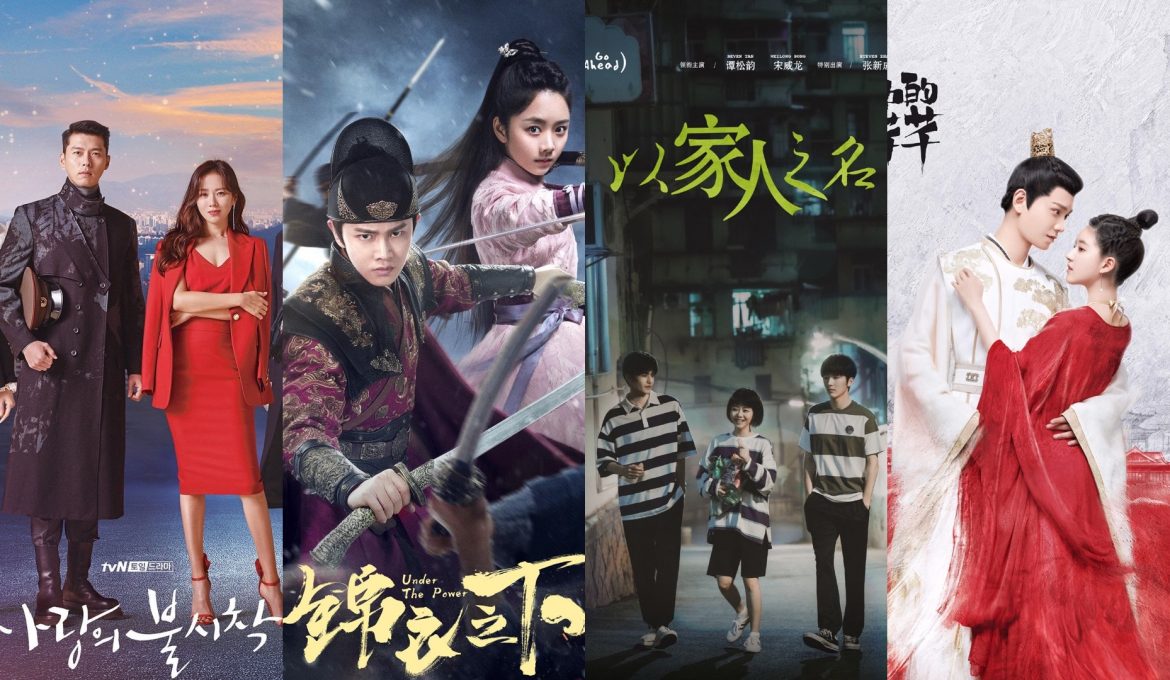
Asian dramas have undergone a remarkable transformation in recent years. While classic tropes such as first love, love triangles, and wealthy heirs still exist, the genre has clearly evolved. Today, strong female leads, mature romances, and more realistic storytelling are redefining what audiences expect from K-dramas, C-dramas, and J-dramas. These changes reflect not only shifts in entertainment trends, but also broader social and cultural changes across Asia.
Modern viewers are no longer satisfied with one-dimensional characters or overly idealized love stories. Instead, they seek narratives that feel authentic, emotionally complex, and reflective of real-life struggles. As a result, Asian dramas are becoming more nuanced, diverse, and globally appealing than ever before.
The rise of strong and independent female leads
One of the most noticeable trends in Asian dramas is the emergence of strong female protagonists. Unlike older portrayals where female characters were often passive, dependent, or defined primarily by romance, today’s heroines are complex individuals with goals, flaws, and agency.
These women are doctors, lawyers, executives, artists, detectives, and single mothers. They make difficult decisions, challenge authority, and actively shape their own destinies. Romance is no longer their sole purpose—it is just one aspect of their lives.
This shift has been especially prominent in K-dramas, where female leads are increasingly portrayed as emotionally resilient and professionally competent. In C-dramas, historical and modern stories alike now feature women who resist traditional limitations and assert independence. J-dramas, known for their grounded realism, often focus on quiet strength—women navigating life with emotional intelligence rather than dramatic dominance.
Audiences respond strongly to these portrayals because they feel empowering and relatable. These characters reflect the realities of modern women balancing career, relationships, personal identity, and societal expectations.
Romance grows up: the move toward mature love stories
Another major trend is the rise of mature romances. Instead of focusing solely on youthful first love, many Asian dramas now explore relationships between adults with emotional baggage, past relationships, and real responsibilities.
These stories depict love as something that requires communication, compromise, and emotional maturity. Characters fall in love while dealing with divorce, grief, career burnout, family pressure, or unresolved trauma. Romance is portrayed not as an escape from reality, but as something that exists within it.
Mature romances often move at a slower pace, prioritizing emotional connection over dramatic twists. Small gestures—shared meals, late-night conversations, mutual support—carry more weight than grand romantic declarations. This subtlety resonates with older audiences and viewers seeking emotional depth.
Also check out: Dramas Where Love Helps Characters Overcome Trauma
Importantly, these romances also challenge unrealistic expectations. Conflicts are not always resolved easily, and love does not magically fix everything. Instead, relationships grow through effort, understanding, and vulnerability.
More realistic storytelling and emotional authenticity
Modern Asian dramas are increasingly embracing realism. While fantasy and melodrama remain popular, there is a noticeable shift toward grounded narratives that reflect everyday life. These stories explore mental health, workplace stress, economic pressure, loneliness, and personal growth with greater sensitivity.
Rather than idealized worlds, viewers are presented with flawed characters facing relatable problems. Protagonists fail, make poor choices, and experience emotional setbacks. This honesty makes their journeys more compelling and emotionally resonant.
J-dramas have long been known for this realistic approach, often focusing on quiet moments and internal conflict. Recently, K-dramas and C-dramas have also begun adopting similar tones, blending realism with traditional drama elements.
This trend allows audiences to connect more deeply with characters. Viewers see their own fears, struggles, and hopes reflected on screen, turning dramas into emotional mirrors rather than pure escapism.
Shifting gender dynamics and healthier relationships
Alongside stronger female leads comes a shift in gender dynamics. Male characters are no longer defined solely by dominance, wealth, or emotional detachment. Instead, they are more emotionally expressive, supportive, and vulnerable.
Healthy communication, mutual respect, and emotional equality are becoming central themes in modern romances. Toxic behavior that was once romanticized—such as possessiveness or emotional manipulation—is increasingly questioned or openly criticized.
This evolution reflects changing social attitudes toward relationships. Viewers now value partnerships based on trust and growth rather than control or sacrifice alone. Asian dramas are responding by offering more balanced and emotionally responsible love stories.
Diverse genres and narrative experimentation
Another notable trend is the diversification of genres and storytelling formats. Asian dramas are blending romance with psychological thrillers, slice-of-life narratives, legal dramas, medical stories, and social commentary.
Shorter series, unconventional endings, and character-driven plots are becoming more common. Rather than focusing solely on plot twists, many dramas prioritize emotional arcs and thematic depth.
This experimentation allows creators to take creative risks and explore stories that may not fit traditional formulas. It also attracts international audiences who appreciate originality and storytelling variety.
Global influence and international audiences
The global popularity of Asian dramas has also influenced current trends. As international audiences grow, storytelling becomes more inclusive and universally relatable. Themes such as self-discovery, equality, mental health, and personal freedom resonate across cultures.
Streaming platforms have further accelerated this evolution by allowing creators more flexibility in content length, tone, and subject matter. This freedom encourages deeper storytelling and more diverse representation.
Asian dramas are no longer created solely for domestic audiences—they are part of a global cultural exchange.
Why these trends matter
These changes are not just aesthetic or narrative shifts; they represent a deeper cultural evolution. Strong female leads and mature romances challenge outdated stereotypes. Realistic storytelling validates emotional complexity and personal struggle.
For viewers, this means richer stories that feel meaningful and emotionally honest. For the industry, it signals growth, adaptability, and creative confidence.
Asian dramas are no longer defined by a single formula. They are evolving into a multifaceted genre capable of telling powerful stories about love, identity, and life itself.
The future of Asian dramas
Looking ahead, these trends show no sign of slowing down. As audiences continue to demand authenticity and diversity, Asian dramas will likely push boundaries even further. Stories will become more inclusive, emotionally layered, and socially aware.
At their core, these dramas remind us that storytelling evolves with society—and when it does, it becomes more powerful.
❓ Questions & Answers – Key Curiosities
1. Why are strong female leads becoming more common in Asian dramas?
Because audiences want relatable, empowered characters who reflect modern social realities and personal independence.
2. What defines a “mature romance” in Asian dramas?
Mature romances focus on emotional growth, communication, and realistic challenges rather than idealized or youthful love.
3. Are realistic dramas replacing fantasy and melodrama?
No. Fantasy and melodrama remain popular, but realism is increasingly blended into storytelling for emotional depth.
4. How have global audiences influenced Asian drama trends?
International viewers encourage more inclusive themes, diverse characters, and storytelling that resonates beyond cultural boundaries.