Why Short Drama Series Are Winning Over Young Audiences
Why Short Drama Series Are Winning Over Young Audiences
Fast-paced episodes, intense emotions, and stories designed for mobile consumption
In recent years, the landscape of Asian dramas has expanded beyond traditional television formats. One of the most significant developments is the rapid rise of short drama series, especially among younger audiences. Designed for mobile viewing and built around fast-paced storytelling, these compact dramas are reshaping how stories are consumed, shared, and emotionally experienced.
Short drama series—often featuring episodes ranging from one to ten minutes—have become a powerful response to changing viewing habits. In a world dominated by smartphones, social media, and on-the-go lifestyles, young viewers increasingly favor content that delivers strong emotional impact in a short amount of time. Asian entertainment industries have quickly adapted, creating stories that are concise, intense, and perfectly suited for mobile platforms.
A generation shaped by mobile consumption
Younger audiences are digital natives. They consume content primarily through smartphones, often in short bursts between classes, work, or social activities. Traditional hour-long episodes require time and focus, while short dramas fit seamlessly into daily routines.
Short drama series are intentionally designed for vertical or mobile-friendly viewing, making them visually comfortable and easy to watch without rotating the screen. This design choice reflects a deep understanding of modern habits and contributes significantly to their popularity.
By removing long introductions and slow pacing, these dramas immediately engage viewers. The story starts quickly, emotions escalate fast, and every second counts. For young audiences accustomed to short-form content on platforms like TikTok, Reels, and YouTube Shorts, this format feels natural and accessible.

Fast-paced storytelling with no filler
One of the defining features of short drama series is their fast-paced narrative structure. There is little room for filler scenes, extended subplots, or unnecessary exposition. Each episode is built around a clear emotional or narrative hook, encouraging viewers to keep watching.
Conflicts are introduced early, and emotional payoffs arrive quickly. Cliffhangers are common, making it difficult to stop after just one episode. This binge-friendly structure mirrors the logic of social media feeds, where constant stimulation keeps users engaged.
Also check out: Short Drama Series: Why Mini-Dramas Are Winning Over Audiences
For younger viewers, this approach feels rewarding. Instead of waiting multiple episodes for a confession, revelation, or turning point, short dramas deliver emotional intensity almost immediately.
Intense emotions in a compact format
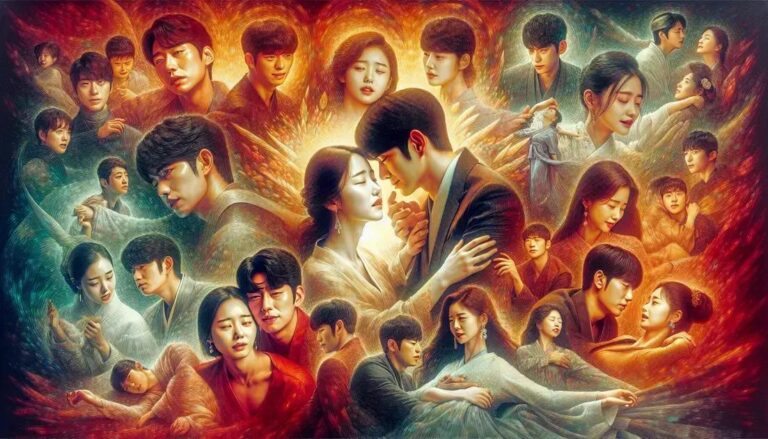
Despite their short length, these dramas are not emotionally shallow. On the contrary, they often rely on heightened emotional intensity to compensate for limited runtime. Love, heartbreak, betrayal, regret, and longing are presented in concentrated doses.
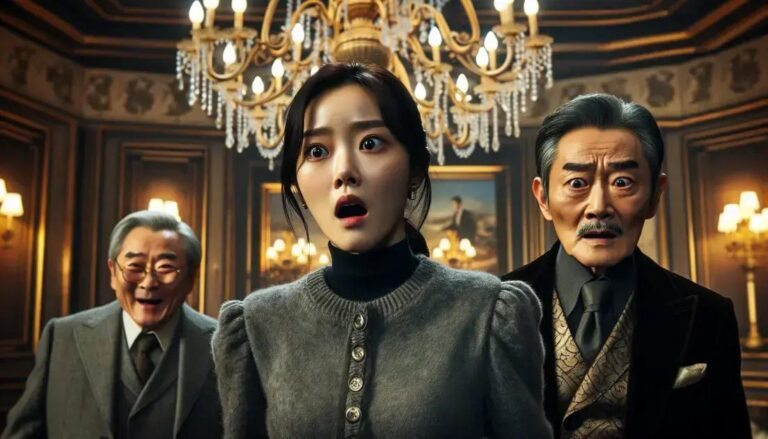
Short dramas focus on emotionally charged moments rather than slow emotional buildup. A single episode may revolve around a breakup, a confession, or a dramatic reunion. Music, close-up shots, and expressive performances amplify the emotional impact.
This emotional concentration resonates strongly with young audiences, who often seek content that makes them feel something quickly. Crying, excitement, and emotional release can all happen within minutes—making the experience both efficient and powerful.
Stories built for modern attention spans
Attention spans have changed, and short drama creators are fully aware of this reality. These series are structured to capture attention within the first few seconds. Strong opening scenes, dramatic visuals, and immediate conflict prevent viewers from scrolling away.
Episodes often end on emotional or narrative hooks, encouraging viewers to continue. This structure closely resembles social media storytelling, where creators must capture interest instantly or risk losing their audience.
Rather than viewing this as a limitation, short dramas embrace it as a creative challenge. Writers and directors focus on clarity, emotion, and momentum, ensuring that every scene serves a purpose.
Relatable themes for younger viewers
Another key reason short dramas appeal to young audiences is their focus on relatable themes. These stories often center on first love, unspoken feelings, friendship, jealousy, identity struggles, and personal growth.
Modern short dramas also explore topics such as social pressure, online relationships, career uncertainty, and emotional isolation. These themes reflect the realities of younger generations navigating adulthood in a fast-changing world.
By presenting these experiences in short, emotionally resonant episodes, the stories feel personal and immediate. Viewers see their own fears and desires reflected on screen, strengthening emotional connection.
Accessibility and low commitment
One major advantage of short drama series is their low commitment barrier. Viewers do not need to invest hours to understand or enjoy the story. A single episode can be watched independently, making it easier to start—and harder to stop.
This accessibility encourages experimentation. Young viewers are more willing to try new series, genres, or actors because the time investment is minimal. As a result, short dramas often attract audiences who might not typically watch traditional dramas.
This also benefits creators, as unique or unconventional stories can find an audience without the pressure of sustaining long-format storytelling.
Perfect for sharing and social media virality
Short dramas are inherently shareable. Emotional scenes, dramatic twists, and memorable lines can be easily clipped and shared on social media. This organic sharing helps series gain visibility and attract new viewers.
Social platforms play a crucial role in the success of short dramas. Fans create edits, reaction videos, and discussion threads that extend the life of the content beyond its original platform.
For young audiences, discovering a drama through a viral clip feels more personal and exciting than traditional advertising. A single emotional moment can spark curiosity and lead viewers to watch the entire series.
Creative freedom and experimentation
The short format allows for greater creative freedom. Writers and directors can experiment with storytelling styles, narrative structures, and endings without the constraints of long-format expectations.
Some short dramas embrace tragic endings, while others focus on poetic or open conclusions. Because the emotional journey is brief, audiences are more open to unconventional storytelling.
This creative flexibility keeps the genre fresh and innovative, appealing to younger viewers who value originality and emotional authenticity.
A growing part of the future of dramas
Short drama series are not replacing traditional dramas, but they are becoming an essential part of the entertainment ecosystem. Many viewers enjoy both formats depending on their mood, time, and emotional needs.
As technology and viewing habits continue to evolve, short dramas will likely become even more sophisticated—blending cinematic quality with mobile-first storytelling.
For young audiences, these series represent a new way to experience drama: fast, emotional, and deeply personal.
Why short dramas matter
At their core, short drama series prove that powerful storytelling does not require long runtime. What matters is emotional truth, relatable themes, and thoughtful execution.
By meeting young audiences where they are—on their phones, in short moments of time—short dramas have redefined accessibility and emotional engagement in Asian entertainment.
They are not just a trend, but a reflection of how storytelling adapts to the rhythm of modern life.
❓ Questions & Answers – Key Curiosities
1. Why are short drama series especially popular with young audiences?
Because they match modern viewing habits, offering quick emotional impact and mobile-friendly episodes.
2. Are short dramas less meaningful than traditional dramas?
No. While shorter, they often deliver concentrated emotional storytelling that can be just as impactful.
3. Do short dramas rely more on emotion than plot?
They balance both, but emotion is often prioritized to create immediate connection within limited time.
4. Will short dramas replace traditional Asian dramas?
Unlikely. Instead, both formats will coexist, serving different moods, lifestyles, and audience preferences.