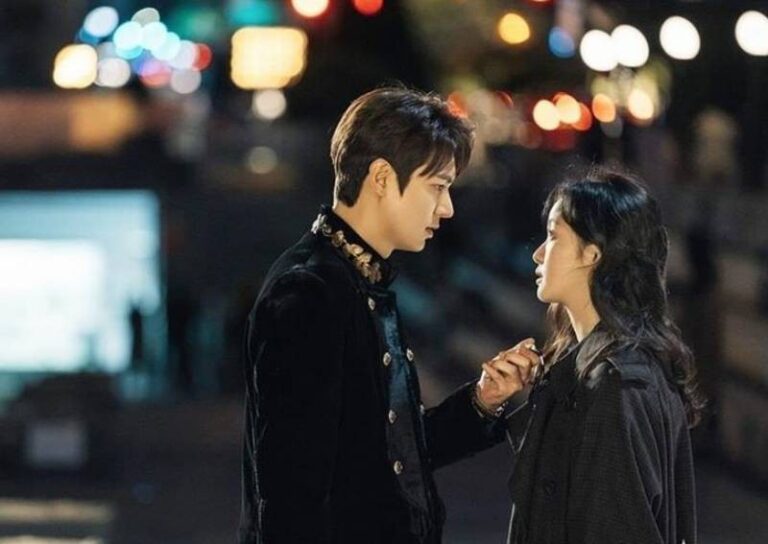
Unrequited Love: Loving Someone Who May Never Love You Back
Dramas focused on one-sided love and emotional growth
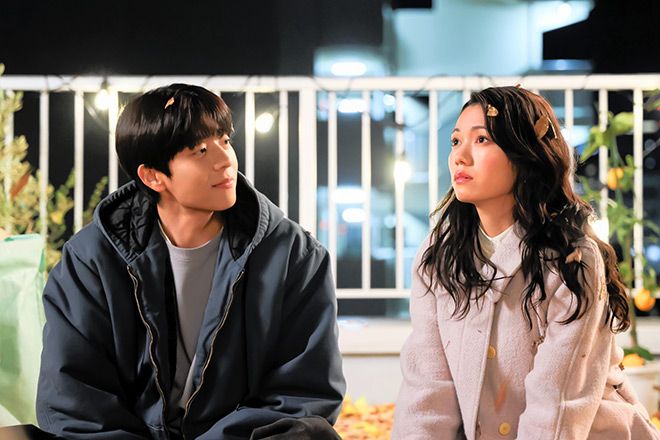
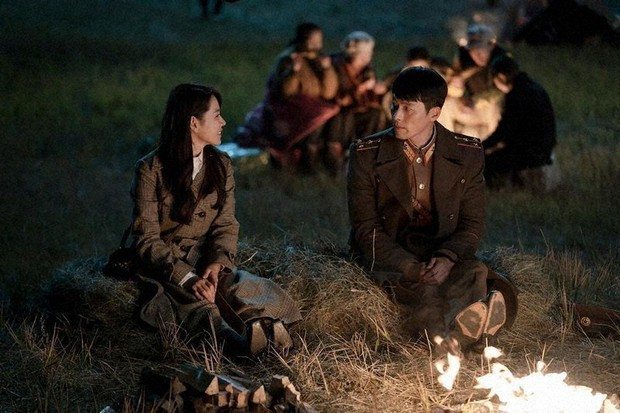
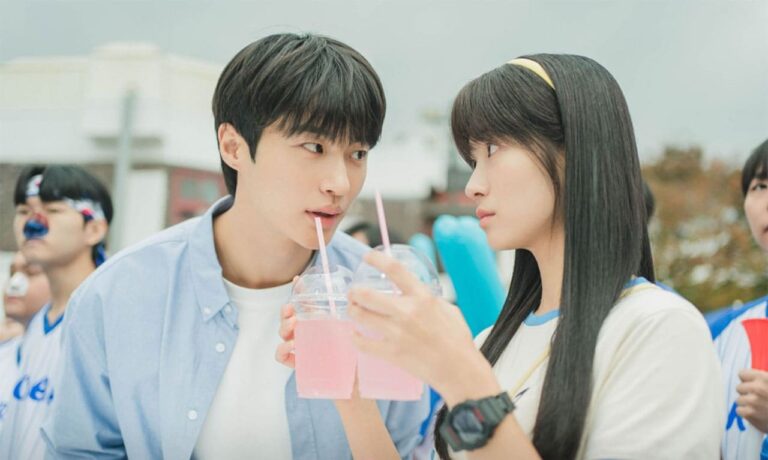
Among the many emotional themes explored in Asian dramas, unrequited love stands as one of the most quietly painful—and deeply human. These are stories where love exists in silence, hesitation, and restraint. One person gives their heart fully, knowing that the feelings may never be returned. Instead of romance built on mutual attraction, unrequited love dramas focus on longing, patience, and the difficult journey of emotional growth.
What makes these stories so powerful is their honesty. Not every love is returned. Not every confession leads to happiness. Asian dramas approach unrequited love with sensitivity, allowing audiences to sit with uncomfortable emotions rather than rushing toward resolution.
The beauty and pain of one-sided love
Unrequited love is defined by contradiction. It is warm and painful at the same time. Loving someone deeply can bring joy—simply being near them, supporting them, and caring for their happiness. Yet it can also be heartbreaking, as affection exists without assurance or reward.
Asian dramas portray this duality beautifully. Characters often find happiness in small moments: shared conversations, inside jokes, or being a trusted presence in the other person’s life. At the same time, they carry quiet sorrow, knowing that their role may never change.
This emotional balance makes unrequited love stories deeply relatable. Many viewers recognize the feeling of loving without expectation, hoping without certainty.
Love expressed through silence and actions
In unrequited love dramas, feelings are rarely expressed openly. Instead, love reveals itself through actions rather than words. Characters show care by remembering small details, offering support during difficult times, or quietly stepping aside for the other person’s happiness.
Asian dramas often use silence as a storytelling tool. Long pauses, lingering glances, and unspoken thoughts communicate more than dialogue ever could. The absence of confession becomes its own form of emotional expression.
This restraint intensifies emotion. The audience understands what the character feels, even when the beloved remains unaware.

The fear of confession
A central conflict in unrequited love is the fear of confession. Characters hesitate to reveal their feelings, not only because of possible rejection, but because confession could change everything.
Admitting love risks losing closeness, friendship, or trust. Many characters choose emotional safety over honesty, believing that loving quietly is better than risking separation.
Asian dramas explore this fear with empathy. They do not portray hesitation as weakness, but as a reflection of emotional awareness. The character understands the weight of their feelings and the potential consequences.
Emotional growth through loving alone
While unrequited love is painful, it often becomes a catalyst for emotional growth. Characters learn patience, self-reflection, and emotional resilience. Loving without guarantee forces them to confront their own needs and boundaries.
Some characters realize that their love is rooted in idealization rather than reality. Others come to understand that self-worth should not depend on being chosen.
Asian dramas frequently show characters growing stronger through this process—learning when to hold on and when to let go. The love may not be returned, but the emotional journey is meaningful.
Letting go as an act of love
One of the most poignant aspects of unrequited love is the moment when a character chooses to let go. This decision is rarely sudden. It comes after emotional exhaustion, self-reflection, or witnessing the other person choose someone else.
Letting go is portrayed not as failure, but as maturity. Characters learn that love does not always mean possession. Sometimes, it means stepping back to protect one’s own heart.
These moments are often the most emotionally impactful. The audience feels both loss and relief, recognizing the courage it takes to walk away from love that cannot grow.
When unrequited love remains unspoken
Not all unrequited love stories involve confession. Some end with feelings remaining forever unspoken. While this may seem tragic, Asian dramas often frame it as a quiet form of closure.
The character may move forward, carrying the experience as part of their emotional history. The love shaped them, even if it was never acknowledged.
These endings feel bittersweet but realistic. They reflect the truth that not all emotions need to be resolved verbally to be valid.
Why audiences connect so deeply
Unrequited love resonates because it reflects a universal emotional experience. Many viewers have loved someone who did not—or could not—love them back. Watching these stories feels like emotional recognition.
Asian dramas do not shame these feelings. Instead, they validate the pain, confusion, and hope involved. They show that loving deeply, even without return, is not something to regret.
This validation creates emotional comfort. Viewers feel understood rather than judged.
Unrequited love versus romantic fulfillment
Unlike traditional romance, unrequited love dramas are not centered on “winning” love. The emotional focus shifts inward—from gaining affection to gaining self-awareness.
This makes the stories feel introspective. The question is not “Will they end up together?” but “What will this love teach them?”
Asian dramas often emphasize that personal growth can be just as meaningful as romantic success.
Realism over fantasy
One of the reasons unrequited love stories feel so impactful is their realism. They do not promise fair outcomes or emotional balance. Love is shown as unpredictable and sometimes unfair.
This realism sets these dramas apart. They acknowledge that emotional experiences do not always resolve neatly, and that growth often comes from disappointment.
For audiences seeking emotional authenticity rather than fantasy, unrequited love dramas offer something rare and honest.
The quiet strength of loving without return
Ultimately, unrequited love stories highlight a quiet kind of strength. Loving without guarantee requires vulnerability, courage, and emotional depth.
Asian dramas portray these characters with respect. They are not naïve or weak—they are emotionally brave. Their love, even when unreturned, is meaningful because it is sincere.
A theme that never loses relevance
Unrequited love remains a timeless theme because it reflects real emotional life. As long as people love, there will be moments of imbalance, longing, and growth.
Asian dramas continue to explore this theme because it allows for nuanced storytelling—stories that prioritize emotional truth over romantic certainty.
Unrequited Love reminds us that love is not only about being chosen. Sometimes, it is about learning who we are through the act of loving itself.
❓ Questions & Answers – Key Curiosities
1. Why is unrequited love such a common theme in Asian dramas?
Because it reflects real emotional experiences and allows for deep character development and realism.
2. Do unrequited love stories always end sadly?
Not necessarily. While romance may not succeed, many stories end with emotional growth and self-acceptance.
3. Why do characters often avoid confessing their feelings?
They fear rejection, losing the relationship they already have, or disrupting emotional balance.
4. What is the main message of unrequited love dramas?
That loving deeply, even without return, can lead to emotional maturity and personal growth.