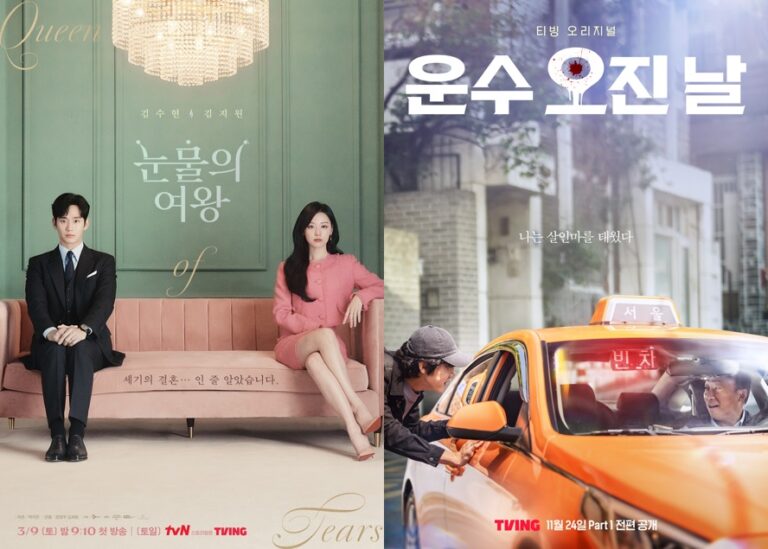
Rising Asian Directors Who Are Redefining Drama Storytelling
New Asian directors who are innovating narrative style, pacing, and visual language
In recent years, Asian dramas have undergone a remarkable creative transformation. Beyond strong scripts and talented actors, a new generation of Asian directors is playing a decisive role in redefining how dramas look, feel, and unfold. These rising directors are challenging traditional formulas, experimenting with pacing, and introducing cinematic visual language that elevates television storytelling to new artistic heights.
What sets this generation apart is not just technical skill, but creative confidence. They are unafraid to slow stories down, embrace silence, blur genre boundaries, or leave emotional space for viewers to interpret meaning. As global audiences grow more sophisticated, these directors are reshaping Asian dramas into works that feel intimate, bold, and globally resonant.
Moving beyond traditional drama formulas
For many years, Asian dramas followed recognizable structural patterns: fixed episode counts, predictable emotional beats, and clear genre boundaries. While beloved by audiences, these formats sometimes limited creative exploration.
Rising directors are now questioning these conventions. They experiment with:
-
Non-linear storytelling
-
Open or ambiguous endings
-
Minimalist dialogue
-
Emotion-driven pacing rather than plot-driven urgency
Instead of focusing on constant dramatic twists, these directors prioritize emotional realism. Silence, repetition, and everyday moments become as important as climactic scenes.
This shift reflects a broader understanding that audiences are willing to engage with complexity, subtlety, and emotional nuance.
Visual storytelling as emotional language
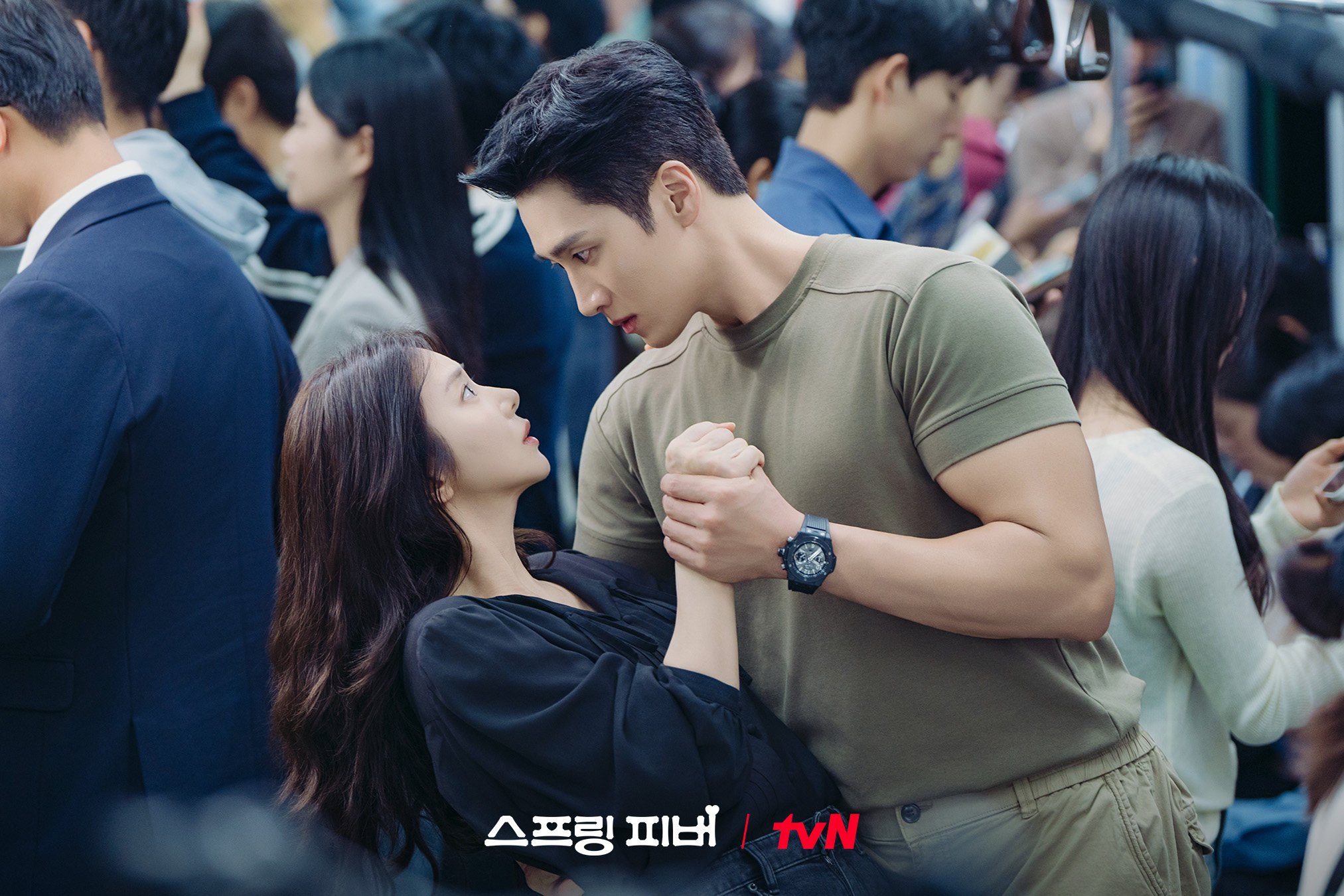
One of the most striking contributions of new Asian directors is their emphasis on visual storytelling. Rather than relying heavily on dialogue to explain emotions, they use framing, lighting, camera movement, and composition to communicate inner worlds.
Close-up shots linger longer. Natural light replaces overly polished aesthetics. Empty spaces and stillness are used intentionally to convey loneliness, tension, or emotional distance.
This cinematic approach blurs the line between television and film. Viewers no longer feel they are watching “just a drama,” but a carefully crafted visual experience.
Directors redefining pacing and rhythm
Pacing is another area where rising directors are making bold choices. Instead of rushing toward climaxes, many opt for slow, deliberate rhythms that mirror real emotional processes.
Stories breathe. Characters hesitate. Conversations unfold naturally. This pacing allows emotional moments to land with greater impact.
At the same time, some directors experiment with ultra-tight pacing in short-form or digital-first dramas, proving that innovation can happen at both ends of the spectrum. What matters is intention, not length.
Spotlight on influential rising directors
Several emerging and mid-career directors exemplify this shift in storytelling:
-
Kim Hee-won has gained attention for character-focused dramas that emphasize emotional subtlety and psychological depth. Her direction often highlights internal conflict rather than overt drama, allowing performances to shine naturally.
-
Lee Jae-kyu has demonstrated a strong ability to balance genre storytelling with emotional grounding. His work shows how spectacle and intimacy can coexist when guided by thoughtful direction.
-
Hirokazu Kore-eda, though originally known for film, has influenced drama storytelling with his humanistic approach. His involvement in serialized storytelling has inspired many younger directors to embrace realism, quiet emotion, and moral ambiguity.
These directors, along with many others across Korea, Japan, and China, represent a shift toward director-driven dramas, where vision and style are as important as plot.
Blurring genre boundaries
Another hallmark of rising Asian directors is their willingness to blend genres. Romance may coexist with psychological drama, slice-of-life elements may appear within thrillers, and fantasy may be grounded in emotional realism.
This genre fluidity reflects modern emotional experiences, which are rarely confined to a single category. By rejecting rigid genre labels, directors create stories that feel more authentic and unpredictable.
For viewers, this means dramas that surprise emotionally rather than rely on familiar formulas.
Creating space for actors and performances
Innovative directors understand that strong performances thrive in the right environment. Instead of over-directing, many create space for actors to explore subtle expressions and emotional restraint.
Long takes, minimal cuts, and naturalistic dialogue allow performances to feel lived-in rather than staged. Actors are trusted to communicate emotion without constant guidance.
This collaborative approach often leads to more nuanced and memorable characters—one of the defining strengths of modern Asian dramas.
Global influence and international recognition
As Asian dramas gain global recognition, these directors are increasingly influenced by—and influencing—international storytelling trends. Film festival aesthetics, independent cinema, and global television standards all shape their work.
At the same time, they remain rooted in cultural specificity. Stories reflect local social issues, emotional norms, and cultural values, proving that authentic local storytelling can have universal appeal.
International awards and critical acclaim further validate this director-led evolution.
Digital platforms empowering new voices
Streaming platforms and digital-first production models have been crucial in supporting rising directors. With fewer broadcasting restrictions and more flexible formats, directors can take creative risks without compromising vision.
Short-form series, limited series, and experimental projects provide opportunities for directors to test ideas and refine style. Success in these formats often leads to larger projects and greater creative control.
This ecosystem encourages innovation and nurtures talent organically.
Challenges and responsibilities
With greater freedom comes responsibility. Directors must balance experimentation with accessibility, ensuring stories remain emotionally engaging rather than self-indulgent.
There is also pressure to deliver international success while maintaining cultural authenticity. Rising directors navigate this tension carefully, choosing stories that speak both locally and globally.
Those who succeed redefine not only storytelling, but also the identity of Asian dramas on the world stage.
Why this generation matters
The importance of rising Asian directors lies in their ability to reshape audience expectations. They prove that dramas can be quiet without being boring, complex without being confusing, and visually artistic without losing emotional warmth.
They expand what is possible within serialized storytelling, making room for introspection, ambiguity, and emotional honesty.
A new era of drama storytelling
Ultimately, Rising Asian Directors Who Are Redefining Drama Storytelling represent a creative turning point. These directors are not merely following trends—they are creating them.
By innovating narrative style, pacing, and visual language, they are ensuring that Asian dramas continue to evolve, resonate, and inspire across cultures.
As audiences seek stories that feel human, thoughtful, and visually compelling, these directors are leading the way—quietly, boldly, and with lasting impact.
❓ Questions & Answers – Key Curiosities
1. What distinguishes rising Asian directors from traditional drama directors?
Their willingness to experiment with pacing, visual language, and emotional restraint rather than following fixed formulas.
2. Are these directors focused more on style than story?
No. Style is used to enhance emotional storytelling, not replace narrative depth.
3. How do streaming platforms help new directors emerge?
They provide creative freedom, flexible formats, and opportunities for experimental projects.
4. Will this new directing style replace traditional Asian dramas?
Not replace, but expand them—offering more diverse storytelling options for different audiences.