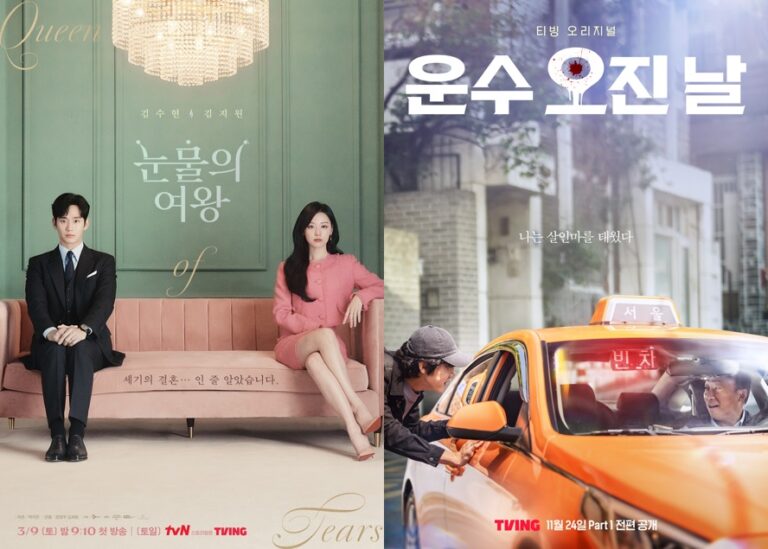
How Asian Dramas Are Addressing Mental Health More Openly
The evolution of how anxiety, depression, and trauma are portrayed in dramas
In recent years, Asian dramas have undergone a meaningful and necessary transformation in how they portray mental health. Once treated as taboo, misunderstood, or simplified for dramatic effect, issues such as anxiety, depression, trauma, and emotional burnout are now being explored with greater honesty, empathy, and realism. This shift reflects not only changes in storytelling, but also broader social conversations happening across Asia and among global audiences.
Rather than using mental illness merely as a plot device or a source of tragedy, modern Asian dramas increasingly present mental health as a human experience—complex, ongoing, and deeply connected to personal history, relationships, and social pressure.
From stigma to visibility
Historically, mental health in Asian dramas was often portrayed through extremes. Characters were labeled as “unstable,” “weak,” or “dangerous,” and emotional struggles were frequently minimized or resolved unrealistically through romance or sudden realization.
These portrayals reflected real-world stigma. In many Asian societies, mental health struggles were associated with shame, family dishonor, or personal failure. Seeking help was discouraged, and emotional pain was expected to be endured quietly.
Today’s dramas mark a clear departure from this approach. Mental health issues are no longer hidden in the shadows—they are brought into the narrative as legitimate, relatable challenges faced by otherwise ordinary people.
Anxiety as a response to pressure
One of the most common themes explored in modern Asian dramas is anxiety, particularly as a response to academic, professional, and social pressure. Characters experience panic attacks, chronic stress, insomnia, and emotional overwhelm as a result of demanding environments.
Rather than portraying anxiety as irrational fear, dramas now frame it as a natural reaction to excessive expectations. Characters struggle with perfectionism, fear of failure, and the constant pressure to succeed.
These stories resonate strongly with younger audiences, who see their own experiences reflected on screen. By validating anxiety as understandable rather than shameful, dramas help normalize conversations around mental well-being.

Depression portrayed with emotional depth
Depression is another area where representation has become more nuanced. Instead of dramatic breakdowns alone, Asian dramas increasingly show depression as quiet, persistent, and often invisible.
Characters may appear functional—working, socializing, fulfilling responsibilities—while feeling emotionally numb, exhausted, or disconnected inside. This subtle portrayal reflects the lived reality of many people who suffer silently.
Importantly, depression is no longer portrayed as something that can be cured simply by love or willpower. While relationships may provide support, healing is shown as a gradual and sometimes painful process.
Trauma and its long-lasting impact
Modern Asian dramas are also more willing to explore trauma, including childhood neglect, abuse, violence, loss, and emotional abandonment. These experiences are not treated as isolated backstories, but as ongoing influences that shape behavior, relationships, and self-perception.
Trauma is shown to resurface through triggers, emotional shutdown, trust issues, or fear of intimacy. Characters may struggle to articulate their pain, reflecting how trauma often exists beyond words.
By acknowledging trauma’s long-term effects, these dramas move away from simplistic narratives of “getting over it” and toward more compassionate storytelling.
Healing as a process, not a miracle
A significant evolution in mental health portrayal is the emphasis on healing as a process. Recovery is no longer instantaneous or linear. Characters experience setbacks, moments of progress, and periods of stagnation.
Asian dramas increasingly include realistic coping mechanisms such as therapy, medication, journaling, and support groups. Seeking professional help is portrayed as a sign of strength rather than weakness.
This approach sends an important message: healing takes time, and asking for help is part of that journey.
The role of relationships in mental health
While romance remains central in many dramas, its role in mental health narratives has changed. Love is no longer depicted as a cure, but as support.
Partners, friends, and family members learn how to listen, respect boundaries, and offer presence rather than solutions. Healthy relationships are shown as those that allow vulnerability without pressure.
This shift promotes emotionally responsible storytelling, encouraging viewers to see relationships as part of healing—not replacements for it.
Breaking stereotypes and harmful tropes
Asian dramas are also actively dismantling harmful stereotypes surrounding mental illness. Characters with depression or anxiety are no longer portrayed as incompetent, violent, or emotionally unstable caricatures.
Instead, they are complex individuals with careers, friendships, humor, and resilience. Mental health becomes one aspect of identity, not the defining trait.
This balanced portrayal helps reduce fear and misunderstanding, fostering empathy among viewers.
Why audiences respond so strongly
The growing openness around mental health in Asian dramas resonates because it reflects real emotional struggles. Many viewers turn to dramas not only for entertainment, but for comfort and understanding.
Seeing characters articulate feelings of emptiness, fear, or emotional exhaustion helps viewers feel less alone. The stories do not provide easy answers, but they offer validation—and that itself can be healing.
Online communities often form around these dramas, where viewers share personal experiences and support each other, extending the impact beyond the screen.
Cultural context and quiet realism
Asian dramas often approach mental health with subtlety rather than explicit confrontation. Silence, routine, and small behavioral changes communicate emotional states more than dramatic dialogue.
This understated style respects cultural communication norms while still addressing serious topics. It allows mental health narratives to feel authentic rather than sensationalized.
The balance between cultural sensitivity and emotional honesty is one of the greatest strengths of these portrayals.
The influence of younger creators and audiences
The shift toward open mental health storytelling is also driven by younger writers, directors, and viewers. This generation is more willing to discuss emotional well-being and challenge stigma.
As audiences demand more realistic representation, creators respond with stories that reflect lived experience rather than outdated norms.
Streaming platforms further support this change by allowing more diverse and experimental narratives to reach global audiences.
Challenges that remain
Despite progress, challenges persist. Some dramas still romanticize emotional suffering or oversimplify recovery. Others shy away from deeper exploration due to cultural sensitivity.
However, the overall direction is clear. Mental health is no longer invisible—and it is increasingly treated with care and responsibility.
A meaningful evolution in storytelling
How Asian Dramas Are Addressing Mental Health More Openly reflects a broader cultural shift toward empathy, understanding, and emotional honesty. These stories acknowledge that pain exists, that healing is complex, and that no one should suffer in silence.
By portraying anxiety, depression, and trauma with realism and compassion, Asian dramas are doing more than telling stories—they are opening conversations.
And in doing so, they remind viewers that emotional struggles do not make someone broken. They make them human.
❓ Questions & Answers – Key Curiosities
1. Why are Asian dramas addressing mental health more openly now?
Because social awareness has grown, and audiences are demanding more realistic and responsible storytelling.
2. Do Asian dramas portray therapy and professional help positively?
Increasingly yes. Seeking help is often shown as a healthy and brave step toward healing.
3. Is romance still central in mental health dramas?
Yes, but romance is portrayed as support, not a cure, emphasizing emotional responsibility.
4. Can these dramas help reduce mental health stigma?
They can. By normalizing emotional struggles, dramas encourage empathy and open conversation.