Short Dramas vs. Traditional Dramas
A comparison of emotional impact between short-form and long-form dramas
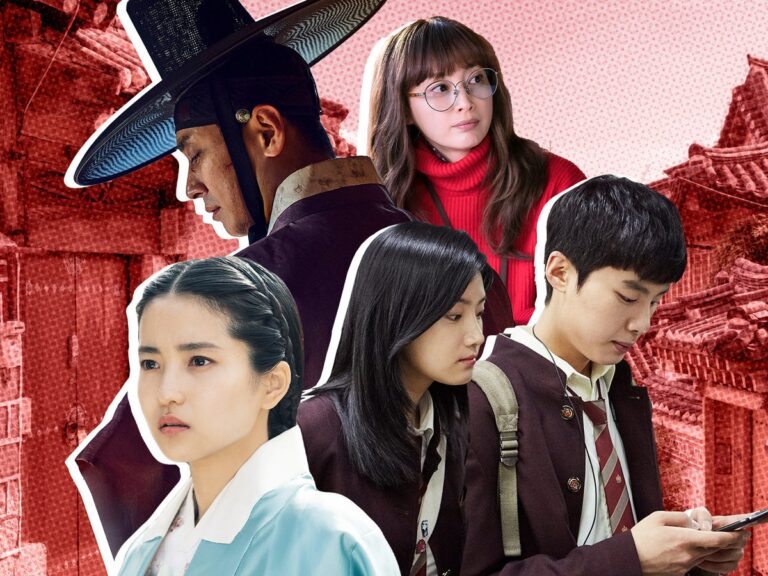
Asian dramas have always been celebrated for their emotional power. From quiet longing and heartbreaking farewells to healing love and personal growth, emotions are the core of why audiences return to these stories again and again. In recent years, however, the way these emotions are delivered has diversified. Alongside traditional long-form dramas, short drama series have emerged as a powerful alternative, raising an important question: Can shorter formats deliver the same emotional impact as traditional dramas?
The answer is not about which format is better, but how different formats create emotional connection in different ways. Short dramas and traditional dramas follow distinct storytelling rhythms, yet both aim for the same goal—making the audience feel deeply.
Traditional dramas: emotional immersion over time
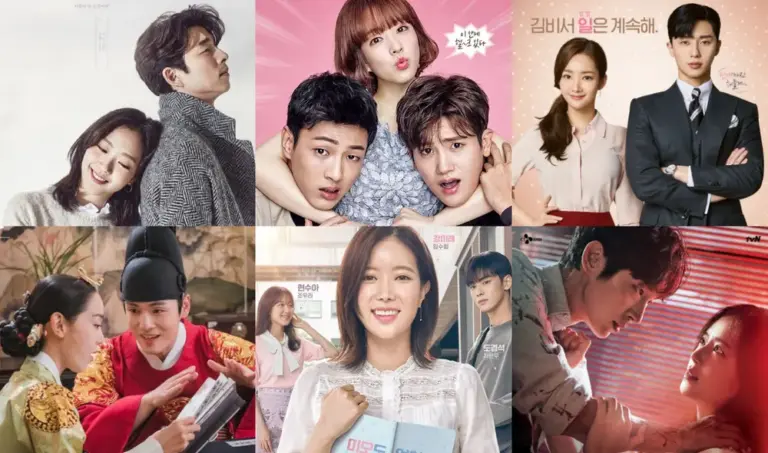
Traditional Asian dramas usually span 12 to 50 episodes, with each episode lasting between 45 minutes and over an hour. This format allows for slow emotional immersion. Viewers spend weeks—or even months—with the characters, watching relationships evolve gradually.
The emotional impact in long-form dramas comes from:
-
Extended character development
-
Layered relationships
-
Repeated emotional exposure
-
Long-term investment
Because audiences grow familiar with the characters’ habits, flaws, and dreams, emotional moments feel heavy and earned. A breakup hurts more because viewers have watched the relationship grow. A reconciliation feels satisfying because of the long emotional journey leading to it.
Traditional dramas excel at portraying emotional depth through time.
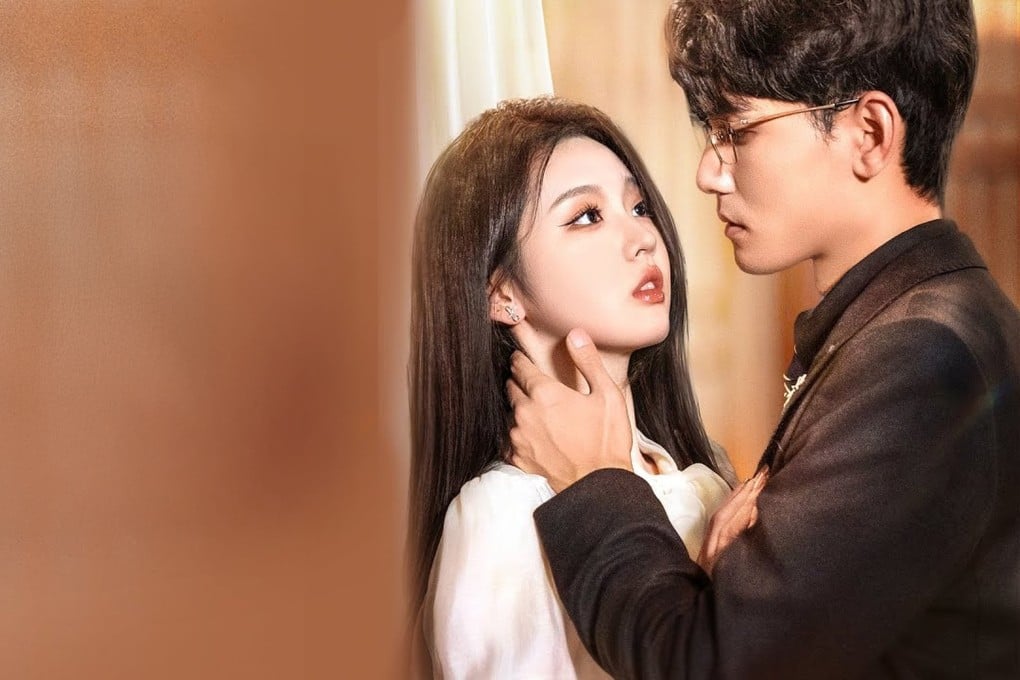
Short dramas: emotional intensity in minutes
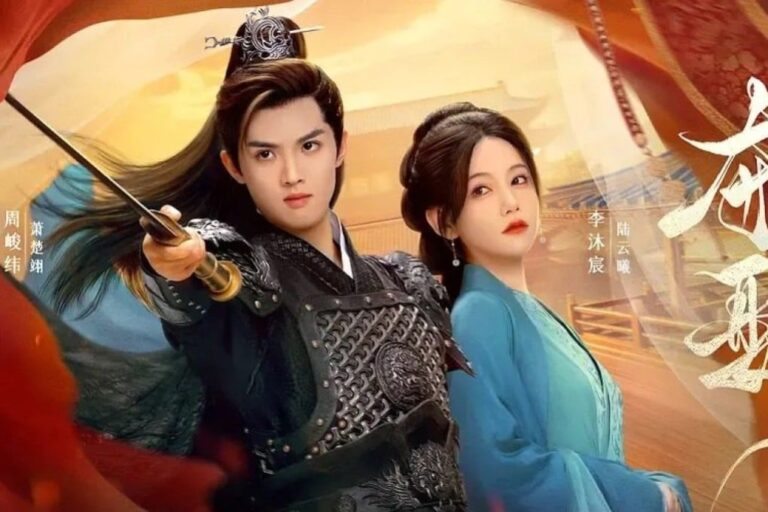
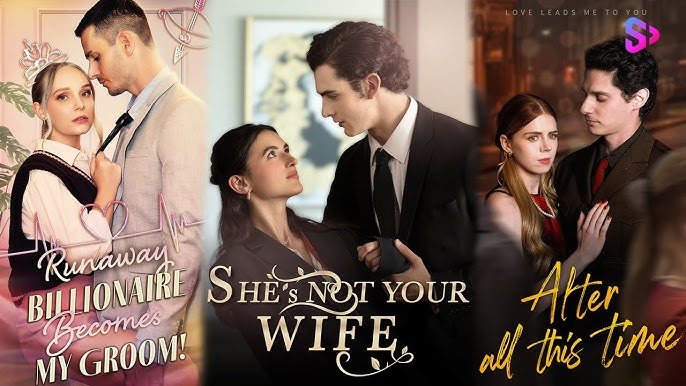
Short dramas operate on a completely different rhythm. Episodes may last anywhere from one to ten minutes, sometimes even less. Instead of emotional immersion, short dramas focus on emotional concentration.
Every scene must hit quickly. There is little space for exposition or gradual buildup. Characters are often introduced already in emotional conflict, and episodes frequently end at moments of maximum tension.
The emotional impact of short dramas comes from:
-
Immediate emotional hooks
-
Relatable, high-stakes situations
-
Intimate framing and close-ups
-
Consistent emotional cliffhangers
Rather than asking viewers to invest over time, short dramas demand instant emotional engagement.
Different pacing, same emotional goal
The key difference between short and traditional dramas lies in pacing, not emotional ambition. Traditional dramas allow emotions to simmer slowly, while short dramas bring them to a boil almost instantly.
In long-form dramas, emotions unfold like a novel. In short dramas, emotions unfold like poetry—condensed, intense, and focused.
Both formats aim to:
-
Create emotional attachment
-
Build empathy for characters
-
Evoke emotional reflection
-
Provide catharsis
They simply use different paths to reach the same destination.
Character development: gradual vs. concentrated
Character development is often cited as a strength of traditional dramas. With more screen time, characters can change gradually, revealing new layers over time. Viewers witness growth, regression, and transformation in detail.
Short dramas approach character development differently. Instead of gradual evolution, they rely on emotional snapshots. A character may be defined by a single emotional struggle—grief, regret, longing, or forbidden love.
This does not make short drama characters shallow. Rather, they are emotionally focused. Their inner world is revealed quickly through expression, action, and implication rather than extended dialogue.
Emotional realism in both formats
One misconception is that traditional dramas are more emotionally realistic because they have more time. In reality, emotional realism depends on writing and direction, not length.
Short dramas often feel realistic because they mirror how emotions are experienced in real life—sudden, overwhelming, and intense. A single moment can change everything, and short dramas capture that truth effectively.
Traditional dramas, on the other hand, reflect emotional realism through process. Healing takes time. Love grows slowly. Trauma resurfaces repeatedly. Both approaches reflect real emotional experiences, just at different speeds.
Audience behavior and emotional engagement
Modern viewing habits influence emotional engagement. Traditional dramas often require dedicated viewing time and long-term commitment. This creates deep emotional bonds but can be challenging for busy audiences.
Short dramas fit into fragmented viewing habits—watching during breaks, commuting, or late at night. Despite the limited time, emotional engagement remains strong because the format respects the viewer’s attention while still delivering intensity.
Interestingly, many viewers report feeling surprisingly emotional after short dramas, even though the experience is brief. This proves that emotional connection is not measured in hours watched, but in emotional resonance.
Romance, heartbreak, and healing across formats
Both formats excel in romance and melodrama, but they approach them differently.
Traditional dramas often explore:
-
Long-term romantic tension
-
Multiple relationship phases
-
Emotional misunderstandings over time
Short dramas focus on:
-
Emotional turning points
-
Confessions, breakups, and reunions
-
Immediate emotional consequences
A short drama may show the moment love is realized or lost, while a traditional drama shows the journey leading there. Both experiences can be equally powerful.
Emotional payoff: release vs. reflection
Traditional dramas often aim for emotional payoff through resolution. Endings provide closure, tying together long emotional arcs.
Short dramas may prioritize emotional impact over resolution. Endings can be open, unresolved, or deliberately ambiguous, leaving viewers with lingering feelings rather than answers.
This difference shapes how emotions are processed. Long dramas offer emotional release; short dramas invite emotional reflection.
Are short dramas emotionally “lesser”?
The idea that short dramas are emotionally inferior is increasingly outdated. While they may not offer the same narrative complexity, they deliver emotional precision.
Short dramas succeed by understanding one truth: emotion does not require time—it requires honesty. A single look, silence, or line of dialogue can be enough.
Traditional dramas and short dramas are not competing formats. They serve different emotional needs.
Coexistence, not competition
Rather than replacing traditional dramas, short dramas expand the storytelling landscape. Viewers can choose based on mood, time, and emotional capacity.
Some days call for deep immersion. Others call for quick emotional connection. Both formats coexist because both fulfill different aspects of emotional storytelling.
The future of emotional storytelling
As technology and viewing habits evolve, storytelling formats will continue to diversify. What will remain constant is the importance of emotional authenticity.
Whether delivered over 50 episodes or 5 minutes, emotions remain the heart of Asian dramas. The format may change, but the emotional goal stays the same.
Same emotions, different journeys
Short Dramas vs. Traditional Dramas is not a question of superiority. It is a reflection of how storytelling adapts while preserving emotional truth.
One offers a long emotional journey. The other offers an intense emotional moment. Both leave an impact.
In the end, it is not the length of the story that matters—it is how deeply it makes us feel.
❓ Questions & Answers – Key Curiosities
1. Can short dramas really create strong emotional impact?
Yes. By focusing on intense, emotionally charged moments, short dramas can be deeply moving despite their length.
2. Are traditional dramas better for character development?
They offer more gradual development, but short dramas achieve depth through emotional focus and implication.
3. Which format is more realistic emotionally?
Both are realistic in different ways—traditional dramas show emotional processes, while short dramas capture emotional intensity.
4. Will short dramas replace traditional dramas?
No. They complement each other, offering different emotional experiences for different viewing needs.