Are Short Dramas Replacing Web Dramas?
A comparison between traditional web dramas and the new generation of short dramas
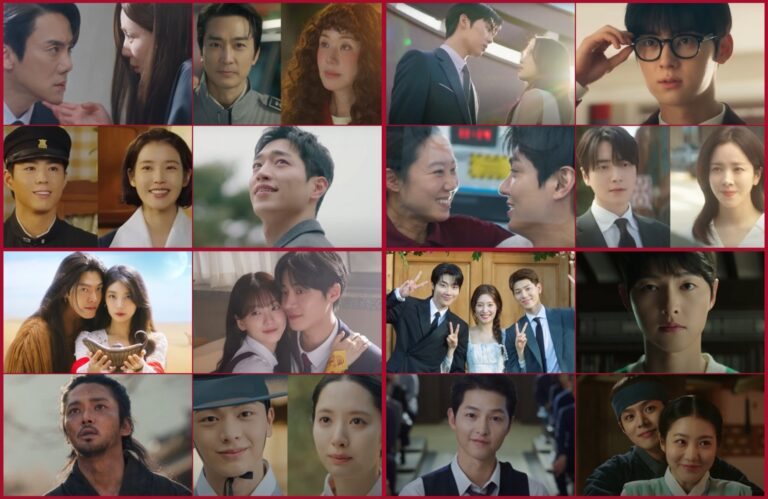
Over the past few years, the Asian drama industry has experienced rapid transformation driven by technology, shifting audience habits, and new content platforms. One of the most debated questions among fans and creators alike is: are short dramas replacing traditional web dramas? While both formats exist within the digital space, their storytelling approaches, production strategies, and emotional impact differ significantly.
Rather than a simple replacement, the rise of short dramas represents an evolution—one that reflects how audiences now consume stories in an increasingly fast-paced, mobile-centered world.
Understanding traditional web dramas
Web dramas emerged as a response to limitations in traditional television broadcasting. Released online rather than on TV, they offered more creative freedom, flexible episode lengths, and the ability to target younger audiences.
Typical characteristics of web dramas include:
-
Episodes ranging from 10 to 30 minutes
-
Seasons with 8 to 20 episodes
-
Strong focus on youth, romance, or niche genres
-
Online-first distribution through websites or streaming platforms
Web dramas bridged the gap between television dramas and online content. They allowed experimentation while still maintaining relatively traditional narrative structures.
What defines short dramas?
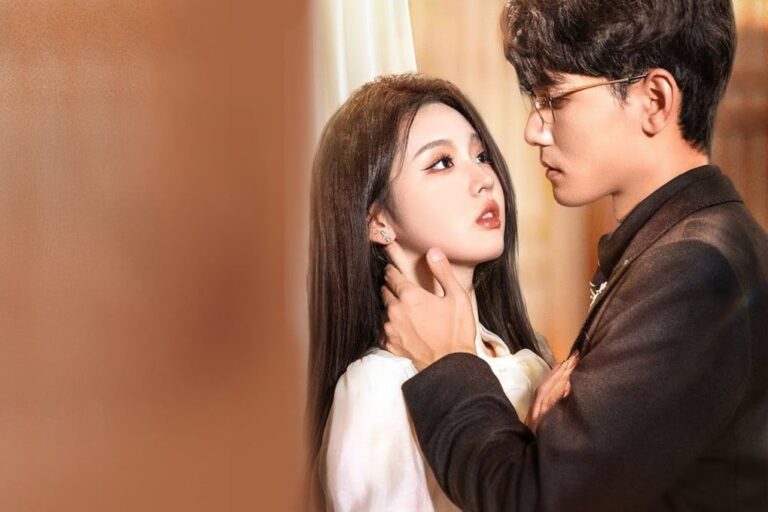
Short dramas are a newer evolution of digital storytelling. Their episodes are significantly shorter—often between 1 and 10 minutes, sometimes even less. Many are designed specifically for mobile apps and vertical viewing.
Key features of short dramas include:
-
Extremely fast pacing
-
Immediate emotional hooks
-
Strong reliance on cliffhangers
-
Minimal exposition
-
High emotional intensity
Short dramas are not simply shorter web dramas; they are built on an entirely different storytelling philosophy.

Different formats, different intentions
Web dramas were designed for viewers who wanted a condensed but still immersive experience. They assumed a moderate level of time commitment and narrative patience.
Short dramas, on the other hand, are designed for instant engagement. They compete not only with other dramas, but with social media, short videos, and endless scrolling.
This difference in intention is crucial. Web dramas invite viewers to settle in. Short dramas aim to stop the scroll.
Storytelling depth vs. emotional speed
One of the biggest differences between the two formats lies in how they deliver emotion.
Web dramas:
-
Develop characters gradually
-
Allow emotional arcs to unfold over time
-
Balance romance, plot, and character growth
Short dramas:
-
Introduce conflict immediately
-
Focus on one dominant emotional wound
-
Deliver emotional peaks quickly
-
Often prioritize feeling over explanation
Web dramas favor emotional accumulation. Short dramas favor emotional impact.
Audience behavior and attention span
Changes in audience behavior play a major role in this shift. Modern viewers often:
-
Watch content on smartphones
-
Consume media in short breaks
-
Switch between multiple apps quickly
Web dramas require focused attention for longer periods, which can be challenging for viewers with fragmented schedules. Short dramas fit more naturally into these viewing habits.
This does not mean audiences have less emotional capacity—only less uninterrupted time.
Production and budget differences
From a production standpoint, short dramas and web dramas operate under different economic models.
Web dramas:
-
Require longer shooting schedules
-
Have higher per-episode production costs
-
Often aim for platform prestige
Short dramas:
-
Are faster to produce
-
Have lower individual episode costs
-
Allow rapid experimentation
-
Reduce financial risk
Because of this, short dramas are attractive to new creators, startups, and platforms testing new ideas.
Platform influence and distribution
Web dramas traditionally lived on video platforms and streaming services. Short dramas increasingly thrive on dedicated mobile apps, social platforms, and vertical-video ecosystems.
Short dramas benefit from:
-
Algorithm-based discovery
-
Viral sharing
-
Subscription micro-models
-
Global accessibility
This platform environment favors content that is quick, emotional, and repeatable—key strengths of short dramas.
Emotional engagement: different but equal
A common misconception is that short dramas are emotionally weaker than web dramas. In reality, they create a different kind of emotional engagement.
Web dramas create long-term attachment. Viewers grow with characters over time. Short dramas create immediate emotional shock—often leaving a strong impression despite limited runtime.
Both formats can be emotionally powerful when executed well. The difference lies in emotional rhythm, not emotional value.
Are web dramas becoming obsolete?
Despite the popularity of short dramas, web dramas are not disappearing. Instead, their role is changing.
Web dramas continue to thrive when:
-
Stories require emotional buildup
-
Characters need layered development
-
Genres benefit from longer arcs (slice-of-life, mystery, youth dramas)
Short dramas dominate when:
-
The goal is rapid engagement
-
Stories rely on intense emotion
-
Content is designed for mobile-first audiences
Rather than replacement, the industry is diversifying.
Audience expectations and maturity
Interestingly, many viewers enjoy both formats. Some turn to short dramas for quick emotional satisfaction, while choosing web dramas when they want deeper immersion.
This coexistence suggests that audiences are becoming more format-aware, choosing stories based on mood, time, and emotional capacity.
Creative opportunities for writers and actors
Short dramas have opened new doors for experimentation. Writers can test bold ideas without committing to long series. Actors can explore emotionally intense roles without long-term scheduling constraints.
Web dramas, meanwhile, remain ideal for creators who want to build detailed worlds and character journeys.
Both formats offer valuable creative space—just with different constraints.
The future: evolution, not replacement
So, are short dramas replacing web dramas? The answer is no—but they are reshaping the landscape.
Short dramas are not erasing web dramas; they are expanding the ecosystem. They reflect how storytelling adapts to modern life, technology, and viewing habits.
As platforms continue to evolve, we are likely to see:
-
Hybrid formats
-
Variable episode lengths
-
Stories designed to move between short and long formats
The line between web dramas and short dramas may blur—but both will remain relevant.
Different paths to the same goal
At their core, both formats seek the same outcome: emotional connection. They simply take different paths to get there.
Web dramas offer time. Short dramas offer intensity.
Neither replaces the other. Together, they show how flexible and resilient Asian drama storytelling has become.
A richer storytelling landscape
The rise of short dramas does not signal the end of web dramas—it signals growth. Viewers now have more choices, and creators have more tools.
Are Short Dramas Replacing Web Dramas?
Not replacing—redefining.
❓ Questions & Answers – Key Curiosities
1. Are short dramas more popular than web dramas now?
Short dramas are growing rapidly, especially among mobile users, but web dramas still maintain strong audiences.
2. Do short dramas have less storytelling depth?
They have less time, but not necessarily less emotional impact. They focus on intensity rather than complexity.
3. Will web dramas disappear in the future?
Unlikely. They still serve audiences who prefer longer, more immersive storytelling.
4. Can the two formats coexist?
Yes. They complement each other by serving different viewing habits and emotional needs.