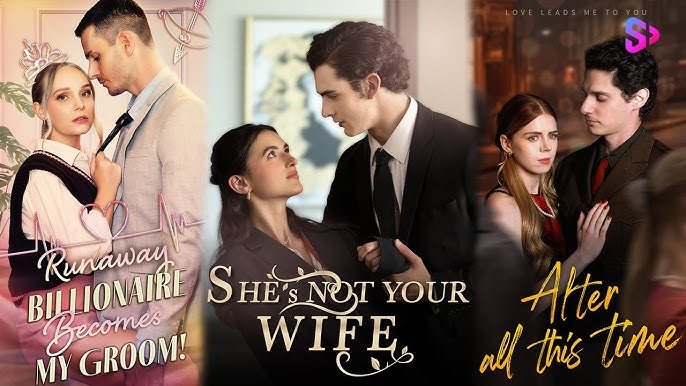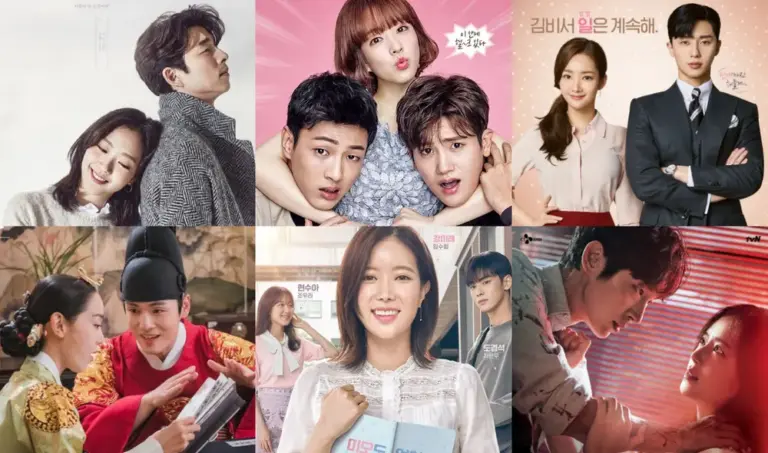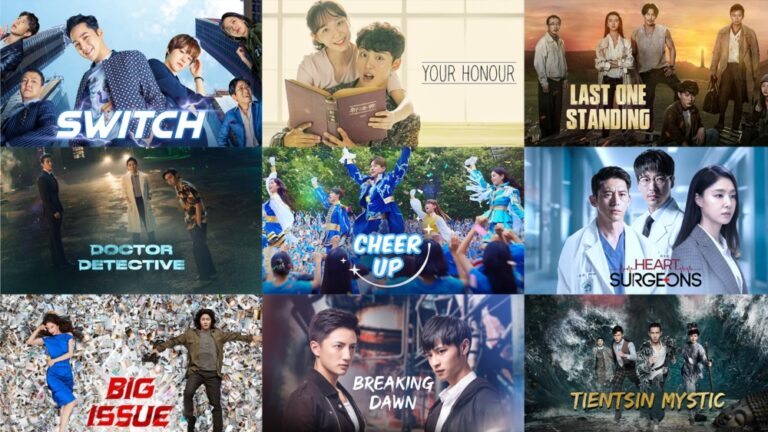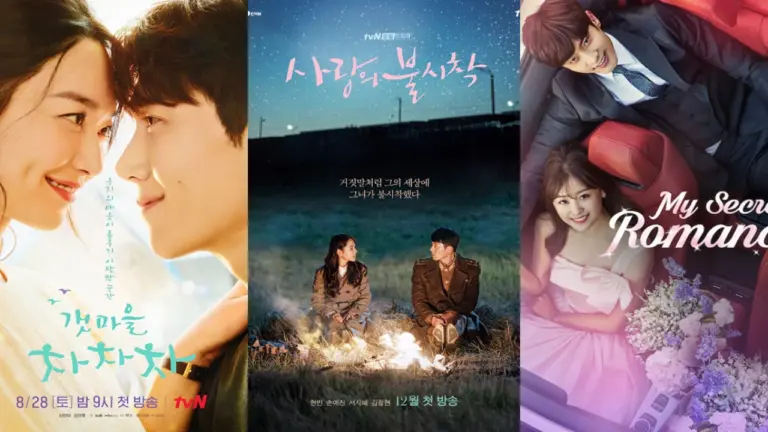
Short Dramas With Unexpected Plot Twists That Shocked Viewers
Short Dramas With Unexpected Plot Twists That Shocked Viewers
Bite-sized stories that surprise audiences with powerful and unexpected twists
Short dramas have proven that length is no longer a requirement for impact. In just a few minutes per episode, these compact stories have managed to shock, move, and deeply unsettle audiences—often more effectively than long-form series. One of the key reasons for this success is their bold use of unexpected plot twists. When viewers think they know where a story is going, short dramas frequently pull the rug out from under them, leaving a lasting emotional impression.
In a format built on speed and intensity, plot twists are not just storytelling devices—they are survival tools. They keep viewers watching, sharing, and emotionally invested, even when the entire story fits into a handful of episodes.
Why plot twists work so well in short dramas
Short dramas operate under strict time constraints. With little room for exposition or gradual buildup, creators must rely on narrative shock to deliver memorability.
Unexpected twists work because they:
-
Immediately reframe the story
-
Challenge viewer assumptions
-
Create strong emotional reactions
-
Encourage discussion and rewatching
A well-placed twist can turn a simple romance into a tragedy, a revenge story into a moral dilemma, or a comforting narrative into psychological horror—all within minutes.
The psychology of surprise
Surprise is one of the strongest emotional triggers. When viewers feel shocked, their emotional engagement spikes. Short dramas capitalize on this by subverting expectations at precisely the moment when viewers feel comfortable.
Often, short dramas allow audiences to believe:
-
The romance is safe
-
The villain is obvious
-
The ending will be predictable
Then, suddenly, the truth emerges—and everything changes.
This emotional disruption is what makes these stories linger in the viewer’s mind.
Also read: Asian Dramas and Global Awards
Misdirection as a storytelling strategy
Short dramas frequently rely on misdirection. They present familiar tropes—love triangles, revenge arcs, or healing romances—only to twist them in unexpected ways.
Common misdirection techniques include:
-
Making the protagonist unreliable
-
Revealing hidden motivations late
-
Recontextualizing earlier scenes
-
Withholding key information
Because episodes are short, viewers often do not question what they see. This makes the eventual twist feel even more shocking.
Twists rooted in emotional betrayal
Many of the most shocking short drama twists involve emotional betrayal rather than physical danger. A trusted character may turn out to be the antagonist, or a loving gesture may hide manipulation.
These twists are effective because they:
-
Break emotional trust
-
Force viewers to reassess relationships
-
Create moral discomfort
In short dramas, betrayal often comes from the person viewers least expect, making the emotional impact sharper and more personal.
Romance that isn’t what it seems
Romantic short dramas frequently shock viewers by revealing that the love story itself is an illusion. A seemingly sweet relationship may be based on lies, obsession, or hidden agendas.
Twists in romance-focused short dramas include:
-
Love being part of a revenge plan
-
One-sided feelings disguised as mutual
-
A tragic truth revealed at the end
-
The realization that love caused irreversible harm
These twists transform romance into something darker and more complex, challenging the viewer’s emotional expectations.
Identity reveals and hidden truths
Another popular source of shock is the identity twist. Characters are revealed to be someone other than who they claimed to be—sometimes literally, sometimes emotionally.
Identity twists work especially well in short dramas because:
-
They require minimal setup
-
They instantly change the story’s meaning
-
They reward attentive viewers
A single reveal can redefine every interaction that came before it.
Twists that reframe the entire story
The most memorable short drama twists do more than surprise—they reframe the entire narrative. After the reveal, viewers often feel compelled to rewatch earlier episodes with new understanding.
These twists often reveal that:
-
The story was never about what it seemed
-
The protagonist misunderstood their reality
-
The emotional center lies elsewhere
This narrative reversal creates depth, making short dramas feel more complex than their length suggests.
Why viewers love being shocked
Shock is not always comfortable—but it is memorable. Viewers often enjoy the emotional intensity that comes from being surprised.
Unexpected twists:
-
Break viewing monotony
-
Create strong reactions
-
Inspire online discussion
-
Increase shareability
Many viewers actively seek out short dramas known for shocking endings, trusting the format to deliver emotional payoff quickly.
The role of social media in amplifying twists
Social media plays a major role in the popularity of twist-heavy short dramas. Viewers share reactions, warn others to “watch until the end,” or post spoiler-free recommendations emphasizing shock value.
This culture of reaction:
-
Fuels curiosity
-
Encourages binge-watching
-
Extends a drama’s lifespan
A shocking twist can turn a little-known short drama into a viral sensation overnight.
When twists go too far
While twists are powerful, they must feel earned. Twists that exist purely for shock—without emotional or narrative logic—can frustrate viewers.
Successful short dramas balance surprise with:
-
Emotional coherence
-
Consistent character behavior
-
Meaningful consequences
The best twists do not just shock—they deepen the story’s message.
Twists as emotional commentary
Many short drama twists serve a thematic purpose. They comment on love, trust, obsession, revenge, or human vulnerability.
By shocking viewers, these stories force reflection:
-
Was the ending inevitable?
-
Who was truly at fault?
-
What did the story reveal about human nature?
This reflective quality elevates short dramas beyond simple entertainment.
Why twists suit short-form storytelling
Short dramas are ideal environments for bold narrative risks. With lower time commitment and production costs, creators can experiment more freely.
This encourages:
-
Darker endings
-
Ambiguous resolutions
-
Morally complex twists
Viewers approach short dramas with openness, knowing they may be surprised—or unsettled.
The lasting impact of a few minutes
Some of the most unforgettable viewing experiences come from short dramas with shocking twists. Their brevity intensifies their impact. There is no long buildup to dilute the emotion—just a direct hit.
These stories prove that emotional resonance does not depend on length, but on precision.
When surprise becomes art
Short Dramas With Unexpected Plot Twists That Shocked Viewers demonstrate the creative potential of short-form storytelling. By embracing surprise, these dramas transform limited time into emotional power.
They remind viewers that sometimes, the stories that stay with us longest are the ones that catch us completely off guard.
In just a few minutes, a twist can change everything.
❓ Questions & Answers – Key Curiosities
1. Why are plot twists so common in short dramas?
Because they create immediate emotional impact and make short stories memorable.
2. Do shocking twists increase a drama’s popularity?
Yes. Twists often drive social media discussion, sharing, and repeat viewing.
3. Can plot twists feel unsatisfying?
They can if they lack emotional logic. The best twists feel surprising but inevitable in hindsight.
4. Are twist-heavy short dramas rewatchable?
Often yes, because viewers enjoy noticing clues they missed before.