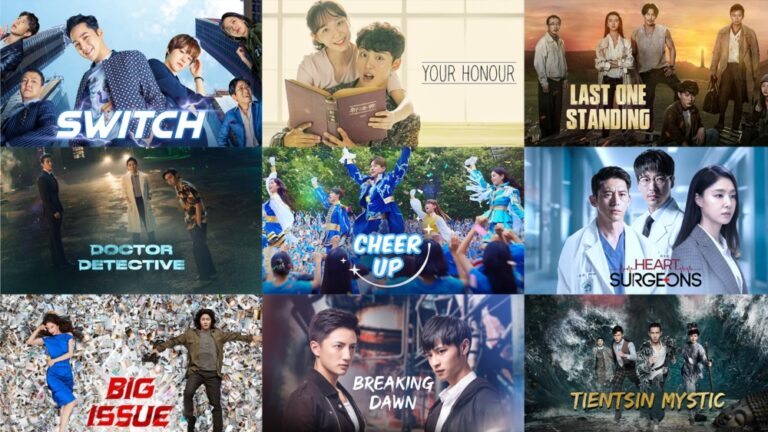
Why Mini-Dramas Are Winning Over Audiences
Short Drama Series: Why Mini-Dramas Are Winning Over Audiences
In recent years, short drama series—often called mini-dramas—have rapidly gained popularity across Asia and beyond. With episodes ranging from just a few minutes to around fifteen minutes, these compact stories are redefining how audiences consume scripted content. Once considered experimental or niche, short drama series have now become a major trend, attracting millions of viewers and reshaping the drama industry.
The rise of mini-dramas reflects broader changes in viewing habits, technology, and storytelling preferences. As modern audiences seek fast, emotionally engaging content that fits into busy schedules, short drama series are proving to be perfectly suited to the digital age.
Changing Viewing Habits in the Digital Era
One of the main reasons for the popularity of short drama series is the shift in how people watch content. Traditional hour-long episodes require time, focus, and long-term commitment. In contrast, mini-dramas are designed for quick consumption, making them ideal for mobile viewing during commutes, breaks, or late at night.
Audiences today often multitask and consume content in shorter bursts. Short drama series meet this demand by delivering complete emotional arcs in a fraction of the time. Viewers can enjoy a story without needing to invest hours, which lowers the barrier to entry and increases accessibility.
This convenience has made mini-dramas especially popular among younger audiences and working professionals.
Compact Storytelling with Strong Emotional Impact
Despite their short runtime, mini-dramas are not lacking in emotional depth. In fact, their limited length often results in tighter storytelling. Without room for filler scenes, every moment must serve a purpose.
Writers focus on core emotions—love, betrayal, ambition, fear—and deliver them efficiently. Scenes are often emotionally charged, and pacing is fast but intentional. This intensity keeps viewers engaged and encourages binge-watching multiple episodes in one sitting.
The condensed format forces creativity, pushing storytellers to convey character development and emotional stakes quickly and effectively.

Designed for Mobile and Vertical Viewing
Many short drama series are specifically created for smartphones. Some even use vertical formats, optimized for social media and mobile platforms. This design choice aligns perfectly with modern viewing habits, as most viewers consume content on their phones.
By adapting visually and structurally to mobile viewing, mini-dramas feel natural and immersive rather than constrained. This accessibility helps them reach wider audiences, especially on platforms where traditional long-form dramas may feel less convenient.
Also check out: Why Short Drama Series Are Winning Over Young Audiences
The format also encourages casual discovery. Viewers may stumble upon a mini-drama clip online and become invested within minutes.
Faster Production and Creative Freedom
Short drama series often have shorter production cycles compared to traditional dramas. This allows creators to respond more quickly to trends and audience feedback. Writers and directors can experiment with unique concepts, unconventional narratives, and bold themes without the financial risks associated with long-form productions.
This creative freedom has led to a wide variety of mini-dramas, ranging from romance and fantasy to thriller and slice-of-life. Some explore niche themes that might not sustain a full-length series but work perfectly in a short format.
As a result, mini-dramas feel fresh, innovative, and less bound by traditional industry constraints.
Appeal to New and Diverse Audiences
Mini-dramas are particularly appealing to viewers who may not typically watch traditional dramas. The shorter commitment makes them approachable for newcomers, international audiences, and casual viewers.
Language barriers are also less intimidating in short-form content. Subtitles feel less overwhelming when episodes are brief, making mini-dramas more accessible globally.
This inclusivity has helped short drama series expand beyond regional markets and attract diverse audiences worldwide.
Strong Engagement and Binge Culture
Short episodes naturally encourage binge-watching. Viewers often watch several episodes in a row, driven by quick pacing and emotional hooks. This behavior boosts engagement and strengthens emotional connection to the story.
Cliffhangers are commonly used to maintain momentum, making it difficult for viewers to stop watching. Even though each episode is short, the overall emotional experience can feel just as immersive as a traditional drama.
This high engagement benefits platforms by increasing watch time and viewer retention.
Cost-Effective and Platform-Friendly
From a production standpoint, mini-dramas are more cost-effective. Lower budgets allow platforms to invest in a larger number of projects, increasing content diversity.
For streaming platforms and social media apps, short drama series fit seamlessly into content ecosystems that prioritize frequent updates and high engagement. This alignment makes mini-dramas attractive both creatively and commercially.
As platforms compete for audience attention, short-form dramas offer a strategic advantage.
Emotional Satisfaction Without Long Commitment
One of the biggest advantages of mini-dramas is emotional satisfaction without exhaustion. Viewers can experience romance, suspense, or emotional release without the emotional fatigue that sometimes accompanies long series.
This makes mini-dramas ideal for viewers who enjoy storytelling but prefer flexibility. The format respects the audience’s time while still delivering meaningful narratives.
The Future of Short Drama Series
The success of mini-dramas suggests that they are more than a passing trend. As technology, viewing habits, and storytelling continue to evolve, short drama series are likely to become a permanent part of the entertainment landscape.
Rather than replacing traditional dramas, they complement them by offering alternative ways to experience stories. The future of drama storytelling will likely include both long-form epics and short-form emotional bursts.
Conclusion
The rise of short drama series highlights a fundamental shift in how stories are told and consumed. By combining convenience, emotional intensity, and creative freedom, mini-dramas have successfully captured modern audiences.
Their ability to deliver powerful narratives in a compact format makes them especially appealing in today’s fast-paced digital world. As audiences continue to seek flexible, emotionally engaging content, short drama series are poised to remain a winning format—proving that impactful storytelling does not depend on length, but on emotional connection.
Frequently Asked Questions (FAQ)
1. What is a short drama series?
A short drama series consists of brief episodes, often under 15 minutes, designed for quick and accessible viewing.
2. Why are mini-dramas becoming so popular?
Because they fit modern viewing habits, offer strong emotional impact, and require less time commitment.
3. Are short dramas less meaningful than traditional dramas?
Not necessarily. Many mini-dramas deliver intense emotional experiences through focused storytelling.
4. Will short drama series replace traditional dramas?
No. They are more likely to coexist, offering audiences different formats depending on their preferences.