Advertisement
Fashion and Beauty Trends Born from Asian Dramas
How outfits, makeup, and styling seen in dramas influence global fashion trends
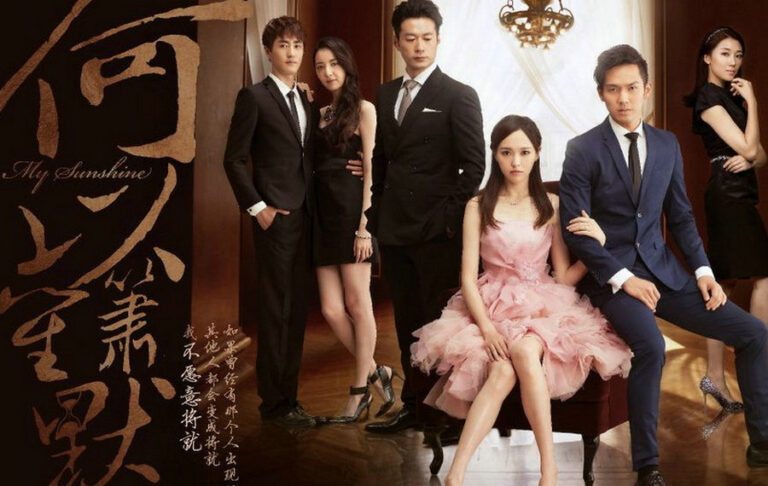
Asian dramas are no longer just a form of entertainment—they have become a global style reference. From carefully curated outfits to subtle makeup looks and distinctive hairstyling, K-dramas, C-dramas, and J-dramas have significantly influenced fashion and beauty trends around the world. What viewers see on screen often transcends fiction, shaping real-life wardrobes, beauty routines, and even consumer behavior across continents.
This phenomenon is not accidental. Fashion and beauty in Asian dramas are deeply connected to character development, storytelling, and cultural identity. As global audiences grow, these visual elements increasingly inspire trends far beyond Asia.
Fashion as an extension of storytelling
In Asian dramas, fashion is rarely random. Outfits are carefully chosen to reflect a character’s personality, emotional state, and social status. A polished wardrobe may signal professionalism and confidence, while soft fabrics and neutral colors may represent vulnerability or emotional warmth.
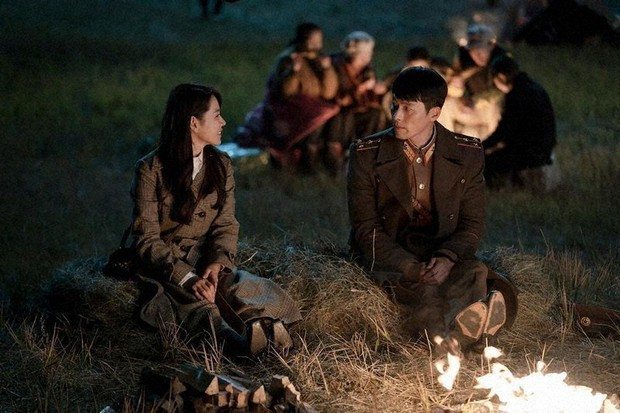
For example, many viewers noticed how elegant yet practical fashion choices in dramas like Crash Landing on You influenced global interest in minimalist coats, neutral palettes, and structured silhouettes. These outfits felt aspirational but wearable, which made them especially appealing to international audiences.
Because fashion is woven into the narrative, viewers form emotional connections to the styles they see. Wearing a similar outfit becomes a way to embody the confidence, romance, or strength represented on screen.
The global rise of K-drama fashion
K-dramas, in particular, have become trendsetters in global fashion. Oversized blazers, layered outfits, long coats, knitwear, and monochrome styling frequently appear in popular series and quickly spread across social media platforms.
What makes K-drama fashion influential is its balance between sophistication and accessibility. Looks are stylish without feeling unreachable. Many outfits combine high-end pieces with affordable basics, encouraging viewers to recreate styles within their own budgets.

Street fashion inspired by K-dramas has become especially popular among younger audiences. Casual yet polished looks—such as sweaters paired with tailored pants or simple dresses layered with coats—reflect a lifestyle that feels modern, practical, and aesthetically pleasing.
C-dramas and the elegance of tradition
C-dramas contribute a different kind of fashion influence, especially through historical and fantasy series. Traditional costumes, flowing fabrics, and intricate embroidery have sparked renewed global interest in Chinese aesthetics.
These dramas introduce international audiences to cultural fashion elements such as hanfu-inspired silhouettes, delicate hair accessories, and refined color symbolism. While viewers may not wear historical costumes daily, designers often adapt these elements into modern fashion, influencing runway collections and editorial styling.
Modern C-dramas also emphasize elegance and luxury, often featuring tailored outfits and refined beauty looks that highlight grace and composure. This aesthetic appeals to audiences who admire timeless, polished fashion.
J-dramas and minimalist beauty
J-dramas are known for their subtle, realistic styling. Fashion in these series often reflects everyday life, focusing on comfort, simplicity, and authenticity. Neutral colors, loose silhouettes, and understated accessories dominate.
This minimalist approach has influenced global trends toward effortless beauty and functional fashion. Instead of dramatic transformations, J-dramas celebrate individuality and natural appearance, encouraging viewers to embrace personal style rather than follow rigid trends.
The appeal lies in relatability. Viewers see themselves in these characters, making the fashion feel attainable and genuine.
Makeup trends shaped by Asian dramas
Beauty trends born from Asian dramas are just as influential as fashion. Soft, natural makeup looks dominate, emphasizing healthy skin, subtle color, and youthful freshness.
K-dramas popularized trends such as dewy skin, gradient lips, straight brows, and soft eye makeup. These styles prioritize skincare over heavy cosmetics, aligning with the global rise of “skin-first” beauty routines.
C-dramas often showcase refined makeup looks that emphasize elegance and clarity, while J-dramas lean toward barely-there makeup that enhances natural features. Together, these approaches have reshaped global beauty standards, shifting focus away from heavy contouring toward softness and authenticity.
Hairstyles that set global trends
Hairstyling in Asian dramas also plays a major role in trendsetting. From natural waves and curtain bangs to sleek ponytails and soft updos, drama hairstyles often become viral references.
What makes these hairstyles influential is their emotional association. A hairstyle tied to a beloved character or romantic moment carries symbolic meaning. Fans often adopt similar styles as a way to express identity or connection to the story.
Hair accessories—such as ribbons, clips, and minimalist pins—have also gained popularity due to their frequent appearance in dramas.
Social media and the spread of trends
Social media platforms are essential to the global spread of drama-inspired fashion and beauty trends. Fans share screenshots, outfit breakdowns, makeup tutorials, and shopping links across Instagram, TikTok, and YouTube.
Short clips showcasing iconic outfits or makeup looks often go viral, introducing drama fashion to audiences who may not even watch the series. Influencers and content creators further amplify these trends by recreating looks and making them accessible.
This cycle transforms on-screen styling into real-world consumer demand almost instantly.
Why these trends resonate globally
The global appeal of Asian drama fashion lies in its emotional storytelling and realism. Viewers are not just copying styles—they are connecting with characters and the values they represent.
Asian dramas often portray fashion as an expression of inner growth, confidence, and healing rather than pure status. This emotional framing makes trends feel meaningful rather than superficial.
Additionally, these styles often prioritize comfort, versatility, and individuality, aligning with modern lifestyle preferences.
Cultural exchange through fashion and beauty
Fashion and beauty trends born from Asian dramas also represent cultural exchange. They introduce global audiences to different aesthetics, values, and approaches to self-expression.
This exchange broadens fashion perspectives, encouraging diversity and appreciation for non-Western beauty standards. It allows Asian cultures to influence global trends on their own terms.
A lasting influence, not a passing trend
The impact of Asian dramas on fashion and beauty is not temporary. As global audiences continue to grow, these influences are becoming integrated into mainstream fashion culture.
Designers, brands, and beauty companies increasingly look to Asian dramas for inspiration, recognizing their power to shape consumer tastes worldwide.
Ultimately, Asian dramas remind us that fashion and beauty are not just about appearance—they are storytelling tools that connect emotion, identity, and culture.
❓ Questions & Answers – Key Curiosities
1. Why do Asian drama fashion trends spread so quickly worldwide?
Because they are emotionally tied to popular characters and amplified by social media and global fandoms.
2. Are the outfits seen in dramas meant to be wearable in real life?
Yes. Many dramas focus on practical, stylish looks that viewers can realistically recreate.
3. How have Asian dramas influenced global beauty standards?
They shifted focus toward natural makeup, skincare, and softer, more authentic beauty looks.
4. Will Asian dramas continue to shape fashion and beauty trends?
Very likely. As global viewership grows, their influence on style and self-expression will continue to expand.