Advertisement
From TikTok to Full Series: When Short Clips Become Dramas
Viral content evolving into serialized storytelling
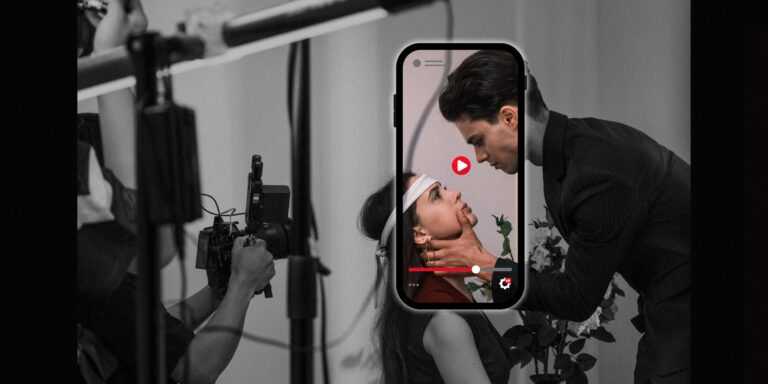
In the fast-changing world of Asian entertainment, one of the most fascinating developments is how viral short clips are evolving into full drama series. What once existed as brief, emotionally charged videos on platforms like TikTok is now being expanded into serialized storytelling with structured plots, character arcs, and dedicated fanbases. This shift marks a new era where social media is no longer just a promotional tool—it is a creative incubator.
Short-form video platforms have trained audiences to engage quickly, emotionally, and repeatedly. A single clip—lasting less than a minute—can spark intense emotional reactions, inspire fan theories, and attract millions of views. Producers and creators quickly realized that if a story can hook viewers in seconds, it may also sustain attention over multiple episodes.
The power of virality as a testing ground
Viral clips act as a real-time audience test. Unlike traditional pilots or trailers, short videos immediately reveal what resonates emotionally. View counts, shares, comments, and remixes provide instant feedback on characters, themes, and tone.
When a short clip goes viral, it signals strong emotional connection. Viewers may not know the full story, but they are drawn to a moment—an intense confession, a painful goodbye, or a quiet expression of longing. This emotional hook becomes the foundation for expansion.
In this way, virality reduces creative risk. Instead of guessing what audiences want, creators build upon content that has already proven its appeal.

From moment to narrative: expanding the story
Turning a viral clip into a full drama series requires careful adaptation. A single emotional moment must be expanded into a coherent narrative without losing its original intensity.
Writers often start by asking:
-
Who are these characters beyond the viral moment?
-
What led to this scene?
-
What emotional journey comes next?
The viral clip usually becomes either the emotional climax or a turning point in the larger story. Surrounding episodes then explore backstory, character motivation, and consequences.
This approach flips traditional storytelling. Instead of building slowly toward a climax, creators build outward from a climax, maintaining emotional momentum while adding depth.
Short episodes, serialized structure
Most dramas born from viral clips maintain short episode lengths, even as they expand into series. Episodes may range from one to ten minutes, preserving the fast-paced rhythm audiences expect from social media content.
Despite their length, these series adopt classic serialized elements:
-
Recurring characters
-
Emotional arcs
-
Cliffhangers
-
Narrative progression
This hybrid structure blends social media immediacy with traditional drama storytelling, creating a format that feels both familiar and new.
Also read: Why Asian Dramas Are Becoming More Global Than Ever
Emotion-first storytelling
Stories that originate from viral clips are almost always emotion-driven. Plot complexity is secondary to emotional clarity. Love, heartbreak, betrayal, regret, and longing dominate these narratives because they translate instantly across cultures and languages.
Dialogue is concise, visuals are intimate, and music is used strategically to heighten feeling. Close-up shots and vertical framing often remain, preserving the personal, confessional tone of the original clip.
This emotional focus explains why romance and melodrama are the most common genres to emerge from short-form viral content.
Audience participation and fandom culture
One key difference between traditional dramas and those born from viral clips is the level of audience participation. Viewers do not just watch—they comment, speculate, and influence direction.
Fan reactions often shape future episodes. Popular characters may receive more screen time, and storylines may shift based on audience engagement. This creates a feedback loop between creators and viewers, making the storytelling feel collaborative.
Fandom culture grows quickly in these spaces. Hashtags, edits, and reaction videos extend the life of the series far beyond its original platform.
Accessibility and global reach
Because viral clips spread internationally within hours, dramas born from them often attract global audiences from the start. Language barriers are reduced through subtitles, visual storytelling, and shared emotional cues.
Viewers who might never commit to a full-length series are willing to try short episodes discovered through their social feeds. This accessibility democratizes drama consumption and expands the global reach of Asian storytelling.
A viewer may encounter a 30-second clip, feel emotionally invested, and then follow the story across multiple platforms.
Creative freedom and new voices
The path from viral clip to series has opened doors for new creators and actors. Independent filmmakers, influencers, and emerging performers can gain visibility without traditional industry backing.
Because production costs are lower, creators can experiment with unconventional narratives, bold emotional themes, and nontraditional endings. This creative freedom often results in stories that feel raw, personal, and emotionally honest.
For actors, viral success can launch careers almost overnight, bypassing traditional casting hierarchies.
Challenges of scaling up
Despite its advantages, expanding viral content into a series comes with challenges. Not every emotional moment can sustain long-term storytelling. Some concepts work best as brief experiences rather than extended narratives.
There is also the risk of repetition. If a series relies too heavily on the same emotional beats that made the clip viral, it may lose impact over time.
Successful adaptations overcome these challenges by developing characters, introducing emotional variation, and allowing the story to evolve naturally.
Changing the definition of “drama”
The rise of dramas born from viral clips is changing how we define serialized storytelling. A drama no longer needs long episodes, television slots, or traditional distribution to succeed.
What matters now is emotional connection. If a story can make viewers feel something quickly and honestly, it has the potential to grow.
This shift reflects broader changes in media consumption. Stories adapt to where audiences are—and today, they are scrolling.
The future of viral-to-serial storytelling
As platforms continue to evolve, the boundary between social media content and formal drama will blur even further. We may see more hybrid formats, interactive storytelling, and cross-platform narratives.
For Asian dramas, this evolution represents opportunity. It allows creators to reach global audiences faster, experiment creatively, and tell stories that feel immediate and personal.
Why this trend matters
From TikTok to Full Series is not just a trend—it is a reflection of how storytelling responds to technology, audience behavior, and emotional needs. It proves that powerful stories can begin anywhere, even in a few seconds of video.
As long as creators continue to prioritize emotional honesty and narrative growth, viral clips will remain fertile ground for the next generation of dramas.
❓ Questions & Answers – Key Curiosities
1. Why do viral clips adapt so well into drama series?
Because they already prove emotional resonance and audience interest, reducing creative risk.
2. Are dramas born from short clips less complex than traditional dramas?
They are often simpler in structure, but not necessarily less emotional or impactful.
3. Do audiences influence the direction of these series?
Yes. Viewer engagement and feedback often shape character focus and story development.
4. Will this trend replace traditional drama production?
No. It complements traditional formats, offering new paths for storytelling and discovery.