Advertisement
Intense Romance in Under 10 Minutes
How short dramas manage to build love, conflict, and climax in a very short time
In the evolving world of Asian dramas, one format has captured attention with remarkable speed: short romance dramas lasting under 10 minutes per episode. At first glance, it may seem impossible to build meaningful love, emotional conflict, and a satisfying climax in such a short span. Yet these compact stories are doing exactly that—and winning over audiences around the world.
Short dramas challenge the traditional belief that romance requires long development and dozens of episodes. Instead, they prove that when storytelling is focused, emotionally precise, and visually intentional, even a few minutes can be enough to make viewers fall in love, feel heartbreak, and crave more.
The art of emotional efficiency
The key to intense romance in short dramas lies in emotional efficiency. Every scene, line of dialogue, and visual choice serves a clear purpose. There is no space for unnecessary subplots or prolonged exposition. From the opening seconds, viewers are thrown directly into the emotional core of the story.
Short dramas often begin at a turning point rather than at the beginning of a relationship. The characters may already be in conflict, separated by misunderstanding, or facing an emotional crisis. This immediate tension allows the story to move quickly while maintaining emotional depth.
By skipping the slow buildup, short dramas trust the audience to fill in emotional gaps intuitively. Viewers do not need to see every moment of a relationship to understand its weight—they recognize emotions through context, expressions, and tone.
Instant connection between characters
One of the most impressive achievements of short romance dramas is their ability to create instant chemistry. Because time is limited, creators rely heavily on casting, body language, and visual storytelling.
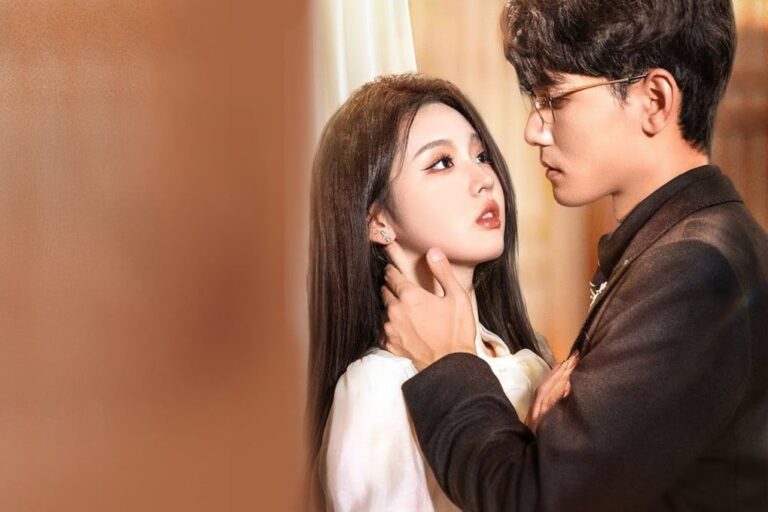
A single glance, an awkward silence, or restrained physical closeness can communicate longing more effectively than extended dialogue. Close-up shots emphasize emotional vulnerability, allowing viewers to read the characters’ inner worlds almost instantly.
Music also plays a crucial role. Emotional soundtracks are carefully chosen to amplify feelings from the first scene, helping audiences connect with the characters before words fully explain the situation.
Building love without long explanations
Traditional romance dramas often spend episodes developing attraction and emotional bonds. Short dramas, however, build love through implication rather than explanation. Shared history is suggested through brief flashbacks, familiar gestures, or emotionally loaded dialogue.
For example, a simple line like “You still remember this?” can hint at years of shared memories. A character’s hesitation before touching the other can suggest unresolved feelings. These subtle cues allow love to feel real without extensive backstory.
This technique respects the audience’s emotional intelligence. Viewers are not told what to feel—they are invited to feel it.
Also check out: Dramas That Broke Viewership Records on Streaming Platforms
Conflict introduced immediately
In short dramas, conflict appears almost instantly. There is no waiting for a problem to emerge halfway through the story. Emotional obstacles such as misunderstandings, jealousy, guilt, betrayal, or impending separation are introduced within the first minute.
This immediacy heightens emotional tension and keeps viewers engaged. Because the conflict is clear, every interaction between the characters carries emotional weight.
Often, the conflict is deeply personal rather than external. Instead of dramatic villains or complicated plots, short dramas focus on emotional barriers—fear of rejection, unresolved pain, or unspoken love. These internal struggles are easier to communicate quickly and resonate strongly with audiences.
Condensed emotional arcs
Despite their short length, these dramas still follow a complete emotional arc: connection, conflict, and climax. What changes is the scale, not the structure.
The connection phase may last only seconds, but it is emotionally charged. The conflict escalates rapidly, often peaking within a single episode. The climax—whether a confession, separation, or emotional realization—arrives quickly and hits hard.
This compressed structure creates a powerful emotional punch. Viewers experience the full intensity of a romance without emotional fatigue, making the story feel both satisfying and addictive.
Visual storytelling over dialogue
Short romance dramas rely heavily on visual storytelling. Silence, framing, lighting, and facial expressions carry much of the narrative weight. Dialogue is minimal and purposeful, often reserved for key emotional moments.
This visual focus allows stories to transcend language barriers. International viewers can connect emotionally even without fully understanding the dialogue, which contributes to the global appeal of short dramas.
The use of vertical framing and close-up shots enhances intimacy. Characters feel closer, emotions feel stronger, and viewers feel directly involved in the story.
Emotional realism over complexity
Another reason short dramas succeed is their focus on emotional realism rather than narrative complexity. Instead of multiple intertwined storylines, they center on one emotional question: Will they confess? Will they separate? Will they forgive each other?
This clarity allows audiences to emotionally invest quickly. The story does not overwhelm viewers with information—it guides them toward a specific emotional experience.
By concentrating on relatable emotions such as longing, regret, and hope, short dramas create authenticity even within limited time.
The role of cliffhangers and rewatchability
Short episodes often end on emotional cliffhangers. A confession interrupted, a message left unread, or a silent realization encourages viewers to continue watching immediately.
Because episodes are short, viewers are more likely to rewatch scenes. Rewatchability strengthens emotional attachment and deepens appreciation for subtle details that may have been missed the first time.
This repetition reinforces the emotional impact and keeps the drama circulating on social media platforms.
Why audiences crave short, intense romance
Modern audiences, especially younger viewers, are drawn to short romance dramas because they fit contemporary lifestyles. Not everyone has time to commit to long series, but many still crave emotional storytelling.
Short dramas offer immediate emotional satisfaction. They allow viewers to experience love, heartbreak, and resolution during a short break or commute.
Emotionally, they feel honest and raw. Without excessive filler, every moment feels intentional—making the romance feel more intense than longer formats.
Limitations that become strengths
While short dramas face limitations in runtime, these constraints often become creative strengths. Writers learn to communicate emotion concisely. Directors focus on meaningful visuals. Actors deliver performances that rely on subtlety rather than extended dialogue.
The result is storytelling that feels focused, intimate, and emotionally powerful.
A new language of romance storytelling
Short romance dramas are creating a new storytelling language—one that values precision over length and emotion over explanation. They show that love does not need hours to feel real; it needs truth, connection, and vulnerability.
As the format continues to evolve, short dramas will likely become even more sophisticated, proving that intense romance can thrive in any length—as long as the heart of the story remains strong.
❓ Questions & Answers – Key Curiosities
1. How can short dramas create romance so quickly?
By focusing on emotional cues, visual storytelling, and immediate conflict rather than lengthy explanations.
2. Are short romance dramas less deep than traditional ones?
Not necessarily. Their emotional depth comes from concentration and realism, not runtime.
3. Why do these dramas rely so much on close-up shots and music?
Because visuals and sound convey emotion faster than dialogue, which is essential in short formats.
4. Will short romance dramas replace long-form romance series?
No. They serve different purposes. Short dramas offer quick emotional experiences, while long series provide deeper, extended storytelling.