Advertisement
Romance in Asian Dramas: Why These Stories Divide and Attract Audiences
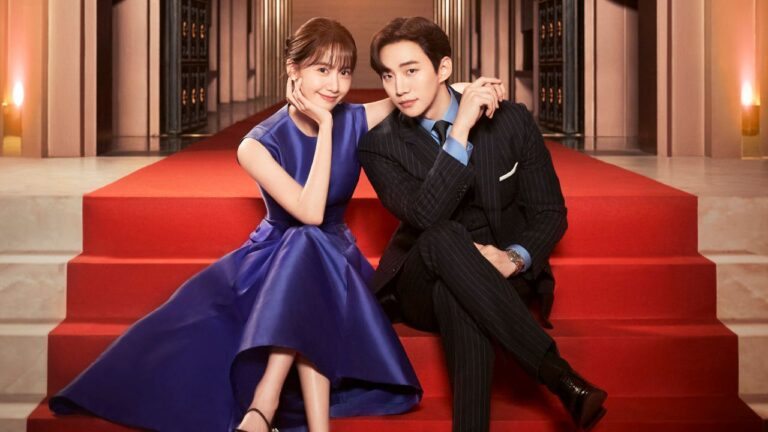
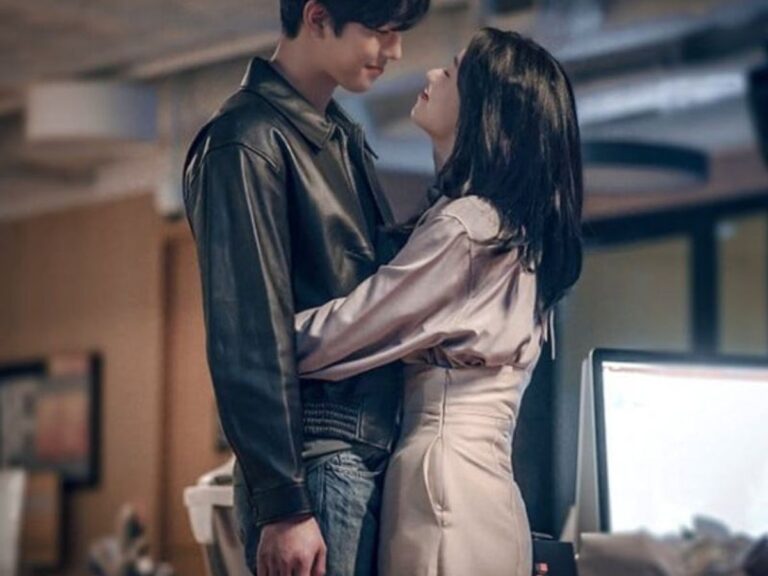
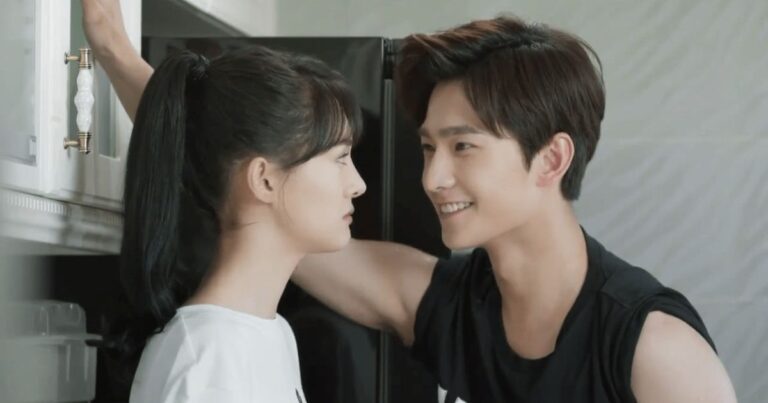
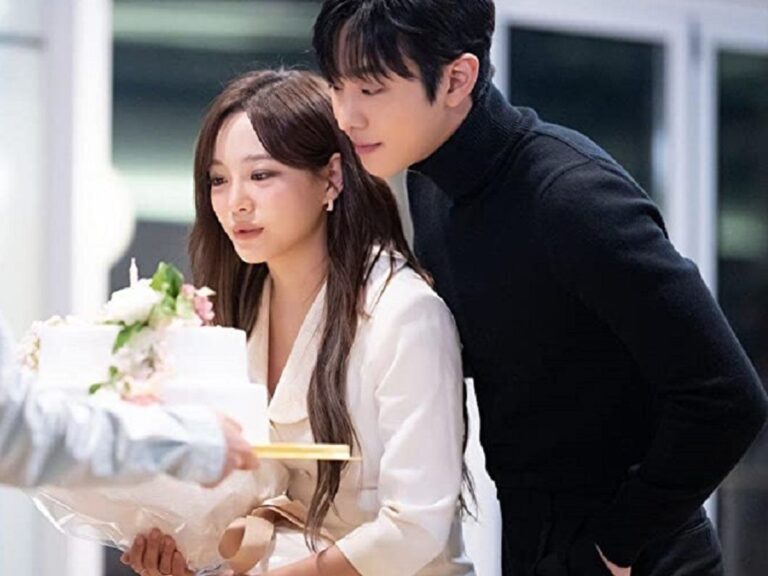
Age-gap romance has long been one of the most debated themes in Asian dramas. These stories—centered on romantic relationships between characters with a significant age difference—often spark strong reactions. Some viewers are deeply drawn to their emotional complexity and maturity, while others feel uncomfortable or critical of the power dynamics involved. This combination of attraction and controversy is precisely why age-gap romances continue to generate attention and discussion.
Rather than being a simple romantic trope, age-gap romance in Asian dramas reflects broader conversations about love, maturity, social expectations, and emotional compatibility. These stories divide audiences because they challenge traditional ideas of who is “allowed” to love whom—and under what circumstances.
What Defines an Age-Gap Romance?
An age-gap romance typically involves a noticeable difference in age between romantic partners, often ten years or more. In Asian dramas, these relationships can appear in various forms: older man–younger woman, older woman–younger man, or even relationships shaped by generational and professional hierarchies.
What distinguishes these stories is not just the numerical age difference, but how that difference affects emotional dynamics, life experience, and social perception. Age-gap romances often explore contrasts in worldview, priorities, and emotional readiness.
These elements add narrative tension and complexity, making the trope both compelling and divisive.
Why Age-Gap Romances Attract Audiences
One reason age-gap romances attract viewers is their emotional depth. Characters at different life stages often bring contrasting perspectives to the relationship. One may be more emotionally guarded, while the other is more idealistic or open. This contrast creates meaningful emotional exchange.
Many viewers are drawn to the idea of emotional maturity. Older characters are often portrayed as stable, experienced, and emotionally grounded, which can feel comforting or appealing—especially when contrasted with youthful uncertainty.
Age-gap romances also offer storytelling freshness. In a genre often dominated by similar-aged couples, these narratives feel different and unpredictable, capturing audience curiosity.

The Appeal of Emotional Growth and Learning
Age-gap romances frequently emphasize learning and personal growth. Younger characters may gain confidence, clarity, or emotional resilience through the relationship. Older characters, in turn, may rediscover vulnerability, joy, or emotional openness they believed they had lost.
This mutual growth is a key factor in the trope’s appeal. When written well, the relationship feels less like imbalance and more like exchange—two people offering each other different strengths.
Audiences who enjoy character-driven storytelling often appreciate how age-gap romances explore love as a transformative experience rather than mere attraction.
Why These Stories Divide Viewers
Despite their appeal, age-gap romances are also highly controversial. One of the main concerns is power imbalance. Differences in age often coincide with differences in financial stability, career status, or emotional authority.
Viewers may question whether both characters truly have equal agency. When one partner appears significantly more experienced or influential, the romance can feel uncomfortable or ethically questionable.
Additionally, cultural norms play a major role. In many societies, large age gaps—especially involving younger women—are still sensitive topics. These norms influence how audiences perceive and judge such relationships.
Gender Dynamics and Shifting Perspectives
Gender plays a crucial role in how age-gap romances are received. Traditionally, older man–younger woman pairings have been more common and socially accepted in media. However, this dynamic is increasingly scrutinized by modern audiences.
Conversely, older woman–younger man romances, once considered taboo, are now gaining popularity and praise for challenging stereotypes. These stories are often celebrated for empowering female characters and redefining desirability and maturity.
Also read: When the Past Returns to Test Love
Cultural Context in Asian Dramas
Asian dramas often place strong emphasis on social hierarchy, respect for elders, and life-stage expectations. Age-gap romances naturally intersect with these values, intensifying narrative conflict.
Family opposition, workplace boundaries, and social judgment are common obstacles in these stories. These elements add realism and emotional weight, showing that love does not exist in isolation from society.
For international audiences, these cultural layers can be both enlightening and challenging, further fueling debate and interest.
When Age-Gap Romance Works Well
Age-gap romances tend to resonate positively when certain conditions are met. Emotional maturity on both sides is essential. The younger character must have agency, self-awareness, and independence, while the older character must respect boundaries and equality.
When the story focuses on emotional compatibility rather than authority or control, audiences are more likely to respond positively. Clear communication, mutual respect, and shared values help balance the age difference.
In these cases, the romance feels thoughtful and sincere rather than problematic.
When Age-Gap Romance Feels Uncomfortable
On the other hand, age-gap romances often face backlash when they romanticize imbalance. If one character consistently dominates decisions, dismisses concerns, or frames the relationship as “teaching” rather than partnering, viewers may feel uneasy.
Poorly written narratives that ignore power dynamics or gloss over consent issues can alienate audiences. Modern viewers are increasingly sensitive to these aspects and expect responsible storytelling.
This heightened awareness explains why reactions to age-gap romances can be intense and polarized.
Why Audiences Keep Watching Despite the Debate
Even when viewers disagree with age-gap romances, many continue to watch them. Controversy itself fuels engagement. These stories provoke discussion, emotional reactions, and critical thinking.
Age-gap romances invite audiences to question their own beliefs about love, maturity, and social norms. Whether viewers support or criticize the relationship, they are emotionally invested.
This ability to spark conversation is one reason the trope remains relevant and widely used.
Conclusion
Age-gap romance in Asian dramas continues to divide and attract audiences because it sits at the intersection of love, power, culture, and social change. These stories challenge traditional boundaries while offering emotionally complex and character-driven narratives.
When handled with care, age-gap romances can explore mutual growth, emotional maturity, and meaningful connection. When handled poorly, they raise valid concerns about imbalance and consent. This tension is precisely what makes them so compelling—and so controversial.
Ultimately, age-gap romances endure because they reflect real-world questions about love and compatibility, reminding audiences that romance is rarely simple, and always shaped by context.
Frequently Asked Questions (FAQ)
1. Why are age-gap romances so controversial in Asian dramas?
Because they often raise concerns about power imbalance, cultural norms, and emotional equality.
2. Do audiences prefer older man–younger woman or older woman–younger man stories?
Preferences vary, but modern audiences increasingly support older woman–younger man narratives for challenging stereotypes.
3. Can age-gap romances be portrayed responsibly?
Yes. When both characters have agency, emotional maturity, and mutual respect, the relationship feels balanced and believable.
4. Why do these stories remain popular despite criticism?
Because they offer emotional complexity, challenge norms, and spark strong audience engagement and discussion.