Advertisement
Short Dramas Based on Real Stories or Web Novels
Adapting popular online stories into emotional, bite-sized drama series
In recent years, one of the most dynamic movements in the Asian drama industry has been the rise of short dramas adapted from real stories or web novels. These productions combine the emotional power of proven narratives with a format designed for fast, mobile consumption. The result is a new storytelling style that feels intimate, intense, and deeply connected to modern audiences.
Web novels and real-life stories already come with something invaluable: an established emotional core. Readers are often drawn to these stories because they feel personal, raw, and relatable. When adapted into short drama series—often with episodes lasting just a few minutes—these narratives gain visual and emotional immediacy, making them even more impactful.
Why web novels are perfect for short drama adaptations
Web novels are uniquely suited for short drama formats. Unlike traditional novels, they are written for digital consumption, often structured in short chapters with cliffhangers designed to keep readers engaged. This episodic rhythm translates naturally into short-form video storytelling.
Most web novels focus heavily on emotional beats rather than complex world-building. Love, betrayal, regret, healing, and redemption are often at the center of the narrative. These themes can be conveyed quickly through expressive acting, close-up shots, and carefully chosen dialogue.
Additionally, web novels usually have a loyal fanbase before adaptation. This built-in audience creates immediate interest and online discussion, helping short dramas gain traction quickly after release.

Real stories: emotional authenticity in short form
Short dramas based on real or inspired-by-true stories carry a different kind of emotional weight. Knowing that a story reflects real experiences—illness, loss, unfulfilled love, or unexpected connections—makes every scene feel more intimate and meaningful.
These adaptations often focus on small, human moments rather than dramatic spectacle. A quiet conversation, a final message, or a fleeting reunion can carry enormous emotional impact when viewers know the story is grounded in reality.
The short format enhances this authenticity. By stripping away unnecessary details, creators highlight the emotional essence of the story. What remains is pure feeling—unfiltered and direct.
Condensing long narratives without losing emotion
One of the greatest challenges in adapting web novels or real stories into short dramas is condensation. Long internal monologues, extended timelines, and multiple subplots must be reduced without losing emotional depth.
Successful short dramas achieve this by prioritizing key emotional turning points. Instead of explaining everything, they show only what matters most. Visual cues replace exposition, and silence often speaks louder than dialogue.
For example, a web novel chapter describing years of longing might be adapted into a single scene showing two characters standing silently together, unable to speak. The emotion is not diminished—it is intensified.
Also read: Actors and Actresses Dominating Asian Dramas Right Now
Faithfulness versus creative freedom
Another important aspect of these adaptations is balancing faithfulness to the original story with creative freedom. Fans of web novels often expect iconic moments and emotional lines to be preserved. At the same time, short dramas require structural changes to fit the format.
Creators often focus on preserving the emotional truth rather than exact plot details. This approach allows adaptations to feel respectful while still functioning effectively as short-form content.
In some cases, endings are adjusted or simplified to suit the condensed format. While this can be controversial, many viewers appreciate adaptations that prioritize emotional clarity over narrative complexity.
Why audiences connect so strongly with these stories
Short dramas based on web novels or real stories resonate because they feel emotionally familiar. Many web novels originate from user-generated platforms, reflecting everyday struggles, fantasies, and emotional experiences.
When viewers recognize their own feelings—unrequited love, regret over past choices, or the pain of letting go—they form an immediate emotional connection. The short format intensifies this effect by removing distractions and focusing solely on emotion.
There is also a sense of intimacy. Watching a short drama feels closer to reading a personal diary than watching a large-scale television production.
Mobile-first storytelling and emotional immediacy
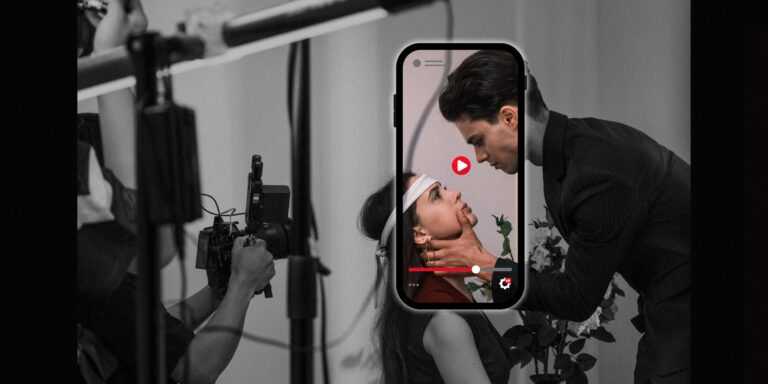
These adaptations are created with mobile viewing in mind. Vertical framing, close-up shots, and minimal settings make emotions feel more direct and personal. Characters appear closer, and viewers feel almost involved in the story.
This visual intimacy works especially well for emotionally driven narratives from web novels and real stories. Subtle facial expressions and quiet moments are magnified on small screens, making emotions feel immediate and genuine.
Episodes are designed to be watched consecutively, encouraging binge-watching even when each episode lasts only a few minutes.
The role of online communities and fandoms
Online communities play a crucial role in the success of these adaptations. Fans of the original web novels actively share clips, compare scenes, and discuss changes. This engagement keeps the drama visible across social media platforms.
For real-story adaptations, viewers often share personal reflections, relating the drama to their own experiences. This emotional exchange transforms short dramas into shared emotional spaces rather than just entertainment.
The comment sections become extensions of the story, filled with empathy, debate, and collective emotion.
Emotional impact over production scale
Unlike traditional dramas that rely on large budgets and elaborate settings, short adaptations focus on emotional impact over scale. Simple locations, limited casts, and minimal dialogue allow performances to take center stage.
This stripped-down approach suits stories rooted in personal emotion. Viewers are not distracted by spectacle—they are invited to feel.
A bridge between reading and watching
Short dramas based on web novels serve as a bridge between literature and visual storytelling. They introduce readers to a new way of experiencing beloved stories and invite viewers to explore original written works.
This cross-media relationship benefits both formats, expanding audiences and deepening emotional engagement.
The future of short adaptations
As demand for short-form content continues to grow, adaptations from web novels and real stories will likely become even more refined. Writers and directors are learning how to translate emotion efficiently, and audiences are becoming more receptive to subtle, compact storytelling.
These short dramas prove that powerful stories do not need long runtimes. They only need emotional honesty, thoughtful adaptation, and respect for the source material.
Ultimately, Short Dramas Based on Real Stories or Web Novels represent a new chapter in Asian storytelling—one where emotion, accessibility, and authenticity come together in just a few minutes.
❓ Questions & Answers – Key Curiosities
1. Why are web novels such a popular source for short dramas?
Because they are already written in episodic formats and focus heavily on emotional storytelling, making them ideal for short adaptations.
2. Do short adaptations lose depth compared to original stories?
Not necessarily. While details are reduced, strong adaptations preserve emotional core and often intensify key moments.
3. Are real-story-based short dramas more emotional than fictional ones?
Often yes, because knowing a story reflects real experiences adds authenticity and emotional weight.
4. Will short drama adaptations replace traditional dramas or novels?
No. They complement existing formats, offering a faster, more accessible way to experience emotional storytelling.