Advertisement
The Most Beloved Romance Drama Tropes
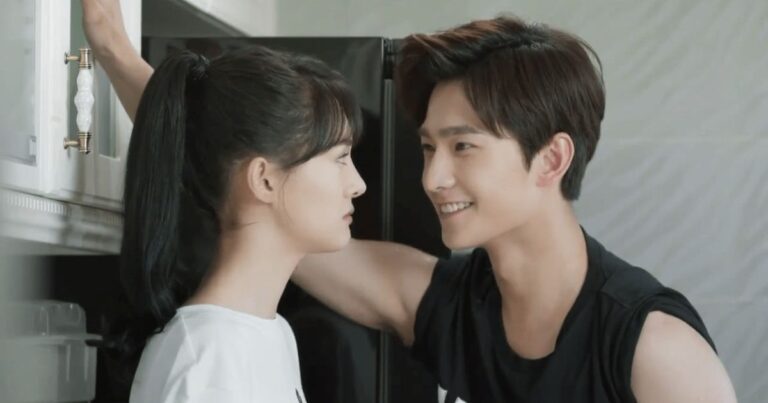
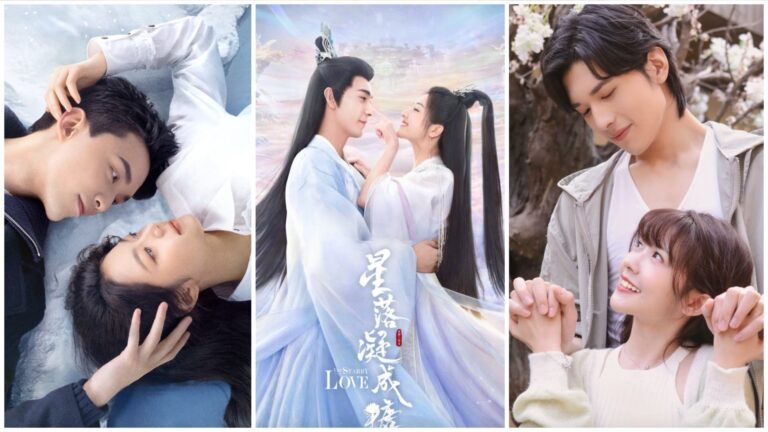
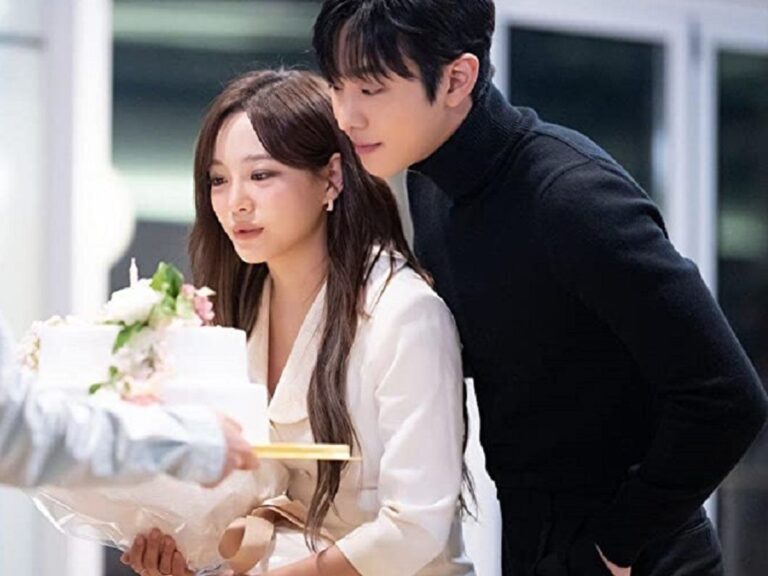
Romance dramas have captivated audiences for decades, not only because of their emotional storytelling but also because of their use of familiar and beloved tropes. Among the most popular are enemies to lovers and contract marriage, two narrative devices that continue to dominate romance dramas across cultures. While these tropes may seem predictable on the surface, their enduring popularity proves that audiences never tire of them. Instead, viewers find comfort, excitement, and emotional depth in stories that transform conflict into love and obligation into genuine affection.
These tropes work because they tap into universal emotions—misunderstanding, pride, vulnerability, and the desire to be truly seen by another person. When combined, enemies-to-lovers and contract marriage create powerful romantic arcs that keep audiences emotionally invested from beginning to end.
The Appeal of Romance Drama Tropes
Tropes exist because they work. In romance dramas, they provide a familiar structure that allows viewers to quickly connect with characters and anticipate emotional turning points. Rather than diminishing creativity, tropes offer a framework within which writers can explore new character dynamics, settings, and emotional conflicts.
Audiences often return to romance dramas specifically because they want these familiar patterns. Tropes create a sense of emotional safety—viewers know they are in for tension, growth, and romance, even if the journey differs each time. Among all romance tropes, enemies to lovers and contract marriage stand out because they emphasize transformation, one of the most satisfying elements in storytelling.
Enemies to Lovers: From Conflict to Connection
The enemies-to-lovers trope is built on tension. Two characters begin with hostility, rivalry, or deep misunderstanding. They clash constantly, challenge each other’s beliefs, and often represent opposing values. This friction creates sharp dialogue, intense scenes, and emotional sparks that feel electric on screen.
What makes this trope so compelling is gradual change. As the characters are forced to interact, layers are peeled away. Misjudgments are corrected, emotional wounds are revealed, and respect slowly replaces resentment. Love feels earned because it grows out of understanding rather than instant attraction.
Audiences are drawn to this trope because it mirrors real emotional growth. It suggests that people are more complex than first impressions and that love can emerge from unexpected places. The emotional payoff is especially strong when characters realize they have fallen for someone they once disliked—or even despised.

Contract Marriage: Love Born from Obligation
The contract marriage trope introduces romance through practicality rather than emotion. Two characters enter a fake or contractual relationship for personal reasons—career benefits, family pressure, financial security, or social expectations. At first, love is explicitly excluded from the agreement.
This trope thrives on proximity. Forced cohabitation, shared routines, and public displays of affection slowly blur the line between acting and reality. Small gestures—caring during illness, defending each other publicly, or sharing quiet moments—become emotionally charged.
Audiences love contract marriage stories because they explore how love grows through everyday intimacy rather than dramatic declarations. The emotional tension comes from denial: both characters feel something real but refuse to acknowledge it, often out of fear of breaking the contract or exposing vulnerability.
Why These Tropes Work So Well Together
When enemies-to-lovers and contract marriage are combined, the result is a powerful romantic formula. The characters not only dislike each other at the start, but they are also forced into a legally or socially binding relationship. This double-layered tension creates rich storytelling opportunities.
Conflict becomes unavoidable, emotional growth becomes necessary, and romance feels inevitable. Viewers enjoy watching sharp arguments turn into quiet concern, sarcasm soften into teasing, and emotional walls slowly crumble. The journey from hostility to partnership to genuine love feels deeply satisfying.
This combination also allows for strong character development. Both characters must confront their flaws, reassess their beliefs, and learn emotional honesty. Love becomes not just a feeling, but a result of personal growth.
Also read: Romance as Emotional Recovery
Emotional Fantasy and Escapism
Another reason these tropes remain beloved is escapism. Romance dramas often exaggerate situations that feel unrealistic in everyday life. Few people enter contract marriages or fall in love with their rivals, yet these stories offer emotional fantasy rather than realism.
Viewers are drawn to the idea that love can emerge even in the most unlikely circumstances. These tropes suggest that destiny, emotional honesty, and time can transform any relationship. This hopeful message provides comfort, especially during stressful or uncertain times.
At the same time, the emotional struggles within these tropes—pride, fear of rejection, miscommunication—remain relatable, grounding the fantasy in emotional truth.
Reinvention Across Cultures and Time
One reason these tropes never feel outdated is their constant reinvention. Writers place them in modern workplaces, historical settings, fantasy worlds, or family-centered narratives. Each cultural context adds new stakes and emotional nuances.
Modern romance dramas often update these tropes by giving characters more agency, emotional maturity, and balanced power dynamics. This evolution allows classic tropes to remain relevant while appealing to contemporary audiences.
Conclusion
From enemies to lovers to contract marriage, romance drama tropes continue to thrive because they deliver emotional transformation, tension, and deeply satisfying character growth. These narratives remind audiences that love is not always immediate or simple—it is something that can grow through conflict, proximity, and understanding.
By blending familiarity with emotional depth, these tropes create stories that feel both comforting and exciting. Whether viewers seek escapism, emotional release, or the joy of watching reluctant hearts fall in love, these beloved romance drama tropes continue to prove that some stories are timeless for a reason.
Frequently Asked Questions (FAQ)
1. Why is the enemies-to-lovers trope so popular in romance dramas?
Because it creates strong emotional tension and allows viewers to witness meaningful character growth and transformation.
2. What makes contract marriage stories emotionally engaging?
They focus on slow emotional development, intimacy through daily life, and the tension between obligation and genuine feelings.
3. Do audiences get tired of repeated romance tropes?
Generally, no. Audiences enjoy tropes when they are well-written and creatively reimagined in new settings or character dynamics.
4. Can these tropes still feel realistic despite being exaggerated?
Yes. While the situations may be unrealistic, the emotions—fear, pride, vulnerability, and love—remain deeply relatable.