Advertisement
How exclusive apps are changing distribution models and monetization
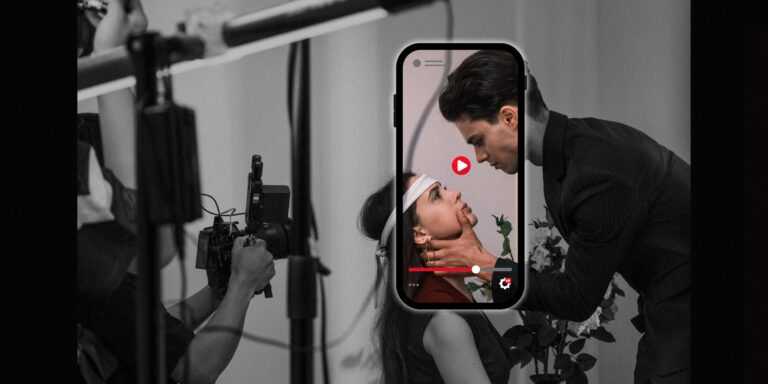
In recent years, the Asian drama industry has witnessed a major shift in how stories are distributed and consumed. Alongside traditional television networks and global streaming giants, a new player has emerged with surprising speed and influence: subscription-based short drama platforms. These exclusive apps, dedicated almost entirely to short-form dramas, are redefining not only how audiences watch content, but also how creators produce, monetize, and experiment with storytelling.
What began as an extension of mobile viewing habits has evolved into a fully developed ecosystem—one that prioritizes speed, emotional intensity, and direct monetization. The rise of these platforms marks a turning point in the business and creative models of Asian dramas.
What are subscription-based short drama platforms?
Subscription-based short drama platforms are mobile apps or digital services that specialize in short-form scripted series, often with episodes ranging from one to ten minutes. Unlike free social media content, these platforms operate behind paywalls, micro-subscriptions, or episode-unlocking systems.
Instead of relying on advertisements or external broadcasters, these platforms monetize directly through:
-
Monthly or weekly subscriptions
-
Pay-per-episode models
-
Limited free episodes followed by locked content
-
Premium access tiers
This direct-to-consumer approach fundamentally changes the relationship between viewers, creators, and distributors.

Why these platforms are growing so fast
Several factors have contributed to the rapid growth of subscription-based short drama platforms:
-
Mobile-first consumption habits
-
Shorter attention spans paired with emotional demand
-
Willingness to pay for convenience and exclusivity
-
Desire for binge-friendly content
Audiences increasingly value content that fits into short breaks and fragmented schedules. These platforms meet that need while offering professionally produced stories rather than casual user-generated videos.
A new distribution model outside traditional systems
Traditional drama distribution relies on broadcasters, advertisers, or large streaming platforms. Subscription-based short drama apps bypass these systems entirely.
This new model offers:
-
Faster release cycles
-
Global distribution without regional broadcasters
-
Immediate audience feedback through data
-
Fewer content gatekeepers
Creators no longer need to secure TV slots or platform deals in advance. Instead, content can be launched directly to audiences, tested quickly, and adjusted based on performance.
This flexibility accelerates innovation.
Monetization through emotional engagement
Unlike ad-based platforms, subscription-based short drama apps depend on retention and emotional investment. Viewers are more likely to pay when they feel emotionally connected to a story.
This has shaped the type of content produced. Short dramas on these platforms often feature:
-
Strong emotional hooks in the first episode
-
Frequent cliffhangers
-
Trauma-driven or high-stakes narratives
-
Romantic tension and unresolved conflict
Monetization is tied directly to emotional engagement. If viewers care, they pay to continue.
Micro-payments and binge behavior
One of the most distinctive aspects of these platforms is the use of micro-payment systems. Instead of paying for an entire series upfront, viewers unlock episodes gradually.
This model:
-
Lowers the initial barrier to entry
-
Encourages impulsive viewing decisions
-
Turns emotional cliffhangers into revenue triggers
When an episode ends at an emotionally intense moment, viewers are more likely to pay to unlock the next one immediately. This creates a powerful link between storytelling structure and monetization strategy.
How creators benefit from this model
For writers, directors, and producers, subscription-based short drama platforms offer unique opportunities.
Benefits include:
-
Lower production budgets compared to TV dramas
-
Faster project turnaround
-
Greater creative experimentation
-
Access to performance data in real time
Creators can test unconventional ideas, niche genres, or bold emotional themes without committing to long series. If a story performs well, it can be expanded. If not, losses are limited.
This environment encourages risk-taking and innovation.
Opportunities for new talent
These platforms have become entry points for new actors, writers, and directors. Short dramas require less time commitment and lower costs, making them ideal for emerging talent.
For actors, short dramas provide:
-
High emotional visibility
-
Opportunities to showcase intensity
-
Faster audience recognition
For writers, they offer a space to experiment with structure and pacing. For directors, they allow stylistic freedom often restricted in traditional formats.
Global reach without global platforms
While global streaming services dominate long-form drama distribution, subscription-based short drama platforms often operate independently. Many target international audiences from the start, offering multilingual subtitles and global access.
This global-first mindset allows short dramas to:
-
Reach niche international audiences
-
Build cross-border fandoms
-
Avoid regional broadcasting restrictions
As a result, stories created in one country can quickly gain traction worldwide.
Challenges and criticisms
Despite their success, subscription-based short drama platforms face criticism. Common concerns include:
-
Overreliance on emotional trauma
-
Repetitive storytelling tropes
-
Aggressive monetization tactics
-
Emotional manipulation through cliffhangers
If viewers feel pressured to pay without receiving satisfying storytelling, trust can erode. Platforms must balance profitability with narrative integrity to sustain long-term growth.
The impact on traditional drama production
The rise of these platforms has influenced the broader drama industry. Traditional producers are:
-
Shortening episode lengths
-
Adopting faster pacing
-
Experimenting with hybrid formats
Even long-form dramas now incorporate techniques popularized by short drama platforms, such as early hooks and stronger mid-episode tension.
The influence flows both ways.
Are subscription-based platforms sustainable?
The long-term sustainability of these platforms depends on content diversity and audience trust. Emotional intensity alone is not enough.
Successful platforms will need to:
-
Expand genre variety
-
Develop stronger character arcs
-
Offer emotional payoff, not just tension
As audiences become more discerning, quality storytelling will matter as much as convenience.
A shift in how value is defined
Subscription-based short drama platforms redefine what “value” means in entertainment. Instead of hours of content, value is measured in emotional impact per minute.
Viewers are not paying for length—they are paying for feeling.
The future of short drama monetization
Looking ahead, we can expect:
-
More personalized content recommendations
-
Dynamic pricing models
-
Cross-platform storytelling
-
Integration with social media ecosystems
Subscription-based short drama platforms are still evolving, but their influence is undeniable.
A new chapter for Asian dramas
The Rise of Subscription-Based Short Drama Platforms represents more than a trend—it represents a structural shift. By changing how stories are distributed and monetized, these platforms are reshaping creative priorities across the industry.
They empower creators, challenge traditional models, and meet audiences where they are: on their phones, in short moments, seeking strong emotions.
As long as they continue to respect storytelling as much as strategy, these platforms will remain a defining force in the future of Asian dramas.
❓ Questions & Answers – Key Curiosities
1. Why are subscription-based short drama platforms growing so quickly?
Because they align perfectly with mobile viewing habits and offer emotionally engaging content in short formats.
2. How do these platforms make money?
Through subscriptions, micro-payments, and locked episode systems rather than advertisements.
3. Are short dramas on these platforms lower quality than TV dramas?
Not necessarily. They often have lower budgets but rely on tight storytelling and emotional intensity.
4. Will subscription-based platforms replace traditional streaming services?
No. They complement them by serving different viewing needs and content formats.