Advertisement
Vertical Dramas: How Screen Orientation Is Changing Storytelling
The rise of drama series designed exclusively for mobile viewing
The way audiences consume Asian dramas is changing rapidly, and one of the most striking innovations in recent years is the rise of vertical dramas. Designed exclusively for smartphones and viewed in portrait mode, these series represent a fundamental shift in how stories are told, filmed, and emotionally experienced. What once seemed like a limitation—watching content on a small vertical screen—has become a creative opportunity that is reshaping modern storytelling.
Vertical dramas are not simply traditional series adapted for phones. They are built from the ground up for mobile viewing, with new visual language, pacing, and emotional focus. As younger audiences increasingly watch content on their phones rather than televisions, vertical dramas have emerged as a natural response to changing habits.
Why vertical viewing makes sense for modern audiences
Smartphones are now the primary entertainment device for many viewers, especially younger generations. People watch dramas during commutes, breaks, late at night in bed, or between daily tasks. Rotating the phone to horizontal mode is no longer intuitive—most users prefer content that fits naturally into how they already hold their devices.
Vertical dramas embrace this reality. By eliminating the need to rotate the screen, they create a seamless viewing experience. The format feels casual, immediate, and personal, aligning perfectly with modern lifestyles.
This convenience lowers the barrier to entry. Viewers are more willing to click on and continue watching a series that feels effortless to consume.
A new visual language for storytelling
Vertical orientation fundamentally changes how scenes are framed. Instead of wide landscapes and group shots, vertical dramas focus on close-ups, facial expressions, and body language. Characters often fill the screen, creating an intense sense of intimacy.
This visual closeness amplifies emotion. A single tear, a trembling hand, or a hesitant glance becomes more powerful when it occupies the viewer’s entire field of vision. In many ways, vertical dramas feel closer to reading a visual diary than watching a traditional TV show.
Directors adapt by using:
-
Tight framing
-
Minimalist backgrounds
-
Vertical movement instead of horizontal blocking
This forces storytelling to become more emotionally focused and character-driven.
Emotional intensity over spectacle
Traditional dramas often rely on grand settings, elaborate cinematography, and complex staging. Vertical dramas, by contrast, prioritize emotional intensity over visual spectacle.
Because space is limited, every scene must serve an emotional purpose. There is little room for filler or distraction. Dialogue is concise, silence is meaningful, and music plays a key role in guiding emotional response.
This approach resonates strongly with audiences who value emotional authenticity. Instead of being impressed by scale, viewers are invited to feel deeply and immediately.
Stories designed for short attention spans
Vertical dramas are usually released in short episodes, often ranging from one to five minutes. This format aligns perfectly with mobile consumption and modern attention spans.
Rather than telling long, complex stories, vertical dramas focus on:
-
One central conflict
-
Clear emotional stakes
-
Strong cliffhangers
Episodes often end at moments of emotional tension, encouraging viewers to continue watching. This binge-friendly structure mirrors social media content loops, making vertical dramas highly addictive.
Romance thrives in vertical format
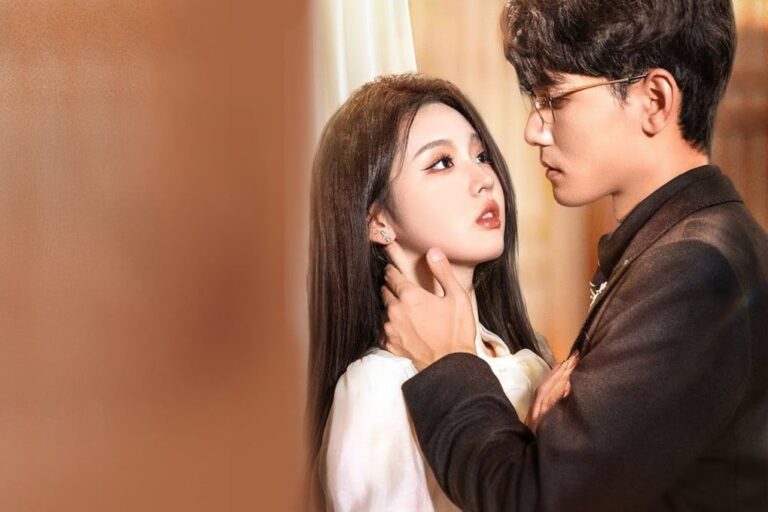
Romance is one of the genres that benefits most from vertical storytelling. The format enhances emotional closeness, making romantic tension feel more immediate and personal.
Eye contact feels more intense. Confessions feel more vulnerable. Even silence between characters carries emotional weight. Romantic moments that might feel subtle on a large screen become powerful when viewed vertically.
This is why many vertical dramas focus on:
-
Unspoken feelings
-
Forbidden or secret relationships
-
Emotional reunions
-
Quiet heartbreak
The screen orientation turns romance into an intimate experience shared directly between the character and the viewer.
Production changes and creative freedom
Vertical dramas also represent a shift in production strategy. They often require smaller crews, fewer locations, and lower budgets compared to traditional dramas. This makes experimentation easier and lowers financial risk.
As a result, creators gain more creative freedom. Writers and directors can explore unconventional stories, darker themes, or emotionally raw narratives that might not fit traditional broadcast standards.
Vertical dramas have become a space for:
-
New actors
-
First-time directors
-
Experimental storytelling
-
Niche emotional themes
This creative flexibility keeps the format fresh and innovative.
Accessibility and global reach
Another advantage of vertical dramas is accessibility. Because they are designed for phones, they are easily shared across social media platforms. Clips can be watched instantly without context, drawing in viewers through emotion alone.
Subtitles, short runtimes, and mobile-friendly design make vertical dramas highly accessible to international audiences. Even viewers unfamiliar with Asian dramas can quickly connect through emotion and visual storytelling.
This global reach allows vertical dramas to spread organically, driven by emotional resonance rather than marketing budgets.
Changing audience expectations
As vertical dramas grow in popularity, they are reshaping what audiences expect from storytelling. Viewers are becoming more comfortable with:
-
Shorter narratives
-
Open or ambiguous endings
-
Emotion-driven plots
This does not replace traditional dramas but expands the storytelling ecosystem. Audiences now choose formats based on mood, time, and emotional needs.
Vertical dramas offer intensity without commitment—a complete emotional experience in minutes rather than hours.
Challenges of the vertical format
Despite their advantages, vertical dramas also face challenges. The limited screen space restricts visual variety, and not all stories translate well to this format. Large-scale historical or action-driven narratives are harder to execute vertically.
There is also the risk of oversimplification. When stories prioritize speed over depth, emotional impact can feel repetitive if not handled carefully.
Successful vertical dramas overcome these challenges by focusing on emotional precision rather than narrative complexity.
The future of vertical storytelling
Vertical dramas are still evolving, but their influence is undeniable. As technology improves and audiences continue to favor mobile-first content, this format is likely to become more refined and diverse.
We may see:
-
Hybrid dramas combining vertical and horizontal formats
-
Higher production quality
-
More genre experimentation beyond romance
Vertical storytelling is not a passing trend—it is a response to how people live, watch, and feel in the digital age.
Why vertical dramas matter
At their core, vertical dramas prove that storytelling adapts to human behavior. They show that powerful stories do not depend on screen size or traditional formats, but on emotional truth and creative intention.
By embracing vertical orientation, Asian drama creators are redefining intimacy, accessibility, and emotional connection in modern storytelling.
Vertical dramas remind us that sometimes, changing perspective—literally—can change everything.
❓ Questions & Answers – Key Curiosities
1. Why are vertical dramas becoming so popular?
Because they fit naturally into mobile viewing habits and deliver strong emotional impact in a short time.
2. Are vertical dramas lower quality than traditional dramas?
Not necessarily. While budgets are smaller, many focus on strong acting, emotional storytelling, and creative direction.
3. What genres work best in vertical format?
Romance, melodrama, and psychological stories work especially well due to their emotional focus.
4. Will vertical dramas replace traditional Asian dramas?
No. They complement traditional formats, offering an alternative viewing experience for different lifestyles and preferences.