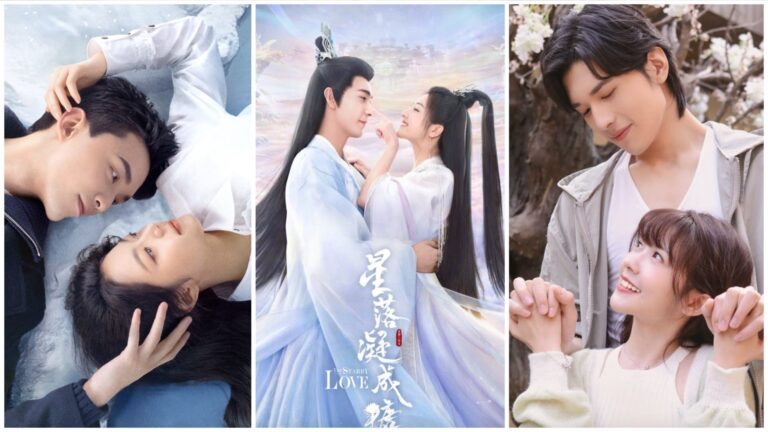
Sad Endings That Marked Asian Dramas
Sad Endings That Marked Asian Dramas
Romance dramas are often associated with hope, healing, and happy endings, but some of the most unforgettable stories are those that end in heartbreak. Across Asian dramas, sad endings have left deep emotional marks on audiences, proving that love stories do not need happy conclusions to be meaningful. In fact, when romance hurts, it often lingers longer in the hearts of viewers, becoming a powerful emotional experience rather than simple entertainment.
Sad endings in Asian dramas are not merely about tragedy. They are carefully crafted narratives that explore loss, sacrifice, timing, and the fragility of human connection. These endings challenge viewers’ expectations and invite reflection, making them some of the most talked-about and remembered moments in drama history.
Why Sad Endings Leave a Lasting Impact
Happy endings provide comfort, but sad endings provide resonance. When a romance ends in separation, death, or unfulfilled love, the emotional weight feels heavier because it mirrors real life. Not all relationships work out, not all love stories reach their ideal conclusion, and Asian dramas are often unafraid to reflect this reality.
Sad endings stay with viewers because they feel honest. They remind audiences that love can be beautiful even when it is temporary. The pain experienced by the characters becomes shared pain, allowing viewers to process their own feelings of loss, regret, or longing through fiction.
Rather than offering closure, these endings leave emotional echoes—moments that continue to resurface long after the final episode ends.
Love, Timing, and Missed Chances
One of the most common themes in tragic romance dramas is poor timing. Characters meet at the wrong moment, make the wrong choices, or realize their feelings too late. These stories emphasize how timing can be just as important as love itself.
Viewers are deeply affected by romances where everything seems right—except the moment. The frustration of watching characters narrowly miss happiness creates a powerful emotional response. These narratives suggest that love alone is sometimes not enough to overcome life’s circumstances.
This focus on missed chances resonates strongly because many people carry memories of relationships that could have been different if timing had been kinder.

Sacrifice as the Ultimate Expression of Love
In many Asian dramas, sad endings are tied to sacrifice. Characters choose to let go of the person they love in order to protect them, support their future, or uphold moral responsibilities. Rather than framing love as possession, these stories present love as selflessness.
This portrayal of romance elevates emotional pain into something meaningful. The audience understands that the separation is not caused by a lack of love, but by an abundance of it. That realization makes the ending even more heartbreaking.
Sacrificial endings challenge conventional romantic ideals. They suggest that true love may sometimes mean walking away, even when it hurts the most.
Death and Impermanence in Romance
Another powerful source of sad endings in Asian dramas is death. Whether caused by illness, fate, or conflict, the loss of a loved one emphasizes the impermanence of life and love. These stories often focus not just on the loss itself, but on the emotional aftermath.
Rather than glorifying death, these dramas use it to highlight the value of shared moments. Love is portrayed as something that exists intensely in the present, even if it cannot last forever. This perspective turns romance into something precious and fragile.
For viewers, such endings can be devastating—but also strangely comforting. They remind audiences to cherish love while it exists, instead of taking it for granted.
Also read: Forbidden Love in Asian Dramas: Loving Against Society’s Rules
Emotional Catharsis and Healing Through Pain
Sad romance endings often serve a cathartic purpose. Crying over a drama allows viewers to release emotions that may be difficult to confront in daily life. This emotional release is one reason why audiences willingly seek out heartbreaking stories.
Asian dramas are particularly skilled at building emotional depth over time, allowing viewers to form strong attachments to characters. When the ending is tragic, the emotional payoff feels intense but meaningful.
Rather than leaving viewers empty, many sad endings offer quiet healing. They show characters growing stronger through loss, continuing to live, and finding meaning beyond romance. This balance between pain and resilience is what makes these stories powerful rather than depressing.
Cultural Perspectives on Love and Loss
Sad endings in Asian dramas are often shaped by cultural values. Themes such as duty, honor, family responsibility, and social expectation frequently outweigh personal happiness. Love becomes something deeply felt but not always prioritized above collective values.
These cultural perspectives add emotional complexity. The audience may not agree with the choices made, but they understand the reasons behind them. This moral tension deepens the emotional impact and encourages reflection rather than simple judgment.
For international viewers, these stories also offer insight into how different cultures view love, sacrifice, and emotional restraint.
Why Viewers Keep Coming Back for Heartbreak
Despite the pain, audiences continue to seek out sad romance dramas. There is a quiet beauty in stories that do not promise perfect endings. These narratives validate the idea that pain is part of love, not a failure of it.
Sad endings also create discussion, shared grief, and collective memory. Fans remember these stories not just for how they ended, but for how deeply they felt while watching them.
In a world that often demands constant positivity, these dramas allow space for sadness, reflection, and emotional honesty.
Conclusion
When romance hurts, it leaves an imprint that happy endings often cannot. Sad endings in Asian dramas endure because they capture the complexity of love—its beauty, its pain, and its impermanence. These stories remind viewers that love does not lose its value simply because it ends.
Through themes of sacrifice, timing, loss, and emotional growth, tragic romance dramas offer more than heartbreak. They offer truth, catharsis, and a deeper understanding of what it means to love fully, even when the outcome is uncertain. This emotional honesty is why sad endings continue to mark Asian dramas and remain unforgettable for audiences around the world.
Frequently Asked Questions (FAQ)
1. Why do Asian romance dramas often have sad endings?
Because they emphasize emotional realism, cultural values, and the idea that love does not always lead to happiness.
2. Do viewers actually enjoy sad romance endings?
Yes. Many viewers find emotional release, reflection, and deeper connection through tragic love stories.
3. Are sad endings more memorable than happy ones?
Often, yes. Sad endings tend to leave a stronger emotional impression and are discussed longer among fans.
4. What makes a sad ending feel meaningful rather than depressing?
Strong character development, emotional honesty, and themes of growth or sacrifice help transform sadness into something impactful and worthwhile.